


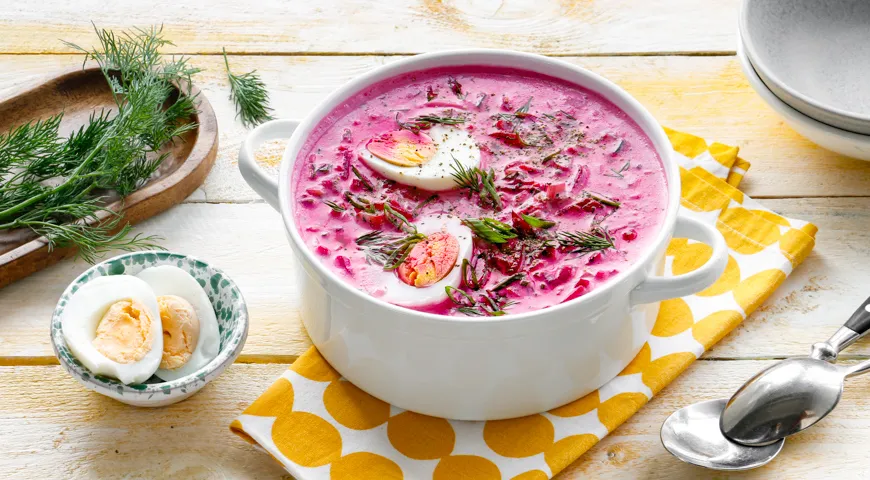
On a sultry summer afternoon, nothing revives the spirit quite like a bowl of chilled beet soup. Known as kholodnik in Russian cuisine, this vibrant, velvety creation marries earthy beets with tangy kefir for a dish that is simultaneously nourishing and refreshing. Unlike its more famous cousin, okroshka, kholodnik offers a striking ruby hue and a lighter, more elegant profile. Pristine white-from-hard-boiled eggs, emerald flecks of dill and scallions, and crisp cucumber cubes create a visual symphony. This recipe transforms humble root vegetables into a sophisticated summer staple—perfect for leisurely lunches or al fresco suppers.
About the Dish
Kholodnik traces its roots to Eastern European and Baltic culinary traditions, where cold soups provided respite from the heat long before refrigeration was common. The star ingredient, beetroot, is celebrated for its natural sweetness and deep color, while kefir—a fermented milk drink—adds probiotic tanginess and creamy body. The balance of acidic kefir, mellow beet broth, and fresh herbs makes each spoonful a study in contrasts. This version keeps the soup chunky for rustic texture, but a quick blitz with an immersion blender can yield a silky smooth result. Serve it well-chilled, perhaps alongside crusty rye bread.

Ingredients
- 800 g beetroot (preferably small, tender ones)
- 1 L drinking water
- 1 tbsp apple cider vinegar
- 500 g potatoes
- 4 large eggs
- 300 g fresh cucumbers
- 2 sprigs fresh dill
- 60 g spring onions (scallions)
- 1 L kefir (1% fat or full-fat, as desired)
- Freshly ground black pepper, to taste
- Salt, to taste
For the best texture, choose firm, unblemished beets. The apple cider vinegar helps preserve their bright color during cooking. A good food processor with a grating disc can speed up the beet prep immensely.
Step-by-Step Instructions
Step 1: Prepare and Simmer the Beets
Peel and rinse the beetroot. Cut each into quarters and place in a large saucepan. Add 1 liter of water and the apple cider vinegar. Bring to a boil over high heat.

Step 2: Cook Beets and Potatoes
Reduce heat to low and simmer the beets for 45 minutes until tender. Meanwhile, wash the potatoes thoroughly, place them in another pot, cover with hot water, and boil for 20 minutes until just cooked through.

Step 3: Hard-Boil the Eggs
Cook the eggs in boiling water for 10 minutes, then plunge into cold water to stop the cooking. Let the beets cool completely in their cooking liquid—this preserves the broth’s flavor and color.
Step 4: Grate Beets and Dice Vegetables
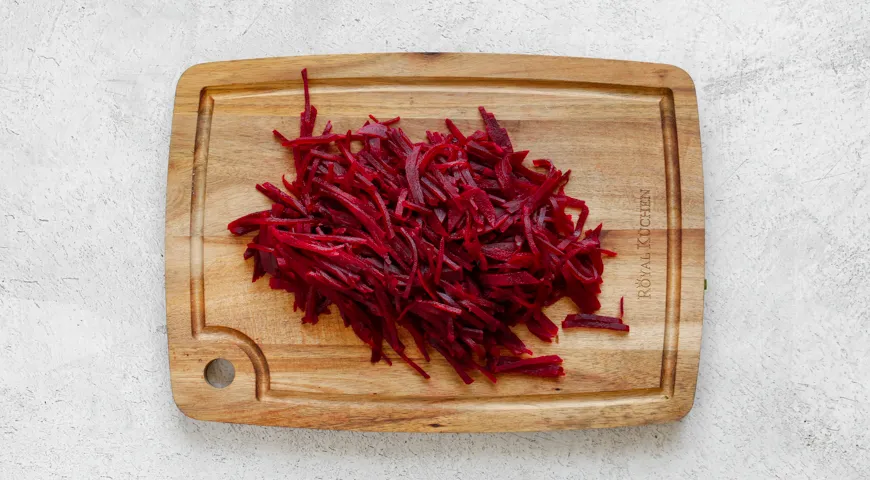
Once the beets are cool, grate them on a large box grater or cut into very thin julienne. (A food processor with a grating disc makes this effortless.) Peel the potatoes and dice them into small cubes. Wash and dice the cucumbers. Rinse and finely chop the dill and spring onions.

Step 5: Combine the Solids
In a large mixing bowl, combine the chopped herbs, grated beets, diced potatoes, and cucumbers. Season with salt and pepper, then toss gently to mix. A planetary mixer with a paddle attachment can handle larger batches, but a simple wooden spoon works beautifully.

Step 6: Finish with Kefir and Serve
Pour the kefir over the vegetable mixture and stir well. Ladle the soup into individual bowls. Add about 150 ml of the reserved beet cooking liquid to each bowl—this lightens the texture and enhances the color. Peel the hard-boiled eggs, cut them in half, and place one half on top of each serving. Serve immediately, or refrigerate for an hour to let the flavors meld.

Tips for the Perfect Kholodnik
- For maximum color retention, use apple cider vinegar or lemon juice in the cooking water. Avoid aluminum pots, as they can dull the beets’ hue.
- Let the soup rest in the refrigerator for at least an hour before serving—the flavors deepen and the texture improves.
- If you prefer a smoother consistency, puree half the soup with an immersion blender before adding the diced solids.
- Store leftover beet broth separately if making the soup ahead; add it just before serving to keep the vegetables crisp.
- Use a microwave pressure cooker to cook beets in under 20 minutes if you’re short on time.
- For a dairy‑free version, substitute kefir with unsweetened plant‑based yogurt or coconut kefir.
Variations
While the classic recipe is vegetarian, you can add boiled shrimp, smoked fish, or diced ham for protein. For a roasted‑beet twist, wrap beets in foil and roast at 200°C for 1 hour until tender—this concentrates sweetness. Use an air fryer or a convection oven for even roasting. A tablespoon of prepared horseradish stirred into the kefir adds a pleasant kick. If you crave a juicier texture, replace half the beet broth with fresh cucumber juice made with a wheatgrass juicer. For a tangy garnish, drizzle a little extra apple cider vinegar or a splash of sweet wine over each bowl.
Serving Suggestions
Serve kholodnik with dark rye bread, butter, and perhaps a dollop of sour cream. For an elegant presentation, float a few ice cubes made with an undercounter ice maker in each bowl—they keep the soup cold without diluting it too quickly. Pair with a crisp white wine or a light beer.
Storage and Make‑Ahead
Kholodnik keeps in the refrigerator for up to 2 days in a sealed container. Store the beet broth and solids separately for best texture. A large built‑in refrigerator with ample shelf space makes it easy to chill multiple bowls. If you plan to can the beet broth for later use, a steam canner is a safe, efficient choice.
FAQ
Can I use yogurt instead of kefir?
Yes, but thin it with a little water or milk to achieve the same consistency. Greek yogurt will yield a thicker, richer soup, while regular yogurt approximates kefir’s lightness.
How long does kholodnik keep?
Refrigerated, it stays fresh for up to 2 days. The vegetables may soften slightly, so add fresh herbs when serving leftovers for a pop of green.
Can I skip the eggs?
Absolutely. Omit them for a vegan version. You can also replace the hard‑boiled egg with avocado cubes or toasted nuts for protein and creaminess.
What is the best way to grate beets?
A box grater works fine, but a food processor with a grating disc saves time and produces uniform shreds. Alternatively, use a mandoline for thin julienne.
Can I make this soup spicy?
Add a minced fresh chili or a teaspoon of prepared horseradish to the kefir mixture. A dash of Tabasco or a pinch of cayenne also works beautifully.
Is kholodnik served hot or cold?
Always cold—ideally at refrigerator temperature. The refreshing chill is part of its appeal on warm days. If you’ve stored it, stir well and add a splash of ice water if it’s too thick.
What can I serve with it?
Dark rye bread, pumpernickel, or crusty baguette. A simple green salad with a lemony vinaigrette complements the earthy beets. For a heartier meal, serve with grilled sausages or smoked fish.
To achieve perfectly boiled eggs every time, consider using a microwave pressure cooker that can steam eggs in minutes. And when drizzling a finishing oil, a precision oil sprayer ensures an even, delicate coating.







