


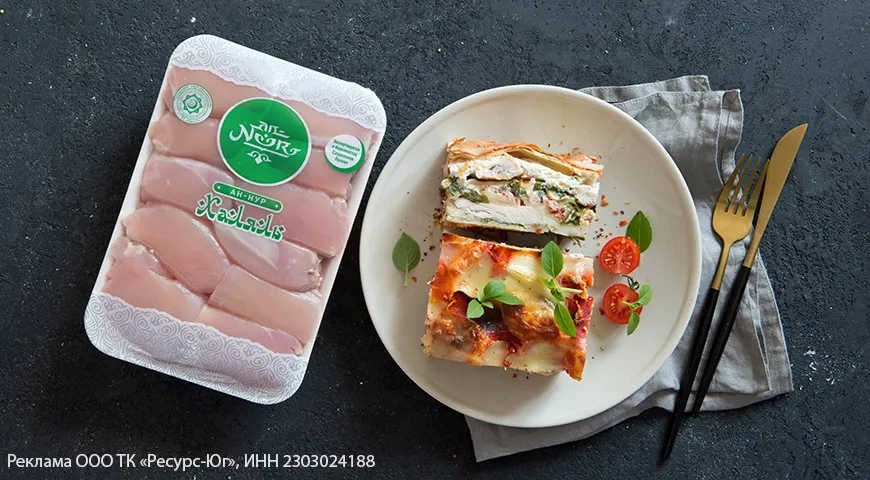
There are lasagnas, and then there is this chicken lasagna—a dish that elevates the humble layered pasta to a symphony of textures and flavors. Born from the Russian culinary tradition yet unmistakably Italian in soul, this recipe balances the richness of three cheeses with the earthy brightness of spinach and the robust character of oven-baked chicken. Whether you’re seeking a showstopping weeknight dinner or a crowd-pleasing centerpiece for a gathering, this lasagna delivers without pretension. The secret? A clever use of panko-style breading on the chicken fillets, which creates a crisp-tender layer that holds its own against creamy ricotta and gooey mozzarella. Every bite is a lesson in contrast: crunchy, creamy, saucy, and savory.
About This Recipe
This chicken lasagna is a masterclass in building flavor through technique. Unlike traditional versions that rely on ground meat, here whole chicken breast fillets are breaded and baked first, then sliced and layered. This method ensures each piece remains juicy and distinct. The ricotta mixture, enriched with Parmesan and fresh basil, provides a light, herbed counterpoint to the tomato puree. And the final crown of mozzarella—blistered under the broiler—adds that irresistible golden crust. It’s a dish that respects the integrity of each component while weaving them into a cohesive whole. For best results, use a high-quality immersion blender to puree your own tomatoes if you can’t find a good passata; the depth of flavor is worth the extra minute.

Key Ingredients
- Chicken fillet (4 medium breasts) – Boneless, skinless, pounded to even thickness for uniform cooking.
- Parmesan (100 g, finely grated) – Divided between the breading and the ricotta mixture.
- Breadcrumbs (50 g) – Fine, unseasoned; combine with Parmesan for a golden crust.
- Eggs (2 large) – For the breading station.
- Ricotta (300 g) – Full-fat, well-drained; the creamy heart of the filling.
- Mozzarella (1 large ball, about 250 g) – Fresh, sliced into thin rounds.
- Tomato puree (200 g) – Passata or canned crushed tomatoes; choose a brand with no added sugar.
- Spinach (200 g, young leaves) – Adds color and a mild, earthy note.
- Basil (3 sprigs, leaves only) – Fresh, chopped; for the ricotta and garnish.
- Olive oil (4 tbsp, extra virgin) – For greasing the dish and drizzling.
- Lasagna sheets (8–10, no-boil or regular) – If using regular, cook according to package before layering.
- Salt and freshly ground black pepper – To taste.
A reliable food processor can speed up the breadcrumb and Parmesan mixing, but a whisk and fork work just as well.
Step-by-Step Instructions
Step 1: Prepare the Oven and Pan
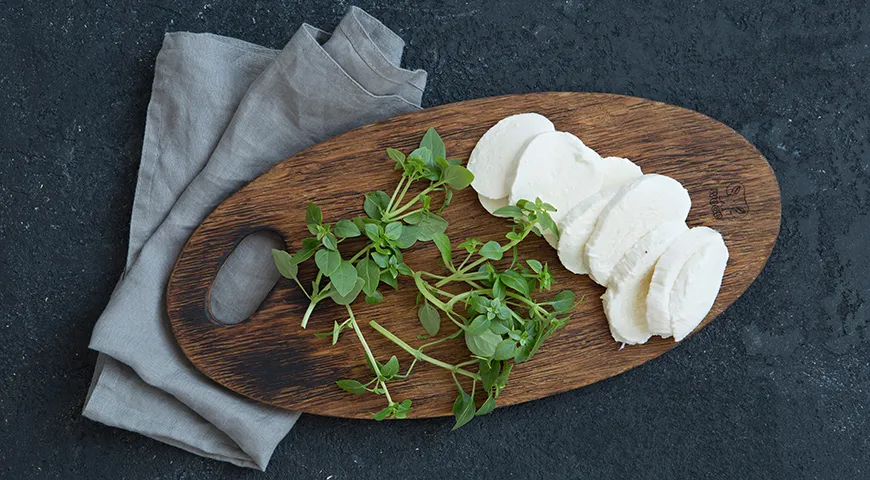
Preheat your oven to 200°C (400°F). Line a baking sheet with parchment paper. Grease a 24 x 30 cm (9.5 x 12 inch) baking dish with 1 tablespoon of olive oil. Remove the mozzarella from its brine and slice into thin rounds. Finely chop the basil leaves.
Step 2: Make the Breading and Coat Chicken
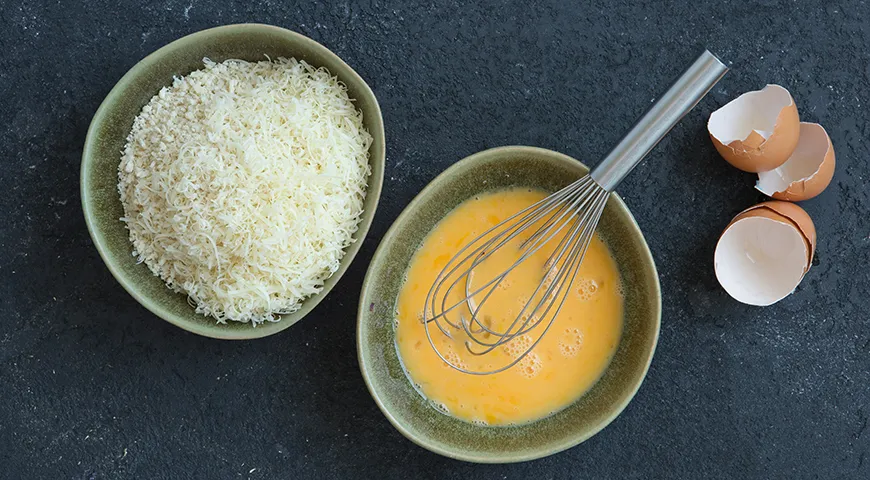
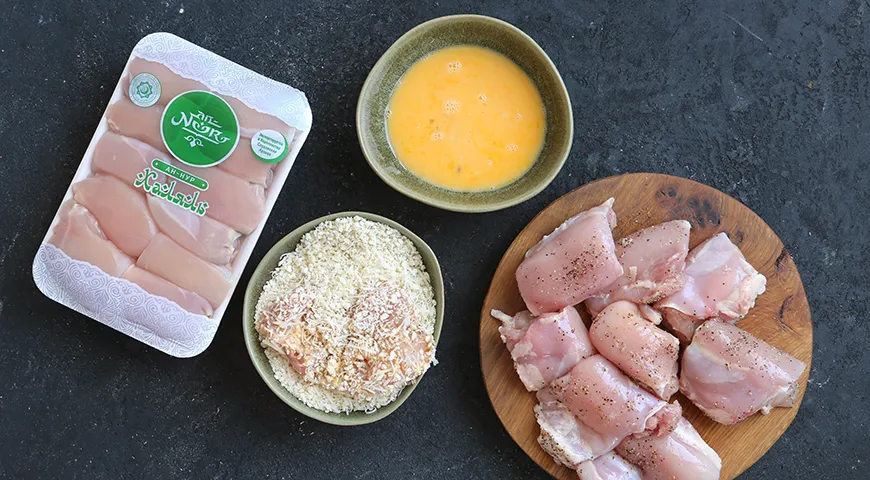
In a shallow bowl, combine half the grated Parmesan (50 g) with the breadcrumbs, ½ teaspoon salt, and ¼ teaspoon black pepper. In another bowl, whisk the eggs. Dip each chicken breast into the egg, letting the excess drip off, then coat thoroughly in the Parmesan-breadcrumb mixture. Shake off any loose crumbs and place on the prepared baking sheet.
Step 3: Bake the Chicken
Bake the chicken in the center of the oven for 30 minutes, until golden and cooked through. Remove the baking sheet and reduce the oven temperature to 180°C (350°F). Let the chicken rest for 5 minutes, then slice into 1 cm thick pieces.
Step 4: Mix the Ricotta Filling
In a medium bowl, combine the ricotta with the remaining 50 g Parmesan and the chopped basil. Stir until smooth. Season with a pinch of salt and pepper.
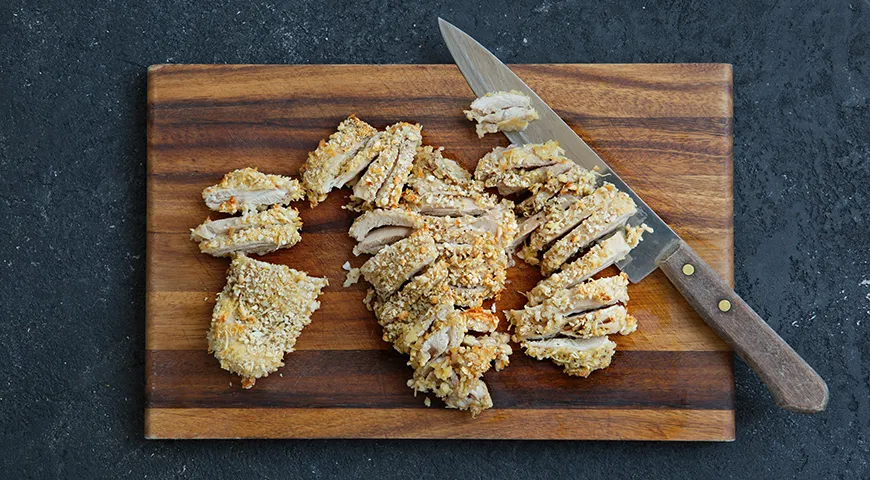
Step 5: Layer the Lasagna
Spoon a thin layer of tomato puree (about 3 tablespoons) onto the bottom of the prepared baking dish. Cover with a layer of lasagna sheets (2–3 sheets, overlapping slightly). Arrange half the sliced chicken over the pasta, then dollop half the ricotta mixture in spoonfuls. Scatter half the spinach leaves over the ricotta. Repeat: tomato puree, lasagna sheets, remaining chicken, remaining ricotta, remaining spinach. Top with a final layer of lasagna sheets and spread the remaining tomato puree over them.
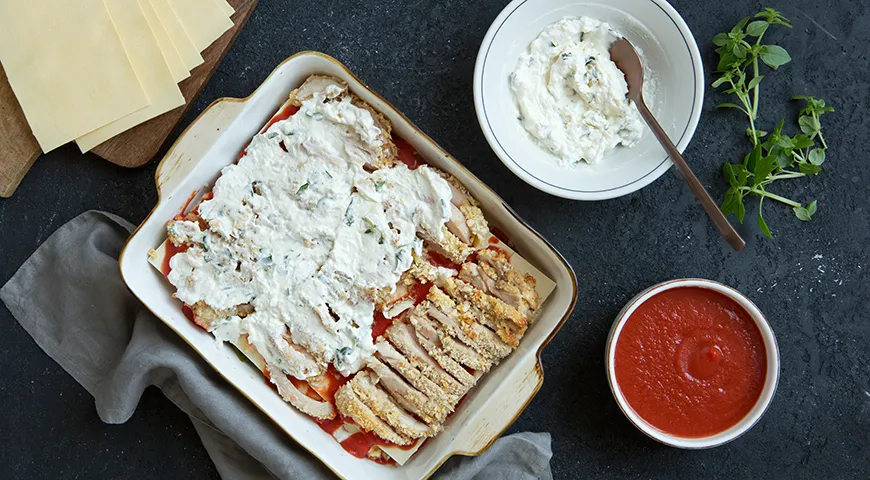
Step 6: First Bake (Covered)
Cover the dish tightly with aluminum foil. Bake at 180°C for 45 minutes, until the pasta is tender and the filling is bubbly.
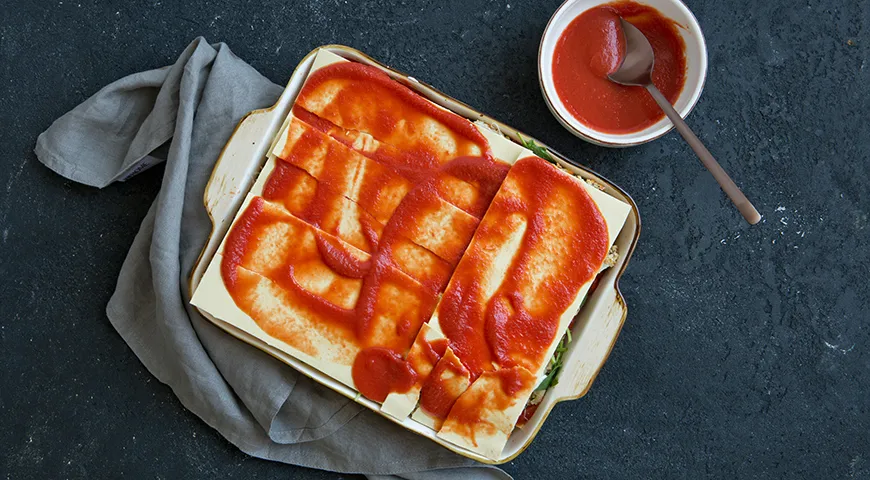
Step 7: Add Mozzarella and Finish
Remove the dish from the oven and discard the foil. Arrange the mozzarella slices evenly over the top. Return to the oven, uncovered, and bake for 5–10 minutes more, until the cheese is melted and golden. Let the lasagna rest in the dish for 10 minutes before slicing. Serve hot, garnished with fresh basil.
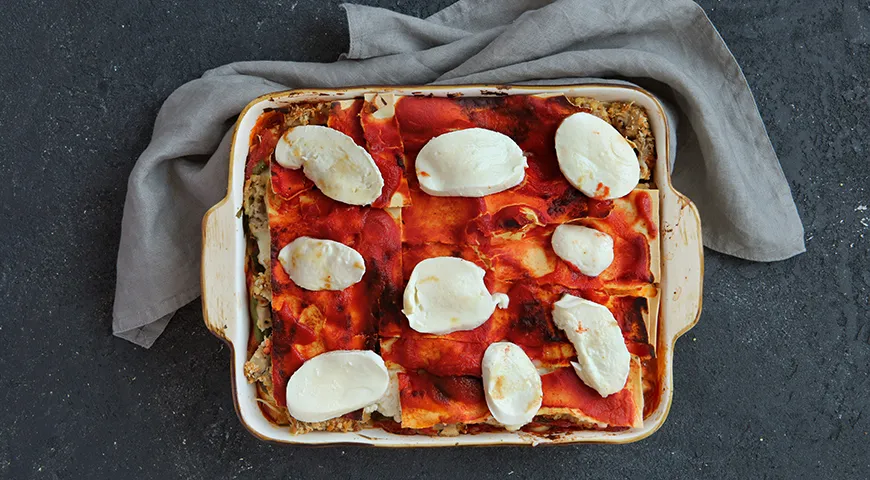
Tips for Success
- Don’t skip resting. Letting the lasagna sit for 10 minutes after baking allows the layers to set, making slicing much cleaner.
- Use fresh mozzarella. The kind sold in brine (not low-moisture) melts into creamy pools. Pat it dry with paper towels before slicing to avoid watering down the lasagna.
- If using no-boil lasagna sheets, ensure the tomato puree is slightly thinned with a tablespoon of water; otherwise, the pasta may remain too chewy. A microwave pressure cooker can be used to quickly cook regular sheets if you prefer.
- Check for doneness: Insert a knife into the center; it should slide through the pasta easily. If not, cover and bake an additional 10 minutes.
Variations
- Vegetarian version: Replace chicken with roasted eggplant slices and add a third layer of sautéed mushrooms.
- Spicy kick: Add red pepper flakes to the ricotta mixture or use a spicy tomato puree.
- Gluten-free: Use gluten-free lasagna sheets and certified gluten-free breadcrumbs. A food processor can grind gluten-free bread into crumbs easily.
- Cheese swap: Substitute half the ricotta with drained cottage cheese for a lower-fat option, or add crumbled feta for tang.
Frequently Asked Questions
Can I make this lasagna ahead of time?
Absolutely. Assemble the lasagna completely (without the mozzarella top) up to 24 hours in advance. Cover and refrigerate. When ready to bake, add the mozzarella and extend the covered bake time by 10–15 minutes to compensate for the chilled dish.
Can I freeze chicken lasagna?
Yes. After baking and cooling, wrap the dish tightly in plastic wrap and aluminum foil. Freeze for up to 3 months. Thaw overnight in the refrigerator, then reheat covered at 180°C until hot (about 30 minutes). Ice maker machines are not needed here, but a good freezer is!
Why did my ricotta mixture become watery?
Ricotta can release moisture. Drain it in a fine-mesh sieve over a bowl for 30 minutes before mixing. Also, avoid over-salting the ricotta mix; salt draws out liquid. A non-toxic immersion blender is great for quickly pureeing tomatoes, but not for ricotta—gently fold instead.
What type of tomato puree is best?
Use passata (strained tomatoes) with no added herbs, as the basil in the ricotta provides enough flavor. Avoid chunky crushed tomatoes; they can make the layers too wet. Organic vodka has no place in this dish, but a good quality tomato puree does.
Can I substitute the chicken with turkey or pork?
Yes. Turkey breast works well but cooks faster—reduce initial bake time to 20 minutes. Pork tenderloin is also excellent; just ensure it’s trimmed of silverskin. For even cooking, a planetary mixer won’t help here, but a meat mallet will.
How do I get a perfectly golden cheese top without burning?
If after 5 minutes the mozzarella isn't browning, switch the oven to broil/grill mode for 2–3 minutes, watching carefully. Alternatively, use a non-toxic air fryer to crisp the top—just transfer the baking dish to the air fryer basket if it fits.
Is it necessary to use breadcrumbs on the chicken?
They add a delightful crunch, but you can skip the breading and just season the chicken with salt and pepper before baking. The lasagna will be softer but still delicious. For the crispiest results, a commercial countertop convection oven can accelerate browning.
This chicken lasagna is a testament to the beauty of layering—not just ingredients, but techniques and traditions. Serve it with a simple green salad and a glass of sweet wine with high alcohol content for a perfect pairing. Buon appetito!







