


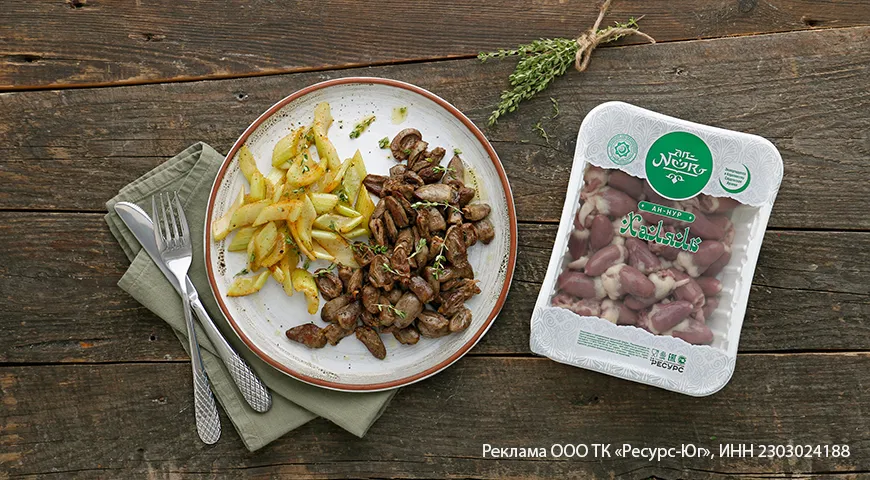
Chicken hearts with celery and herbs is a dish that transforms humble offal into a quick, elegant meal. In just 20 minutes, you can serve a plate that is protein‑packed, low in calories, and bursting with fresh, aromatic flavours. Often overlooked, chicken hearts are a treasure trove of high‑quality protein and iron, making them excellent for preventing anaemia. Paired with celery, which lends a subtle peppery note and satisfying crunch, this recipe is both nourishing and deeply satisfying. Whether you are a seasoned cook or a curious beginner, this dish will prove that offal can be both refined and effortlessly fast.
About This Recipe
Chicken hearts are a staple in many Eastern European cuisines, prized for their tender texture and mild, slightly gamey taste. This recipe, inspired by a classic Russian preparation, highlights the hearts with minimal fuss—allowing the natural flavours to shine. The combination of browned butter, fresh thyme, and crisp celery creates a harmonious balance that feels both rustic and modern. For those watching their waistline, chicken hearts are naturally low in fat and calories, while celery adds fibre and vitamins. This dish also works beautifully as a quick weeknight dinner or an impressive appetizer for guests. If you appreciate efficient cooking tools, consider using a glass food processor for slicing vegetables or a non‑toxic immersion blender to purée leftover sauce. The key to success lies in proper preparation and high‑heat searing.

Ingredients
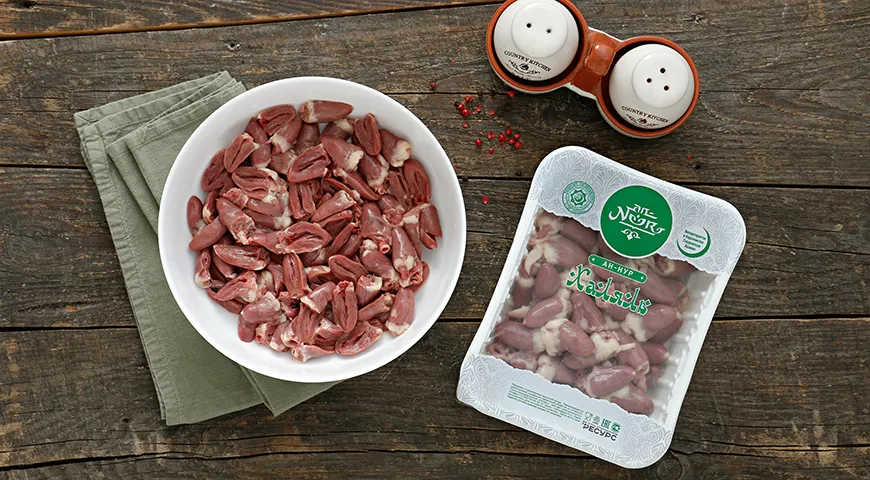
- 400 g chicken hearts (AN‑NOOR brand recommended)
- 5 stalks celery
- 3 sprigs fresh thyme
- 1 clove garlic
- 50 g unsalted butter
- 2 tbsp olive oil
- Salt
- Freshly ground black pepper
All ingredients are widely available. For the best flavour, use high‑quality butter and fresh thyme. If you enjoy working with precision tools, a best oil sprayer can help control olive oil quantity, while a planetary mixer might seem overkill but is excellent for emulsifying dressings that could accompany this dish.
Step‑by‑Step Guide
- Prepare the hearts. Make a lengthwise incision in each heart, trimming away any vessels and excess fat. Remove any blood clots, then rinse thoroughly under cold water. Pat dry with paper towels and season generously with salt and black pepper. This step ensures even cooking and a clean, pleasant taste.
- Prep the celery and garlic. Remove the tough stringy fibres from the celery stalks, then slice diagonally into 1‑cm pieces. Cut the garlic clove lengthwise into two halves. The garlic will be used briefly to infuse oil without becoming harsh.
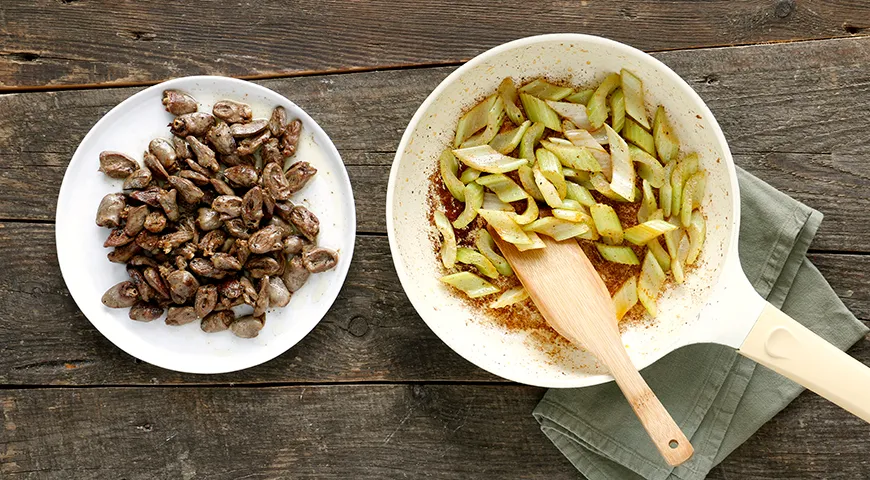
- Sear the hearts. In a non‑stick skillet, melt the butter over low heat. Continue heating for about 1 minute until the butter begins to brown slightly and develops a nutty aroma. Increase heat to medium, add the hearts, and cook, stirring and shaking the pan frequently, until the juices run clear instead of pinkish. This usually takes 4–5 minutes. Transfer the hearts to a bowl and keep warm.
- Sauté the celery. To the same skillet, add the olive oil and the garlic halves. After 30 seconds, discard the garlic (it has fulfilled its role). Add the sliced celery, season with a pinch of salt, and cook over medium heat for 3 minutes, stirring occasionally. The celery should remain slightly crisp. Return the reserved hearts to the pan, toss briefly, and divide among plates. Garnish with fresh thyme leaves.


Tips for Perfect Results
- Don’t overcook the hearts. They become tough if overcooked. Cook just until the juices run clear—a matter of minutes.
- Brown the butter carefully. Watch the butter closely as it melts; milk solids can burn quickly. A light nutty colour is ideal.
- Use a non‑stick pan for easy cleanup and to prevent sticking. For larger batches, a commercial countertop convection oven can keep finished hearts warm while you finish the celery.
- Pat the hearts very dry before seasoning to ensure a good sear. A best wheatgrass juicer won’t help here, but a simple paper towel works wonders.
- Adjust the celery cooking time to your preferred crunch—3 minutes is a good baseline.
Variations
This base recipe lends itself to many twists. Swap thyme for rosemary or sage for a different herbaceous note. Add a tablespoon of capers or chopped cornichons for a briny pop. If you like a bit of heat, toss in red pepper flakes with the celery. For a heartier meal, serve over creamy polenta or Catalan sponge cake? Well, maybe not—but pair with crusty bread to soak up the buttery juices. If you’re exploring other quick protein dishes, you might also enjoy recipes using a microwave pressure cooker for tender meat in minutes.
Frequently Asked Questions
Can I use frozen chicken hearts?
Yes, but thaw them completely in the refrigerator overnight. Pat dry thoroughly before cooking to avoid steaming instead of searing. For efficient thawing, a best 48‑inch built‑in refrigerator with precise temperature control is ideal.
How do I clean chicken hearts properly?
Trim each heart lengthwise to open it, then cut away any visible fat, blood vessels, and dark blood clots. Rinse under cold water and dry—this removes impurities and ensures a clean flavour.
Can I make this dish ahead of time?
It’s best served immediately, but you can prep the hearts and celery up to a day ahead. Store separately in airtight containers in the fridge. Cook just before serving to retain the hearts’ tenderness and celery’s crunch.
What wine pairs well with chicken hearts and celery?
A light, crisp white wine like Sauvignon Blanc or a dry Riesling complements the herbal thyme and buttery notes. For red wine lovers, a best sweet wine with high alcohol content could be an adventurous choice, but generally dry whites are safer.
How can I reduce the gamey taste of offal?
Proper trimming and a brief soak in milk (30 minutes) can mellow the flavour. The browned butter and garlic used here also help mask any strong notes. Using a non‑toxic air fryer for a quick roast may also alter the profile, though the stovetop method is recommended for this recipe.
Is this dish suitable for low‑carb or keto diets?
Absolutely. Chicken hearts are high in protein and low in carbs, and celery is very low in net carbohydrates. The butter and olive oil provide healthy fats, making it keto‑friendly. For extra richness, you can add a pat of butter at the end.
Can I substitute the hearts with other offal?
Yes, chicken gizzards or livers work with adjusted cooking times. Gizzards require longer simmering (about 20 minutes) to become tender, while livers cook even faster than hearts. For consistent results, a best steam canner isn’t necessary here, but using a reliable timer helps.







