



There are batters, and then there is this batter—a luscious, golden cheese cloak that transforms even the most delicate fish into a masterpiece of texture and flavor. In Russian home kitchens, сырный кляр для рыбы (cheese batter for fish) is the secret weapon against falling-apart fillets, delivering a crisp crust that seals in moisture while adding a nutty, savory richness. Whether you are pan-frying cod, haddock, or a flaky white fish, this recipe ensures every bite stays intact and luxurious. Let us dive into the art of making the perfect cheese batter that elevates simple fish to restaurant-quality fare.
About This Recipe
This cheese batter is a culinary paradox: it is both indulgent and practical. The combination of finely grated hard cheese — ideally Parmigiano-Reggiano or Pecorino Romano — with eggs, milk, and a precise blend of flours creates a coating that adheres stubbornly to fish, preventing breakage during frying. The addition of cornstarch and baking powder ensures an airy, shatteringly crisp crust, while the cheese provides depth and a golden hue. This recipe is a staple for anyone who has struggled with fragile fish that disintegrates in the pan. Mastering it is simpler than you think, especially with the right planetary mixer for whisking or a glass food processor for grating cheese effortlessly.

Ingredients
- 100 g very finely grated hard cheese (e.g., Parmigiano-Reggiano or Pecorino Romano)
- 2 eggs (category C1)
- 1 egg yolk
- 2 tablespoons milk
- 50 g all-purpose flour
- 15 g cornstarch
- 0.3 teaspoon baking powder
- Freshly ground black and white pepper, to taste
Pro tip: For the best results, choose a cheese that melts evenly and has low moisture. A castor oil-like precision in measuring is not needed, but accurate ratios matter. Consider using a food processor to grate the cheese super fine.
Step-by-Step Instructions
-
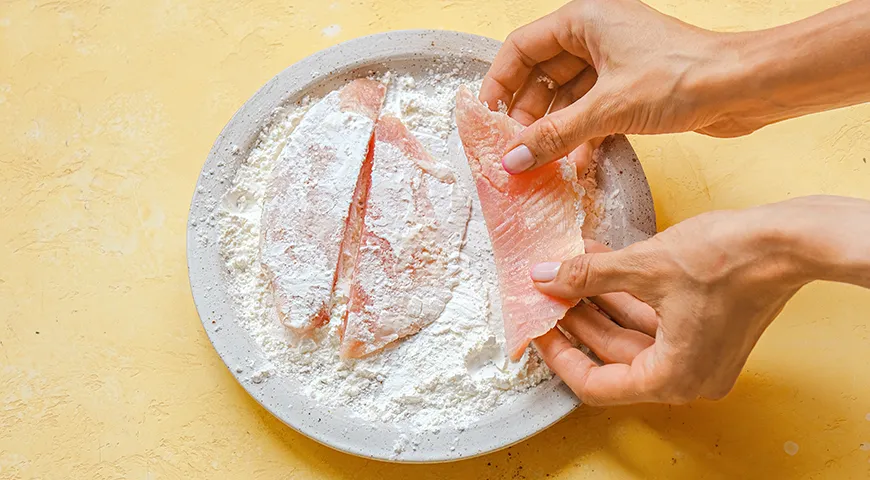
Prepare the fish: Pat the fish fillets dry as thoroughly as possible. Dredge them lightly in extra flour or cornstarch (not deducted from the listed ingredients) to help the batter cling. Heat oil for deep frying in a heavy-bottomed pan or non-toxic air fryer for a healthier alternative.
-
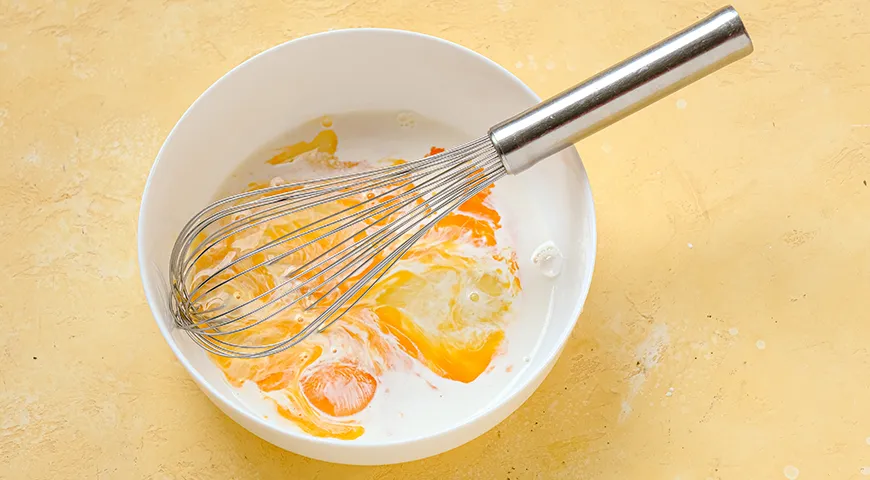
Whisk the eggs: In a mixing bowl, whisk together the eggs, egg yolk, and milk until homogeneous. For effortless mixing, use a non-toxic immersion blender.
-
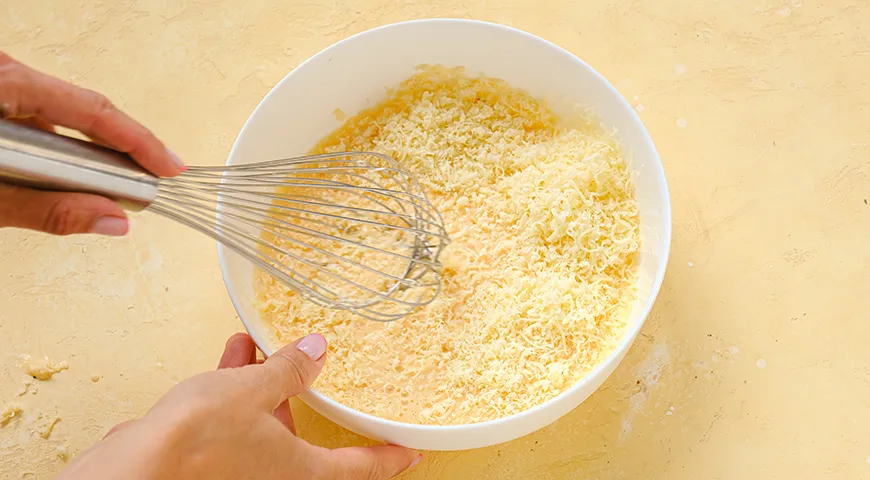
Add the cheese: Add the finely grated cheese to the egg mixture and stir thoroughly until fully incorporated.
-
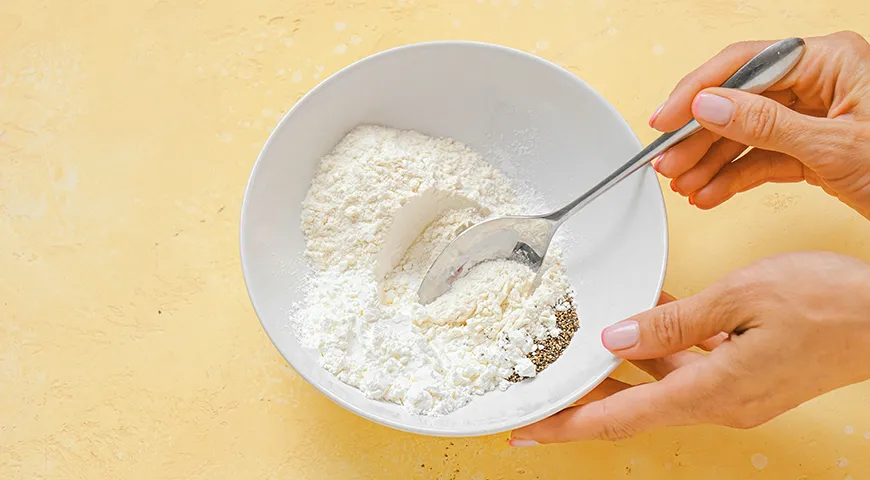
Combine dry ingredients: In a separate bowl, whisk together the flour, cornstarch, baking powder, and both types of pepper. Make sure there are no lumps.
-
Make the batter: Pour the dry mixture into the wet cheese-egg mixture. Stir quickly until just combined — a few lumps are acceptable. The batter should be quite thick. Overmixing can deflate the bubbles, so a microwave pressure cooker is not needed here; a simple spatula works best.
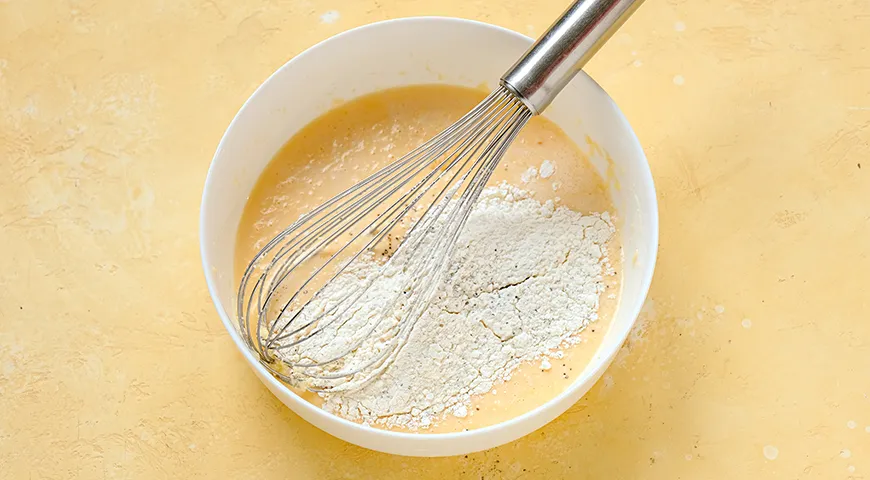
-
Fry immediately: Add the fish to the batter, turning gently with your hands to coat evenly. Fry in hot oil (180°C) for 2-3 minutes per side until golden and cooked through. Drain on paper towels. Serve hot.
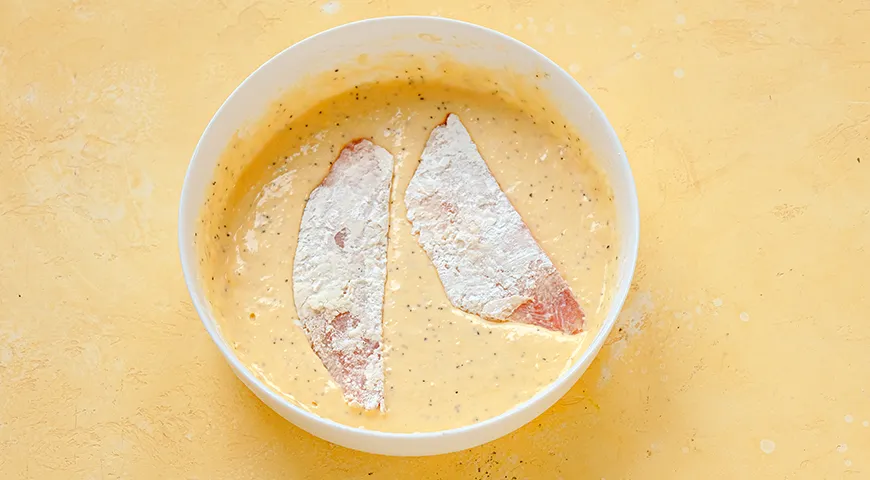
Tips for Success
- Drying is crucial: The drier the fish, the better the batter sticks. Pat with paper towels and even let sit uncovered in the fridge for 10 minutes before dredging.
- Use a fine grater: Cheese must be ultra-fine to melt evenly and avoid clumps. A food processor can achieve this in seconds.
- Don't overmix: Stir just until flour disappears; overworking activates gluten and makes the batter tough.
- Oil temperature: Keep oil at 180°C (350°F) for a crisp crust without absorbing excess grease. An oil sprayer can help control oil usage.
- Batch frying: Fry in small batches to avoid lowering the oil temperature.
Variations
This base recipe is wonderfully adaptable. Swap the hard cheese for a mix of cheddar and Gruyère for a sharper flavor. For a gluten-free version, substitute all-purpose flour with rice flour and use a gluten-free baking powder. Add dried herbs like oregano or dill to the dry mix for an aromatic twist. If you prefer baking, place battered fish on a rack in a convection oven at 200°C for 12 minutes, flipping halfway. The batter works equally well for chicken strips or vegetables.
FAQ
Why does my cheese batter fall off the fish?
This usually happens when the fish is too moist or the batter too thin. Ensure the fish is thoroughly dried and dredged in a light layer of flour or starch before battering. The batter itself should be thick enough to coat without dripping.
Can I use pre-shredded cheese?
Pre-shredded cheese often contains anti-caking agents that prevent proper melting. For the best texture, grate a block of hard cheese yourself, ideally using a glass food processor.
What fish works best for this cheese batter?
Firm white fish like cod, haddock, or halibut hold up well. Delicate fish like sole can be used but require extra care. For a richer flavor, try salmon fillets.
Can I make the batter ahead of time?
It is best to use the batter immediately after mixing, as the baking powder activates quickly. Storing it may result in a less crispy crust. If you must, refrigerate for up to 30 minutes.
How do I keep the fish crispy after frying?
Place fried fish on a wire rack set over a baking sheet in a wall oven microwave combo at low heat (100°C) to keep crisp without steaming.
Is this batter suitable for air frying?
Absolutely! Spray the battered fish with oil and air fry at 200°C for 10-12 minutes, turning halfway. Use a non-toxic air fryer for best results.
Can I use this batter for vegetables?
Yes, it works beautifully for zucchini, onion rings, or mushrooms. Just pat vegetables dry before coating.
What can I substitute for cornstarch?
Potato starch or arrowroot powder work equally well. If you don't have either, increase the flour by 10 g.
How can I add extra flavor?
Incorporate a pinch of smoked paprika, garlic powder, or cayenne into the dry mix. You can also add a tablespoon of freshly grated Parmesan to the wet mix for an extra savoury kick.
Why is my batter not golden?
Ensure the oil is hot enough when frying. A pale crust indicates insufficient heat. Also, check that your cheese is naturally yellow/golden; some hard cheeses are very pale.
For more inspiration, explore our Catalan sponge cake recipe or read about the best organic vodka to pair with seafood. Happy cooking!







