


From a quick lunch to sophisticated dishes, cheeses bring joy, flavor, and aroma to our table. The best-known are produced from the coagulation of cow, goat, sheep, and buffalo milk.
Besides considering the product's origin, types of cheese are grouped according to ripening and intensity. These characteristics make all the difference when choosing the best option for your recipe or cold cut board. Check out the guide below!

Types of cheese
Since 6000 BC, humanity has enjoyed cheese. A global culture, with large-scale, artisanal, regional, and local production. With so many options, we can even find it hard to choose one or the other. The easiest way is to consider the ripening period: fresh, soft, medium-cured, hard, and blue.
Fresh cheeses
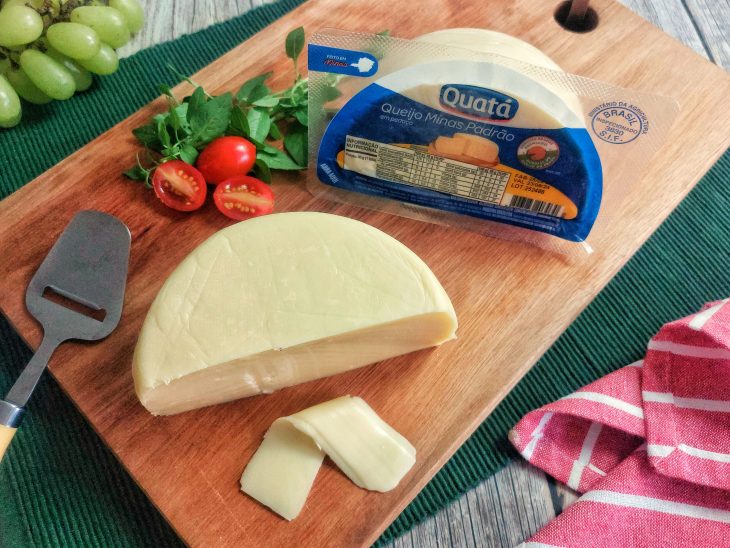
Receiteria
Fresh cheeses do not go through the ripening process. They are ready for consumption right after production. Since they retain a lot of whey, they are moist and mild. Among the best-known is Minas cheese, which has raw curd, a delicate flavor, and low calories.
Burrata and Italian mozzarella (made with buffalo milk) are fresh pasta filata cheeses. Burrata, when cut, has a creamy texture that spreads, resulting in a light, buttery flavor. Mozzarella, on the other hand, has a firm consistency, soft texture, and slight acidity. Other options are: chèvre, cottage, and feta.
Soft cheeses
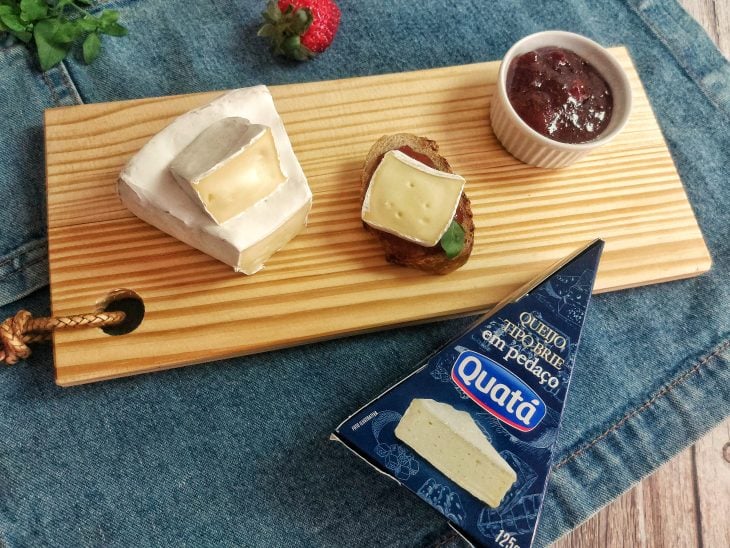
Receiteria
With less moisture than fresh cheeses, soft cheeses have a soft curd. The best-known have mold interference, resulting in a velvety rind, which is why they are also called white mold cheeses. Creamy, they go through the curing process, but not for long.
Brie is one of the most popular soft cheeses. Its flavor is reminiscent of mushrooms, mild and slightly sweet. Camembert has a longer ripening time, which increases its creaminess and the intensity of its slightly buttery flavor. With a semi-soft consistency, Edam has salty, nutty nuances.
Medium-cured cheeses
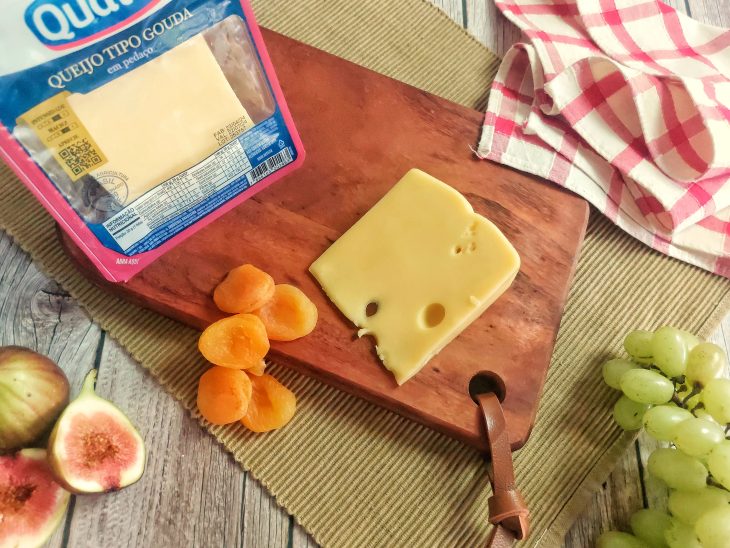
Medium-cured cheeses, as the name indicates, go through a medium ripening period, resulting in a very pronounced flavor, granular texture, and formation of small protein crystals. Most have holes — small openings formed by the internal production of carbon dioxide.
Going through a medium cure, Emmental gains a yellowish color, washed rind, mild and slightly sweet flavor. From the Netherlands, Gouda draws attention with its thin rind and fruity flavor. Gruyère has a stronger flavor, with nutty and honey nuances, plus a creamy texture.
Hard cheeses
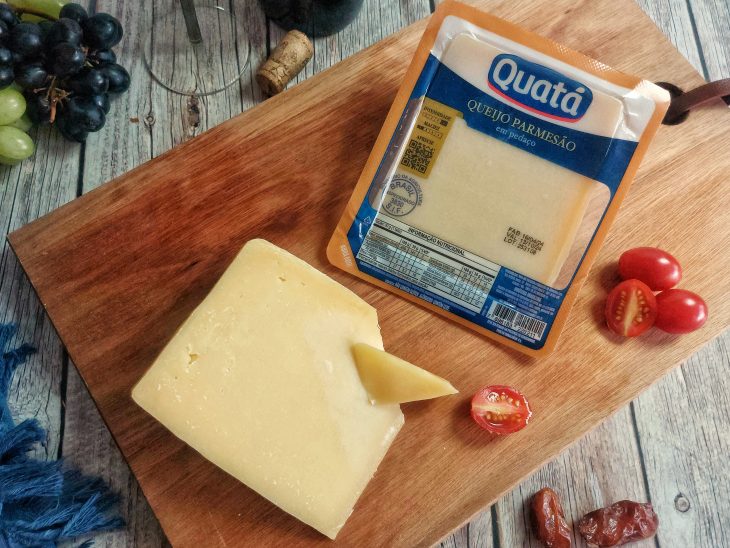
Receiteria
With low moisture and a long ripening process, cured cheeses are hard and well-pressed. Great for gratinating and grating, when young they are buttery and mild. When aged, they gain aromatic characteristics, intense and slightly salty flavors.
Parmesan, for example, has a hard consistency, firm rind, and granular texture. With ripening, its color becomes slightly yellowish and its odor goes from mild to strong. Provolone is famous for its range of flavors, from sweet to spicy. It is also very common for this cheese to undergo a smoking process.
Blue cheeses
Receiteria
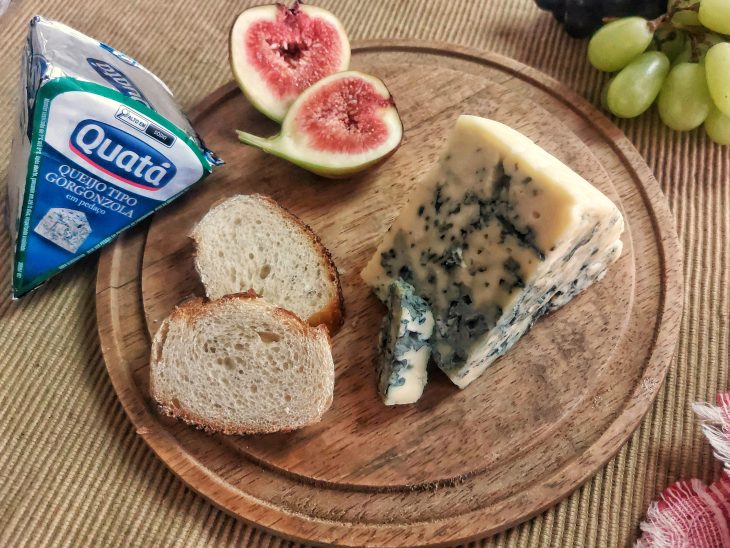
Cheeses gain a distinctive color due to the fungus Penicillium Roqueforti (beneficial to health). Originally, ripening happened by chance in natural caves. Currently, large-scale production adds the mold to the curd.
Gorgonzola is one of the most consumed blue cheeses in Brazil. It has a slightly spicy flavor, semi-soft texture, and strong odor. Roquefort is made from goat's milk; its curd is drier and crumblier.
Types of cheese go far beyond the popular mozzarella that reaches most Brazilians' homes. Take advantage of the diversity of flavors, textures, and ripening to unleash your creativity in the kitchen.
Intensity of cheeses
The more you learn about cheeses, the more you'll be able to enjoy each one's characteristics to create layers of flavor, combinations, and contrasts. Intensity is related to ripening time. Below, check out Président's scale:
- Mild – 0 to 4: cheeses recommended for the beginning of tasting. The best-known are mozzarella (0), Prato (2), Gouda (3), and Estepe (4).
- Moderate – 5 to 7: offers sweet nuances to the palate, combining perfectly with jams. Try Gruyère (5), Brie (6), and Emmental (7).
- Pronounced – 8 to 12: concentrated and strong flavor. Generally, cheeses are saltier and spicier, such as Maasdam (8), Reino (9), Provolone (10), Camembert (11), and Provolone (12).
To assemble a cheese board, for example, it is recommended to go from mild to pronounced. Pair with accompaniments and drinks.
How to choose the type of cheese for each dish?
Receiteria
Start the day with a light and tasty breakfast. Fresh cheeses pair with jams, sweets, toast, and sandwiches. In salads, Italian mozzarella and Minas cheese make all the difference. Avoid heating these cheeses.
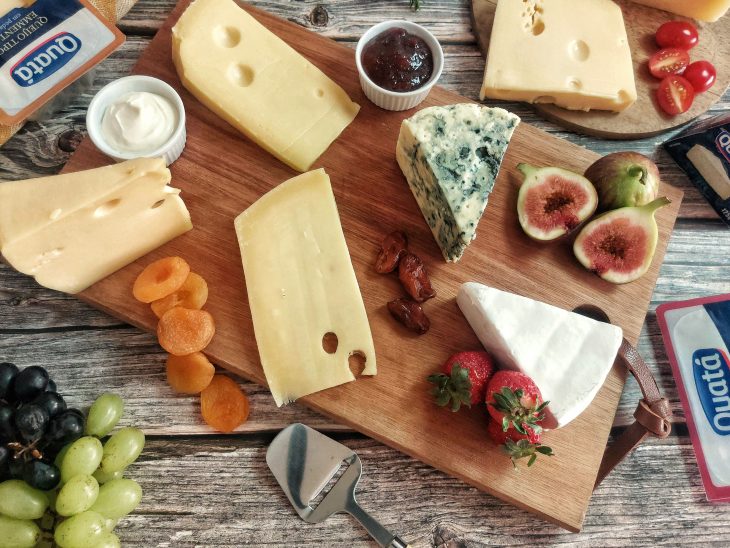
Brie, Camembert, and other soft cheeses can be lightly heated. They are great options to serve with jams and dried fruits. Edam's flavor pairs perfectly with pear, apple, and peach.
For gratinating, cow's milk mozzarella is one of the best-known options. It works great in lasagnas, pizzas, and pies. If you want more pronounced flavors, use Emmental or Gruyère, which melt and stretch. The latter also pairs with soups.
Creamy sauces call for Gorgonzola, Gruyère, Pecorino, and Gouda. A great accompaniment for meats is Provolone sauce. The spicy flavor elevates the dish's level. A sophisticated option is Gorgonzola risotto with pear.
Hard cheeses are used to season dishes. Grated Parmesan goes very well with red sauce pasta. For variety, grate Pecorino or Grana Padano. At a barbecue, coalho cheese is a must. For a pub night, Provolone and salami pair with a cold beer in great style.
Besides food combinations, you also need to think about drinks. When in doubt, white wine is the safest option. However, cheese and wine pairing goes much further. Explore the flavors!
Best Recipes I Love Making at Home
:max_bytes(150000):strip_icc()/Simply-Recipes-Unstuffed-Peppers-LEAD-4-eaeaba3e3e914f428b747104600624b5.jpg)
Cooking homemade meals is one of my favorite ways to enjoy fresh ingredients, save money, and create comforting dishes packed with flavor. From hearty dinners to festive desserts and soft homemade cakes, these easy recipes are perfect for busy weeknights, family gatherings, and special celebrations. I always keep a mix of savory classics and sweet baked treats ready for every occasion.
Easy Chicken and Comfort Food Recipes
When I want simple and satisfying meals, I often prepare recipes from my favorite chicken recipes collection. Some of my go-to dishes include flavorful garlic chicken recipes, rich grandma sauce chicken, homemade chicken shawarma, and authentic homemade doner kebab. I also enjoy making comforting dishes like minced meat soup, stir-fried rice with vegetables, and traditional pepitoria chicken.
Favorite Homemade Desserts and Cakes
For desserts, I love browsing seasonal Christmas dessert recipes and soft homemade cakes from my favorite cake and biscuit recipes. Some standout treats include fluffy chocolate cake, profiteroles with fillings, Italian-style panna cotta, and crepes with Suzette sauce. I also regularly bake homemade apple cake, banana chocolate orange cake, gluten-free lemon yogurt cake, and classic Christmas Yule Log cake.
For even more kitchen inspiration, I also recommend trying this best brine for pork chops recipe to elevate homemade comfort meals with restaurant-quality flavor.







