


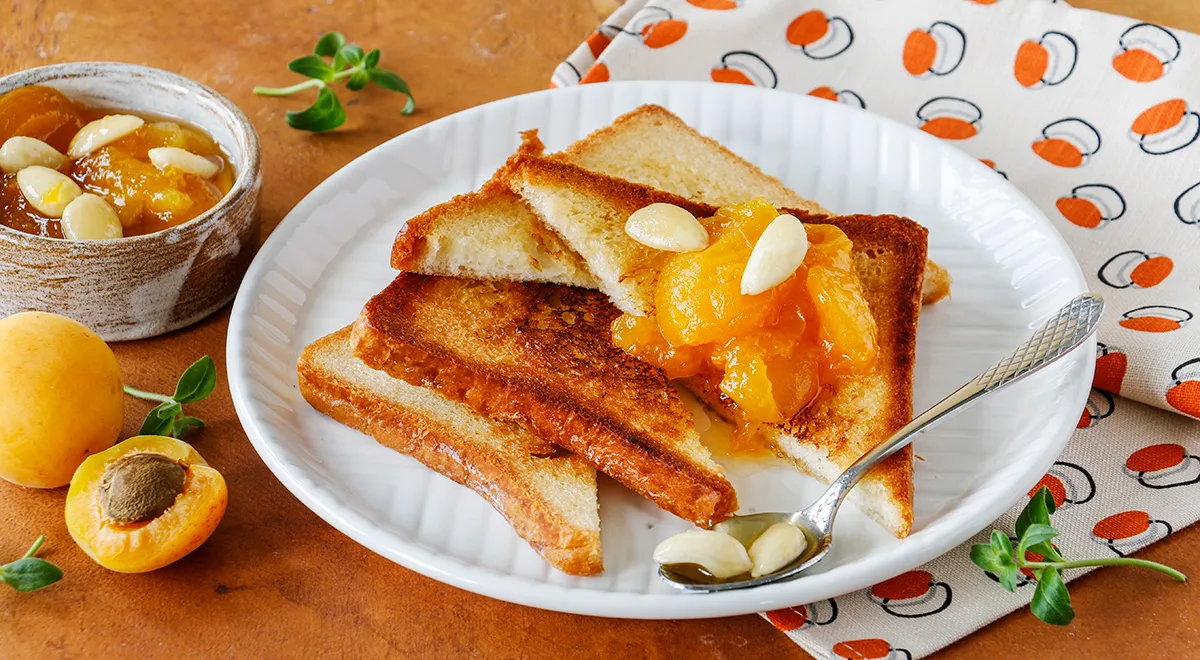
There is something almost poetic about preserving the last golden glow of summer in a jar. This Apricot Jam with Almonds is a sublime balance—tender, sun-ripened apricots suspended in a translucent syrup, punctuated by the satisfying crunch of blanched almonds. It is a recipe that whispers of old-world kitchens, where patience and a gentle hand transform simple ingredients into something extraordinary. Whether you are an experienced canner or a curious beginner, this guide will lead you through every step, from selecting the finest apricots to achieving that perfect, jewel-like set.
The Story Behind Apricot Jam with Almonds
This classic Russian preserve, abrikosovoe varene s mindalem, is cherished for its vibrant color and layered texture. Unlike some jams that cook down to a uniform paste, this one preserves whole apricot halves, each one cradling a sliver of almond. The almonds are first blanched to remove their skins, a gentle process that ensures they remain tender yet firm. The result is a preserve that is equally at home on a warm buttered crumpet or alongside a sharp cheese plate. For more inspiration on preserving summer fruit, explore our guide to the best steam canner, an invaluable tool for safe, efficient canning.

Ingredients
- 1 kg (2.2 lb) apricots – choose firm, fragrant fruit with a deep orange hue
- 600 g (3 cups) granulated sugar
- 100 g (about ¾ cup) blanched almonds
- 50–60 ml (3–4 tablespoons) drinking water, if needed
Quality matters. For the almonds, consider using a dedicated nut butter processor to quickly and evenly chop them, though here we keep them whole for that signature crunch.
Step-by-Step Instructions
Step 1: Prepare the Almonds
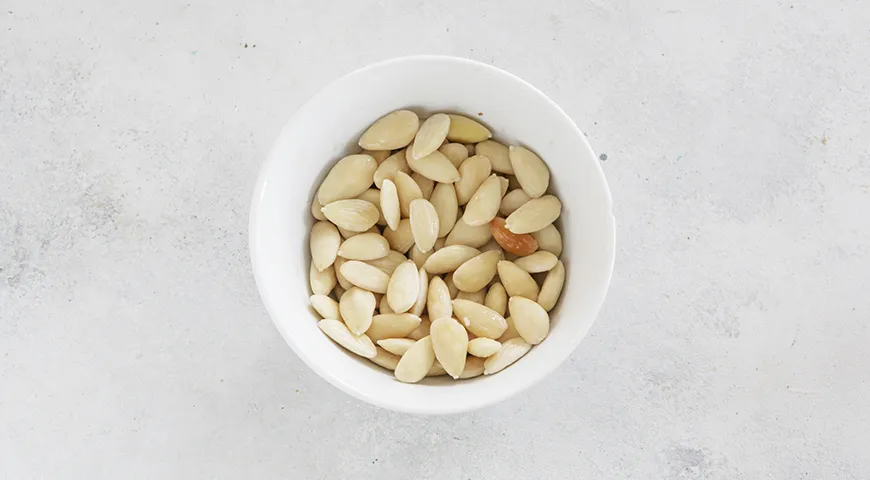
Place the almonds in a heatproof bowl and cover with boiling water. Let them soak for 10–15 minutes, then drain. The skins will slip off easily when you gently squeeze each nut. Rinse and pat dry with a clean towel. Set aside.
Step 2: Prepare the Apricots
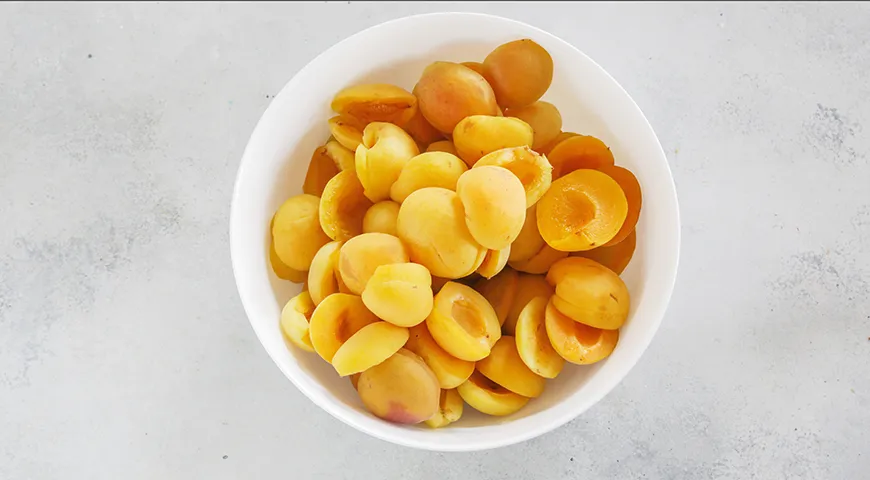
Sort through the apricots, discarding any bruised or overripe ones. Rinse thoroughly under cold running water and drain well. Cut each apricot in half along the natural seam, twist gently, and remove the pit. Leave the halves intact.
Step 3: Combine and Macerate
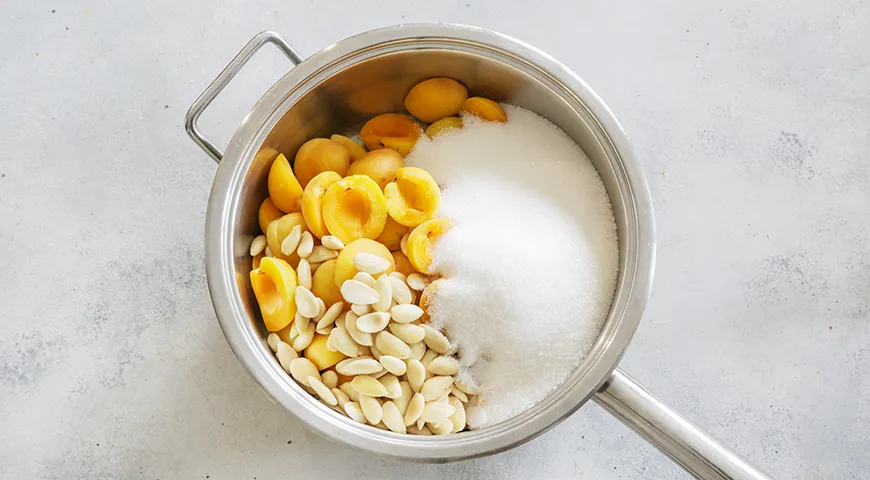
In a heavy-bottomed pot or preserving pan, gently toss together the apricot halves, blanched almonds, and sugar. Stir carefully to coat without crushing the fruit. Cover and let stand at room temperature for 15–20 minutes. During this time, the sugar will draw out the apricots’ natural juices, forming a light syrup.
Step 4: First Cooking and Resting
Place the pot over medium heat and cook, stirring occasionally, until the mixture comes to a gentle boil. If the syrup seems too scant, add the 50–60 ml of water. Reduce the heat to low and simmer for 20 minutes. The apricots will soften but still hold their shape. Remove from heat and let the jam rest for a full 2 hours. This resting period allows the fruit to absorb the syrup and the flavors to meld.
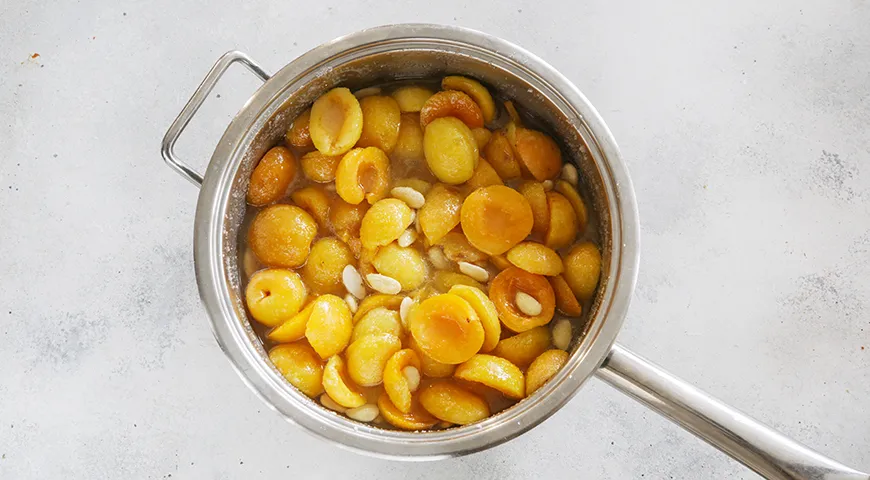
Step 5: Final Boil and Canning
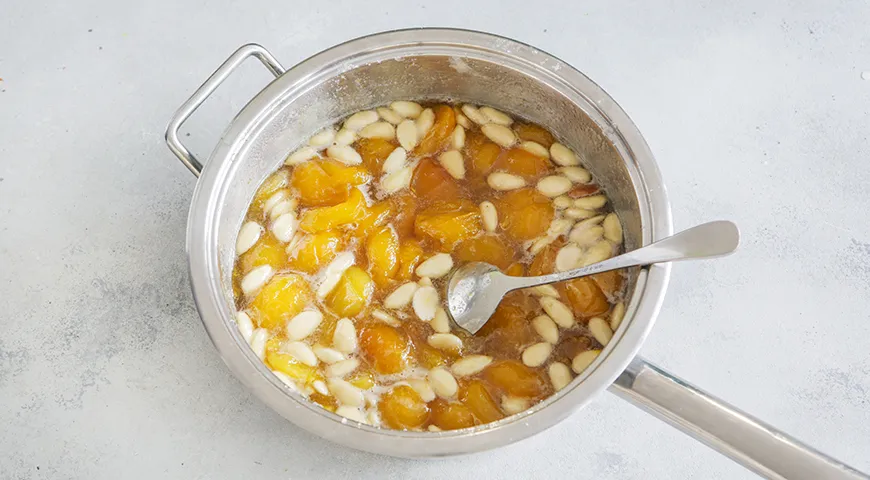
Return the pot to the stove and bring the jam back to a full, rolling boil. Boil for 1–2 minutes, then remove from heat. Immediately ladle the hot jam into sterilized jars, leaving about 1 cm headspace. Wipe the rims clean, seal with lids, and let the jars cool completely at room temperature. Store in a cool, dark place. For precise jar sterilization techniques, refer to our best microwave pressure cooker review – it can double as a sterilizer.
Tips for Perfect Apricot Jam with Almonds
- Avoid overripe apricots: They will break down too quickly, turning the jam mushy. Select fruit that yields slightly but is still firm.
- Use a heavy-bottomed pot: This prevents scorching and ensures even heat distribution. Many home cooks swear by the best commercial countertop convection oven for baking, but for stovetop jam, a quality stainless steel or enameled pot is key.
- Skim the foam: As the jam cooks, a frothy layer may appear. Skim it off with a slotted spoon for a clearer, more beautiful preserve.
- Cool completely before storing: Ensure jars are sealed properly. To check, press the center of each lid; it should not spring back.
- For a smoother texture: After the first cooking, use an immersion blender to pulse the jam a few times. Our best non-toxic immersion blender is a safe, reliable choice.
Delicious Variations
- Spiced Almond Apricot Jam: Add a cinnamon stick and two star anise during the first cooking. Remove before canning.
- Apricot-Lavender Jam: Infuse the syrup with 1 tablespoon dried culinary lavender – a floral twist that pairs beautifully with almonds.
- Bourbon-Infused Version: Stir in 2 tablespoons of best organic vodka or bourbon after the final boil for a grown‑up kick.
- Low-Sugar Alternative: Reduce sugar to 450 g and use a natural pectin powder. Adjust cooking time accordingly.
- Serve with style: Spoon the jam over vanilla ice cream or Greek yogurt. For an elegant brunch, pair it with scones baked in a best air fryer non-toxic or a wall oven microwave combo.
Frequently Asked Questions
Can I use frozen apricots instead of fresh?
Yes, but thaw them completely and drain excess liquid before using. Expect a slightly softer texture. Frozen fruit may require a few extra minutes of cooking.
How long does this jam keep?
Properly sealed and stored in a cool, dark place (like a pantry or a best 48-inch built-in refrigerator), it will last up to 12 months. Once opened, refrigerate and use within 3 weeks.
Why did my jam turn dark brown?
Overcooking or using very high heat can caramelize the sugar, darkening the jam. Keep the heat low and steady. If you notice scorching, immediately lower the temperature.
Can I make this jam without almonds?
Absolutely. Omit the almonds for a classic apricot jam. Alternatively, substitute walnuts or pistachios. For nut‑free version, try adding a vanilla bean.
What is the best way to sterilize jars?
Wash jars and lids in hot soapy water, then submerge in a large pot of boiling water for 10 minutes. A best steam canner simplifies this process. Alternatively, use a dishwasher’s sanitize cycle.
Can I use a food processor to chop the almonds?
Yes, but pulse gently to avoid creating almond butter. A best food processor for nut butter works well, but use short bursts for coarse pieces.
How can I tell when the jam is set?
Perform the cold plate test: place a small dollop on a chilled plate, wait 30 seconds, then push it with your finger. If it wrinkles and doesn’t run, it’s ready. Alternatively, use a candy thermometer – jam reaches setting point at 104°C (220°F).
What should I serve with this jam?
Spread it on warm croissants, toast, or scones. It also pairs beautifully with sharp cheeses like aged cheddar or blue cheese. For a quick dessert, swirl it into yogurt or spoon over pancakes. Enjoy a cup of best George Howell coffee alongside for a perfect afternoon treat.
Can I double the recipe?
Yes, but use a larger pot to prevent boiling over. Increase cooking time slightly, and be extra vigilant with stirring. A best planetary mixer is not needed here, but a heavy-duty pot is essential.
Is it necessary to rest the jam for 2 hours?
Yes – this rest is crucial. It allows the fruit to reabsorb syrup and prevents the jam from becoming too runny. Skipping this step can result in a watery final product.
This Apricot Jam with Almonds is more than just a preserve; it is a taste of late summer, captured in a golden jar. The gentle crunch of almonds against the tender fruit creates a symphony of textures that will brighten any breakfast table. So gather your apricots, take your time, and enjoy the slow, satisfying art of jam making. For more kitchen inspiration, explore our reviews of the best undercounter ice maker machine and the best oil sprayer – every tool in your pantry deserves to be the best.







