



There is something deeply satisfying about a galette – no fussy tins, no precise edges, just free-form pastry cradling a generous mound of fruit. This Apricot Galette captures the essence of summer in every slice: buttery, flaky crust, sweet-tart apricots, and a hint of almond. It is the kind of dessert that impresses without demanding perfection, making it perfect for both casual weeknights and elegant dinner parties. Whether you are a seasoned baker or a novice, this recipe will guide you through creating a masterpiece that celebrates the natural beauty of apricots.
About the Apricot Galette
Originating from the French countryside, the galette is the ultimate rustic tart. Unlike its more formal cousin, the tarte, a galette uses a simple pastry dough that is rolled out, filled, and then folded up around the edges to create a charming, imperfect border. This recipe stays true to tradition but adds a touch of sweetness with honey and a sprinkle of almond flakes for texture. The key to its brilliance lies in the contrast – a crisp, buttery crust against the soft, jammy apricot centers. The technique is forgiving, and the results are always stunning.

For the best texture, we use a combination of cold butter and sour cream in the dough, which yields a tender, almost shortbread-like crumble. The apricots are left in halves or quarters to showcase their shape, and a dusting of starch prevents the juices from turning the base soggy. This galette pairs beautifully with a dollop of vanilla ice cream or a glass of dessert wine, but it is equally delightful on its own.
Ingredients
- 500 g fresh apricots
- 200 g all-purpose flour
- 100 g cold unsalted butter, cut into small cubes
- 100 g cold sour cream (15–20% fat)
- 30 g granulated sugar
- 1 pinch of salt
- 1½ tsp cornstarch (for dusting)
- A little extra sugar and honey for the filling
- 2–3 tbsp almond flakes (for sprinkling)
Note: For the dough, a food processor can save time – use the blade attachment to cut butter into flour quickly. But a fork or pastry cutter works just as well.
Step-by-Step Instructions
1. Make the Dough
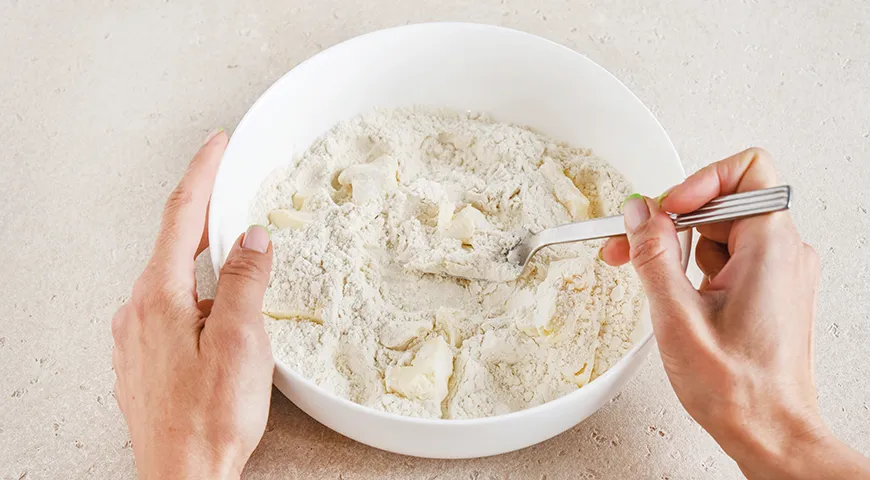
In a large mixing bowl, whisk together the flour, sugar, and salt. Add the cold butter pieces. Using a fork, pastry cutter, or planetary mixer with paddle attachment, cut the butter into the flour until the mixture resembles coarse crumbs with some pea-sized butter bits remaining. This ensures a flaky texture.
2. Add Sour Cream
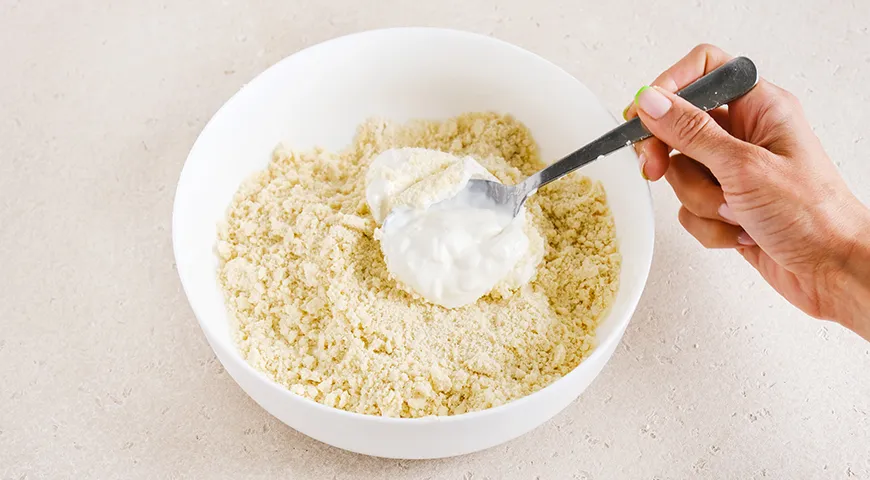
Pour in the cold sour cream and mix gently with a fork until the dough begins to come together. Do not overwork – it will look shaggy. If using a food processor, pulse in short bursts. The dough will be soft but not sticky.
3. Chill the Dough
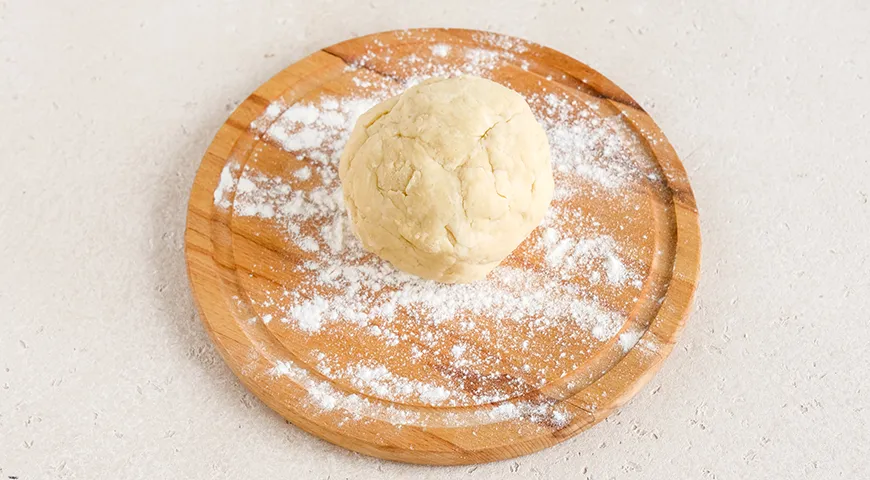
Turn the dough out onto a lightly floured surface. Gently gather it into a ball, then flatten into a disk. Wrap in plastic film and refrigerate for at least 30 minutes. Chilling relaxes the gluten and firms the butter, ensuring a flaky bake.
4. Prepare the Apricots
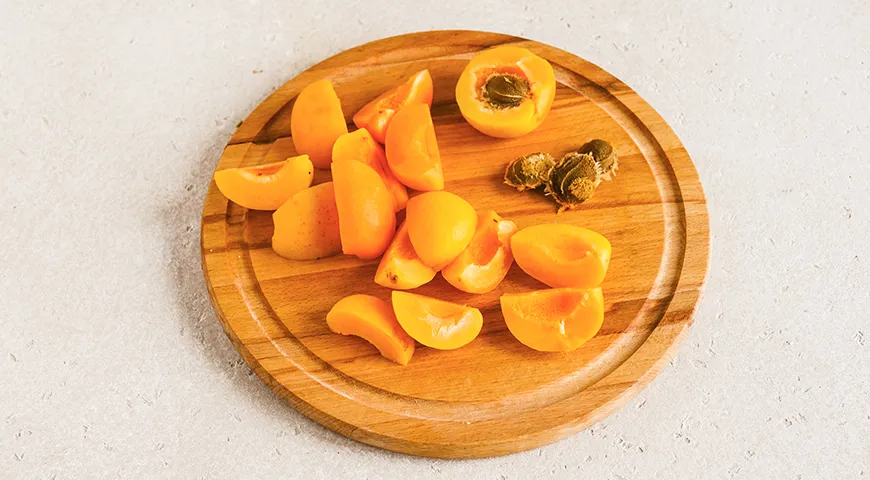
While the dough chills, wash the apricots. Cut them in half and remove the pits. If the apricots are very large, you may quarter them. Set aside. This step can be done up to an hour ahead – store the cut fruit in the refrigerator to keep them firm.
5. Roll Out the Dough
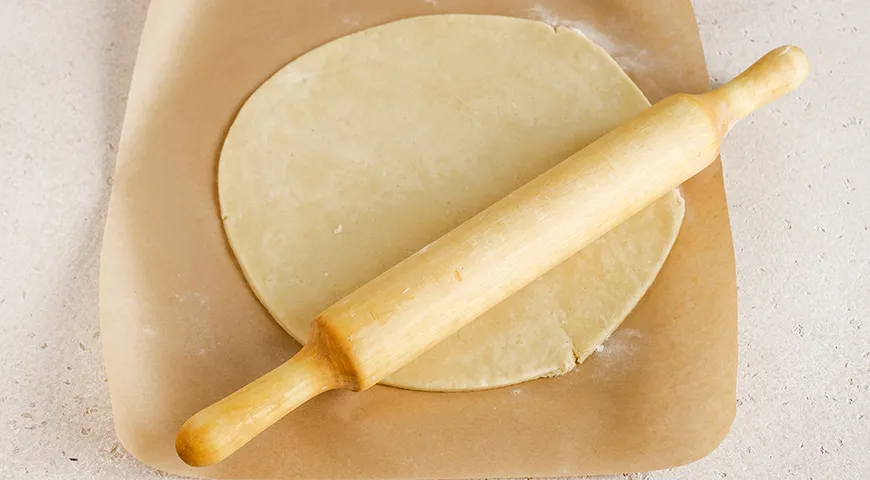
Remove the chilled dough from the refrigerator. On a lightly floured surface, roll it into a circle about 4–5 mm thick. Transfer the rolled dough onto a baking sheet lined with parchment paper. Don't worry if the edges are irregular – that is the charm of a galette.
6. Assemble the Galette
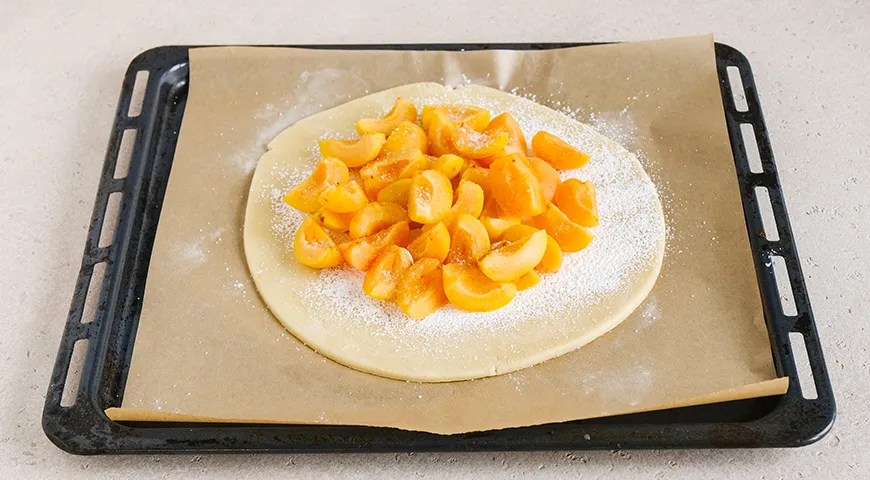
Leaving a 2–3 cm border, sprinkle the dough with cornstarch. This absorbs the apricot juices and keeps the crust crispy. Arrange the apricot halves cut side up in a single layer over the starch. Drizzle with honey and sprinkle with a little extra sugar. The amount of sugar depends on the sweetness of your fruit; adjust to taste.
7. Fold the Edges
Gently lift the border of the dough and fold it over the filling, pleating as you go around the circle. The center remains exposed. The folds should be loose and rustic. Brush the folded dough with a little melted butter or beaten egg for a golden finish.

8. Bake
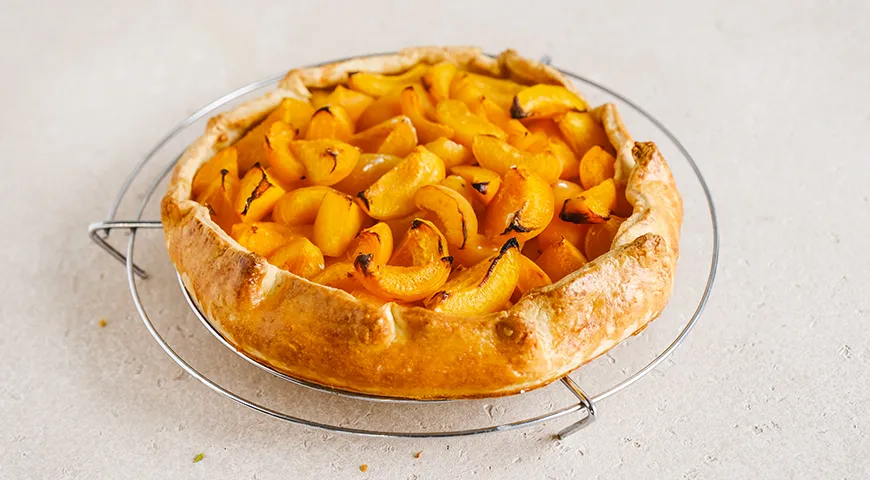
Preheat your oven to 180°C (350°F). Bake the galette for 30–35 minutes, until the crust is golden brown and the apricots are tender and slightly caramelized. The juices should be bubbling. A convection oven may reduce time – check at 25 minutes.
9. Cool and Serve
Transfer the galette to a wire rack and let it cool for at least 15 minutes before slicing. This allows the filling to set. Serve warm or at room temperature, optionally with vanilla ice cream or whipped cream. A sprinkle of almond flakes adds a delightful crunch.
Tips for the Perfect Galette
- Keep all ingredients cold – especially the butter and sour cream. This prevents the dough from becoming tough.
- Do not overwork the dough. Stop mixing as soon as it comes together.
- If the dough cracks while rolling, let it rest at room temperature for a few minutes.
- Use ripe but firm apricots; overripe fruit will release too much liquid.
- For a shiny crust, brush the folded edges with an egg wash made from one egg beaten with a tablespoon of water.
Variations
This galette is wonderfully adaptable. Try substituting apricots with nectarines, peaches, or plums for a different stone fruit experience. In autumn, apples or pears with a pinch of cinnamon work beautifully. For a savory twist, fill with caramelized onions and goat cheese – the same dough, but omit the sugar. You can also add a handful of fresh berries alongside the apricots for a mixed fruit version. If you love nuts, a thin layer of almond paste under the fruit elevates the flavor. Pair with a clean, organic vodka as a surprising digestif, or simply enjoy with a cup of tea.
FAQ
Can I use frozen apricots?
Yes, but thaw them first and pat dry very well to remove excess moisture. You may need to increase the starch slightly. The texture will be softer, but still delicious.
How do I store leftover galette?
Store in an airtight container at room temperature for up to two days. Reheat in a non-toxic air fryer at 160°C for 5 minutes to restore crispness. Avoid refrigerating as the crust will become soggy.
Can I make the dough ahead of time?
Absolutely. The dough can be refrigerated for up to two days or frozen for a month. Wrap tightly. Thaw overnight in the refrigerator before rolling.
Why did my galette leak?
Leaking usually happens if the fruit is too juicy or the starch layer is insufficient. Sprinkle extra starch, and make sure the edges are sealed well. Also, a hot oven helps set the pastry quickly.
What can I use instead of sour cream?
Full-fat yogurt or crème fraîche are excellent substitutes. For a dairy-free version, use a plant-based butter alternative and a splash of cold water, but the texture will be less tender.
For more baking inspiration, check out our guide to Catalan sponge cake or our review of the best built-in refrigerator for storing your ingredients.







