


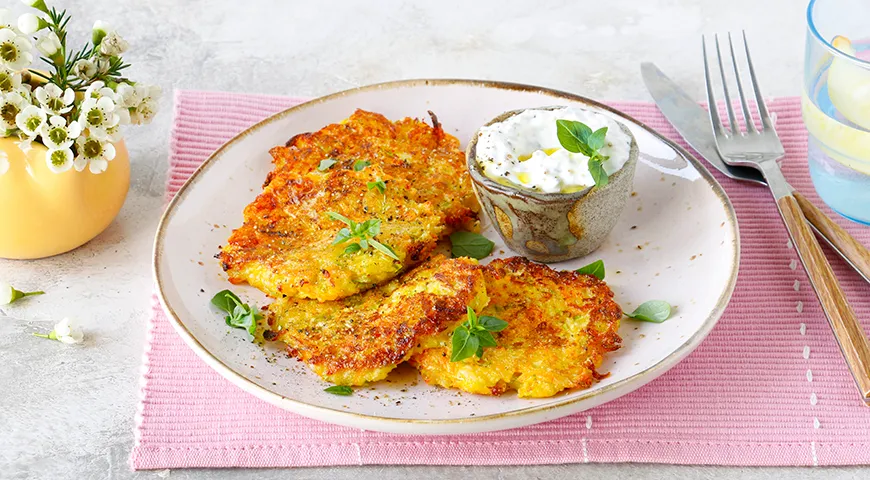
There is something deeply satisfying about a golden, crispy fritter that melts in your mouth with a tender, savory interior. These zucchini fritters with carrot and cheese—known in Russia as oladi iz kabachkov s morkovju i syrom—are a beloved summer staple, transforming humble garden vegetables into a dish that feels both rustic and refined. The combination of grated zucchini, sweet carrot, and mild Adyghe cheese creates a delicate balance of textures and flavors, while semolina and cornstarch ensure a perfectly crisp exterior. Whether served as a light lunch, a side dish, or even a vegetarian main, these fritters are versatile and forgiving. With a few simple techniques and the right equipment, you can achieve restaurant-quality results at home.
About This Recipe
This recipe comes straight from the pages of Gastronom, one of Russia’s most respected culinary magazines, and has been adapted for the modern kitchen. The key to its success lies in two steps: salting the zucchini to draw out excess moisture—a trick that prevents soggy fritters—and using a combination of semolina and cornstarch for structure and crunch. Adyghe cheese, a traditional Circassian cheese similar to farmer cheese or paneer, adds a creamy, slightly salty note that pairs beautifully with the vegetables. If you cannot find Adyghe cheese, a mild feta or ricotta salata will work well. For those who love cooking with fresh produce, a reliable food processor can speed up grating; consider a model like those recommended in our best glass food processor guide for durability and ease of cleaning.

Ingredients
- 600 g zucchini (about 2 medium)
- 200 g carrots (2–3 medium)
- 4 cloves garlic (20 g)
- 1 large egg (C0 size, about 60 g)
- 250 g Adyghe cheese (or substitute with mild feta or farmer cheese)
- 100 g semolina (fine durum wheat semolina)
- 1 tbsp cornstarch (15 g)
- Salt
- Freshly ground black pepper
- Clarified butter or vegetable oil for frying
Note: The quality of your oil matters. For high-heat frying with minimal smoke point issues, we recommend using a best oil sprayer for even distribution, but here you will be shallow-frying with a generous amount of oil. A good non-toxic skillet, such as those discussed in our best non-toxic air fryer roundup (though not an air fryer, the same ceramic or stainless steel principles apply), will help achieve even browning.
Step-by-Step Instructions
Step 1: Prepare the Zucchini
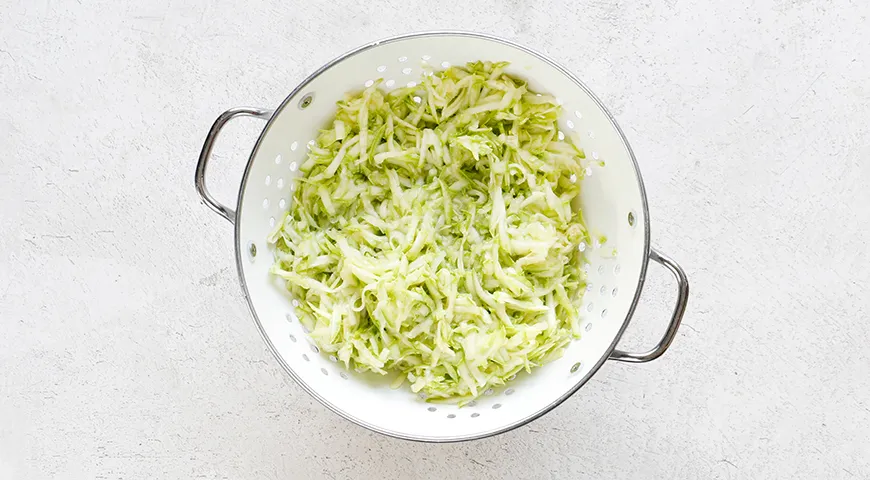
Grate the zucchini on the large holes of a box grater. Transfer to a colander set over a bowl, sprinkle with a pinch of salt, and toss gently. Let stand for 30 minutes to drain excess liquid. This step is non-negotiable: salting draws out water that would otherwise make your fritters soggy. After 30 minutes, press gently with the back of a spoon to remove any remaining liquid. Sprinkle the dry zucchini with cornstarch and toss to coat evenly. The cornstarch will help bind the fritters and create a crisp crust.
Step 2: Grate the Carrots, Cheese, and Garlic
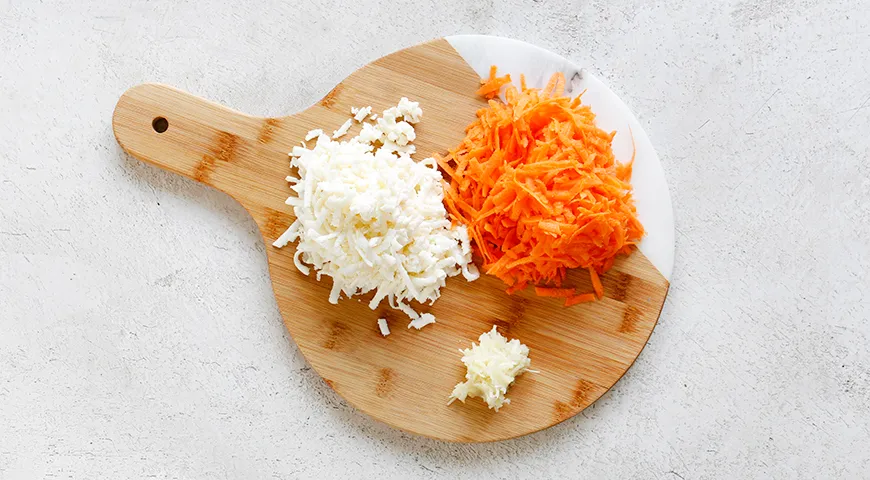
Peel the carrots and grate them on the large side of the grater. Similarly, grate the Adyghe cheese on the large holes. For the garlic, switch to the fine side of the grater or use a microplane—this ensures the garlic flavor permeates without leaving harsh chunks. If you own an immersion blender with a grating attachment, it can save time; check our best non-toxic immersion blender guide for safe, BPA-free options.
Step 3: Combine and Rest the Batter
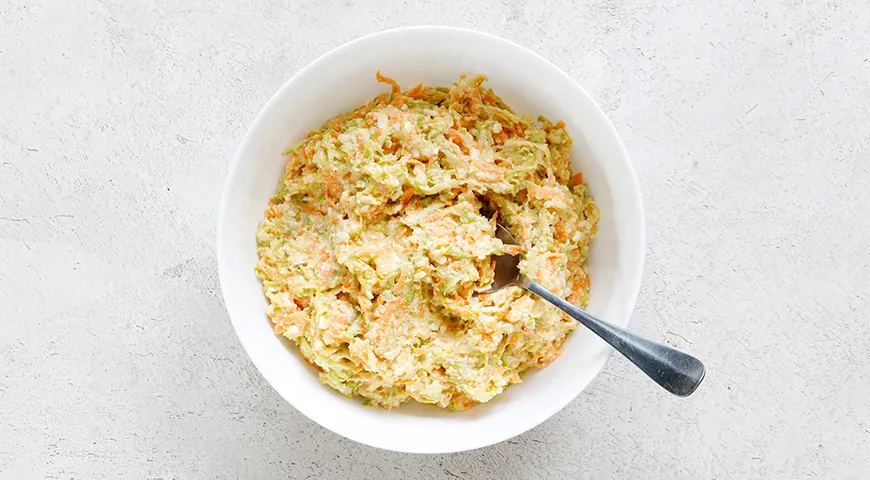
In a large bowl, combine the drained zucchini, grated carrots, cheese, garlic, egg, and semolina. Season with a generous grind of black pepper—be cautious with additional salt because the cheese and initial salting already provide seasoning. Mix until just combined. Let the batter rest for 10–15 minutes. This allows the semolina to absorb moisture and swell, resulting in a cohesive batter that holds together during frying. While you wait, you can prepare your workspace and preheat a heavy-bottomed skillet.
Step 4: Fry the Fritters – First Side
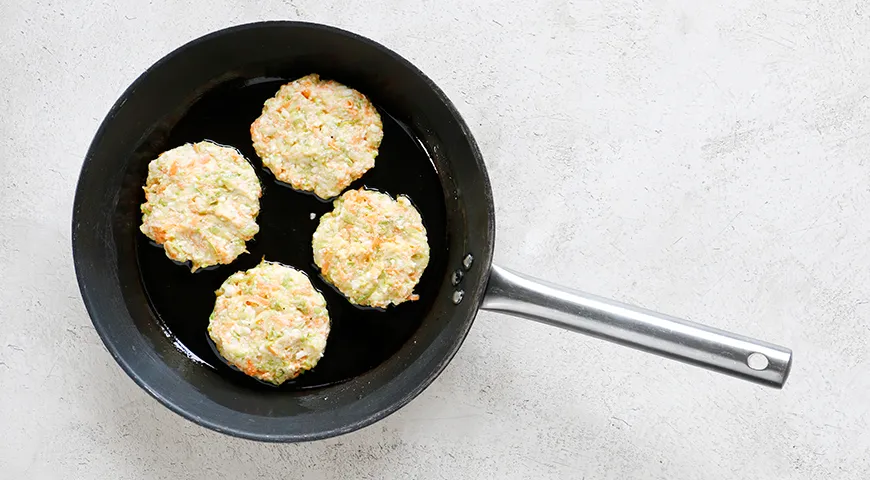
Place a large, heavy-bottomed skillet (cast iron is ideal) over medium heat. Add enough clarified butter or vegetable oil to generously coat the bottom—about 2–3 tablespoons. Once the oil shimmers, drop heaping tablespoons of batter into the pan, leaving at least 2 cm between each fritter to allow for spreading. Do not overcrowd; cook in batches if necessary. Reduce heat to medium-low and cover the pan with a lid. Cook for 2–3 minutes, or until the edges of the fritters appear set and the top is still slightly wet in the center. The lid traps steam, helping the inside cook through while the bottom browns.
Step 5: Flip and Finish
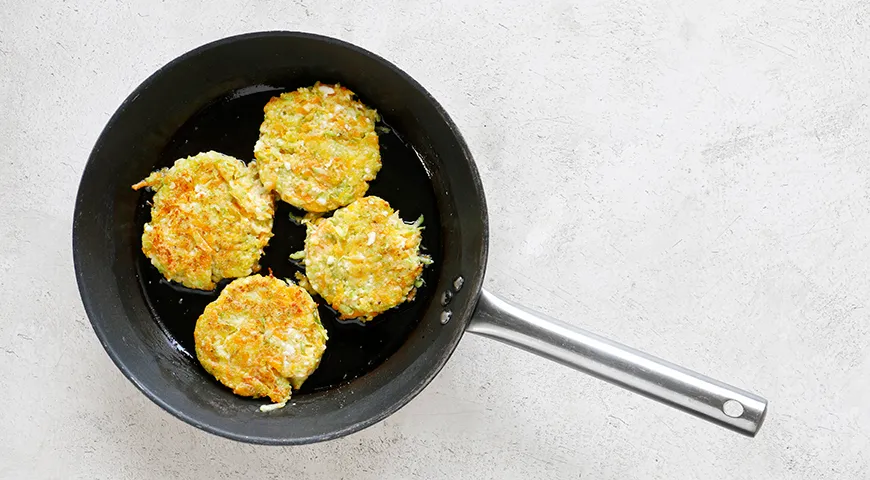
Carefully flip each fritter with a thin spatula. Cover the pan again and cook for another 30–40 seconds, just until the second side is golden brown and the fritters are cooked through. Transfer the finished fritters to a pot or bowl and cover with a lid to keep warm while you fry the remaining batter. This stacking method retains moisture and keeps them tender. Serve hot or warm—these fritters are equally delicious at room temperature, making them perfect for picnics or packed lunches.
Tips for Perfect Fritters
- Don’t skip the salting step. Even if you’re short on time, 30 minutes of draining dramatically improves texture. For a faster alternative, squeeze the grated zucchini in a clean kitchen towel.
- Use a heavy pan. Cast iron or stainless steel retain heat evenly. A lightweight nonstick pan may cause uneven browning. If you prefer nonstick, look for ceramic-coated options highlighted in our best wall oven microwave combo with air fryer review—though that’s an oven, the same material principles apply to skillets.
- Control the heat. Medium-low to medium heat is ideal. Too high, and the outside burns before the inside cooks. Use a lid to help steam the interior.
- Let the batter rest. The 10–15 minute rest is not optional—it allows semolina to hydrate, preventing a gritty texture. For more insights on leavening and resting, see our Catalan sponge cake recipe, which uses a similar resting technique.
Variations & Serving Suggestions
These fritters are endlessly adaptable. Try swapping the carrot for grated zucchini (okay, that’s the same) or adding finely chopped dill, parsley, or chives for a fresh herbal note. For a heartier version, mix in 100 g of cooked quinoa or buckwheat—both add protein and a nutty flavor. If you want a dairy-free option, replace the cheese with 3 tablespoons of nutritional yeast and an extra tablespoon of semolina. Serve with a dollop of sour cream or Greek yogurt, a squeeze of lemon, or alongside a crisp green salad. For a complete meal, pair with a light soup or as a side to grilled meats. The fritters also freeze well: cool completely, then freeze in a single layer on a baking sheet before transferring to a bag. Reheat in a 180°C oven or an air fryer (check our best non-toxic air fryer list for safe options).
FAQ
Can I use something other than Adyghe cheese?
Yes. Mild feta (soaked in water for 10 minutes to reduce salt), ricotta salata, or even halloumi (grated) work well. For a vegan version, crumbled firm tofu with a teaspoon of miso provides savory depth.
Why did my fritters fall apart?
This typically happens if the batter is too wet. Ensure the zucchini is well-drained after salting, and consider adding an extra tablespoon of semolina if the batter looks loose. Also, let the batter rest fully—the semolina needs time to absorb moisture.
Can I bake these fritters instead of frying?
Yes. Preheat the oven to 200°C (400°F). Line a baking sheet with parchment paper and brush with oil. Form fritters on the sheet, brush tops with oil, and bake for 12–15 minutes, flipping halfway. They won’t be as crispy as pan-fried, but they are healthier. For even browning, a best commercial countertop convection oven can provide excellent results.
How do I make these gluten-free?
Replace semolina with an equal weight of fine cornmeal or polenta, and use gluten-free cornstarch (most are naturally GF). The texture will be slightly grainier but still delicious.
Can I use an electric griddle or a pressure cooker?
An electric griddle works at medium heat. For a pressure cooker, it’s not recommended for frying, but you can cook fritters in a best microwave pressure cooker using the steamer basket for a healthier, softer version—though they won’t be crispy.
What’s the best way to store leftovers?
Place cooled fritters in an airtight container in the refrigerator for up to 3 days. Reheat in a skillet with a splash of oil or in a toaster oven. Avoid the microwave, which makes them soggy. For long-term storage, freeze as described above.
Can I skip the cornstarch?
Cornstarch contributes to crispiness. If you don’t have it, substitute with potato starch or rice flour. Avoid using extra semolina, as that will make the fritters too dense.
Final Thoughts
These zucchini fritters with carrot and cheese are a testament to the magic of simple ingredients treated with care. The bright orange of the carrot against the pale green of the zucchini, the golden crust, the creamy interior—every bite is a celebration of summer. Whether you’re a seasoned cook or a beginner, this recipe is forgiving and rewarding. For those who love to experiment in the kitchen, consider pairing these fritters with a glass of crisp white wine, like a Sauvignon Blanc, or even a best sweet wine with high alcohol content for a surprising contrast. Happy cooking!







