


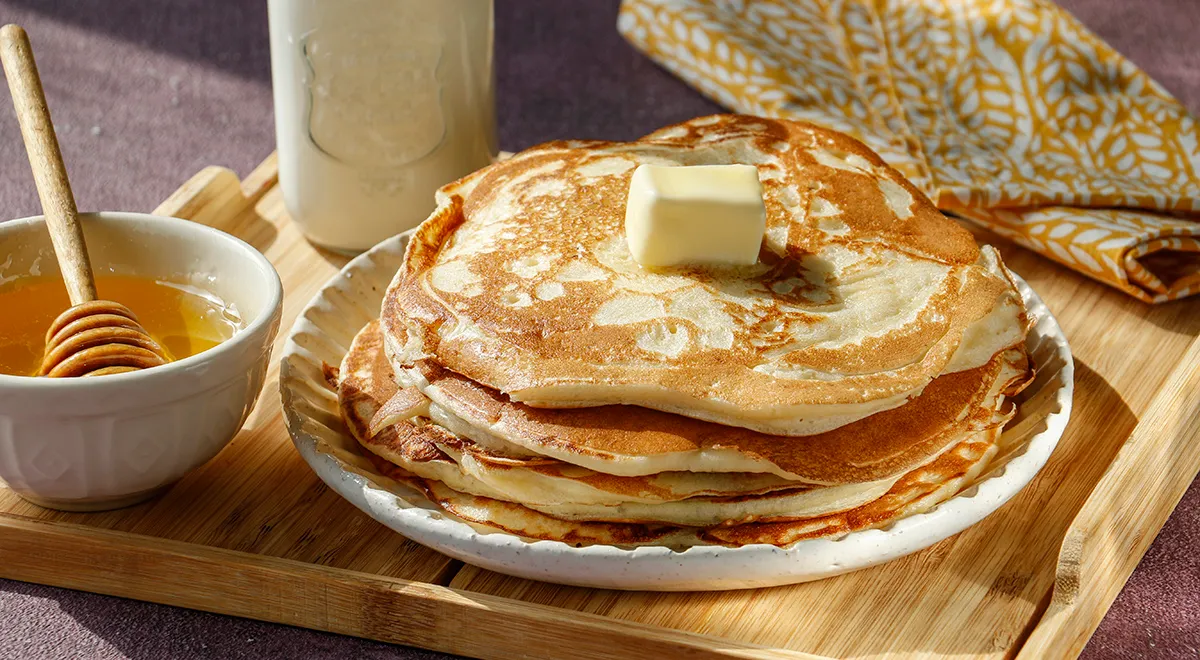
There is something deeply comforting about a stack of blini—delicate, lacy, and suffused with the warm, earthy aroma of yeast. In Russian cuisine, these thin pancakes are a celebration of patience and technique, a dish that transforms humble ingredients into something ethereal. This recipe, a marriage of kefir and yeast, yields blini that are simultaneously tangy and tender, with a subtle resilience that makes them perfect for wrapping around sour cream, caviar, or jam. The secret lies in the kefir: its lactic acidity nourishes the yeast, creating a batter that rises gently and produces an ultra-light crumb. With a few thoughtful steps and a nod to tradition, you can recreate this classic in your own kitchen.
About the Recipe
Kefir, a fermented milk drink, has been a staple in Eastern European pantries for centuries. When used in blini, it acts as a natural tenderizer and flavor enhancer. The yeast adds airiness, while the boiling water (called zavarka in Russian) stabilizes the batter, creating blini that stay soft even after cooling. This recipe from Gastronom.ru is a masterclass in balance—neither too rich nor too lean. It requires no special equipment, just a good whisk and a well-seasoned pan. For those who love exploring traditional cooking methods, our guide to the best planetary mixer can streamline the mixing process, but hand-whisking is perfectly rewarding.

Ingredients
- Wheat flour – 150 g
- Kefir – 250 ml
- Eggs – 2 (room temperature)
- Vegetable oil – 4 tbsp
- Sugar – 1 tbsp
- Salt – ½ tsp
- Dry yeast – 5 g (about 1 tsp)
- Boiling water – 80 ml
- Extra vegetable oil for frying
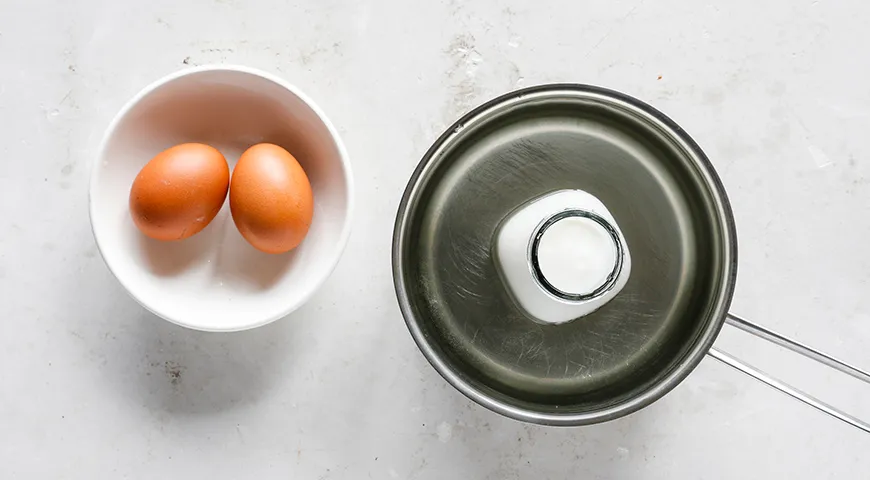
For the best results, use full‑fat kefir and eggs that have been sitting out for at least an hour. The kefir should be gently warmed—placing the bottle in hot water for 10–15 minutes works perfectly. This small step ensures the yeast activates properly. If you’re looking for a non‑toxic immersion blender to buzz your batter smooth, check our picks for the best non‑toxic immersion blender.
Step-by-Step Instructions
Step 1: Prepare the Base
In a large bowl, combine half the flour with the yeast, sugar, and salt. Stir with a spatula, then pour in the lukewarm kefir. Whisk until smooth—no lumps yet. Cover with a kitchen towel and let the sponge rest in a warm spot for 30–40 minutes. The mixture will become frothy and double in volume.
Step 2: Add Eggs and Remaining Flour
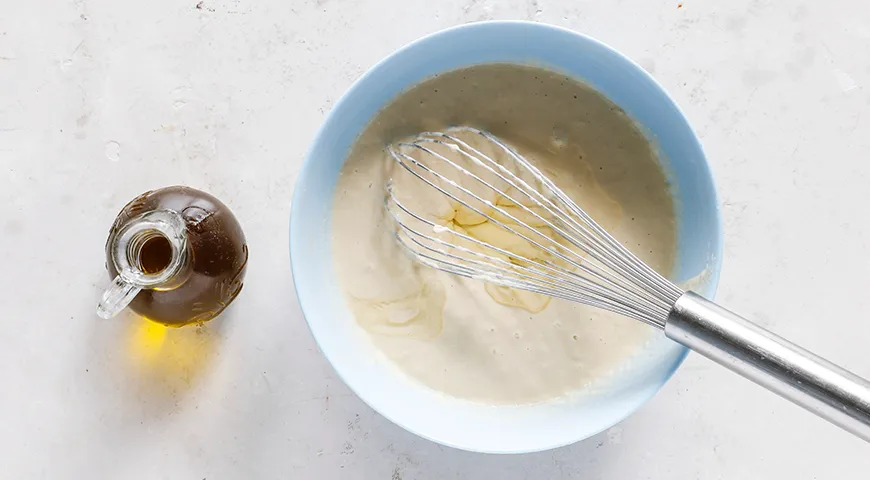
In a small bowl, beat the eggs with a fork until yolk and white are combined. Pour them into the risen sponge. Add the remaining flour and the 4 tablespoons of vegetable oil. Stir vigorously until the batter is homogeneous—no flour streaks remain. This is where a good whisk or even a best glass food processor can save you effort.
Step 3: The Boiling Water Trick
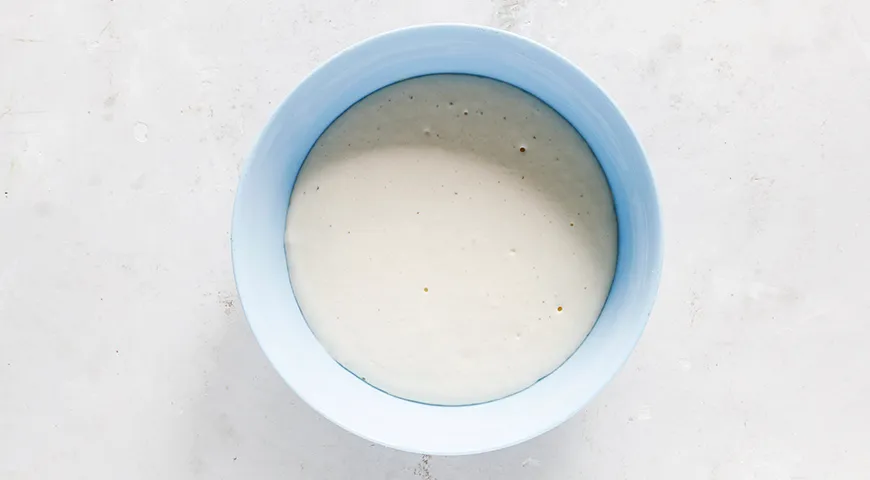
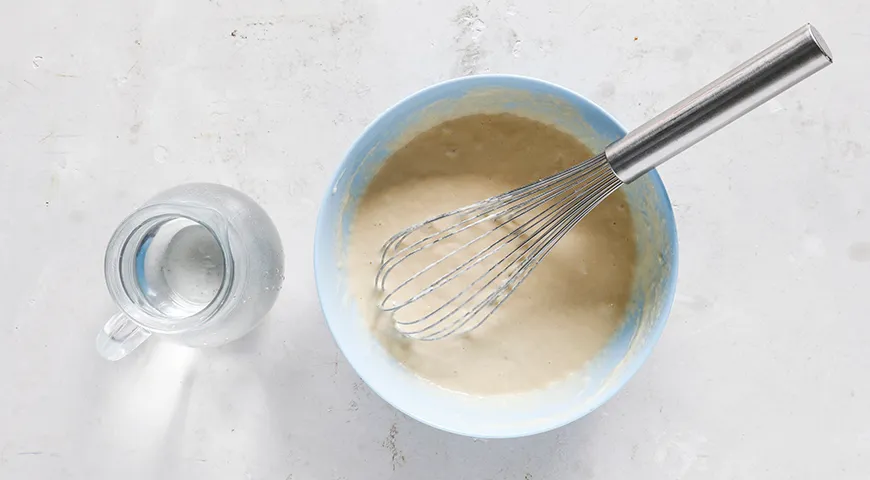
While still mixing, slowly pour in the 80 ml of boiling water in a thin stream. This zavarka technique gelatinizes the starch, giving the blini a silkier texture. The batter will thin slightly. Let it rest for another 20 minutes at room temperature. It will bubble again, becoming aerated and ready.
Step 4: Heat the Pan
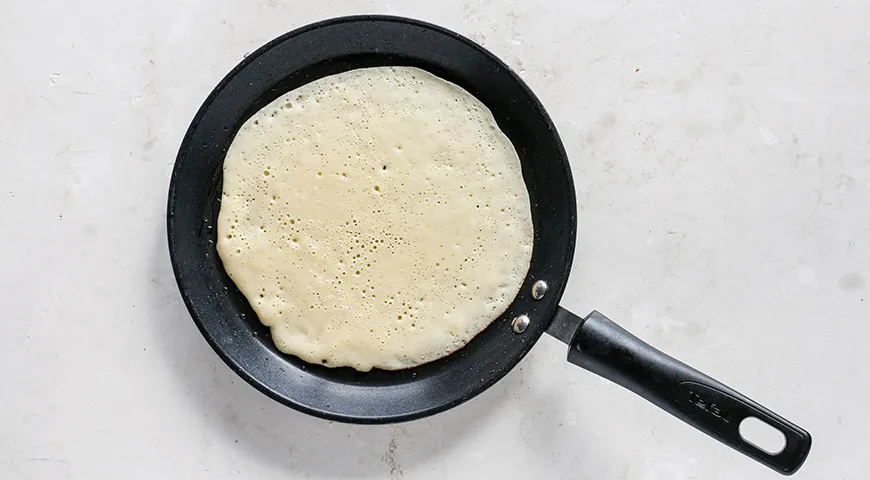
Place a crepe pan (18–20 cm diameter) over medium–high heat. Lightly oil the surface. Ladle about 60 ml of batter into the center, then quickly tilt the pan to spread it thinly. Cook for about 1 minute until the edges are golden and the top appears set.
Step 5: Flip and Finish
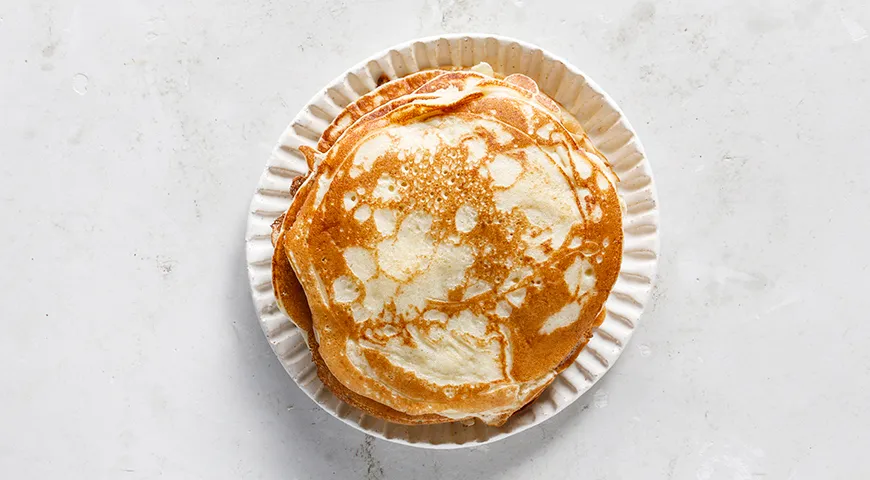
Using a thin spatula, flip the blini. Cook for another 45–50 seconds on the second side, until lightly browned. Stack the finished blini on a plate. Repeat with the remaining batter, adding a touch more oil to the pan as needed.
Step 6: Serve Warm
The blini are at their best fresh off the pan. Serve them with sour cream, melted butter, jam, or red caviar. To keep them warm while you finish the batch, place them in a 100°C oven on a plate covered with foil. If you like to experiment with coffee pairings, try a light roast from our list of best George Howell coffee.
Tips for Perfect Blini
- Temperature matters: Cold kefir slows yeast activity. Warm it gently—never hotter than 40°C or the yeast will die. Using a best microwave pressure cooker can quickly heat liquids, though a hot water bath is more controlled.
- Rest the batter: The two rests (sponge and final) are non‑negotiable. They develop flavor and structure. If you’re in a hurry, you can skip the second rest, but the blini will be less tender.
- Pan selection: A non‑stick or well‑seasoned cast‑iron pan is ideal. For consistent results, an best oil sprayer gives you a light, even coating of oil without pooling.
- Make ahead: Blini freeze beautifully. Stack them with parchment paper between each, wrap tightly, and freeze. Reheat in a dry pan or in the oven. An best non‑toxic air fryer can crisp them up in minutes.
Variations
- Buckwheat blini: Substitute 50 g of wheat flour with buckwheat flour for a nuttier, earthier flavor. They pair wonderfully with smoked fish.
- Sweet blini: Increase sugar to 2 tbsp and add a teaspoon of vanilla extract. Serve with berries, whipped cream, or a drizzle of honey. Use an best espresso machine under $2000 to brew a strong coffee to balance the sweetness.
- Savory blini: Omit the sugar and add chopped dill, chives, or minced garlic to the batter. Fill with sautéed mushrooms or cheese.
- Gluten‑free version: Use a 1:1 gluten‑free flour blend. Add ½ tsp xanthan gum if the blend doesn’t include it. The batter might be slightly thicker—adjust with a splash of milk. For effortless blending, a best wheatgrass juicer isn’t needed, but a simple whisk works.
FAQ
Why is my blini batter too thick?
The batter should be the consistency of heavy cream. If it’s too thick after adding the boiling water, stir in a tablespoon of warm milk or additional kefir. Avoid adding cold liquids, as they can shock the yeast.
Can I use instant yeast instead of active dry?
Yes, but reduce the amount to 4 g and skip the first resting period. Mix it with the flour and kefir directly. Let the batter stand for 20 minutes after adding all ingredients. This method yields slightly less tang but still excellent texture.
How do I prevent blini from tearing?
Make sure the pan is hot enough—a drop of water should sizzle. Also, don’t oversaturate the pan with oil; use a brush or spray. If the batter is too thin, add a teaspoon of flour. Using a reliable best 48‑inch built‑in refrigerator to keep your kefir cold until ready to warm is a smart habit.
Can I make the batter the night before?
Yes. Prepare the sponge and add all ingredients except the boiling water. Cover and refrigerate for up to 12 hours. The next day, let it come to room temperature for 30 minutes, then stir in the boiling water and proceed. The flavor deepens nicely. For storing leftovers, a best undercounter ice maker ensures your drinks stay chilled while you cook.
What fillings work best with these blini?
Traditional Russian pairings include sour cream and salmon roe, melted butter with honey, or cottage cheese mixed with dill. For a modern twist, try avocado and smoked salmon, or Nutella and banana. If you’re serving a crowd, a best coffee maker for Airbnb can keep the coffee flowing alongside the blini.
Why did my blini turn out rubbery?
Over‑mixing the batter develops gluten, which makes blini tough. Stir just until combined—lumps are fine; they dissolve during resting. Also, avoid cooking on too high heat, which can set the outside before the inside cooks.
Can I use buttermilk instead of kefir?
Buttermilk is a good substitute, though it lacks kefir’s probiotic complexity. Use the same amount and warm it slightly. For a tangier profile, add a teaspoon of lemon juice or vinegar to the buttermilk. If you’re exploring other cultured dairy, our article on best chocolate covered raisins offers a sweet contrast.
These yeast and kefir blini are a testament to the magic of fermentation—a simple batter transformed into a stack of golden, tender pancakes. With patience and a few pro tips, you’ll create a dish that feels both rustic and refined. Whether you serve them for a celebratory breakfast or a cozy supper, they bring a taste of Russian tradition to your table. For more inspiration, browse our collection of Catalan sponge cake recipes or discover the best organic vodka to pair with a blini spread.







