


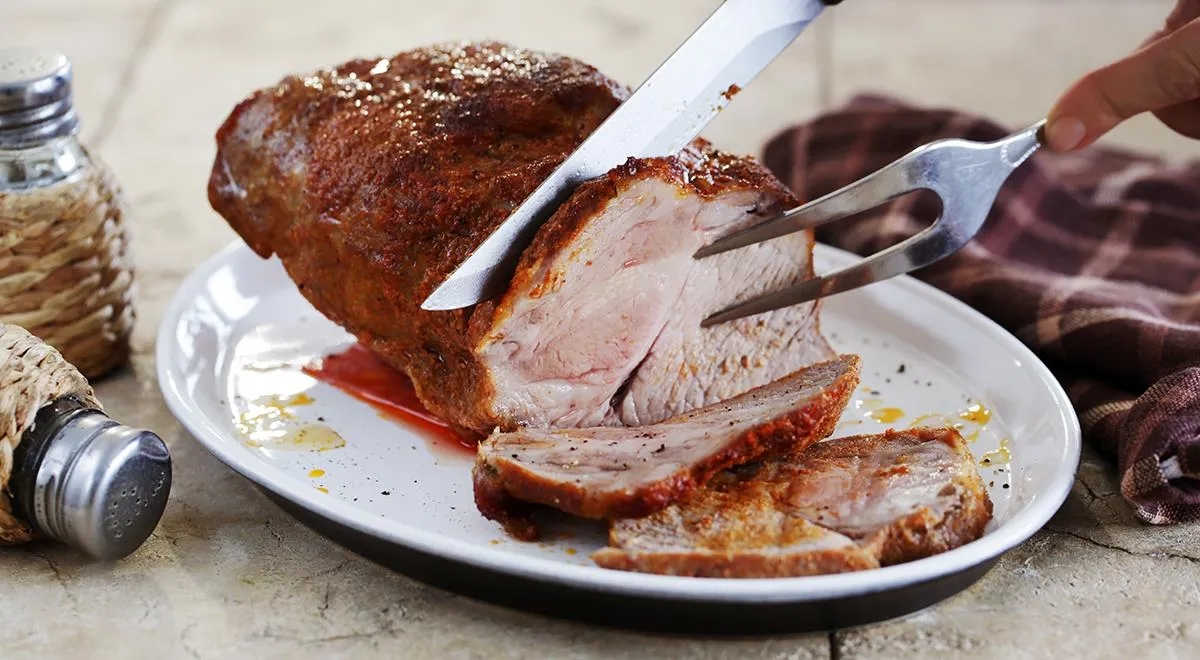
There is something profoundly satisfying about a single, magnificent cut of pork emerging from the oven—bronzed, fragrant, and impossibly tender. This Whole Roasted Pork in a Bag recipe, known in Russian as Svinina v rukave tselikom, transforms an unassuming piece of pork shoulder into a week’s worth of culinary treasures: a stunning Sunday dinner one night, and the most exquisite homemade buzhenina (cold roasted pork) for sandwiches the next. The secret lies not in complicated techniques but in choosing the right cut—pork neck (shoulder) with its generous marbling of fat—and letting the steam trapped in a roasting bag work its gentle magic. The result is meat so succulent it scarcely needs more than a pinch of salt, yet our blend of sweet paprika, sugar, and garlic elevates it to something truly regal.
About This Recipe
This dish is a cornerstone of home cooking across Russia and Eastern Europe, where oven-roasted meats are a beloved centerpiece for festive gatherings and quiet family dinners alike. The technique of roasting in a sealed bag—a rukav—ensures that every drop of juice stays inside, basting the meat as it cooks and producing a texture that is fork-tender without being dry. Unlike open roasting, there is no need for constant basting or worry about overcooking. A final, brief stint in the oven after opening the bag gives the surface a beautiful golden crust. For those who appreciate kitchen efficiency, this method is a revelation. If you love exploring foolproof cooking methods, you might also enjoy our guide to the best non-toxic air fryer for similar hands-off results.

Ingredients
- 1.5 kg pork neck (shoulder), in one piece
- 1 tablespoon sweet ground paprika (10 g)
- 1 teaspoon dried ground garlic (optional)
- 1 tablespoon sugar (15 g)
- 1 tablespoon salt (15 g)
The ingredient list is deliberately short, allowing the quality of the pork and the simple spice rub to shine. For precision in measuring such spices, a reliable best food processor for nut butter can also grind whole spices if you prefer to create your own rub from scratch.
Step-by-Step Instructions
Step 1: Prepare the Spice Rub
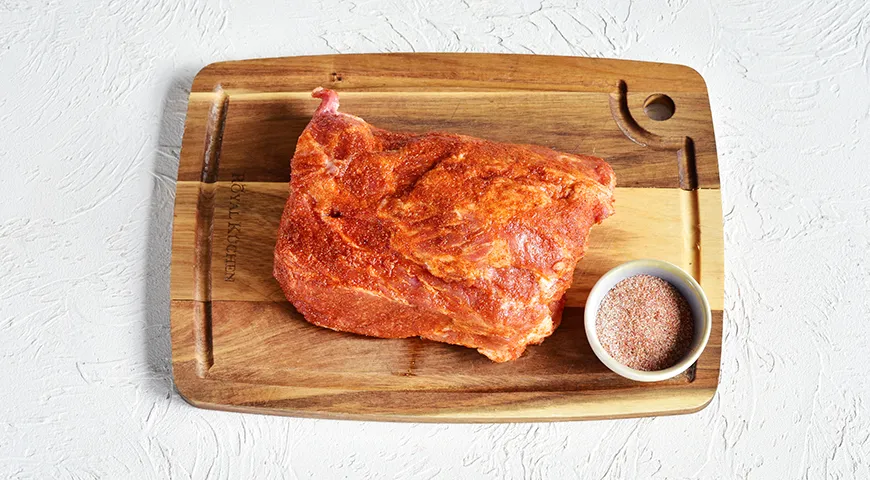
In a small bowl, combine the sweet paprika, dried garlic (if using), sugar, and salt. Mix thoroughly. Using your hands, rub the mixture evenly over the entire surface of the pork shoulder, massaging it into every crevice. Let the meat rest uncovered at room temperature for 30 minutes. This allows the salt to begin penetrating and the flavors to meld.
Step 2: Preheat the Oven and Prepare the Bag
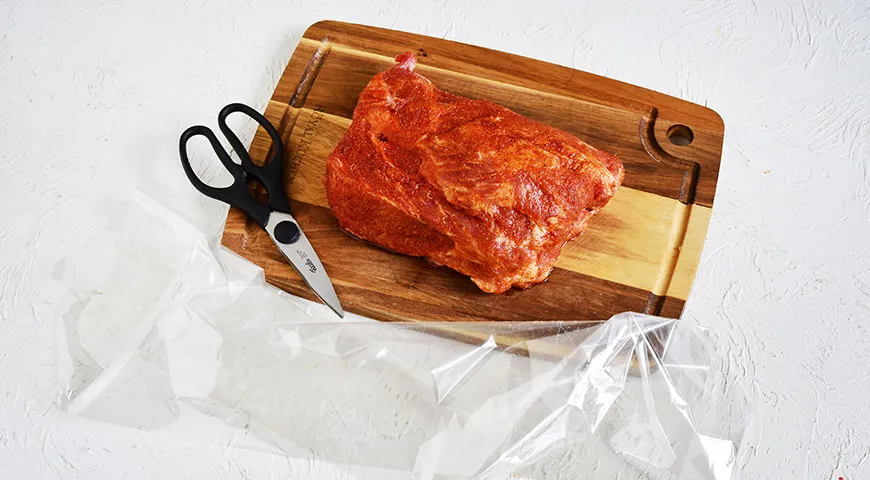
Preheat your oven to 190°C (375°F) using the top-bottom heating mode (no convection). Line a baking sheet with parchment paper just in case. Cut a piece of roasting bag film long enough to enclose the meat with about 9–10 cm of extra film on each side for sealing—so total length equals meat length plus 18–20 cm.
Step 3: Seal and Position the Meat
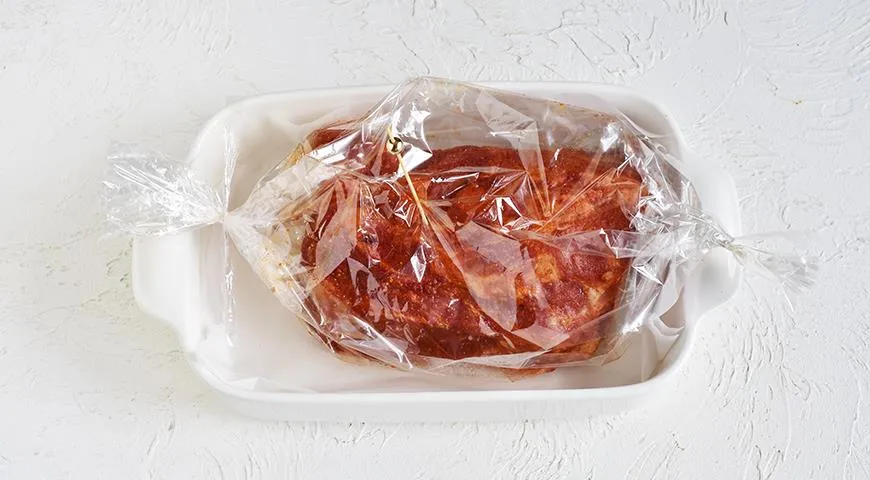
Secure one open end of the bag with a clip. Place the seasoned pork inside, then seal the remaining end with a second clip. Lay the bag on the prepared baking sheet with the side that has tiny steam holes facing upward. If your bag has no holes, puncture a few with a needle or toothpick—otherwise steam pressure may burst the bag.
Step 4: Roast and Reduce Temperature
Place the baking sheet in the center of the oven. After 10 minutes, reduce the temperature to 170°C (340°F) and continue roasting for 1 hour. The initial high heat kickstarts browning, while the lower temperature ensures gentle, even cooking. For other recipes that benefit from precise temperature control, check our review of the best wall oven microwave combo with air fryer.
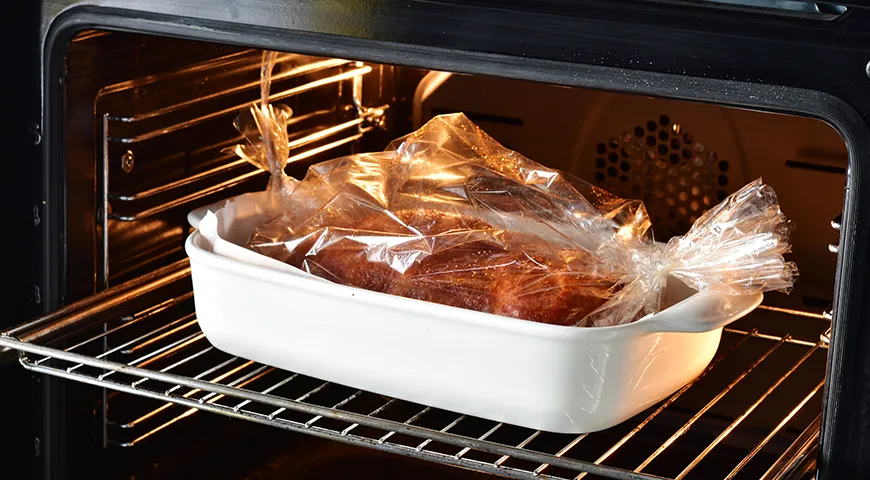
Step 5: Finish for a Golden Crust
Carefully remove the baking sheet from the oven. Using scissors or a knife, cut open the top of the bag along the center, being cautious of escaping steam. Gently pull the edges aside. Return the uncovered pork to the oven and roast for another 10 minutes. This final blast of dry heat creates a gorgeous, caramelized crust. Let the meat rest for 7–10 minutes before slicing to allow the juices to redistribute.
Tips for Perfect Results
- For the most tender outcome, always choose pork neck or shoulder with visible marbling. Lean cuts will not yield the same succulence.
- Letting the rubbed meat rest uncovered is essential—it dries the surface slightly, which helps the crust form later.
- If you lack a roasting bag, a Dutch oven with a tight lid works similarly, though you will miss the direct steam effect. For other versatile kitchen tools, explore the best planetary mixer for dough and more.
- Always place the bag with steam holes upward. This prevents bursting and allows even steam circulation.
- Use an instant-read thermometer to check doneness: 63°C (145°F) for medium, 71°C (160°F) for well-done. The rest time will carry it a few degrees higher.
Variations
While classic paprika-garlic rub is divine, feel free to experiment. Add a teaspoon of smoked paprika for depth, or substitute the garlic with 1 tablespoon of Dijon mustard for tang. For a herbaceous twist, include dried thyme or rosemary in the rub. If you prefer a sweeter note, brush the meat with honey or maple syrup after the bag is opened. Those who enjoy international flavors might also try our guide to best sweet wine with high alcohol content to pair with this dish.
Frequently Asked Questions
Can I use a different cut of pork?
Yes, but results vary. Boneless pork loin will be leaner and may dry out; reduce cooking time by 15–20 minutes and check internal temperature. Pork butt is an excellent alternative with similar fat content.
Do I have to use a roasting bag?
No, but the bag creates a self-basting steam environment that is difficult to replicate. You can use a covered roasting pan or wrap the meat tightly in foil. However, the crust may be less pronounced. For even cooking, an best commercial countertop convection oven can also work well.
Can I double the recipe?
Yes, but use a larger bag and increase roasting time by about 20–30 minutes. Ensure the bag fits loosely in the oven and that steam holes are sufficient. Use a meat thermometer to confirm doneness.
How should I store leftovers?
Wrap tightly in foil or place in an airtight container and refrigerate for up to 4 days. Leftover sliced pork makes incredible sandwiches, salads, or even fried rice. The cold meat is classic buzhenina—slice thinly and serve with mustard or horseradish.
Can I freeze roasted pork?
Absolutely. Slice or portion the meat, wrap in plastic wrap then foil, and freeze for up to 3 months. Thaw overnight in the refrigerator before reheating gently in the oven or microwave. Consider using a best microwave pressure cooker for quick reheating without drying.
What side dishes pair well with this pork?
Classic accompaniments include roasted potatoes, braised cabbage, pickles, or a simple cucumber salad. The rich pork also complements apple sauce or a tangy berry compote. For a complete meal, try serving with the Catalan sponge cake (Pa de Pessic) for dessert.
Why did my bag burst?
Most likely because the steam holes were missing or blocked. Always ensure the bag has at least a few small punctures on the top side. Also, avoid overfilling the bag—leave some space for steam expansion.
Conclusion
Whole Roasted Pork in a Bag is a testament to the beauty of simple, honest cooking. With a handful of spices and a clever technique, you can create a dish that feels both rustic and refined. The resulting meat is versatile enough for a grand dinner or everyday lunches. We invite you to try it and discover why this Russian favorite has earned a permanent place in our kitchen repertoire. For more inspiration on elevating your home cooking, browse our collection of best oil sprayers and other essential kitchen gadgets.







