


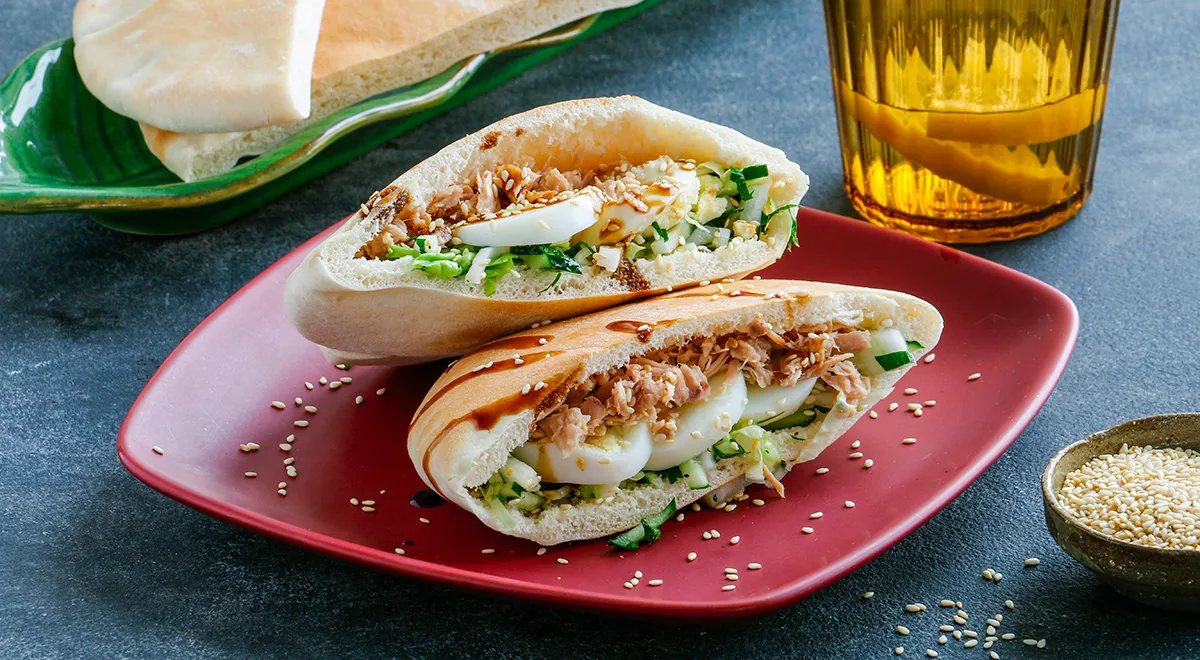
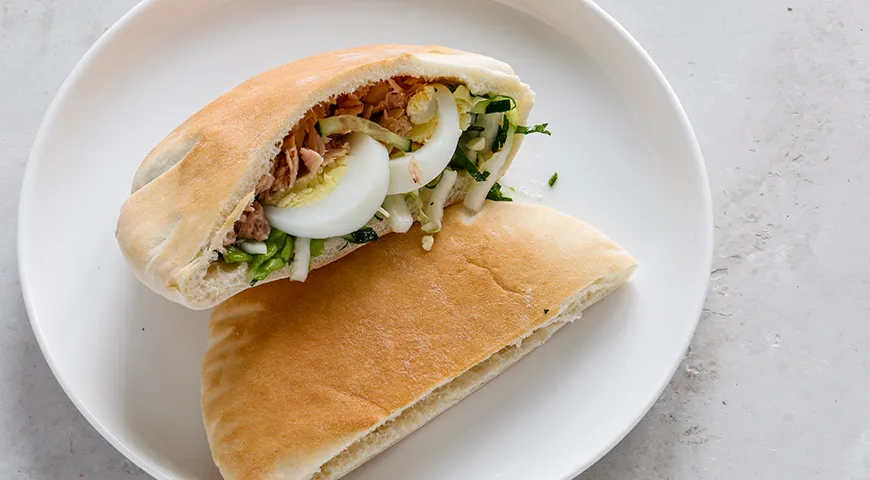
This isn’t just a tuna sandwich—it’s a complete, satisfying meal that even a hungry man will find filling (though perhaps not for long). The secret lies in the perfect pita, ideally 15–17 cm in diameter, which keeps the filling balanced without overwhelming. With tender tuna, creamy egg, crisp cabbage, and fresh cucumber, all tucked into a warm pita pocket, this Russian-inspired recipe elevates the humble sandwich to a portable feast. Whether you’re packing lunch for work or craving a quick, nutritious bite, this tuna and egg pita pocket delivers bold flavors and satisfying textures in every bite.
About This Tuna and Egg Pita Pocket
In Russia, open-faced sandwiches are common, but the pita pocket version takes convenience to a new level. The combination of canned tuna in oil, hard-boiled egg, and crunchy napa cabbage creates a contrast of creamy, crisp, and tender. Seasoned with a touch of sesame and fresh herbs, this sandwich is a non-toxic way to enjoy a balanced meal on the go. The recipe is easily adaptable for those who prefer a food processor for chopping vegetables, but a knife works beautifully too.

Ingredients
- 1 medium pita (15–17 cm diameter)
- 1 can (175 g) tuna in oil
- 1 large egg (size C0 or CВ)
- 3 large leaves napa (Chinese) cabbage
- 1 medium cucumber
- 2–3 sprigs cilantro, parsley, or dill
- 1 tsp toasted sesame seeds
- Salt
- Freshly ground black pepper
For dressing, extra oil from the tuna is used, but you can also substitute a castor oil drizzling if desired.
Step-by-Step Instructions
Step 1: Prepare the Egg
Cook the egg hard-boiled: place in a saucepan, cover with cold water, bring to a boil, then simmer for 9–10 minutes. Drain, cool under cold running water, and peel. Slice into thin rounds. A precise egg cooker can help, but a microwave pressure cooker works well for quick cooking.

Step 2: Prepare the Tuna
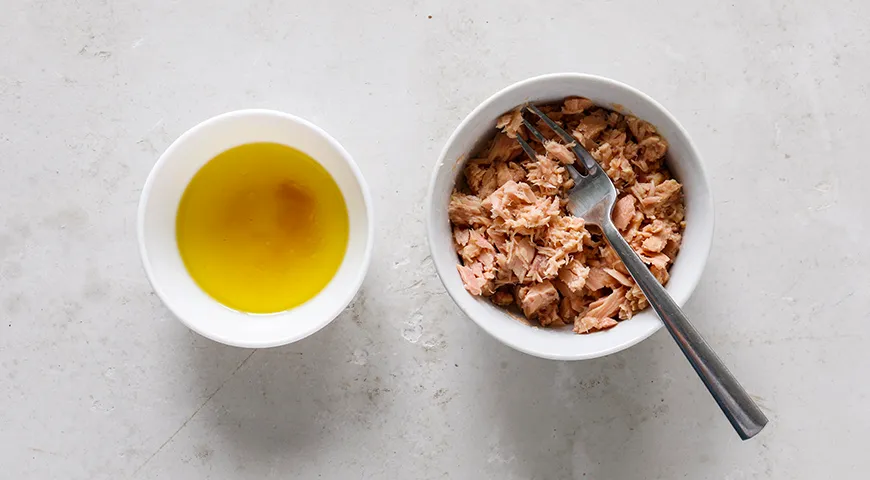
Drain the oil from the tuna into a small bowl. Flake the tuna with a fork. Reserve the oil for dressing the salad. For an even fluffier texture, you can pulse the tuna briefly in a glass food processor.
Step 3: Make the Salad
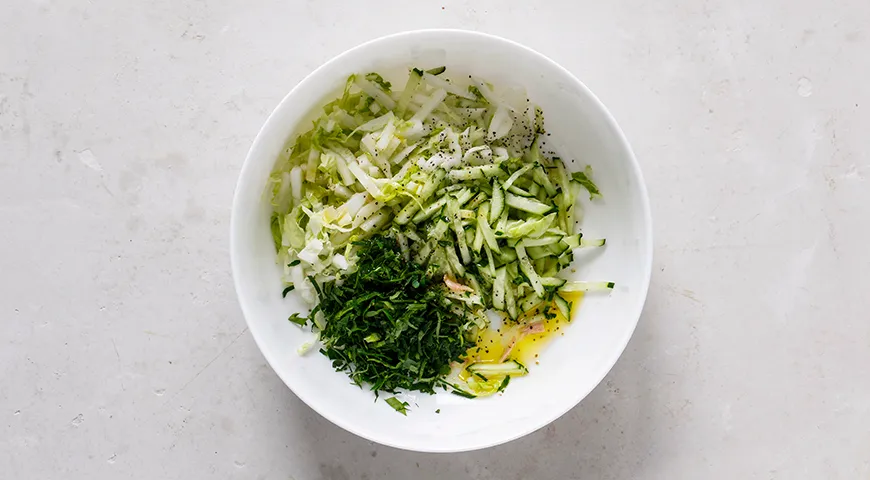
Slice the napa cabbage and cucumber into thin, short strips. Finely chop the herbs. Combine cabbage, cucumber, and herbs in a bowl. Season with salt and pepper, then toss with the reserved tuna oil. The oil adds a savory depth; if you prefer a lighter dressing, try an oil sprayer to coat evenly.
Step 4: Warm and Split the Pita
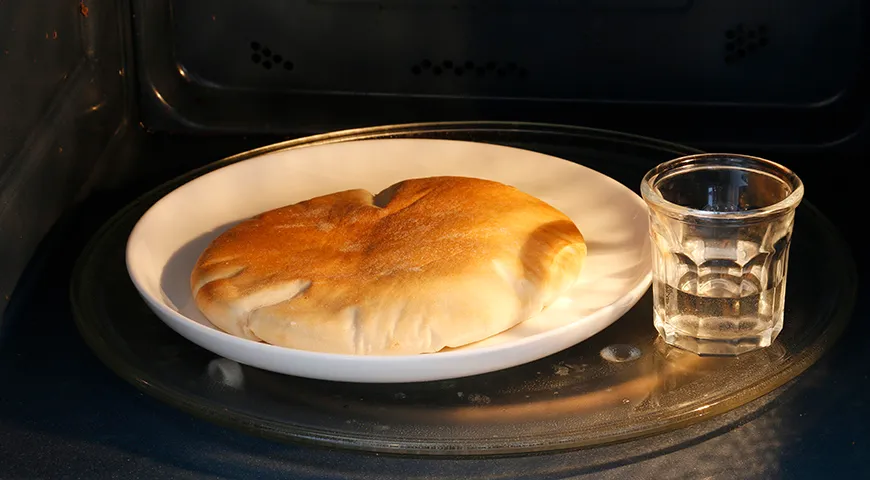
Warm the pita in a toaster or microwave. If using a microwave, place a small glass of water (filled two fingers high) next to the pita to keep it soft. Cut the pita in half to create pockets. Let steam escape. Optionally, brush the inside of each half with more tuna oil for extra flavor. A wall oven microwave combo with air fryer can also toast the pita beautifully.
Step 5: Assemble and Serve
Fill each pita half with the cabbage-cucumber salad, flaked tuna, and egg slices. Drizzle with a teaspoon of oyster sauce or soy sauce for umami. Sprinkle sesame seeds over the filling. Serve immediately, or wrap tightly for a portable lunch. For longer freshness, pack the salad separately and assemble just before eating. A 48-inch built-in refrigerator is perfect for chilling ingredients ahead.
Tips for the Perfect Tuna and Egg Pita
- Pita size matters: Choose a pita around 15–17 cm diameter so the filling-to-bread ratio stays ideal.
- Don’t oversoak: Avoid wetting the cabbage too much—tuna oil should just coat the vegetables, not pool.
- Egg texture: For a creamier yolk, boil the egg for exactly 9 minutes; for firmer, go 10.
- Warming technique: Microwaving with a water glass prevents the pita from becoming tough and chewy.
- Make ahead: Prep the salad and egg the night before; assemble in the morning for a quick breakfast.
Variations to Try
This sandwich is endlessly adaptable. Replace napa cabbage with shredded romaine or iceberg for extra crunch. Swap canned tuna for smoked salmon or shredded chicken. Add a slice of cheese like provolone or mozzarella for richness. For a vegetarian version, use chickpeas and chocolate-covered raisins as a sweet contrast? Not quite—better to stick with hummus and roasted veggies. If you love heat, drizzle sriracha or chili oil. For a larger batch, consider using a planetary mixer to mix salad ingredients if scaling up.
Frequently Asked Questions
Can I use tuna in water instead of oil?
Yes, but the salad dressing may lack richness. Add a tablespoon of olive oil or organic vodka? No—use a neutral oil like avocado oil. Adjust salt as water-packed tuna is less salty.
How do I keep the pita from getting soggy?
Assemble the sandwich just before serving. If packing for later, store the salad separately in an airtight container and fill the pita when ready to eat.
What can I use instead of napa cabbage?
Shredded green cabbage, iceberg lettuce, or even arugula work well. Each adds a different texture—arugula brings a peppery kick.
Is this recipe gluten-free?
The pita is typically made from wheat flour, so not gluten-free. For a gluten-free option, use a gluten-free pita or large lettuce wraps.
Can I add other vegetables?
Absolutely. Thinly sliced bell peppers, shredded carrots, or radishes add color and crunch. For a Mediterranean twist, add chopped sun-dried tomatoes and olives. A steam canner can preserve homemade sun-dried tomatoes if you grow your own.
How long does the filling last in the fridge?
Store leftover salad (without sauce) and flaked tuna separately for up to 2 days. Cooked egg slices keep for 1 day—slice fresh for best texture.
What seasonings go well besides sesame seeds?
Try furikake, everything bagel seasoning, or a dash of smoked paprika. For a lava flavor profile? Not exactly, but a pinch of cayenne adds heat.
Can I use this filling in a wrap instead of pita?
Yes, use a large tortilla or lavash. Roll tightly and slice in half for a similar portable meal. A commercial countertop convection oven can warm tortillas evenly.







