


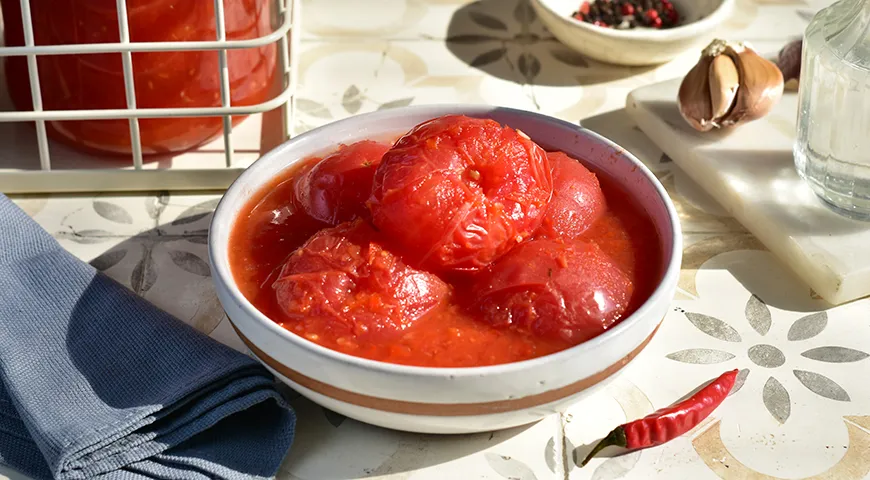
Imagine the height of summer preserved in a jar: plump, juicy tomatoes steeped in a silky, intensely flavorful tomato juice brine. This Russian classic, pomidory marinovannye v tomatnom soke, transforms a bumper crop into a pantry treasure. The secret lies in the double-tomato treatment — the fruit itself and a marinade made from freshly pressed juice, creating a harmonious, drinkable elixir that’s both savory and slightly sweet. Whether you’ve harvested your own or found a market bounty, this recipe yields a versatile condiment, a zesty appetizer, or a base for a bold Bloody Mary. The key is balance: salt, sugar, and a whisper of horseradish and garlic elevate the natural umami. Use firm plum or small round tomatoes for the best texture. Let’s delve into the art of this zero-waste preserve.
About This Recipe
Marinating tomatoes in their own juice is a time-honored Slavic tradition that maximizes flavor while minimizing waste. Unlike quick pickles, this preserve uses a cooked tomato juice marinade that is both the cooking liquid and a delicious beverage. The result is a sweet-tart brine that can be sipped chilled or used as a cocktail mixer. The addition of sweet bell pepper, garlic, and horseradish adds complexity, while a touch of hot chili provides optional heat. This recipe yields approximately 4–5 liters of pickled tomatoes, perfect for storing in a cool cellar or refrigerator. For canning success, sterilized jars and a reliable steam canner ensure a safe, long-term preserve.

Ingredients
- 4 kg ripe tomatoes (mixed shapes – plum for packing, any for juice)
- 2.5 liters fresh tomato juice (from approx. 3 kg tomatoes)
- 50 g sea salt
- 100 g granulated sugar
- 200 g sweet bell pepper, roughly chopped
- 1 hot chili pepper (optional, for heat)
- 4–5 garlic cloves, peeled
- 30 g fresh horseradish root, peeled and sliced
All quantities are metric. For the juice, choose overripe or blemished tomatoes that aren’t perfect for whole packing. Use a non-toxic immersion blender or a food processor for pureeing.
Step-by-Step Instructions
Step 1: Prepare Jars and Lids
Sterilize 4–5 liter jars or 2 liter jars and matching lids. Wash jars in hot soapy water, then place them in a boiling water bath for 10 minutes, or use your steam canner for efficiency. Keep them warm until filling.
Step 2: Make Tomato Juice
Wash the tomatoes reserved for juice. Remove stems and any blemishes. Cut into quarters and puree using a blender, food processor, or wheatgrass juicer for a smoother texture. To remove seeds and skins, press the puree through a fine-mesh sieve. This yields a vibrant juice — you should have about 2.5 liters.

Step 3: Blend the Aromatics
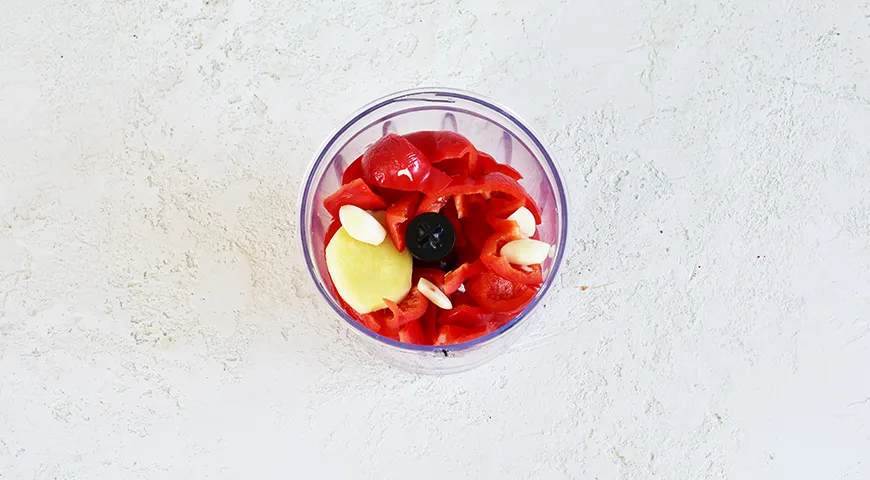
In a blender, combine the garlic cloves, sliced horseradish, sweet bell pepper, and hot chili (if using). Pulse until a coarse paste forms. This aromatic base will infuse the marinade with depth. A microwave pressure cooker can be used to quickly soften peppers if needed, but raw is fine.
Step 4: Cook the Marinade
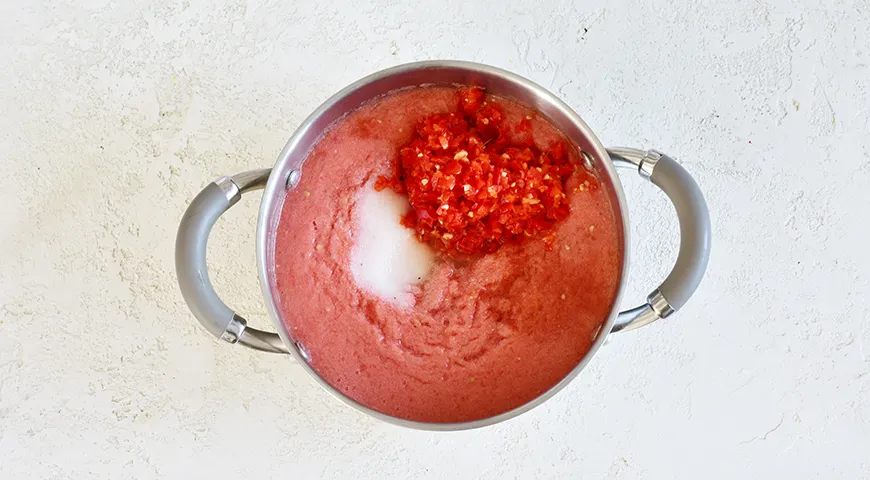
Pour the tomato juice into a large pot. Add the aromatic paste, salt, and sugar. Bring to a boil over medium-high heat, then reduce heat to low and simmer for 14–15 minutes, stirring occasionally. Skim any foam. This cooking concentrates flavors and melds the ingredients. The aroma will fill your kitchen — a commercial countertop convection oven can be used to roast peppers first for extra smokiness.
Step 5: Prep the Whole Tomatoes
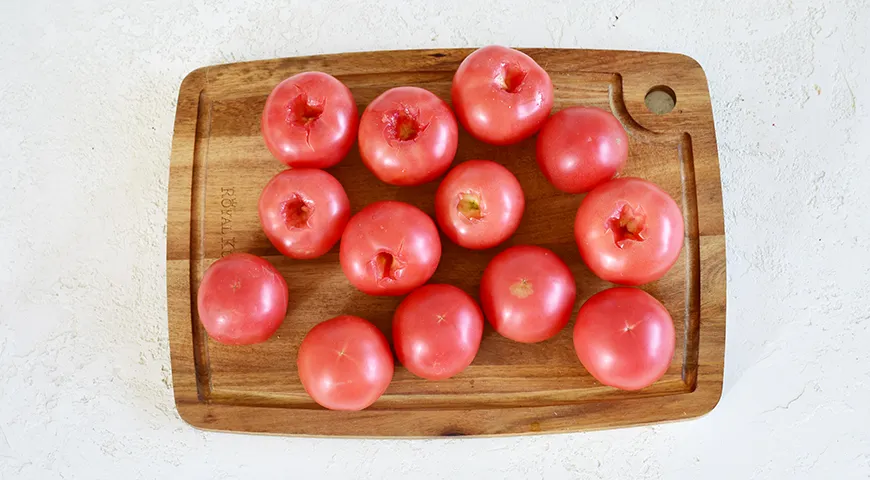
Wash the remaining 2–3 kg of firm, ripe tomatoes. Gently remove the stem and calyx. Avoid cutting into the flesh to keep tomatoes intact. Pat dry. If using larger tomatoes, they can be halved, but whole fruits hold up better during canning.
Step 6: Pack Jars with Tomatoes
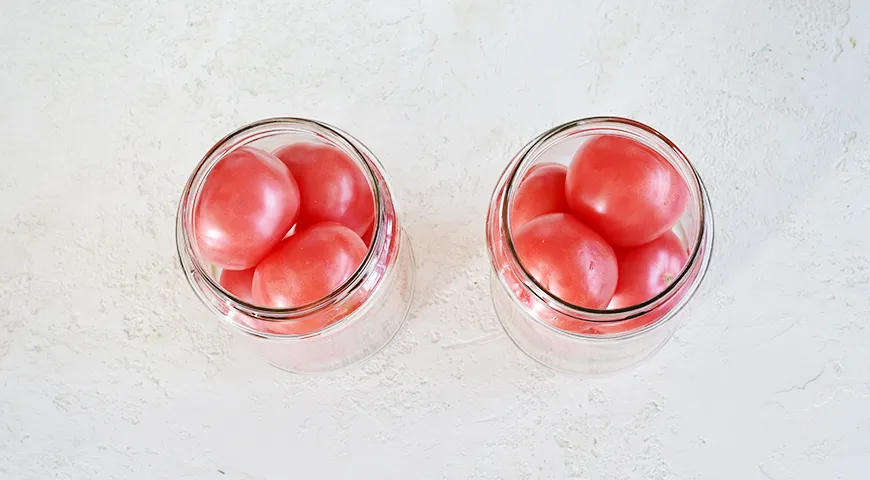
Carefully pack the prepared tomatoes into the sterilized jars. Fill snugly but not too tightly, leaving about 2 cm of headspace. Tuck any small peppers or garlic cloves from the paste between tomatoes if desired. Use a best oil sprayer to lightly coat the jar rims before sealing to prevent sticking.
Step 7: Blanch with Boiling Water
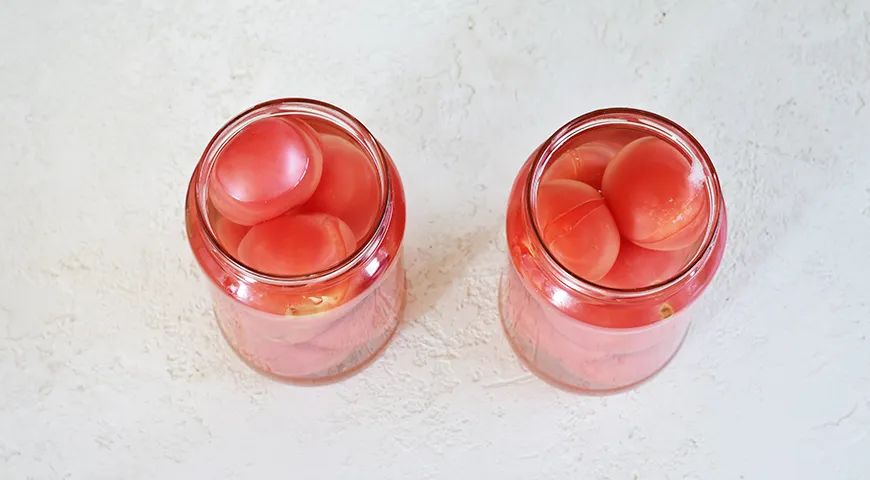
Boil a kettle of fresh water. Pour the boiling water over the tomatoes in the jars, filling to cover. Place lids on without tightening, and let stand for 20 minutes. This blanching step softens the skins and replaces the air inside the jars, ensuring vacuum sealing. For quicker results, a non-toxic air fryer can be used to blanch tomatoes by steaming — but traditional water works perfectly.
Step 8: Replace Water with Hot Tomato Juice
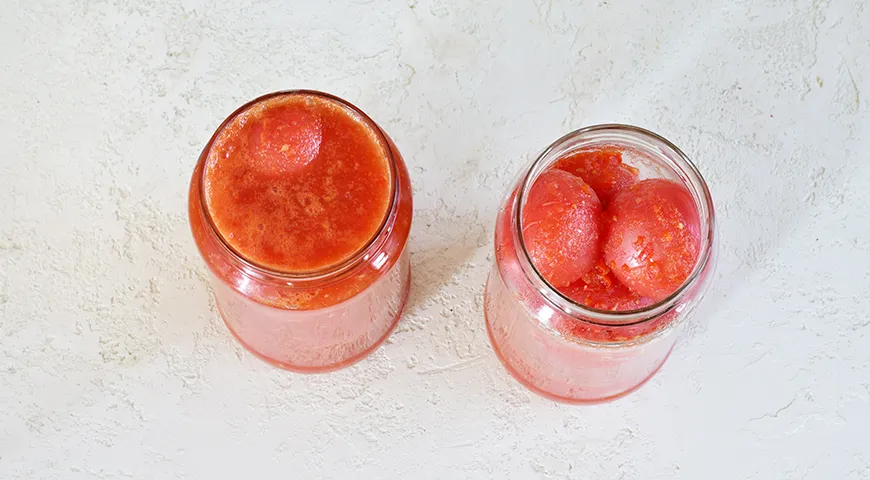
Carefully pour the hot water out of the jars into a sink. Immediately ladle the boiling tomato juice marinade into each jar, leaving 1–2 cm of headspace. Remove any air bubbles by sliding a non-metal spatula along the sides. Wipe the rims clean with a damp paper towel.
Step 9: Seal and Cool
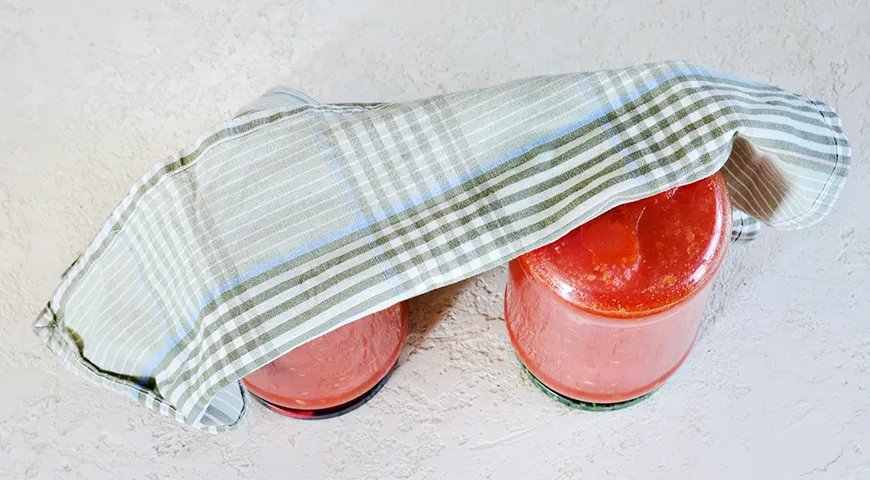
Place sterilized lids on the jars and screw on rings just until fingertip tight. Invert the jars briefly (about 1 minute) to help seal, then turn right side up. Wrap jars in a thick towel or blanket and let cool at room temperature for 12–24 hours. Check seals — lids should not flex when pressed. Store in a cool, dark place. For long-term storage, a 48-inch built-in refrigerator is ideal once opened.
Tips for Perfect Pickling
- Choose the right tomatoes: Use firm, ripe plum tomatoes (like Roma) or small round cherry tomatoes for best texture. Avoid overly soft fruits.
- Balance the brine: Taste the tomato juice after simmering. Adjust salt or sugar if needed — it should be slightly saltier than you’d drink, as it will mellow during storage.
- Sterilize thoroughly: Use a best steam canner for consistent sterilization. Even a single bacterial spore can spoil the batch.
- Let them rest: Allow pickled tomatoes to mature for at least 2 weeks before eating for optimal flavor development.
- Chill before serving: Serve cold as a refreshing appetizer, or use the juice to make a Bloody Mary with best organic vodka.
Variations
Experiment with add-ins like dill sprigs, black peppercorns, or bay leaves for a more herbal profile. For a spicier version, increase the hot chili or add a dash of smoked paprika. You can also substitute part of the tomato juice with roasted bell pepper puree for a sweeter, smoky marinade. The juice itself can be used as a base for a best sweet wine with high alcohol cocktail – simply mix with vodka, lemon, and Worcestershire sauce. If you prefer a more modern presentation, consider packing the tomatoes alongside grilled peppers or roasted garlic — a wall oven microwave combo with air fryer can roast the peppers quickly.
FAQ
Can I use store-bought tomato juice instead of fresh?
Yes, but choose a high-quality, low-sodium juice to control salt levels. Fresh juice yields superior flavor because you can adjust sweetness and acidity.
How long do these pickled tomatoes last?
Properly sealed and stored in a cool, dark pantry, they will keep for up to a year. Once opened, refrigerate and consume within 2 weeks.
Why did my jars not seal?
Common causes include insufficient headspace, a nick on the jar rim, or under-processing. Always check seals after 24 hours. If a jar fails, refrigerate it and use within a month.
Can I reduce the sugar or salt?
Salt and sugar are essential for preservation and flavor balance. Reducing them may affect texture and shelf life. For a lower-sugar version, substitute with a natural sweetener like stevia, but expect a softer brine.
What can I do with the leftover tomato juice marinade?
The brine is a delicious drink on its own (chilled) or a base for soup, sauces, or Bloody Marys. For an elegant cocktail, serve it over ice with a splash of best sweet wine with high alcohol or your favorite spirit. You can also use it to deglaze pans or steep rice.
Can I use a microwave pressure cooker for the entire process?
A microwave pressure cooker is ideal for quickly cooking the marinade or blanching tomatoes, but traditional stovetop boiling is best for canning to ensure even heat distribution.
How do I serve these pickled tomatoes?
Serve as part of a charcuterie board, alongside grilled meats, or simply as a tangy snack. Their versatility mirrors that of a best chocolate covered raisins – unexpected but delightful. For a breakfast twist, pair with eggs and toast.







