


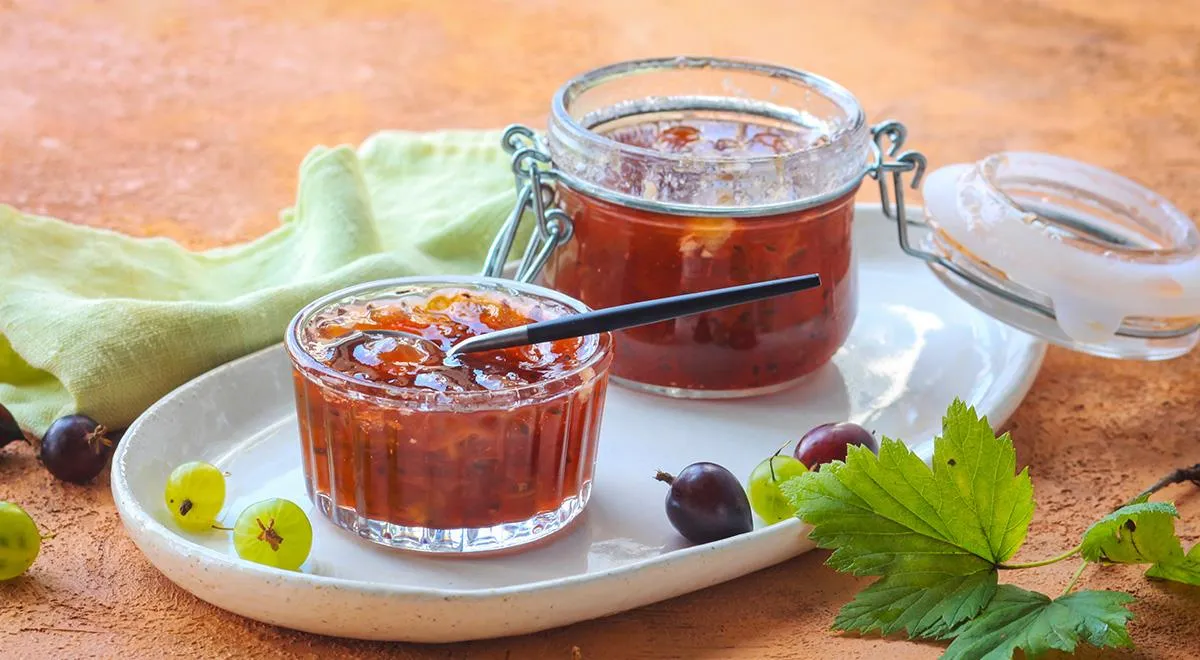
There is a quiet, almost meditative satisfaction in making jam. The slow transformation of fresh, tart gooseberries into a deeply concentrated, ruby-hued preserve feels like bottling summer itself. This recipe for thick gooseberry jam, known in Russia as gustoye varenye iz kryzhovnika, relies on the fruit's natural abundance of pectin. Unlike many jams that call for commercial gelling agents like gelatin or agar-agar, this one achieves its luxurious texture purely through careful cooking. It is a testament to the beauty of simplicity—a tradition passed down through generations of home cooks who know that the best preserves need no artificial shortcuts. Whether you are a seasoned conservator or a beginner eager to try your hand at home canning, this recipe will guide you to a glorious, spoonable treasure that pairs beautifully with buttered toast, scones, or even a sharp cheese plate. For more inspiration on using fresh fruit, explore our guide to the best glass food processor bowls that make chopping berries a breeze.
About This Gooseberry Jam
Gooseberries, often overlooked in favor of strawberries or raspberries, are a hidden gem of the berry world. They have a unique balance of sweetness and acidity, and their high natural pectin content makes them ideal for a firm, jammy consistency. In Russian households, this jam is a winter staple—a taste of summer preserved in a jar. The method is straightforward: gently coax the fruit to release its juices, then simmer slowly until the mixture thickens without any added pectin. The result is a jam that holds its shape on a spoon yet remains luscious and spreadable. This technique is not only satisfying but also allows the pure flavor of the gooseberries to shine. If you enjoy working with whole ingredients, you might also love our Catalan sponge cake recipe for a perfect tea-time pairing.

Ingredients
- 1 kg ripe gooseberries, stems removed and washed
- 1 kg granulated sugar
- 250 ml water (1 cup)
Step-by-Step: The Art of Making Thick Gooseberry Jam
Follow these steps carefully to achieve the perfect consistency. Patience is key—the slow cooking develops both thickness and depth of flavor.
Step 1: Prepare the Gooseberries
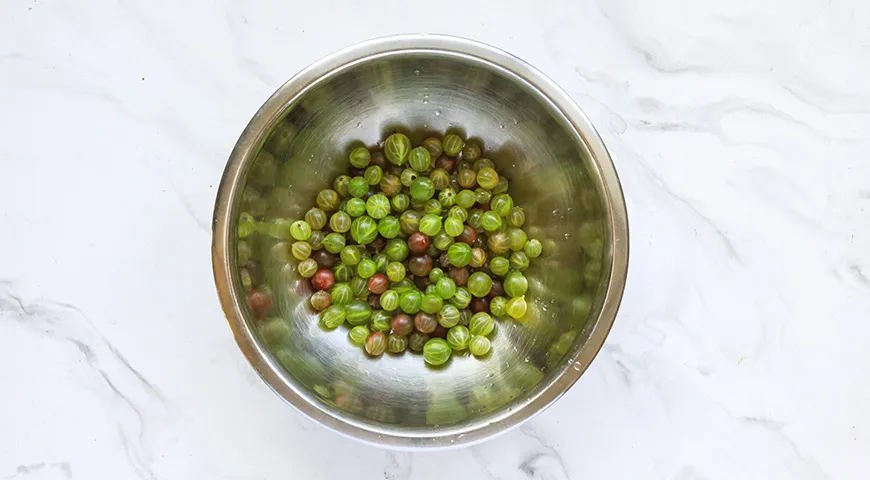
First, you must prepare the gooseberries. Choose berries that are fully ripe but still firm, with no blemishes or soft spots. Rinse them thoroughly under cold running water, removing any stems, leaves, or debris. A colander works well, but for larger batches, consider using a top-rated wheatgrass juicer to quickly process any surplus fruit. Once cleaned, set aside.
Step 2: Macerate with Sugar
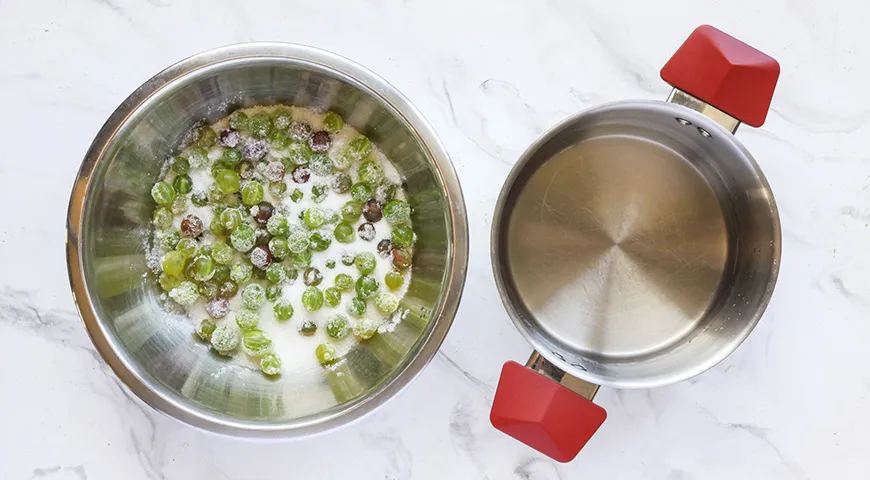
In a large, non-reactive bowl (stainless steel or glass), combine the gooseberries with the sugar. Stir gently to coat each berry. Let the mixture stand at room temperature for 2–3 hours. During this time, the sugar will draw out the berries' natural juices, creating a syrupy base. Meanwhile, place a heavy-bottomed saucepan on medium heat and add the water. Bring it to a rolling boil. This initial boiling water helps dissolve the sugar later without scorching. For a uniform heat distribution, a quality microwave pressure cooker can also be used to soften the fruit beforehand, though traditional stovetop is preferred.
Step 3: Cook the Jam
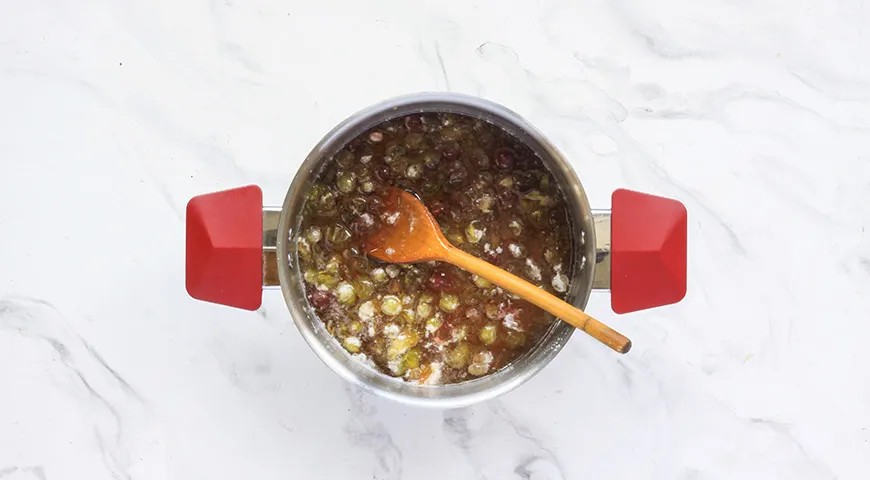
Add the macerated gooseberries and sugar to the boiling water. Stir continuously until the sugar completely dissolves—this is crucial to prevent crystallization. Once dissolved, reduce the heat to its lowest setting. Let the mixture simmer gently for at least 45 minutes. The longer you cook, the thicker the jam will become, as water evaporates and pectin sets. Keep an eye on the heat; a low, steady bubble is ideal. For precision control, an non-toxic air fryer won't help here, but a reliable digital thermometer can ensure you stay below the boiling point of water (around 103–105°C for setting). Remember: patience rewards you with a dense, spreadable texture.
Step 4: Stir and Test for Doneness
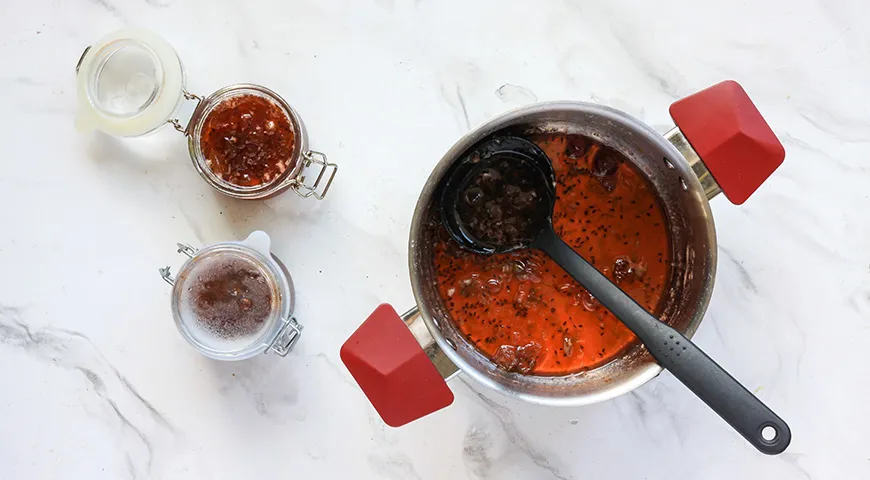
During cooking, stir the jam periodically with a wooden spoon, especially scraping the bottom to prevent sticking. You’ll notice the berries soften but remain whole—this is the desired texture. After 45 minutes, test for doneness: place a small spoonful on a chilled plate and tilt it. If the jam wrinkles slightly and moves slowly, it’s ready. Remove from heat and let cool slightly. If you prefer a smoother jam, an immersion blender can be used to puree part of the batch, but for authentic rustic charm, leave the berries intact.
Step 5: Jar and Store
While the jam is still hot, transfer it into sterilized glass jars. Use a wide-mouth funnel for neat filling. Seal immediately with sterilized lids. The heat creates a vacuum seal. Allow jars to cool completely at room temperature. Check the seals—they should be concave and not pop when pressed. Store in a cool, dark place. This jam will keep for up to a year unopened, and once opened, refrigerate and enjoy within a month. For labeling, a spacious built-in refrigerator helps organize your preserves.
Tips for Perfect Gooseberry Jam
- Choose the right berries: Underripe gooseberries have more pectin, so a mix of slightly underripe and ripe berries yields the best set.
- Don't rush the maceration: Letting the berries sit with sugar for 2–3 hours (or even overnight) extracts maximum juice and ensures even sweetness.
- Use a wide, heavy-bottomed pot: This allows for even heat and faster evaporation, reducing cooking time while still achieving thickness.
- Skim any foam: A foamy surface can cloud the jam; skim it off with a spoon for a clear, bright preserve.
- Test with a thermometer: The jam reaches setting point at about 104°C (220°F). For precise reading, a refrigerant leak detector is unrelated, but a candy thermometer is indispensable.
Variations to Try
This gooseberry jam is versatile. For a spiced version, add a cinnamon stick or a few cardamom pods during cooking. A splash of vanilla extract after removing from heat adds warmth. For a boozy twist, stir in 1–2 tablespoons of gin or vodka after cooking—the alcohol evaporates but leaves a botanical note. You can also mix in other fruits like strawberries or rhubarb for a different profile. Experiment with low-sugar pectin if you prefer a less sweet jam, but remember that sugar acts as a preservative. For a savory pairing, serve alongside roasted meats; gooseberry jam is excellent with pork or duck. If you enjoy exploring different flavors, check out our review of best lava flavors for a creative twist.
Frequently Asked Questions
Can I use frozen gooseberries?
Yes, frozen gooseberries work well. Thaw them completely first, then proceed with the recipe. They may release more liquid, so extend the cooking time by 10–15 minutes. A good organic vodka can be added for extra depth if you wish.
Why is my jam not thickening?
Several factors: underripe fruit (low pectin), too much water, or insufficient cooking time. Continue simmering until the mixture passes the wrinkle test. If needed, add a squeeze of lemon juice to boost pectin activity.
Can I reduce the sugar?
Gooseberries are tart, so sugar balances acidity. Reducing sugar may result in a looser jam and shorter shelf life. Use a low-sugar pectin if you must cut sugar by up to 30%. For other homemade projects, a steam canner helps with safe processing.
How do I sterilize jars?
Wash jars and lids in hot soapy water, rinse, then place in a preheated oven at 120°C for 10 minutes, or boil them in water for 10 minutes. Keep them hot until filling. A quality undercounter ice maker is great for fast cooling of processed jars later.
What if my jam is too thick?
If overcooked, jam can become stiff. Reheat gently with a splash of water or apple juice until loose. This also works if you want a looser consistency for glazes. For perfect texture every time, consider using a planetary mixer to stir large batches uniformly.
Storing and Enjoying Your Homemade Gooseberry Jam
Once sealed, this jam will bring joy throughout the year. Spread it on warm croissants, dollop on yogurt, or use as a filling for pastries. It also makes a thoughtful homemade gift. If you want to expand your canning repertoire, try our recipe for best chocolate-covered raisins for a sweet treat, or browse our coffee maker recommendations for the perfect morning brew alongside your jam.
Remember that the key to a thick, luscious jam is patience and quality ingredients. With this Russian technique, you'll create a preserve that rivals any artisanal product from the store. Happy preserving!







