


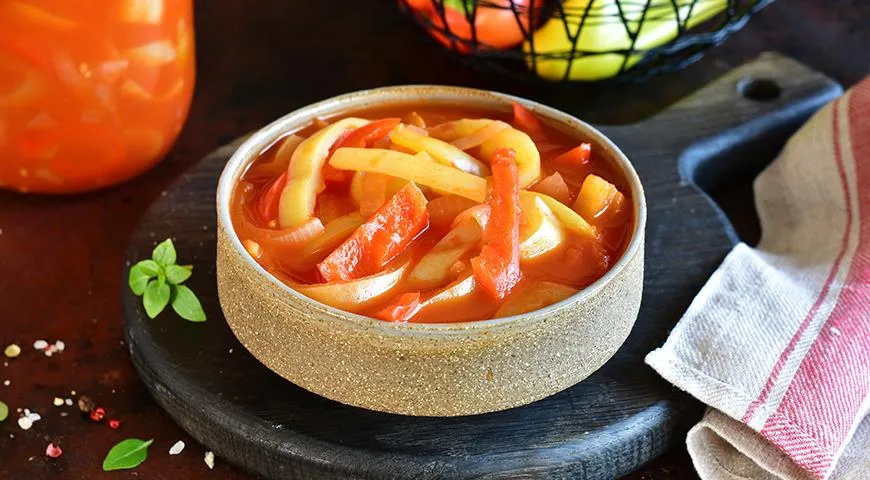
There are few dishes that capture the soul of Hungarian home cooking quite like lecho—a vibrant, rustic vegetable ragout that has travelled across borders and found a cherished place in Eastern European pantries. This simple lecho recipe is so approachable that even novices can master it on their first try, yet the result is refined enough to impress discerning palates. With an ideally balanced sweet-sour profile and a luxurious texture, it works beautifully as a stand-alone appetizer, a light side to grilled meats or sausages, or even spooned over fried eggs or rice in true Hungarian style. In Hungary, lecho is often paired with a special smoked sausage made exclusively for this dish, but our version keeps things straightforward while delivering all the comforting richness you crave.
About This Simple Lecho
This classic Hungarian lecho, known in Russia as prostoe lecho, relies on a trio of garden staples: sweet peppers, ripe tomatoes, and onions. The genius lies in its simplicity—no elaborate techniques, no exotic spices. Instead, you get a pure, sun-drenched flavor that captures the essence of summer. The recipe yields about 4–5 litres of lecho, perfect for stocking your pantry with a versatile preserve that will brighten winter meals. Unlike some complicated canning projects, this one requires only basic kitchen equipment: a large pot, a skillet, and sterilized jars. For best results, use a non-toxic air fryer to roast peppers for an extra smoky nuance—though our stovetop method is just as delicious.

Ingredients
- Green sweet peppers – 2 kg
- Red sweet peppers – 1 kg
- Ripe tomatoes – 1 kg
- Tomato juice (unsweetened) – 2 L
- Yellow onions – 600 g
- Granulated sugar – 100 g
- Salt – 2 tablespoons
- Bay leaves – 2
- Allspice berries – 4
- Vegetable oil – 150 ml
- White vinegar (9%) – 100 ml
Step-by-Step Instructions
Step 1: Prepare the peppers and tomatoes.
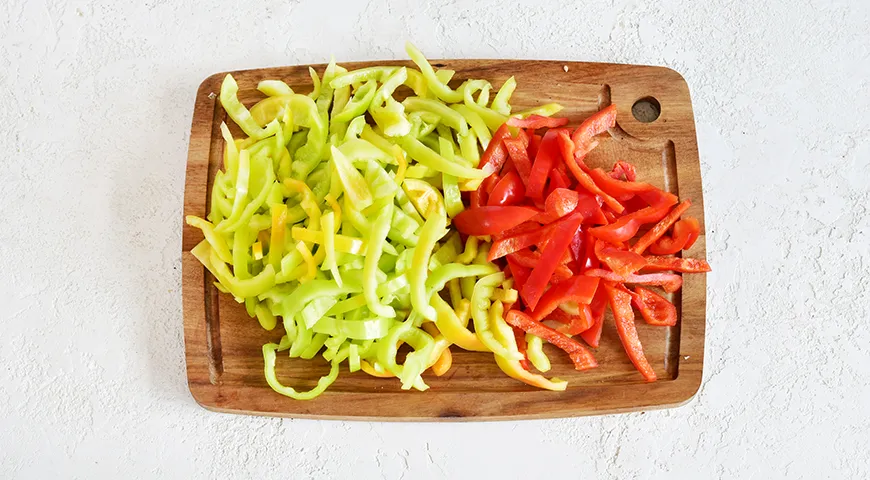
Wash all peppers thoroughly. Cut each in half, remove seeds and white membranes, then slice into wide strips—about 2–3 cm. For the tomatoes, wash and quarter them. Peel the onions and slice into thick half-rings. Using a food processor can speed up the chopping, but a sharp knife is perfectly fine.
Step 2: Make the tomato base.
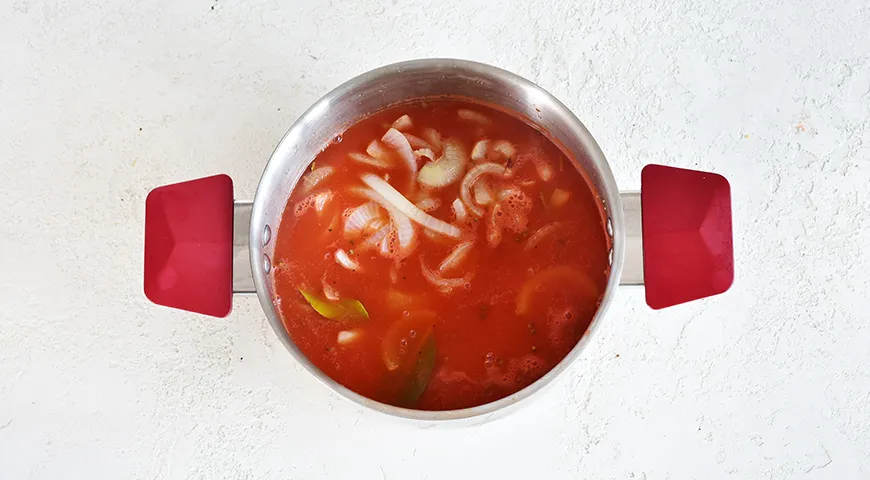
Pour the tomato juice into a large, heavy-bottomed pot. Add the sugar, salt, bay leaves, and allspice. Stir to combine. Bring to a boil over medium-high heat, then reduce to a gentle simmer. While the base heats, fry the onions: in a large skillet, heat 2 tablespoons of vegetable oil over medium heat and sauté the onion slices until translucent and lightly golden, about 5 minutes. Transfer the sautéed onions to the tomato juice pot and cook together for 5 minutes.

Step 3: Add the vegetables.
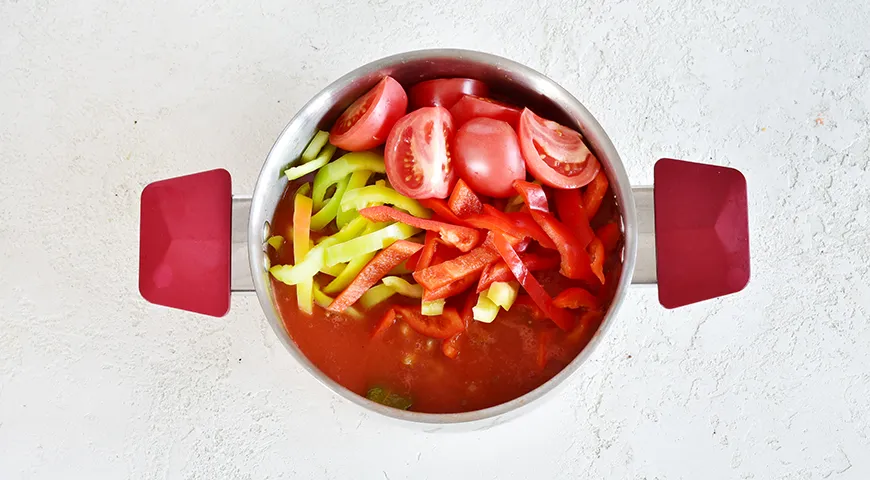
Add the quartered tomatoes and all the pepper strips to the pot. Pour in the remaining vegetable oil. Stir everything together and bring to a full boil. Once boiling, reduce the heat to medium and cook uncovered for 15 minutes, stirring occasionally to prevent sticking. The peppers should soften but retain a slight bite—a lovely contrast to the silky tomato broth.
Step 4: Finish with vinegar.
After 15 minutes, stir in the 9% white vinegar. Taste and adjust seasoning if desired. Return the lecho to a rolling boil, then remove from heat immediately. The vinegar brightens the flavors and ensures safe canning. For a deeper umami note, consider using a microwave pressure cooker to quickly soften peppers before adding, though the stovetop method is traditional.
Step 5: Jar and seal.
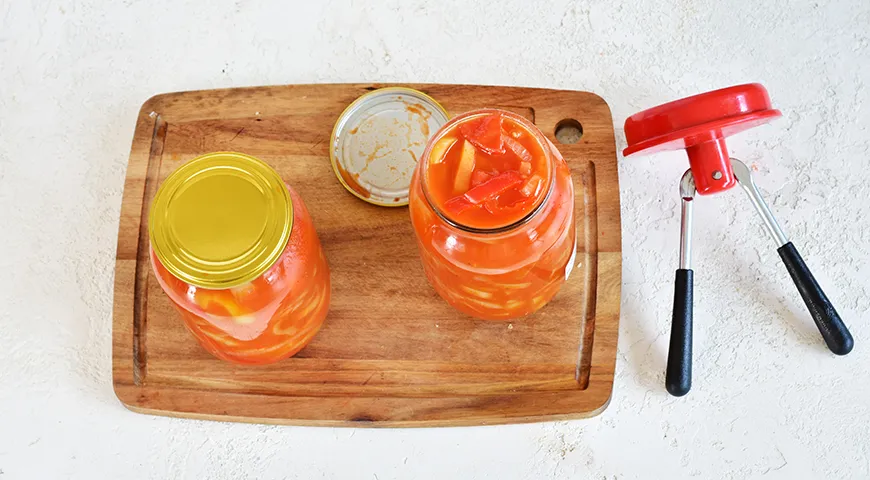
While the lecho is still piping hot, ladle it into sterilized glass jars, packing the solids as tightly as possible. Fill to the very brim. Wipe the rims clean, then seal with lids—either new metal screw caps or traditional steam canner lids. Invert the jars briefly onto a folded towel, then wrap them in a thick blanket and let them cool completely overnight. This slow cooling creates a perfect vacuum seal. Store in a cool, dark place; refrigeration is unnecessary.
Tips for Perfect Lecho
- Use a mix of green and red peppers for color contrast; the green adds a slight bitterness that balances sweetness.
- If you prefer a smoother texture, pulse the tomato juice with a non-toxic immersion blender before cooking.
- Scale up the recipe easily—just maintain the pepper-to-tomato ratio. An countertop convection oven can help batch-roast peppers if you're making a large quantity.
- Always use white vinegar at 9% acidity for safe canning; do not substitute with balsamic or wine vinegar.
- Let the sealed jars rest for at least two weeks before opening to allow flavors to meld.
Delicious Variations
Lecho is endlessly adaptable. For a heartier version, add slices of Hungarian sausage or smoked pork belly during the last 10 minutes of cooking. Vegetarians can toss in zucchini or eggplant. To make it spicy, include a few minced chili peppers or a dash of hot paprika. For a luxurious twist, swirl in a tablespoon of castor oil (though not traditional, it adds a silky mouthfeel). Serve with crusty bread or over a bed of fluffy rice; in Hungary, Catalan sponge cake makes an unexpected but delightful dessert pairing.
FAQ
Can I use only red peppers?
Yes, but the flavor will be sweeter and the color more uniform. For a classic lecho, a mix of green and red gives a more complex taste. If you have only red, consider adding a tablespoon of green bell pepper powder or fresh herbs for depth.
How long does homemade lecho last?
When properly sealed in sterilized jars and stored in a dark, cool pantry, lecho keeps well for up to one year. Once opened, refrigerate and consume within 7–10 days. Always check for signs of spoilage—mold, off odors, or bulging lids—before eating.
Can I freeze lecho instead of canning?
Absolutely. Let the lecho cool completely, then transfer to freezer-safe containers or heavy-duty zip bags. Leave headspace for expansion. Frozen lecho stays fresh for up to 6 months. Thaw in the refrigerator overnight before reheating.
What is the best way to sterilize jars for lecho?
Wash jars and lids in hot soapy water, then rinse. Place them in a preheated oven at 130°C for 20 minutes, or boil them in a large pot of water for 10 minutes. For expert guidance, check out this steam canner review which simplifies the process.
Why did my lecho turn out too watery?
This usually happens if the tomatoes were too juicy or if the lecho wasn’t cooked long enough to reduce. Next time, simmer the mixture for an additional 5–10 minutes before adding vinegar, or use a wheatgrass juicer to strain excess liquid from tomatoes (though this alters texture). For an already watery batch, cook it down in a wide skillet until thickened.
Can I reduce the sugar or substitute it?
Yes, you can cut the sugar by half or use honey, but note that honey may change the flavor and affect preservation. If using honey, add it at the end of cooking. For a sugar-free version, try a few drops of organic vodka (yes, some Eastern European cooks add a splash for acidity and a clean finish).
This simple lecho is more than a preserve—it is a time capsule of summer’s bounty, ready to open on a cold winter night. Whether spooned over a crispy pork cutlet or swirled into a bowl of scrambled eggs, it brings warmth and satisfaction with every bite. Happy cooking!







