


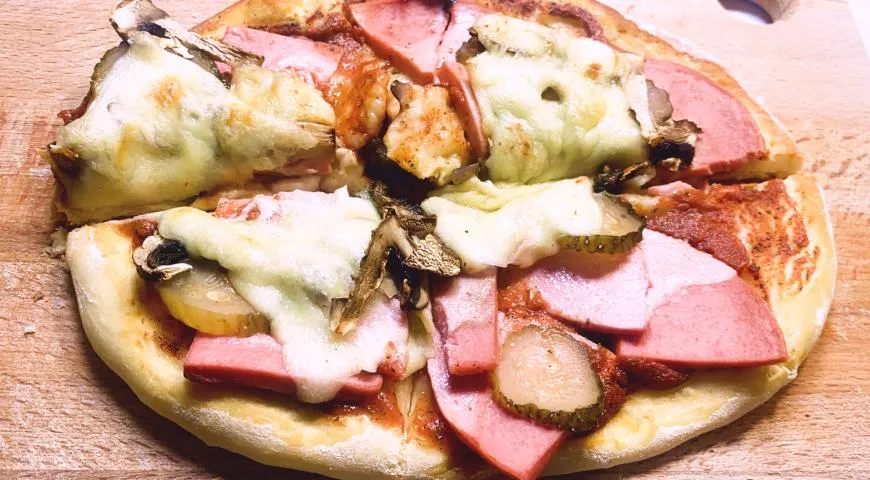
There’s something deeply nostalgic about a perfectly crisp, golden pizza with a tender crumb and a whisper of garlic and herbs. This School Pizza recipe—inspired by beloved Russian cafeteria pies—brings that comforting memory to your home kitchen. With a light olive oil dough, a quick tomato basil sauce, and a crown of mushrooms, pickles, sausage, and cheese, it’s a weeknight triumph. Whether you’re a seasoned baker or a first‑time pizza maker, this recipe delivers a slice of childhood in every bite.
About This School Pizza
Born from the need for a fast, filling lunch, Soviet‑era school pizzas were often made with whatever ingredients were on hand. This version honors that spirit while elevating the technique with a high‑quality planetary mixer for the dough and a non‑toxic immersion blender for the sauce. The result is a pizza that’s at once rustic and refined—crisp on the bottom, airy inside, and layered with bold, briny flavors.

Ingredients
- 40 ml olive oil, plus extra for greasing
- 1 tsp salt
- 1 tsp sugar
- 200 ml warm water
- 3 g active dry yeast
- 300 g all‑purpose flour
- 200 g canned tomatoes (in their own juice)
- 100 ml tomato juice
- ½ tsp salt
- ½ tsp sugar
- ¼ tsp black pepper
- 1 clove garlic, crushed
- 1 tsp dried herbes de Provence
- 2 small pickling cucumbers, thinly sliced
- 150 g fresh mushrooms, thinly sliced
- 100 g cooked sausage (like bologna or kielbasa), thinly sliced
- 150 g mozzarella or low‑moisture cheese, shredded
Step‑by‑Step Instructions
Step 1: Start the Dough
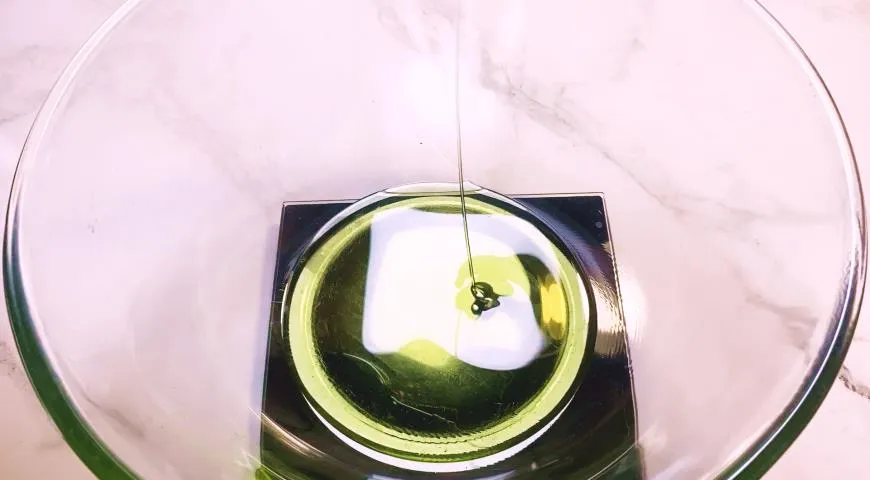
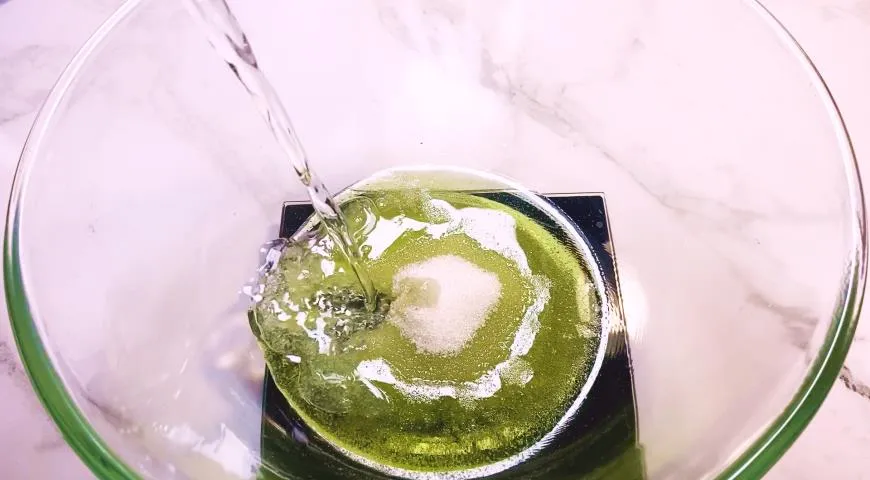
In a large mixing bowl, combine the olive oil, salt, and sugar. Add the warm water and whisk gently to dissolve the granules. This liquid base ensures the yeast activates evenly.
Step 2: Add Dry Ingredients
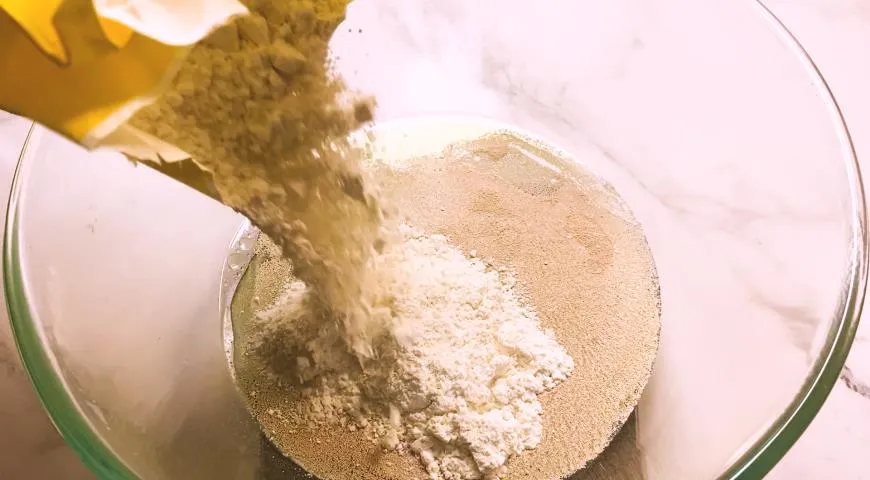
Sprinkle the yeast over the liquid, then add the flour in two additions. Stir with a wooden spoon until a shaggy mass forms.
Step 3: Knead the Dough
Turn the dough out onto a floured surface and knead for 8–10 minutes until smooth and elastic. A planetary mixer with a dough hook makes this effortless. Place in a lightly oiled bowl, cover, and let rise in a warm spot for 1 hour, until doubled.
Step 4: Make the Tomato Sauce
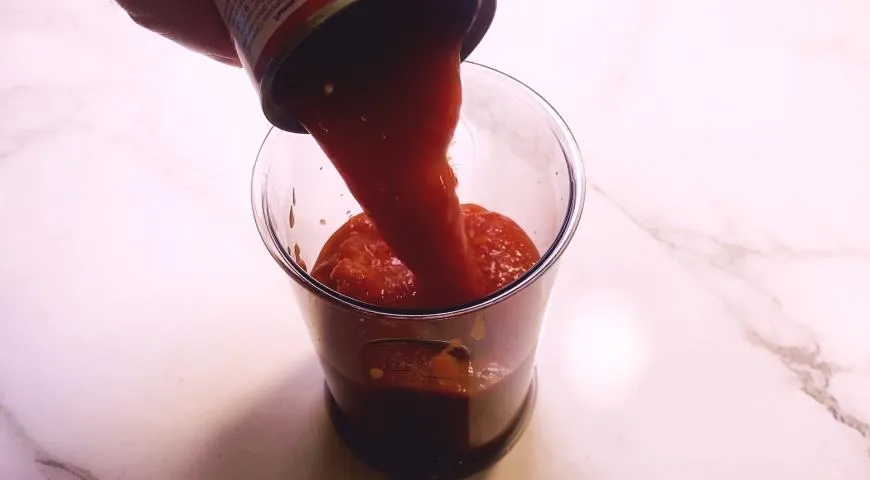
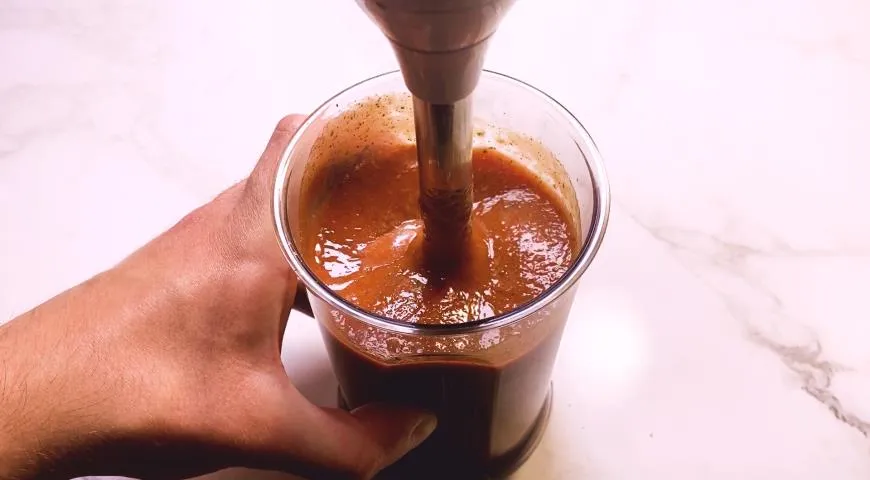
While the dough rises, prepare the sauce. In a blender jar, combine the canned tomatoes, tomato juice, salt, sugar, pepper, garlic, and herbes de Provence. Using an immersion blender, blend until completely smooth.

Step 5: Blend the Sauce
Pulse several times, then blend on high for 30 seconds until the sauce is velvety. Set aside. The acid from the tomatoes balances the richness of the cheese and sausage.
Step 6: Slice the Vegetables
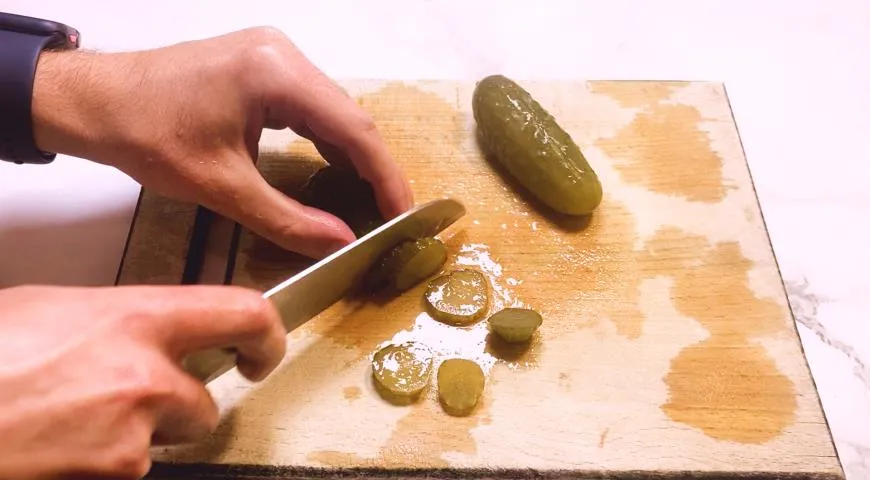
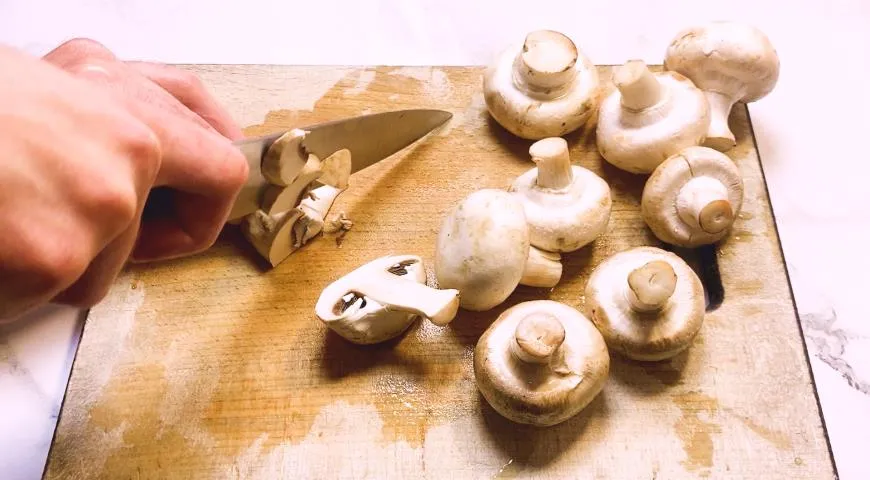
Using a sharp knife or a mandoline, slice the pickling cucumbers into thin rounds, about 3 mm thick. Then slice the mushrooms into thin strips. Uniform slicing ensures even cooking.

Step 7: Shape the Dough
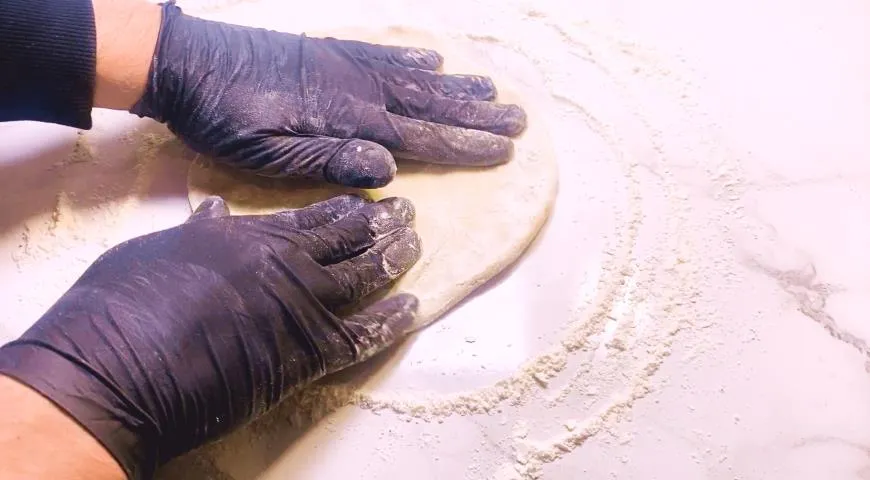
Once the dough has risen, punch it down and transfer to a floured surface. Gently stretch it with your hands into a 12‑inch round, or use a rolling pin for a more uniform thickness. Transfer to a parchment‑lined baking sheet.
Step 8: Assemble the Pizza
Spread the tomato sauce evenly over the dough, leaving a 1‑cm border. Arrange the sliced mushrooms, cucumber rounds, and sausage pieces on top. Finish with a generous blanket of shredded cheese.
Step 9: Bake at High Heat
Preheat your oven to 250°C (480°F). Bake the pizza on the middle rack for 10 minutes, until the crust is golden and the cheese bubbles. A countertop convection oven works beautifully here for even browning.
Step 10: Slice and Serve
Let the pizza rest for 2 minutes before slicing. Use a pizza cutter or sharp chef’s knife. Serve warm, ideally with a side of sweet dessert wine or a simple green salad.
Tips for the Perfect School Pizza
- Don’t skip the rise: The hour‑long proof develops flavor and structure. If your kitchen is cool, place the dough in a turned‑off oven with the light on.
- Use a pizza stone or steel for an even crispier bottom. Preheating the stone alongside the oven makes a big difference.
- For the sauce, a food processor also works if you’re making a larger batch. The texture should be smooth but not watery.
- Pickles are non‑negotiable—the brine cuts through the richness and adds that signature tang. Use cornichons or kosher dills.
- Check for doneness: The cheese should be lightly browned in spots, and the underside of the crust should sound hollow when tapped.
Variations to Explore
- Vegetarian version: Omit the sausage and double the mushrooms. Add roasted red peppers or artichoke hearts.
- Spicy kick: Sprinkle crushed red pepper flakes over the sauce before adding toppings, or use pepperoni instead of bologna.
- Gluten‑free option: Substitute a 1‑to‑1 gluten‑free flour blend. Add ½ teaspoon xanthan gum if your blend doesn’t include it.
- Cheese swap: Try a blend of provolone, fontina, and parmesan for a more complex flavor profile.
Frequently Asked Questions
What makes this recipe “school pizza”?
It’s inspired by the simple, no‑frills pizzas served in Russian school cafeterias during the Soviet era. The combination of mushrooms, pickles, and smoked sausage is a classic pairing that’s both nostalgic and delicious.
Can I make the dough in a bread machine?
Absolutely. Use the dough cycle of your planetary mixer or a dedicated bread machine. Just add the ingredients in the order recommended by your machine’s manual.
How do I store leftover pizza?
Wrap slices individually in foil and refrigerate for up to 3 days. To reheat, place them in a 200°C (400°F) oven for 5 minutes, or use a non‑toxic air fryer for a crispy texture.
Can I freeze the unbaked pizza?
Yes. Assemble the pizza on a parchment‑lined baking sheet, freeze until solid, then wrap tightly in plastic wrap and foil. Bake directly from frozen, adding 3–4 minutes to the cooking time.
Why do you add sugar to both the dough and sauce?
In the dough, sugar feeds the yeast and helps browning. In the sauce, it balances the acidity of the tomatoes and the saltiness of the pickles. For a refined touch, choose a high‑quality sugar if you want to experiment with dessert‑style variations.
What’s the best way to slice mushrooms for this pizza?
Use a sharp knife or a glass food processor with a slicing disc to get uniform, thin slices that cook evenly without releasing too much moisture.
Can I use pre‑shredded cheese?
It works, but freshly shredded cheese melts better and has a creamier texture. If using pre‑shredded, look for brands that don’t contain anti‑caking agents, or toss the shreds with a teaspoon of cornstarch to improve meltability.
How can I make this pizza more authentic to the original?
Use a best oil sprayer to lightly oil the pan before stretching the dough. Traditional school pies were often baked on greased sheet pans rather than pizza stones.
This School Pizza recipe proves that simple ingredients, handled with care, can produce extraordinary results. Whether you’re revisiting childhood memories or discovering these flavors for the first time, each slice is a celebration of rustic, honest cooking. Share it with family and friends—and don’t forget that extra sprinkle of dried herbs on top.







