


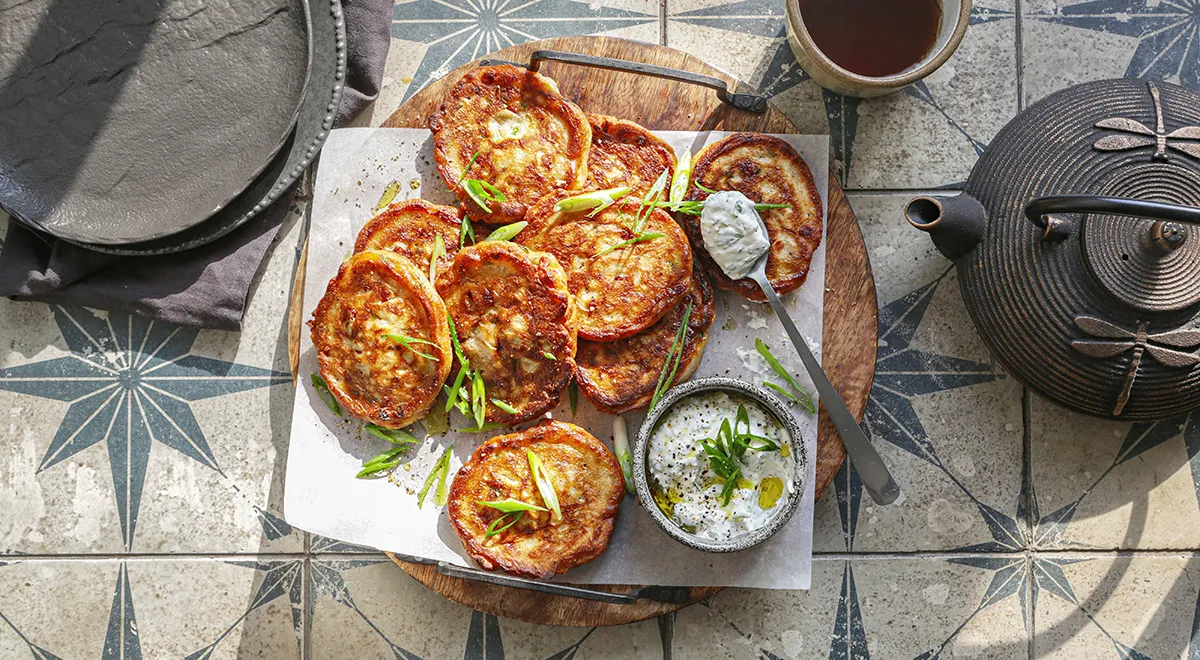
There is something deeply comforting about a stack of golden, fluffy pancakes – but when those pancakes are studded with smoky sausage, melted cheese, and fresh herbs, they transcend breakfast and become a versatile meal any time of day. These Russian-style savory kefir pancakes, known as oladi, are a beloved staple in Eastern European households, prized for their tangy tenderness and endless adaptability. The combination of rye and wheat flour gives them a hearty, nutty depth, while the kefir reacts with the leavening to create an airy crumb. Whether served with a dollop of sour cream or a garlicky herb sauce, these oladi are a celebration of simple, bold flavors.
About This Recipe
This particular recipe draws inspiration from classic Russian home cooking, where leftover sausage and cheese are transformed into something spectacular. The use of smoked sausage – such as servelat or krakowska – infuses every bite with a subtle campfire essence, but you can substitute any cooked sausage or even bacon. The addition of rye flour not only boosts the nutritional profile but also lends a distinctive tang that pairs beautifully with the creamy kefir. For best results, ensure all dairy ingredients are at room temperature – this allows the batter to come together smoothly and ensures even cooking. If you are new to working with kefir, its acidity works wonderfully as a natural tenderizer, making these pancakes exceptionally soft. For a deeper dive into the science of fermented dairy in baking, check out our guide on using kefir in batters.

Ingredients
- Kefir (2.5% fat) – 400 ml
- Rye flour – 200 g
- Wheat flour – 200 g
- Smoked-cooked sausage – 300 g
- Hard cheese (e.g., Gouda or Cheddar) – 100 g
- Sugar – 20 g
- Baking powder – 7 g
- Vegetable oil – 6 ml (for frying, plus extra as needed)
- Eggs – 4 large
- Salt – 3 g
- Chives – 1 small bunch
- Sour cream – 200 g
- Cilantro – 3 sprigs
- Dill – 3 sprigs
- Parsley – 3 sprigs
- Garlic – 3 cloves
- Salt – 3 g (for sauce)
A good food processor will make quick work of grating the cheese and chopping the chives. For smooth, lump‑free batter, consider using a non‑toxic immersion blender directly in your mixing bowl – it cuts down on cleanup and ensures an even consistency.
Step-by-Step Instructions
-
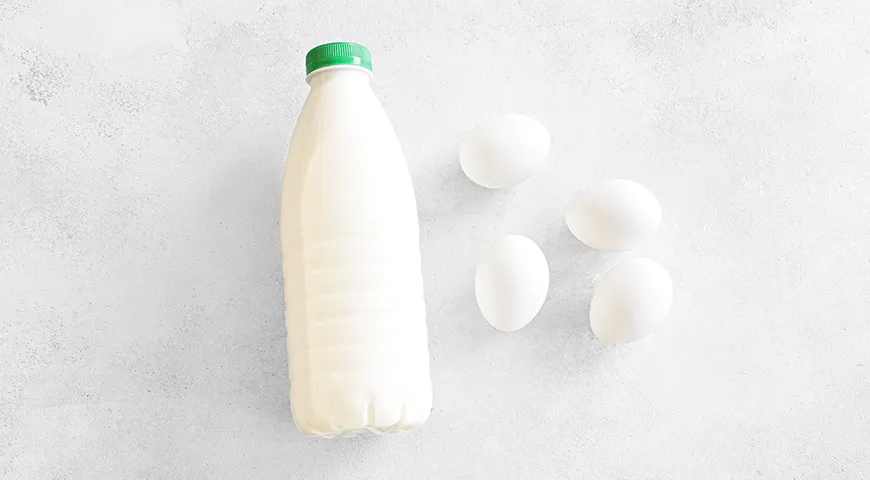
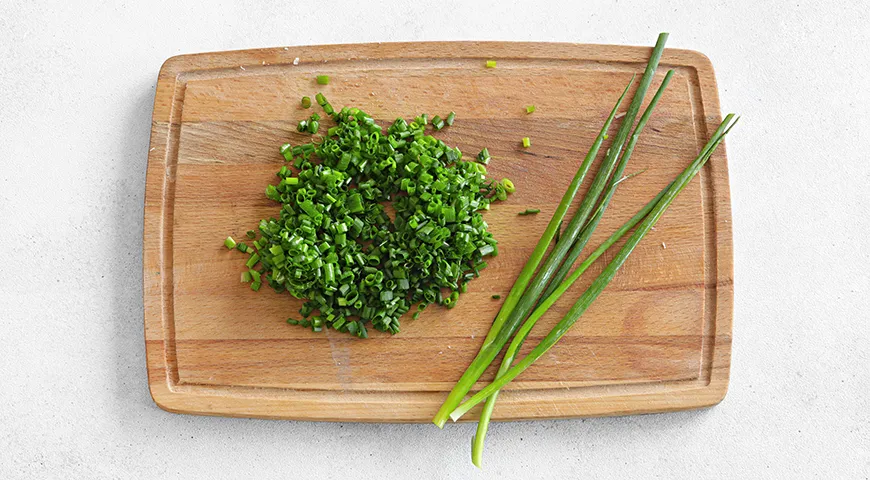
Prepare the ingredients. Remove kefir and eggs from the refrigerator at least 30 minutes before starting – room‑temperature ingredients blend more easily and produce a lighter pancake. Dice the smoked sausage into small cubes (about 0.5 cm). Grate the hard cheese on the large holes of a box grater. If you are not adding it immediately, cover the cheese with plastic wrap to prevent drying. Finely chop the chives.
-
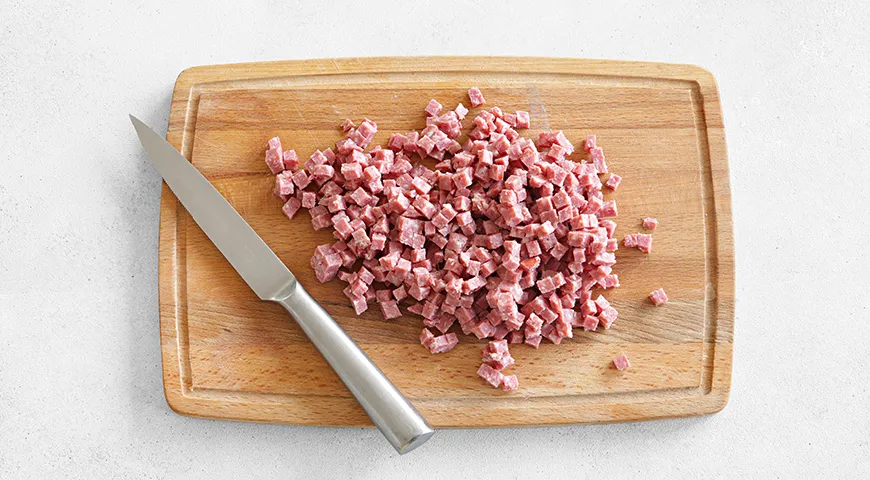
Dice the sausage. Peel off any casing from the smoked sausage and cut into tiny cubes. Smoked, boiled, or even ham and bacon work well. For a richer flavor, try using air‑fryer‑crisped bacon bits.
-
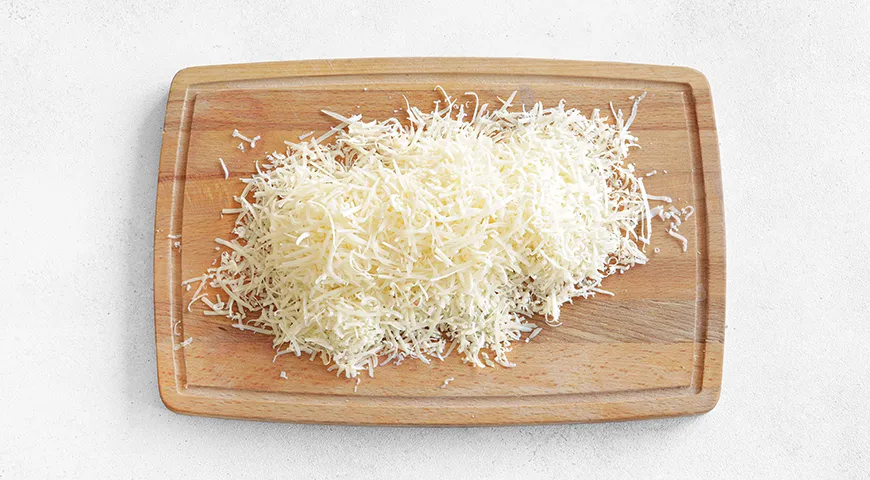
Grate the cheese. Use a fine or coarse grater – fine yields a meltier texture, coarse gives little pockets of cheese. Keep covered if not using immediately. A planetary mixer with a grating attachment can streamline this step if you are making a large batch.
- Chop the chives. Rinse and thoroughly dry the chives, then slice very finely. Regular green onions or other soft herbs can be substituted. A good oil sprayer is handy for greasing pans, but here we just use a little oil.
-
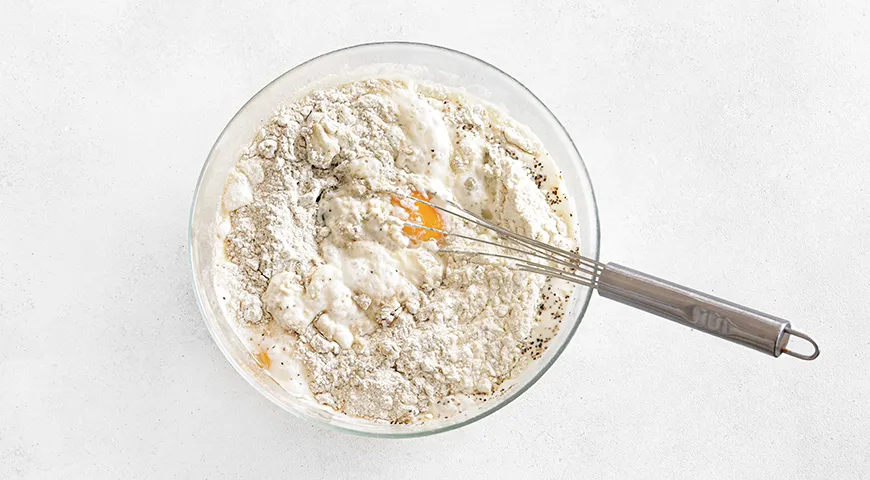
Make the batter. Sift both flours and baking powder into a large bowl. Add eggs, kefir, sugar, and salt. Whisk together, breaking up any lumps, until a thick, smooth batter forms – it should resemble thick sour cream. Adjust with a splash more kefir or a dusting of flour if needed. This is where a high‑quality immersion blender ensures a silky finish.
-
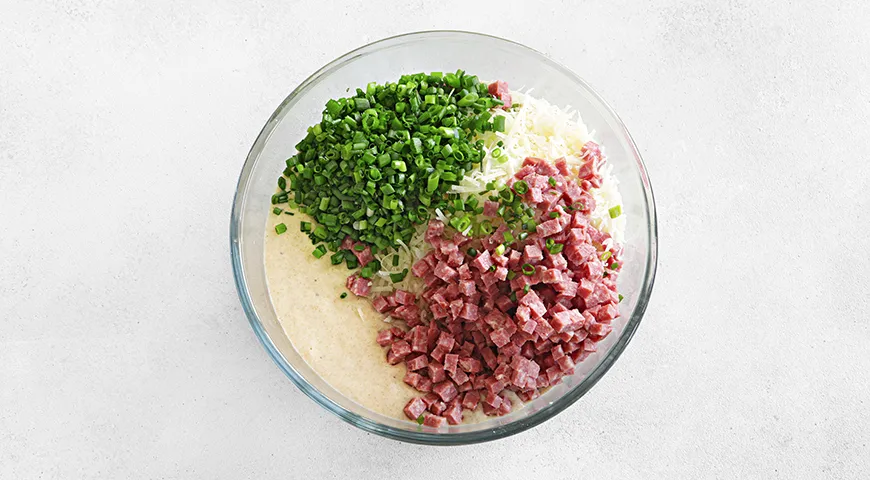
Combine add‑ins. Fold the diced sausage, grated cheese, and chopped chives into the batter until evenly distributed. The mixture will be thick and chunky.
-
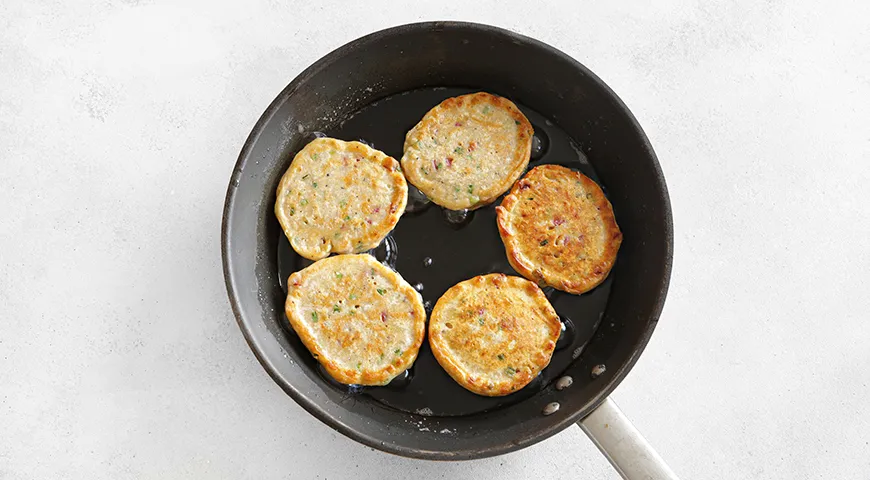
Fry the pancakes. Heat vegetable oil in a large non‑stick skillet over medium heat. Drop heaping tablespoons of batter into the pan, flattening slightly. Cook until golden brown on the bottom (about 2–3 minutes), then flip and cook the other side. Adjust heat as needed to prevent burning. For even cooking, use a convection oven – though frying is traditional, you can bake them at 200°C for 12 minutes.
-
Drain on paper towels. Line a large platter with double‑layered paper towels. Transfer cooked pancakes to the towels – they will absorb excess oil. Continue frying the remaining batter.
-
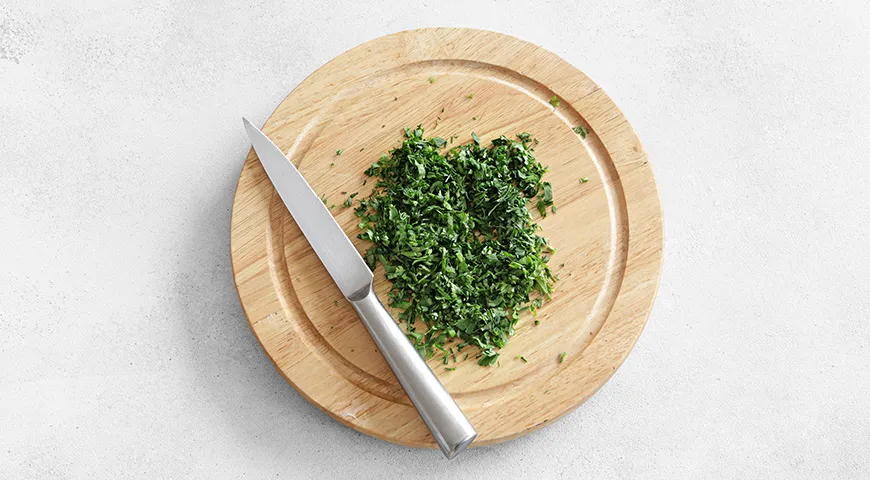
Make the herb sauce. Wash and dry the cilantro, dill, and parsley. Pick the leaves from the stems (reserve stems for stock) and finely chop them. Press the garlic cloves. In a small bowl, combine sour cream, chopped herbs, garlic, and season with salt and pepper – mix well. For a thinner sauce, stir in a tablespoon of kefir or water. A microwave pressure cooker can steam fresh herbs to soften them if you prefer a more mellow flavor.
-
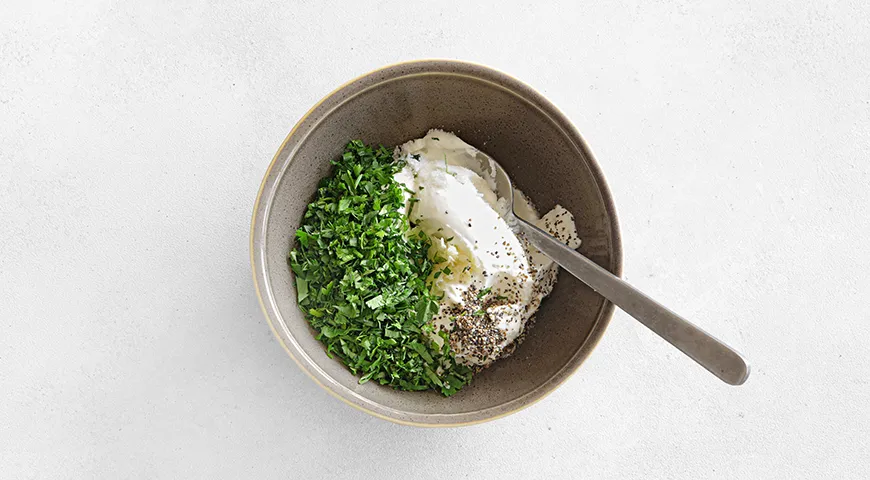
Complete the sauce. Stir together sour cream, herbs, and garlic. Taste and adjust salt, pepper, or add a pinch of sugar. The sauce can be made a day ahead and refrigerated – bring to room temperature before serving.
-
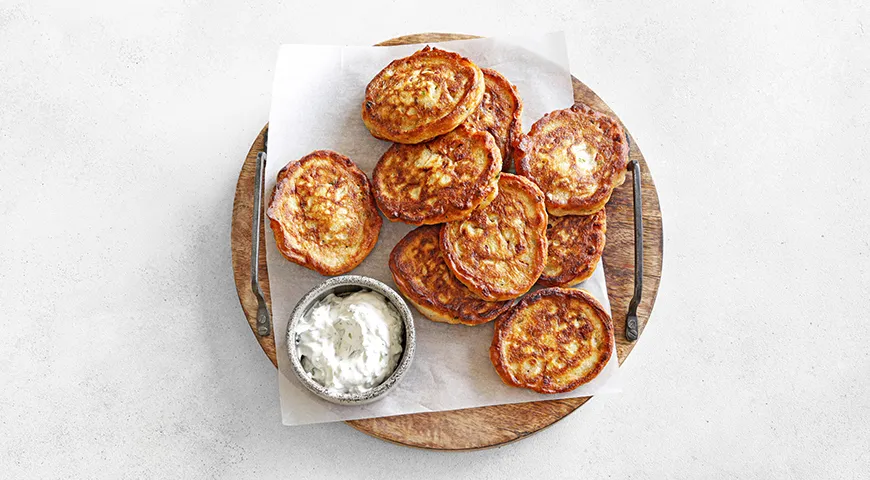
Serve. Arrange the warm pancakes on a platter. Serve immediately with the herb sauce, or with melted butter, adjika, or plain sour cream. Garnish with extra chives. These pancakes also pair beautifully with a crisp salad.
Tips for Perfect Oladi
• Achieve the ideal batter consistency – it should be thick enough to hold its shape on the spoon but still drop easily. If the batter is too thin, add a tablespoon of flour; too thick, add a splash of kefir.
• Do not overmix the batter after adding the dry ingredients – a few lumps are fine and guarantee a tender crumb.
• Keep the oil temperature moderate; if it smokes, reduce the heat. For fuss‑free frying, a precision oil sprayer helps control the amount.
• To keep pancakes warm while you finish the batch, place them on a baking sheet in a 100°C oven. A built‑in refrigerator with a warming drawer is ideal for entertaining.
Variations
• Swap the smoked sausage for cooked bacon, ham, or even leftover roast pork. For a vegetarian version, use sautéed mushrooms and smoked tofu.
• Experiment with the cheese – aged Gouda adds nuttiness, while feta or goat cheese gives a tangy kick.
• Add a handful of fresh corn kernels or finely diced bell peppers for sweetness and crunch.
• Omit the rye flour entirely for a lighter, all‑wheat pancake, or use whole wheat for a more rustic bite. If you enjoy baking, see our Catalan sponge cake recipe for another flour‑based treat.
• For a gluten‑free option, replace the flours with a 1:1 gluten‑free blend and add 1 teaspoon of xanthan gum.
Frequently Asked Questions
Can I make the batter ahead of time?
Yes, you can refrigerate the batter (without the cheese and sausage) up to 8 hours. Fold in the add‑ins just before frying. The batter may thicken; thin with a little kefir if needed.
What type of kefir works best?
Full‑fat or 2.5% kefir provides the best flavor and tenderness. Low‑fat kefir can be used but the pancakes may be less moist. Avoid Greek yogurt – it is too thick and will alter the consistency.
Can I bake these instead of frying?
Absolutely. Drop spoonfuls of batter onto a parchment‑lined baking sheet, flatten slightly, and bake at 200°C (400°F) for 12–15 minutes, flipping halfway. They will be less crispy but equally delicious. A non‑toxic air fryer also works beautifully – cook at 190°C for 8 minutes, shaking the basket halfway.
How do I reheat leftover pancakes?
Reheat in a dry skillet over medium heat for 1–2 minutes per side, or in a toaster oven. Microwaving will make them soggy. For a quick breakfast, a coffee maker doesn’t help here, but a small countertop oven is perfect.
Can I freeze these pancakes?
Yes. Cool completely, then freeze in a single layer on a baking sheet. Transfer to a zip‑top bag. Reheat directly from frozen in a 180°C oven for 10 minutes. For best results, do not freeze the sauce – make it fresh.
What can I serve alongside these pancakes?
A crisp cucumber and tomato salad with a light vinaigrette balances the richness. For a heartier meal, serve with roasted vegetables or a bowl of borscht. And for a beverage, consider a quality organic vodka if you want an authentic Russian pairing.







