


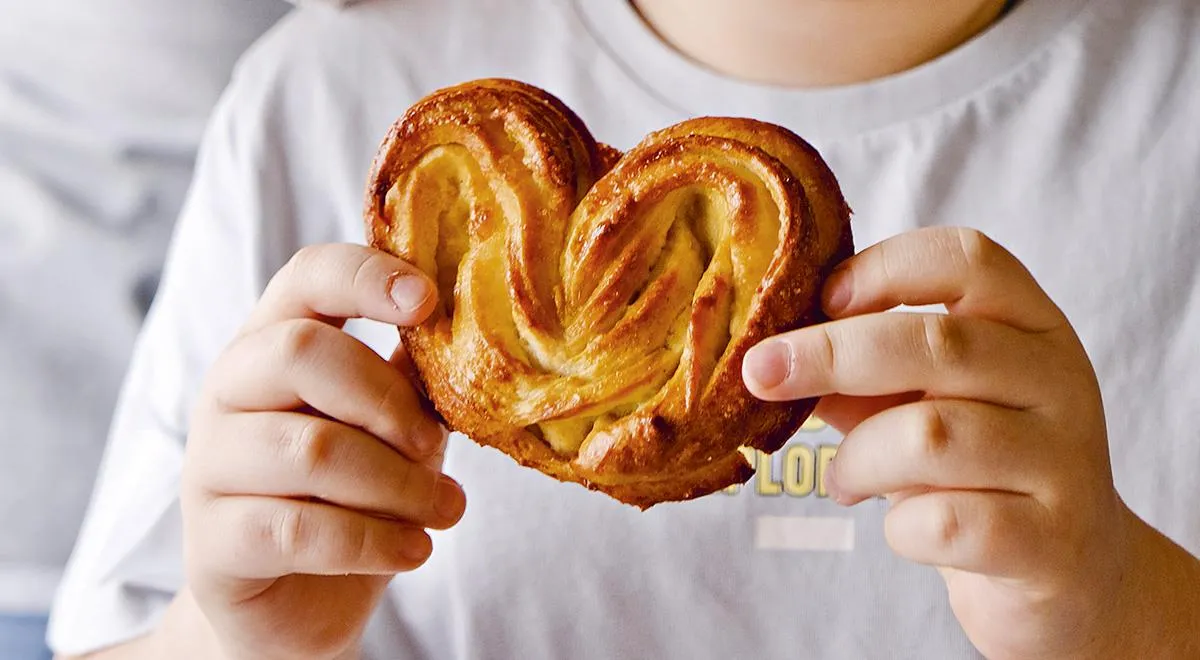
There are few pleasures as simple and profound as pulling a tray of freshly baked Russian sugar plushki from the oven. These soft, yeasted buns—swirled into heart shapes and dusted with sparkling sugar—are a beloved staple from the Baltic to the Urals. The name plyushki derives from the Russian verb plyushit meaning to flatten or roll, which perfectly describes the technique of rolling, folding, and cutting the dough to create those iconic flaky layers. Whether you call them sugar buns, twisted hearts, or sweet rosettes, these pastries deliver a nostalgic bite of Eastern European home baking. And with this detailed guide, you will master the art of making plushki from scratch—no prior experience required.
About Russian Sugar Plushki
In Russian culinary tradition, plushki with sugar occupy a special place alongside Catalan sponge cakes and other European pastries. Unlike the denser German Schnecken or the butter-laden French pain au chocolat, plushki are leaner—made with vegetable oil instead of butter—which keeps them tender and light. They are often served for breakfast or as an afternoon treat with a glass of cold milk or hot George Howell coffee. The dough, enriched with milk and oil, rises to a cloud-soft texture while the sugar filling caramelizes into a delicate crust. This recipe yields twelve generous buns, perfect for sharing.

Ingredients
- 700 g all-purpose flour (plus extra for dusting)
- 300 ml warm milk (about 37°C)
- 150 g granulated sugar (divided for dough and filling)
- 200 ml vegetable oil (sunflower or canola)
- ½ tsp salt
- 1 large egg (for egg wash)
- 1 tbsp active dry yeast (or instant)
- 1 tbsp water (for egg wash)
Step-by-Step Instructions
Yields 12 plushki | Total time: 2 hours 40 minutes (including rising)
Step 1: Prepare the Dough
In a large mixing bowl, combine the warm milk, salt, 2 tablespoons (30 g) of sugar, and the dry yeast. Stir to dissolve. Gradually add two-thirds of the flour (about 470 g) and 4 tablespoons (60 ml) of vegetable oil. Begin mixing with a wooden spoon or your hands. Add the remaining flour 1 tablespoon at a time, kneading until the dough pulls away from the sides of the bowl and is no longer sticky. Shape into a ball, cover the bowl with plastic wrap, and let rise in a warm spot for 1½ hours, until doubled in volume. Using a planetary mixer with a dough hook can streamline this step.

Step 2: Shape the Buns
Preheat your oven to 180°C (350°F). Line a baking sheet with parchment paper. In a small bowl, beat the egg with 1 tablespoon of water to create an egg wash. Lightly dust a work surface with flour. Punch down the risen dough and knead briefly. Divide into 12 equal portions (about 100 g each) and roll each into a smooth ball.
Take one ball and roll it into a thin oval, about 5 mm thick. Brush the surface lightly with vegetable oil, then sprinkle with about 1 teaspoon of sugar. Starting from the longer side, roll the dough tightly into a log. Bend the log in half, bringing the two ends together. Using a sharp knife, cut through the folded log lengthwise from the curved side, stopping about 1 cm from the ends. Open the two halves like a book to reveal a heart shape. Gently flatten the heart with your palm. Repeat with remaining dough.
For consistent thickness, a food processor can help if you pre-measure the sugar-oil mixture, though hand shaping is traditional.

Step 3: Bake to Golden Perfection
Arrange the shaped plushki on the prepared baking sheet, leaving at least 2 cm of space between each (they will expand). Brush each bun generously with the egg wash, then sprinkle with the remaining sugar (about 2 tablespoons total) to create a crunchy topping. Bake in the center of the oven for 25 minutes, until deeply golden brown and the sugar glaze bubbles. Transfer to a wire rack to cool completely. For an extra-crisp finish, use an air fryer set at 170°C for the last 5 minutes, though the oven method works beautifully.

Tips for Perfect Plushki
- Temperature matters: Use milk at around 37°C—too hot kills yeast, too cold slows rising.
- No over-kneading: Stop when the dough is smooth and elastic; overworked dough makes tough buns.
- Even shaping: Roll the logs uniformly tight; loose rolls create uneven layers.
- Egg wash for shine: A whisked egg with a splash of water gives the deepest golden crust.
- Use a best oil sprayer for an even application of oil on the dough.
- For a dairy-free version, substitute milk with unsweetened almond or oat milk.
Variations to Explore
Once you master the classic sugar plushki, try these twists:
- Cinnamon-Sugar: Add 2 teaspoons of cinnamon to the sugar for a spiced version.
- Poppy Seed: Replace sugar with a poppy seed paste (poppy seeds, honey, butter) for a traditional Eastern European filling.
- Chocolate Swirl: Spread a thin layer of Nutella or chocolate-covered raisins before rolling.
- Savory: Omit sugar and brush with garlic butter and herbs—perfect alongside soups.
Experimentation is easier with a reliable commercial countertop convection oven that ensures even heat distribution.
Frequently Asked Questions
Can I use instant yeast instead of active dry?
Yes. Instant yeast does not need proofing—mix it directly with the dry flour. Reduce the quantity slightly: 1 teaspoon instant yeast equals ⅔ teaspoon active dry.
Why are my plushki not rising?
Possible reasons: expired yeast, liquid too hot or too cold, or a drafty kitchen. Always check the expiry date and let the dough rise in a warm (not hot) spot, like a turned-off oven with the light on.
How do I store leftover plushki?
Store in an airtight container at room temperature for up to 2 days. To re-crisp, warm in a wall oven microwave combo with air fryer for 3 minutes at 160°C.
Can I freeze the unbaked shaped buns?
Absolutely. Shape the plushki, place them on a tray, freeze until solid, then transfer to a zip-top bag. Bake from frozen, adding 5–7 extra minutes.
What can I use instead of vegetable oil in the dough?
Melted butter or coconut oil work well, though the texture will be slightly richer. For a neutral flavor, stick with sunflower or canola oil.
Why is my sugar topping melting into the dough?
If you apply the egg wash before adding the sugar, the granules adhere better and form a crunchy shell. Also, use coarse sugar like turbinado for a more dramatic crunch.
Can I make a smaller batch?
Yes, halve all ingredients. Or make the full batch and freeze half after baking.
For more Eastern European baking inspiration, explore Catalan sponge or pair these buns with a sweet high-alcohol wine for a grown-up dessert.
Enjoy your homemade plushki while still slightly warm, when the sugar shatters and the dough pulls apart into feather-light strands. This recipe, rooted in Russian home kitchens, is your ticket to a comforting, shareable treat that never goes out of style.







