


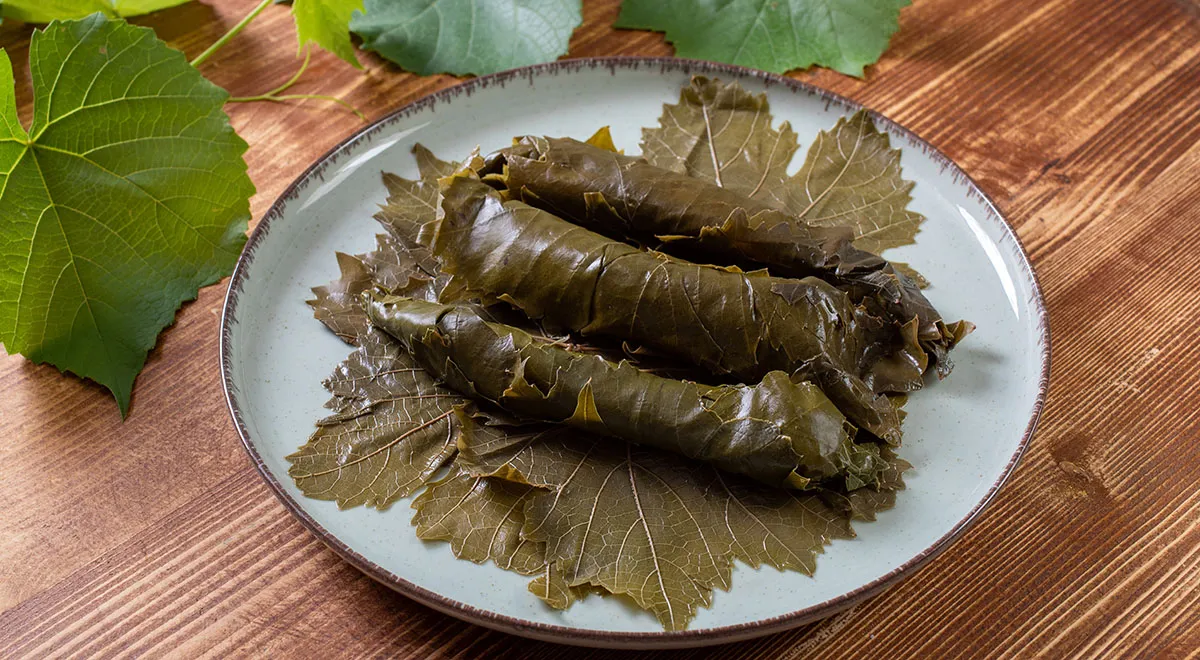
Preserving the essence of summer to savor year-round is a cherished tradition, and few ingredients capture the rustic soul of Mediterranean and Middle Eastern cuisines like tender grape leaves. While fresh leaves are delightful, marinating them in a tangy brine extends their life and deepens their flavor, making them perfect for dolma, salads, or braised dishes. This recipe for pickled grape leaves is surprisingly simple: it depends solely on the marinade's character. For a sharper, more acetic punch, substitute apple cider vinegar with 9% spirit vinegar; for a softer, harmoniously fruity note, use natural grape vinegar, white or red. Adjust salt to your palate. The result is magnificent pickled grape leaves with a gentle sourness, ready to elevate your cooking anytime. In this guide, we walk you through every step, from blanching to jarring, with expert tips for flawless results.
About This Recipe
Grape leaves have been used for centuries across the Caucasus, Balkans, and Middle East, most famously as the wrapper for dolma — a savory stuffed parcel of rice, herbs, and sometimes meat. While fresh leaves offer a delicate texture, preserving them through pickling ensures you have a ready supply even when vines are dormant. The acid in the marinade not only conserves the leaves but also imparts a delicate tang that cuts through rich fillings. This recipe uses apple cider vinegar for a mild acidity, but you can experiment with wine vinegars for complexity. The key is to blanch the leaves just until they change color — about 20 seconds — to soften them without losing integrity. Once rolled and packed into sterile jars, they will keep for months in a cool, dark pantry. For optimal storage, maintain a consistent temperature.

Ingredients
- 1 liter drinking water
- 180 ml apple cider vinegar (6% acidity)
- 1 tablespoon sugar
- 1 heaping tablespoon salt
These simple ingredients create a balanced brine. Using a planetary mixer is unnecessary here, but a reliable scale ensures precision for larger batches. For the best glass jars, choose wide-mouth containers that are easy to pack.
Step-by-Step Instructions
- Blanch the Leaves: Prepare and sort fresh grape leaves. Stack them in small piles of 10–12 pieces. Using kitchen tongs, immerse each stack in boiling water for 15–30 seconds on each side, until the leaves change color. The exact time depends on leaf size; avoid over-blanching. Remember that freshly picked leaves should wilt slightly before processing — never use them straight off the vine.
- Roll and Pack: Transfer the blanched stacks to a tray, gently squeeze out excess water, and roll each stack into a tight cylinder, tucking in the edges as you would for dolma. Stand these rolls upright in sterile jars, pressing them firmly together. A liter jar holds about 120 leaves, but smaller jars work well for smaller households. For help with nut-based fillings later, a food processor comes in handy.
- Prepare the Marinade: In a saucepan, combine water, sugar, and salt. Bring to a boil, stirring until the salt and sugar dissolve completely. Add the vinegar and return to a boil. Pour this hot brine over the packed leaves, filling the jars to the brim. Seal with sterile lids, cover with a towel, and allow to cool undisturbed. Your pickled grape leaves are now ready for long-term storage.
Tips for Perfect Pickled Grape Leaves
- Always use young, tender leaves from spring or early summer; older leaves become tough and bitter. For organic produce, wash thoroughly.
- Blanch in small batches to maintain water temperature. Using a countertop convection oven is not recommended for this step, but a large pot works perfectly.
- Sterilize jars and lids properly — consider a steam canner for efficiency.
- Adjust vinegar and salt to your taste; this recipe is a starting point. A spray oil can help coat the jar rims for a better seal.
- Cool jars slowly to prevent breakage and ensure a strong vacuum seal.
Variations
This basic technique welcomes customization. Swap apple cider vinegar with white wine vinegar for a milder tang, or use red grape vinegar for a deeper color and fruitier note. Add aromatics like black peppercorns, bay leaves, or garlic cloves to the brine for extra complexity. If you prefer less acidity, reduce the vinegar and add a squeeze of fresh lemon juice after opening. For a pressure cooker approach, you can process the jars for longer shelf life, though the hot-pack method above is sufficient for several months. Experiment with brine ratios to suit your dolma fillings, whether vegetarian or meat-based.
Frequently Asked Questions
How long do pickled grape leaves last?
When stored in a cool, dark place, properly sealed jars remain good for up to one year. Once opened, refrigerate and use within two weeks. For refrigerator storage, ensure the leaves are fully submerged in brine.
Can I use this recipe for canning without a water bath?
Yes, the high acidity of vinegar makes this a safe pickle for shelf-stable storage without processing. However, for absolute safety, a 10-minute water bath can be added. Alternatively, use a steam canner for convenience.
What is the best vinegar percentage?
This recipe uses 6% apple cider vinegar. If using 9% spirit vinegar, reduce the quantity slightly to avoid overpowering sourness. For a fruitier profile, opt for unseasoned rice vinegar or sweet wine vinegar with a similar acidity.
Can I prepare pickled grape leaves without blanching?
Blanching is essential to soften the leaves and remove bitterness. Skipping this step results in tough, unpleasant leaves. For a quick alternative, blanch in a toaster oven with steam? Not recommended — stick to the classic method.
Are pickled grape leaves suitable for dolma?
Absolutely! The pickling brine adds a delightful tang that complements the filling. Just rinse the leaves briefly if you prefer a milder flavor. For a healthier twist, you can also use them in salads or as wraps for grilled fish. Pair with a quality coffee for a unique brunch idea.
Why are my leaves turning brown?
Oxidation can occur if leaves are not fully submerged in brine or if the jars are not sealed properly. Ensure no air pockets remain. Using an oil sprayer to lightly coat the top layer can help prevent discoloration.







