


There is something quietly captivating about a homemade pirozhok—the golden, pillowy dough yielding to a filling that dances between sweet and tart. In Russian cuisine, sorrel (shchavel) often takes center stage in spring soups and salads, but tucked inside yeast dough with a hint of sugar and a hard‑boiled egg, it becomes something extraordinary. These oven‑baked sorrel and egg pirozhki are a celebration of contrasts: the delicate acidity of the leaves mellowed by sweetness, the rich yolk adding a creamy counterpoint. Best enjoyed warm from the oven, they taste like a gentle embrace of nostalgia and innovation.

About the Recipe
This recipe transforms humble garden sorrel into a refined filling that pairs beautifully with a soft, buttery yeast dough. The sorrel is chopped, mixed with sugar and cornstarch (to absorb excess moisture), then combined with chopped hard‑boiled egg. The dough—enriched with milk, butter, and a whole egg—rises twice for maximum tenderness. After shaping and a final egg‑wash glaze, the pirozhki bake at 180°C until deep golden. The result: interiors that are moist yet never soggy, with a just‑right balance of tang and sweetness. This is the kind of baking that impresses without fuss, perfect for a spring tea party or a comforting weekend project.
Key Ingredients
- Sorrel (400 g): Fresh, tender leaves are best. They provide the signature sour note that makes these pirozhki so memorable.
- Eggs: One large egg goes into the dough; another is hard‑boiled for the filling. An extra yolk creates a glossy, burnished crust.
- Sugar (100 g total): Divided—50 g for the dough, 50 g for the filling. The sweetness tames the sorrel’s acidity.
- Cornstarch (1 tbsp): Keeps the filling from becoming watery during baking.
- Dry yeast (7 g): Not listed in the original ingredients but essential for the dough’s rise.
- Flour (550–600 g), Milk (300 ml), Butter (70 g): The foundation for a soft, slightly enriched dough that bakes up tender.
For the best results, use high‑quality ingredients. A planetary mixer can make kneading effortless, and a food processor helps if you want to finely chop the sorrel. A precise refrigerant leak detector isn’t needed here, but a reliable oven thermometer ensures accurate baking temperature.
Step‑by‑Step Instructions
1. Activate the Yeast
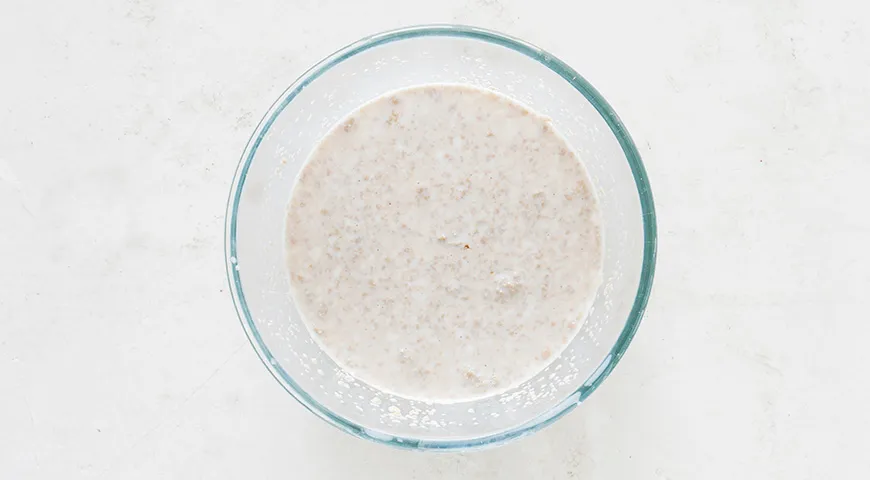
Heat 300 ml of milk to about 35°C. Pour into a bowl, add 50 g sugar and 7 g dry yeast. Stir gently and let stand in a warm spot for 15 minutes. When small bubbles appear on the surface, the yeast is active and ready.
2. Make the Dough
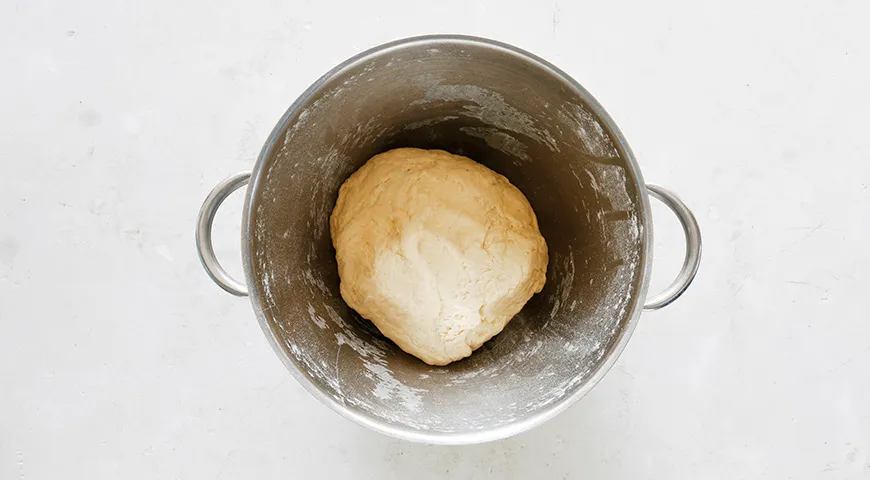
Melt 70 g butter and let it cool slightly. To the yeast mixture, add 1 teaspoon salt, 1 whole egg, and the cooled butter. Whisk until combined. Gradually add 550–600 g flour, stirring until a soft, elastic dough forms. Knead for 8–10 minutes by hand or in a planetary mixer with a dough hook. The dough should be smooth and barely sticky.
3. First and Second Rise
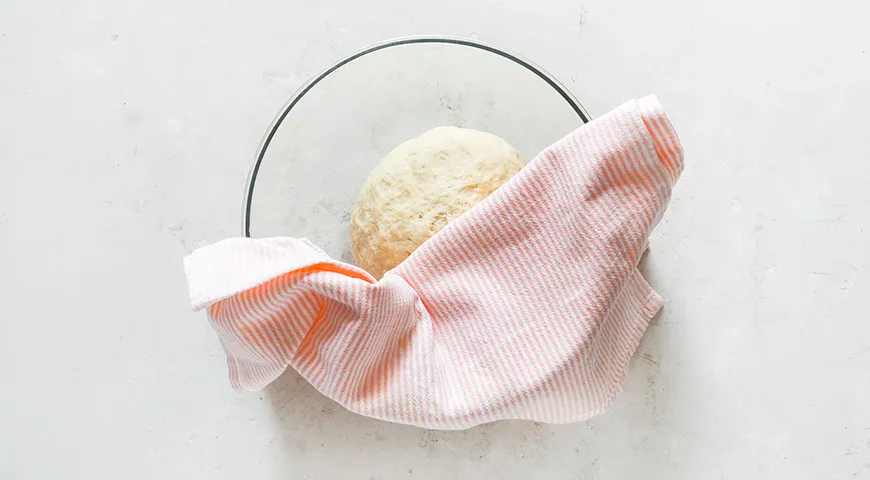
Cover the bowl with a clean kitchen towel and let the dough rise in a warm place for 1½ hours, until doubled in bulk. Punch it down, then let it rise again for about 45 minutes. Turn the dough onto a lightly floured surface, shape into a ball, and rest for 15 minutes.
4. Prepare the Sorrel Filling
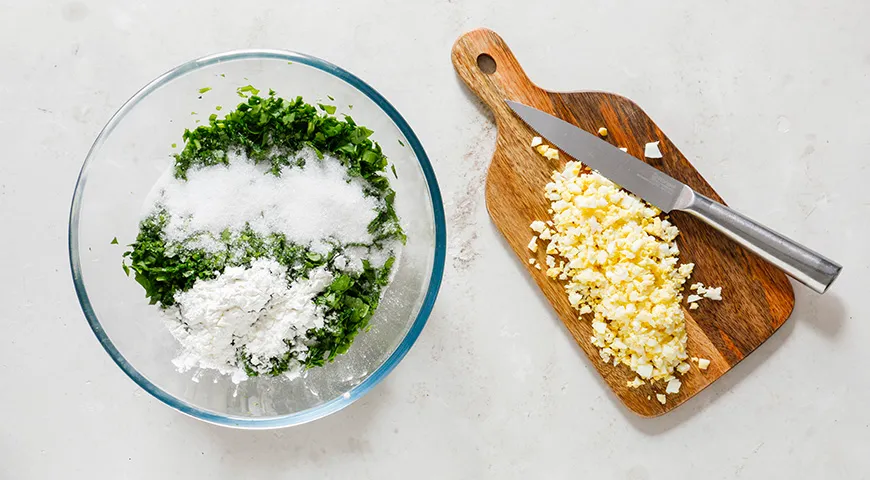
While the dough rests, wash and thoroughly dry 400 g sorrel. Finely chop the leaves and place them in a bowl. Sprinkle with 50 g sugar and 1 tablespoon cornstarch, then stir. Peel and finely chop the hard‑boiled egg and add it to the sorrel mixture. Mix well.
5. Shape and Glaze the Pirozhki
Divide the rested dough into equal pieces (about 12–14). Roll each into a ball, cover with a towel, and let rest 15 minutes. Flatten each ball into a disc, either by hand or with a rolling pin. Place a generous spoonful of filling in the center, then pinch the edges firmly to seal. Arrange seam‑side down on a parchment‑lined baking sheet. Whisk the remaining yolk with 1 teaspoon water and brush over each pirozhok.
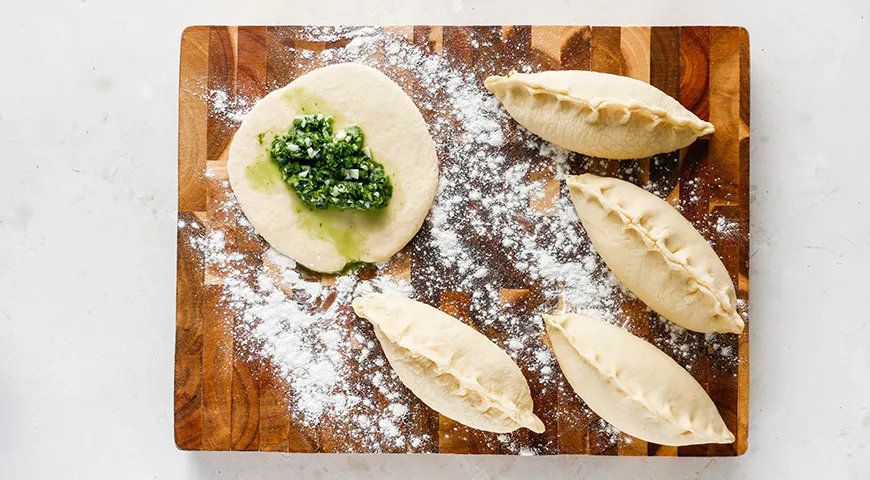
6. Bake to Golden Perfection
Preheat the oven to 180°C. Bake the pirozhki for about 20 minutes, until the crust is deep golden and the filling is bubbling. Remove from the oven, cover with a towel, and let cool for 15 minutes before serving.
Tips for Perfect Pirozhki
- Don’t skip the cornstarch: It prevents the sorrel from releasing too much liquid, keeping the dough from becoming soggy.
- Seal tightly: Pinch the edges firmly to avoid leaks. If needed, use a fork to crimp the seam.
- Use a kitchen scale for consistent dough portioning. A good oil sprayer can help grease the bowl lightly.
- Let them rest after baking: The steam inside continues to soften the filling; 15 minutes under a towel yields the perfect texture.
Variations
- Herb surprise: Add a few chopped mint or parsley leaves to the sorrel filling for a fresh twist.
- Cheese addition: Crumbled feta or ricotta (30–40 g) complements the sourness beautifully.
- Whole‑grain twist: Replace 100 g of white flour with whole‑wheat or spelt flour for a nuttier dough.
- Sweet option: Increase the sugar in the filling to 70 g and omit the egg for a purely fruity tart version.
Frequently Asked Questions
Can I use frozen sorrel?
Yes, but thaw it completely and squeeze out excess moisture before mixing with sugar and starch. The filling will be slightly wetter, so add an extra tablespoon of cornstarch.
Can I make the dough in a bread machine?
Absolutely. Use the dough cycle for a planetary mixer or bread machine. The result is equally tender.
How do I store leftover pirozhki?
Keep them in an airtight container at room temperature for up to 2 days. Reheat in a 150°C oven for 5 minutes to restore crispness. Avoid microwaving, as it makes the dough chewy.
Can I freeze these pirozhki?
Yes. Freeze unbaked, shaped pirozhki on a tray, then transfer to a freezer bag. Bake directly from frozen, adding 5–7 extra minutes. Alternatively, bake, cool completely, and freeze tightly wrapped.
What can I substitute for eggs in the dough?
For a vegan version, replace the egg with 1 tablespoon flaxseed meal mixed with 3 tablespoons water. The dough will be slightly less rich, but still workable.
For more spring baking inspiration, explore our Catalan sponge cake or air‑fryer recipes. If you enjoy traditional Russian pastries, you might also love combined microwave‑oven baking tips. And when serving, pair these pirozhki with a sweet high‑alcohol wine or a cup of George Howell coffee for a complete experience.
Why did my filling leak out?
Usually this happens when the dough seams aren’t sealed tightly or when the filling is too wet. Ensure the sorrel is well dried before chopping, and pinch the edges with conviction. A food processor can help chop the leaves evenly without bruising.
With these tips, your oven‑baked sorrel and egg pirozhki will become a beloved seasonal staple. The interplay of tart sorrel, sweet dough, and creamy egg is a reminder that the simplest ingredients, treated with care, can create something truly memorable.







