


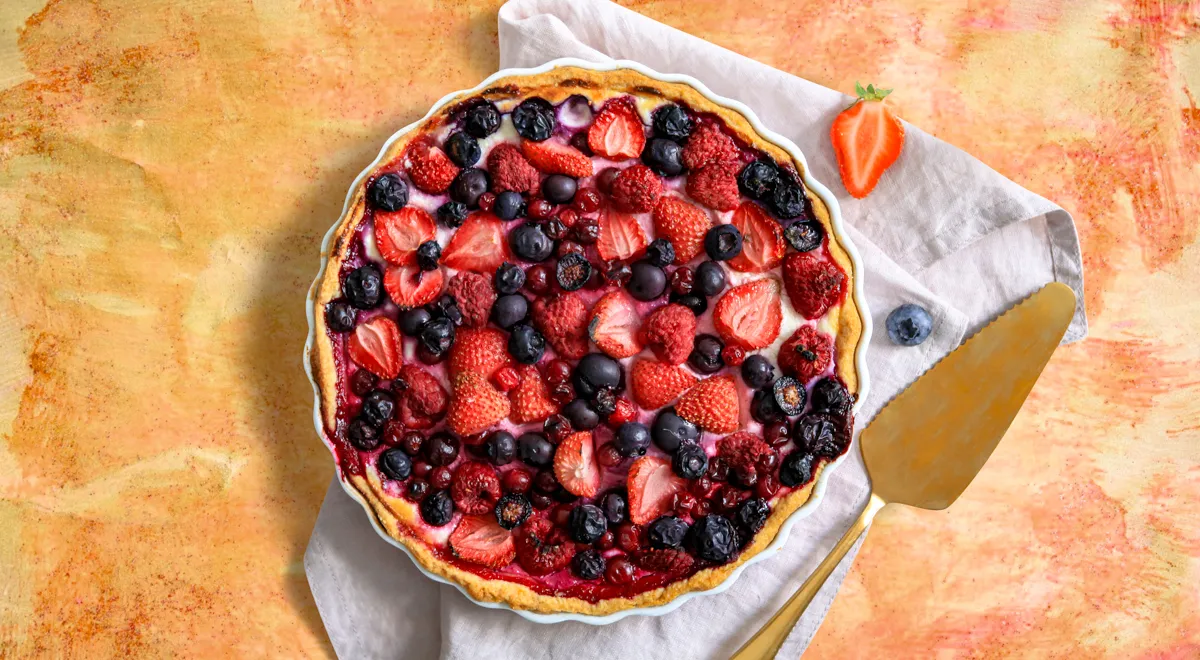
This open-faced pie, a beloved staple of Russian home baking, marries a buttery, shortcrust base with a luxuriously creamy cottage cheese filling and a vibrant crown of seasonal berries. It is a dessert that effortlessly balances rustic charm with refined elegance—perfect for afternoon tea, a celebratory brunch, or a comforting weekend treat. The key to its success lies in using ice-cold butter for the pastry and achieving a silky, lump-free filling. With the right techniques and a few quality tools, you can recreate this stunning dessert in your own kitchen.
About This Classic Russian Open Pie
This open pie, known in Russian as otkrytyj pirog s tvorozhnoj nachinkoj i jagodami, is a celebration of simplicity. The pastry is a classic rubbed-in dough, where cold butter is incorporated into flour to create a tender, crumbly texture that beautifully complements the soft filling. The star of the show is tvorog—a fresh, slightly tangy farmer's cheese that is lighter than cream cheese but richer than yogurt. When blended with sugar and eggs, it transforms into a cloud-like custard. Berries—whether tart raspberries, sweet blueberries, or sour red currants—provide a burst of color and acidity that cuts through the richness. This pie is traditionally served slightly warm or at room temperature, often dusted with powdered sugar.

Ingredients
For the Pastry:
- Wheat flour – 200 g
- Unsalted butter – 150 g (very cold)
- Egg – 1 large
- Sugar – 80 g (about 3 tbsp)
- Salt – a couple of pinches
For the Filling:
- Full-fat cottage cheese (or tvorog) – 200 g
- Eggs – 2 large
- Sugar – 100 g
- Salt – a pinch
- Vanillin – a pinch (or 2 tsp vanilla sugar)
- Fresh or frozen berries – 150–200 g
Step-by-Step Instructions
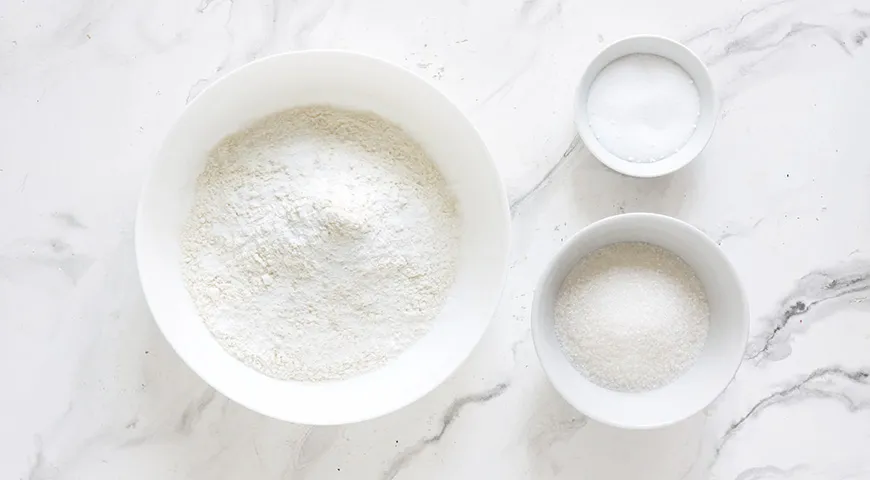
Step 1: Prepare the dry ingredients. Sift the flour into a deep bowl to aerate it. Add the sugar and salt, and stir to combine. Sifting not only removes lumps but also ensures a lighter, more tender pastry crust. For perfect mixing, a quality food processor like the one reviewed in our best glass food processor guide can make this step effortless.
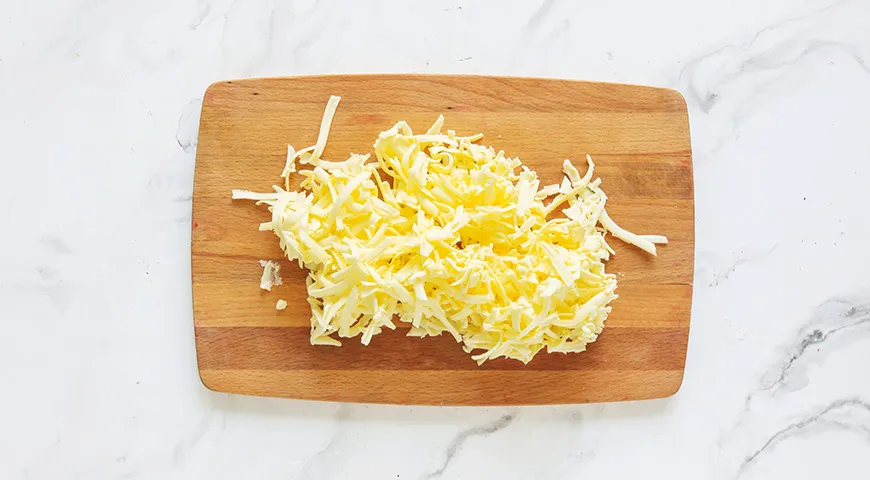
Step 2: Grate the cold butter. Place the butter in the freezer for at least 15 minutes—it must be rock-hard. Grate it on the large holes of a box grater or chop it finely with a knife. Working quickly prevents the butter from softening. For a faster, mess-free method, a food processor designed for nut butters also handles cold butter beautifully.
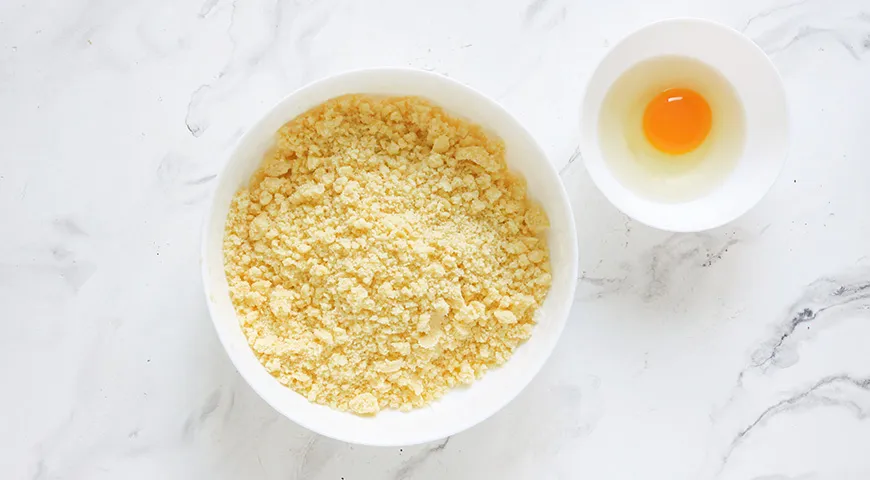
Step 3: Combine and rest the dough. Add the grated butter to the flour mixture and rub it in with your fingertips or a pastry cutter until it resembles coarse crumbs. Add the egg and mix just until a soft, non-sticky dough forms. Shape into a disc, wrap in plastic, and refrigerate for 20 minutes. Chilling relaxes the gluten and keeps the butter solid for a flaky crust.
Step 4: Make the filling. In a deep bowl, combine cottage cheese, sugar, eggs, salt, and vanillin. Blend with an immersion blender or stand mixer until completely smooth and creamy. For the smoothest results, consider using a non-toxic immersion blender that offers consistent power and safety.
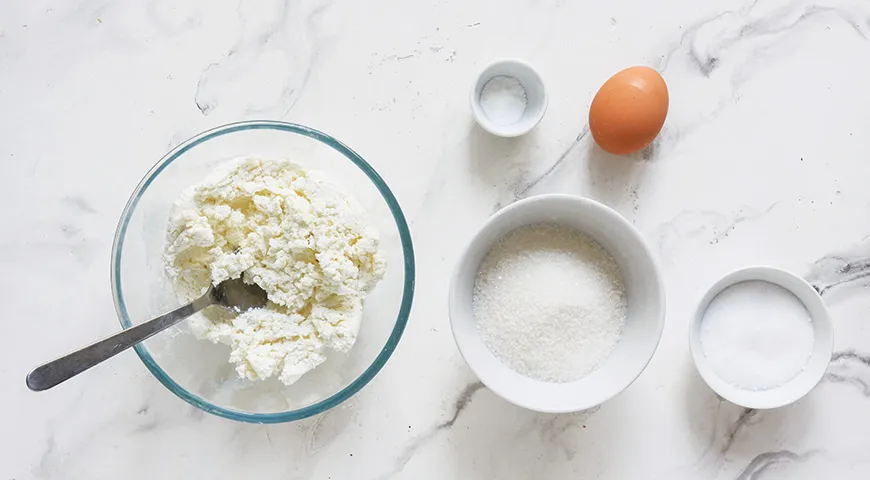
Step 5: Prepare the berries. If using fresh berries, wash and drain them thoroughly. For frozen berries, thaw them first, then drain excess liquid in a colander. Pat dry with a clean kitchen towel—excess moisture can make the filling watery. Choose your favorite mix; best chocolate-covered raisins aren't needed here, but a handful of tart currants works wonders.
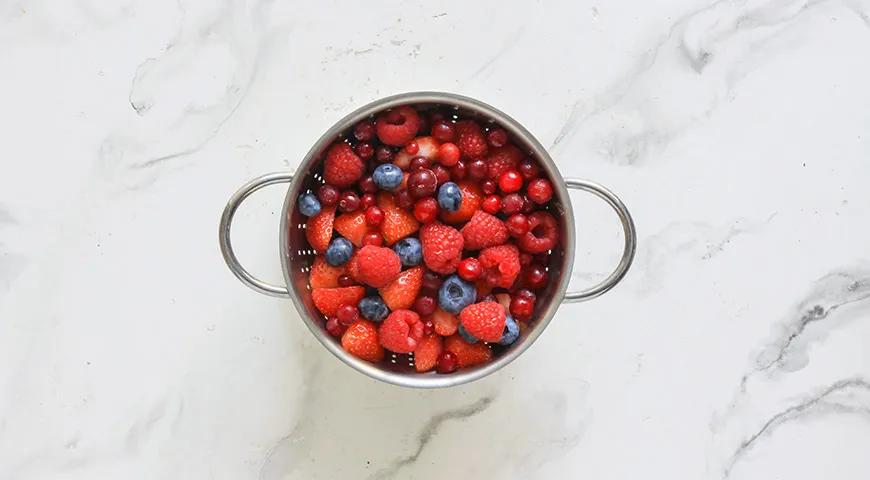
Step 6: Line the pan. Remove the dough from the fridge. Line a tart pan (approximately 22–24 cm) with parchment paper. Press the dough evenly into the bottom and up the sides to form a rim—no need for a rolling pin, just use your fingers. Alternatively, roll it out between two sheets of parchment for a more uniform thickness.
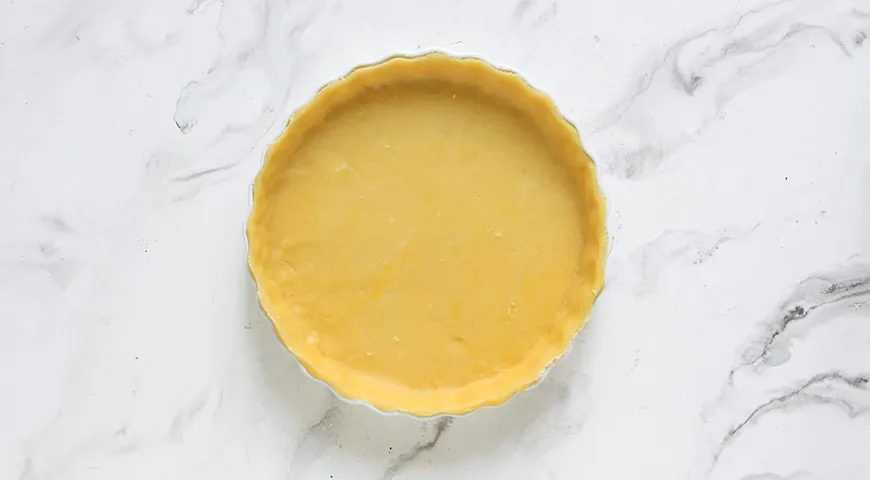
Step 7: Assemble the pie. Pour the cottage cheese filling onto the dough, spreading it evenly without letting it spill over the edges. Gently scatter the prepared berries over the top, pressing them lightly into the filling. Arrange them as densely or sparsely as you like.
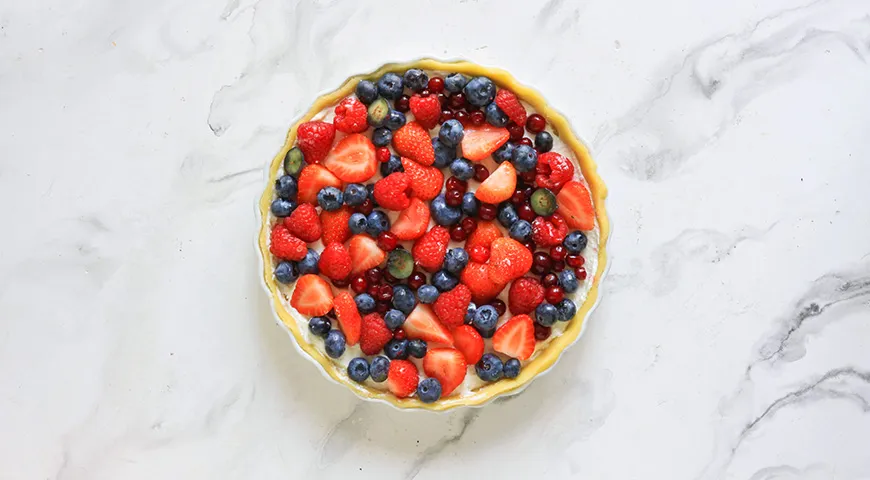
Step 8: Bake. Preheat your oven to 180°C (350°F). Bake the pie for 30–35 minutes, until the crust is golden and the filling is set (it should jiggle only slightly in the center). If the top browns too quickly, tent with foil. A reliable oven, like the best commercial countertop convection oven, ensures even heat distribution.
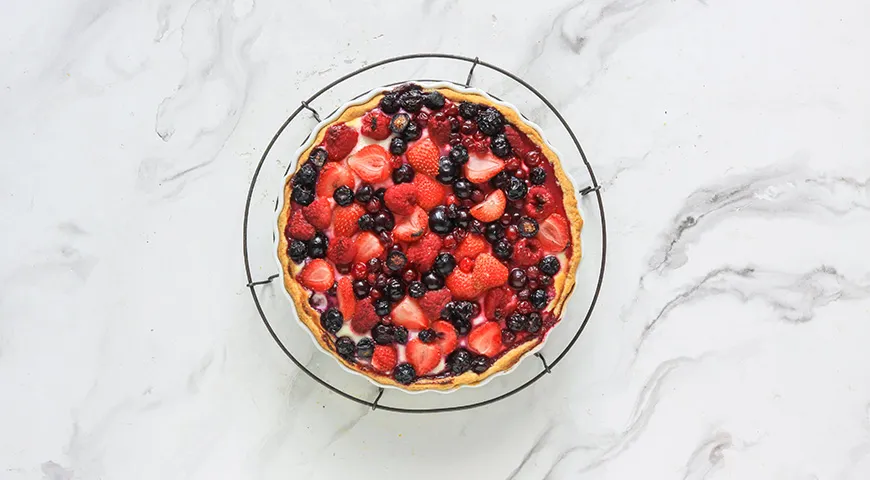
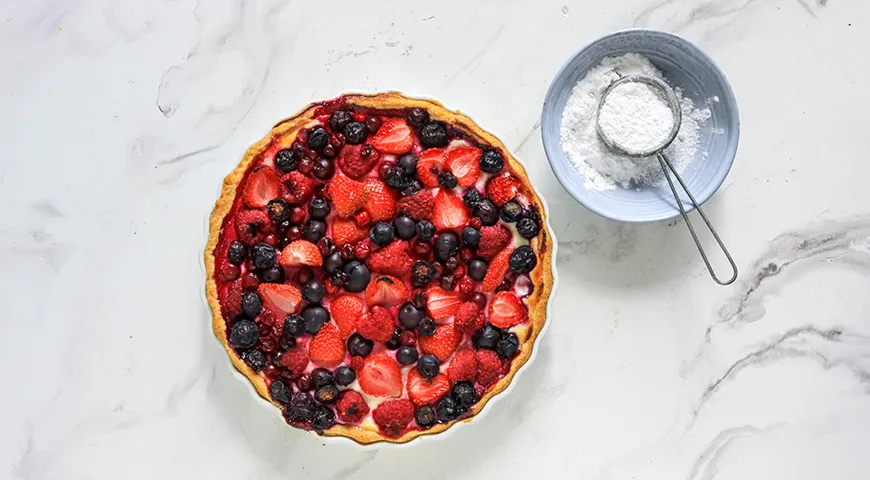
Step 9: Cool and serve. Let the pie cool completely in the pan on a wire rack. Once cool, carefully lift it out using the parchment. Dust with powdered sugar or sprinkle with finely chopped nuts if desired. Slice and enjoy with tea, coffee, or a cup of George Howell coffee for a truly elevated experience.
Tips for a Perfect Open Pie
- Keep everything cold: For the flakiest pastry, ensure your butter and even the flour are cold. If the dough becomes sticky, chill it again before pressing into the pan.
- Drain your berries: Frozen berries release a lot of juice. Tossing them with a tablespoon of cornstarch before adding can help absorb excess liquid and prevent a soggy bottom.
- Blend the filling thoroughly: Cottage cheese can be lumpy. Use a powerful planetary mixer or a high-speed blender to achieve a silky consistency.
- Don’t overbake: The filling should be just set – a slight wobble is fine. Overbaking can cause cracks and a dry texture.
- Use a quality oil sprayer: Lightly greasing the parchment with an oil sprayer prevents sticking and makes removal a breeze.
Variations to Explore
This versatile recipe invites creativity. Swap the berries for sliced stone fruits like peaches or plums in summer. Add a layer of jam or lemon curd under the filling for extra tang. For a gluten-free version, substitute the wheat flour with a high-quality gluten-free blend (but note that the texture will be more delicate). You can also fold a teaspoon of orange zest into the filling for a fragrant twist. And if you love chocolate, scatter a handful of dark chocolate chips over the berries before baking—inspired by the best lava flavors approach.
Frequently Asked Questions
Can I use low-fat cottage cheese?
Full-fat cottage cheese (at least 9% fat) yields a creamier, more stable filling. Low-fat versions can make the filling watery and less rich. If you must use low-fat, drain it in a cheesecloth for an hour before using.
Do I have to use fresh berries?
No, frozen berries work perfectly. Just thaw them completely, drain well, and pat dry. Tossing them with a little cornstarch helps thicken any released juices during baking.
How do I store leftovers?
Cover the pie tightly with plastic wrap or store in an airtight container in the refrigerator for up to 3 days. The crust may soften slightly; revive it by warming slices in a low oven (150°C) for 5–7 minutes.
Can I make this pie ahead of time?
Absolutely. You can prepare the dough a day in advance and keep it refrigerated. The assembled pie can also be baked a few hours ahead and served at room temperature. For longer storage, freeze the baked, cooled pie for up to 1 month.
What can I substitute for cottage cheese?
Ricotta or quark are excellent substitutes. Cream cheese mixed with a splash of milk or yogurt can also work, though the filling will be denser and more indulgent.
My crust shrunk during baking—why?
This often happens if the dough is overworked or not chilled enough before baking. Be sure to rest the dough for at least 20 minutes, and when pressing it into the pan, avoid stretching it. Use an undercounter ice maker to keep your ingredients cold if your kitchen is warm.
How can I make the filling even more luscious?
Add a tablespoon of sour cream or mascarpone to the cottage cheese mixture. A tiny splash of vanilla extract (instead of vanillin) also enhances the flavor. For a truly silky texture, pass the filling through a fine-mesh sieve after blending.
This open pie with cottage cheese and berries is a stunning testament to the beauty of simple, high-quality ingredients. With a golden, buttery crust, a cloud-like filling, and jewel-toned fruit, it is a dessert that pleases both the eye and the palate. Serve it with a dollop of crème fraîche or a scoop of vanilla ice cream for an unforgettable finish. For more inspiration, browse our collection of Catalan sponge cake recipes and other classic treats.
Note: Always use fresh, high-quality ingredients and the right tools—from a reliable coffee maker to a precise microwave pressure cooker—to elevate your baking.







