


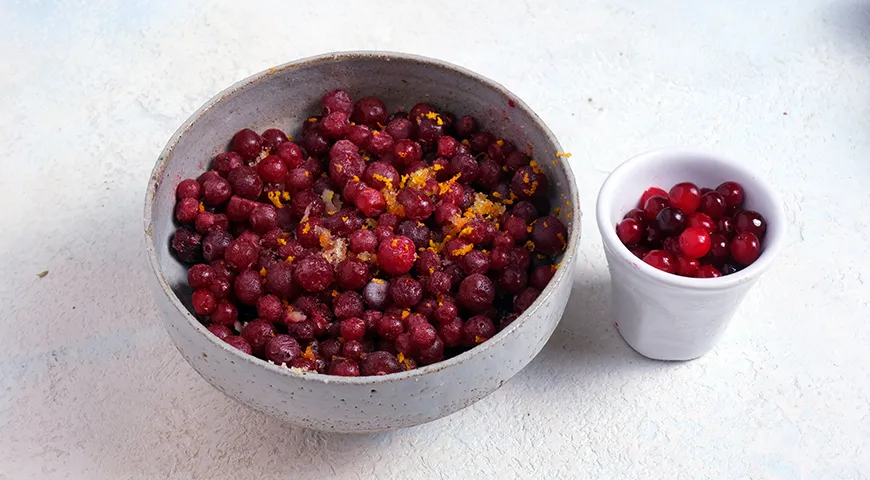
There is something profoundly satisfying about a homemade pie, especially when the filling is a jewel-toned medley of tart lingonberries, fragrant orange zest, and warm cinnamon. This lingonberry pie filling, adapted from a classic Russian recipe, is a masterclass in balancing acidity and sweetness. The key lies in a simple technique: using a touch of flour to absorb excess juice and adding the sugar only at the last moment to prevent the berries from releasing too much liquid. Whether you are a seasoned baker or a curious home cook, this filling will elevate your pastries to new heights. For those who appreciate precision in their kitchen tools, consider exploring the best planetary mixer for dough preparation, or a non-toxic immersion blender for quick citrus zest infusions.
About This Lingonberry Filling
Lingonberries are a staple of Nordic and Russian cuisine, prized for their bright, tart flavor that cuts through the richness of buttery pastry. This recipe transforms frozen or fresh berries into a luscious, jam-like filling with a hint of orange and spice. The beauty of this approach is its restraint—no pectin, no prolonged cooking. Instead, the flour acts as a gentle thickener, while the late addition of orange-sugar mixture ensures each berry retains its shape. For best results, use a spacious refrigerator to chill your dough, and a commercial countertop convection oven for even baking.

Ingredients
- 300 g lingonberries (fresh or frozen)
- ½ orange (for zest)
- 100 g granulated sugar
- 2 tablespoons all-purpose flour
- ¼ teaspoon ground cinnamon
These five simple ingredients come together to create a filling that is both robust and elegant. If you are a fan of batch cooking, consider investing in a steam canner to preserve extra filling for future use.
Step-by-Step Instructions
Step 1: Thaw the Berries
If using frozen berries, place them in a colander set over a bowl and allow to thaw completely. This gentle process removes excess liquid without crushing the fruit. A compact undercounter ice maker can help with quick ice for chilling, though not required here.
Step 2: Prepare the Orange Sugar
Wash the half orange thoroughly under hot water using a brush. Finely grate the zest directly into a small bowl. Add the sugar and rub the mixture between your fingers until fragrant and well combined. This releases the essential oils and infuses the sugar with bright citrus notes. For precise zesting, a wheatgrass juicer is not ideal, but a food processor for nut butter can handle larger quantities of zest if scaling up.
Step 3: Mix the Dry Ingredients
In a separate bowl, combine the thawed berries with the flour and cinnamon. Toss gently to coat each berry. The flour will later absorb the juices released during baking, preventing a soggy crust.
Step 4: Combine Just Before Assembly
Immediately before you are ready to fill your pies, stir the orange-sugar mixture into the berry mixture. Do not let it sit, or the sugar will draw out moisture and make the filling runny. This last-minute technique is the secret to a perfect, non-watery pie. For those who enjoy artisan baking, a non-toxic air fryer can also bake small pies to a golden finish.
Note: No step images are available for this recipe.
Tips for a Perfect Filling
- Always use freshly zested orange—pre-ground zest loses its vibrant flavor.
- For a more intense cinnamon note, toast the cinnamon lightly in a dry pan before adding.
- If fresh lingonberries are unavailable, high-quality frozen ones work beautifully; just ensure they are fully thawed and drained.
- To avoid a gummy texture, do not over-mix the flour with the berries; a light toss is sufficient.
- Consider pairing this filling with a buttery shortcrust pastry made using a planetary mixer for effortless dough.
Variations
The classic recipe is wonderfully adaptable. Substitute half the lingonberries with bilberries or blackcurrants for a deeper flavor. Add a splash of vodka (perhaps a best organic vodka) for a subtle complexity. Alternatively, fold in a handful of chopped almonds for crunch. For a gluten-free version, replace the flour with rice flour or arrowroot powder. If you prefer a sweeter filling, increase sugar up to 150 g, but remember the orange and cinnamon already provide sweetness. For storage, a large built-in refrigerator keeps the filling fresh for up to three days.
FAQ
Can I use this filling for other desserts?
Absolutely. It works wonderfully as a topping for cheesecake, stirred into yogurt, or as a layer in crumble bars. For a quick dessert, spoon it over vanilla ice cream.
Why add the sugar at the last moment?
Sugar is hygroscopic—it draws water out of berries. If added too early, the berries will release their juices, creating a watery filling that can seep into the pastry. Waiting until assembly ensures a thick, concentrated filling.
Can I use fresh orange juice instead of zest?
No, juice would add too much liquid and upset the balance. Zest contributes fragrance without the moisture. If you must add citrus flavor, consider a few drops of orange extract.
How long does the filling keep in the fridge?
Prepared (but unbaked) filling can be stored in an airtight container for up to 3 days. For longer storage, freeze the dry mix without sugar, then add sugar when ready to use.
What type of pie is best with this filling?
This is the classic filling for Russian piroshki (small fried or baked pies), but it also shines in hand pies, turnovers, or a traditional double-crust pie. For baking, a commercial convection oven distributes heat evenly for a golden crust.
This lingonberry filling is a celebration of simplicity and tartness. Whether you are a novice or a pro, the balance of flavors and textures will make your baked goods unforgettable. For more recipe inspiration and kitchen gear recommendations, visit our best castor oil review for skincare, or best store-bought au jus for savory pairing ideas. And if you ever need to zest multiple oranges in a flash, a high-quality immersion blender can be a game-changer.
Recipe originally from Gastronom.ru. Image credit: Gastronom.ru.







