


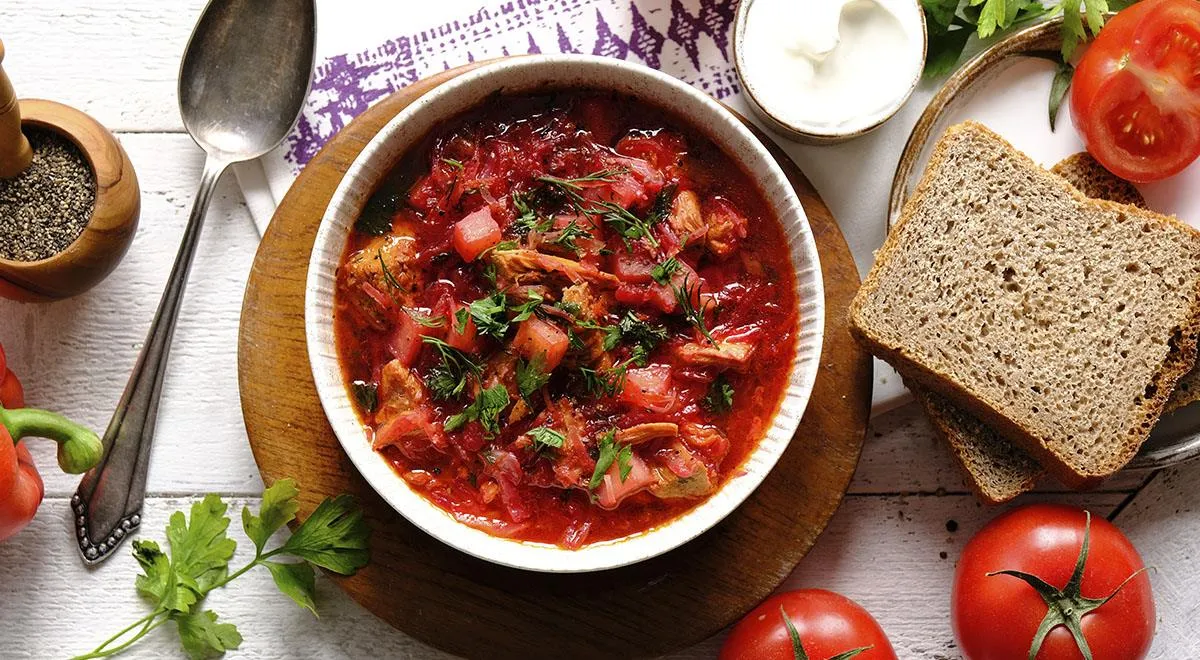
Deep crimson, earthy, and unabashedly rustic, Kuban Borscht is the soul of southern Russian cooking. Unlike its more famous Ukrainian cousin, this version from the Kuban region relies on a special beet variety—borchevaya—striped with alternating burgundy and white rings. The absence of vinegar or lemon juice gives the broth a dark, almost mahogany hue, while ripe tomatoes lend a gentle sweetness. Here, we decode the authentic technique behind this beloved soup, from building a rich pork broth to achieving that signature depth without added acid.
About Kuban Borscht
Kuban borscht is a culinary emblem of the Krasnodar region, where fertile soil yields exceptionally sweet vegetables. Traditional recipes call for borchevaya beets, which have a distinct concentric-ring pattern and a less earthy flavor than standard beets. If you cannot find them, common red beets work well—just be mindful that the color will be slightly different. The soup is always finished with fresh herbs and a dollop of sour cream, but never with vinegar or lemon, allowing the natural sweetness of the vegetables to shine. For a deeper understanding of how immersion blenders can help puree leftover borscht into a smooth soup, check our guide. The heartiness of this dish also makes it ideal for meal prep, and a microwave pressure cooker can cut down the cooking time significantly.

Ingredients
- Pork on the bone – 1 kg (preferably with some fat)
- Potatoes – 4 medium
- White cabbage – 250 g
- Onions – 2 medium
- Carrots – 2 medium
- Tomatoes – 2 ripe
- Borchevaya beet (or common red beet) – 1 large
- Red bell pepper – 1 large
- Bay leaf – 1
- Fresh parsley – 2 sprigs
- Fresh dill – 2 sprigs
- Vegetable oil – 4 tbsp
- Salt and freshly ground black pepper to taste
Having the right glass food processor bowl makes shredding beets and carrots effortless. For the most efficient slicing, we recommend using a food processor designed for nut butters – it handles dense vegetables with ease.
Step-by-Step Instructions
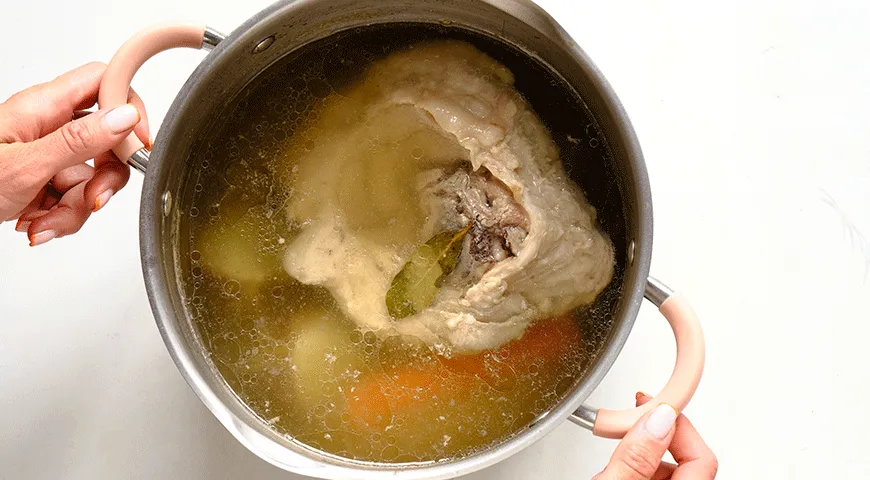
- Make the broth. Place the pork in a large pot, add 3 liters of cold water, and bring to a rolling boil over high heat. Reduce heat to the lowest setting and skim off any foam thoroughly. Add the bay leaf, one whole onion, and one whole carrot, season with salt, and cook covered for 1 hour – do not let it boil vigorously. The gentle simmer extracts maximum collagen for a silky mouthfeel. A sprayer for oil helps prevent sticking when you later sauté vegetables.
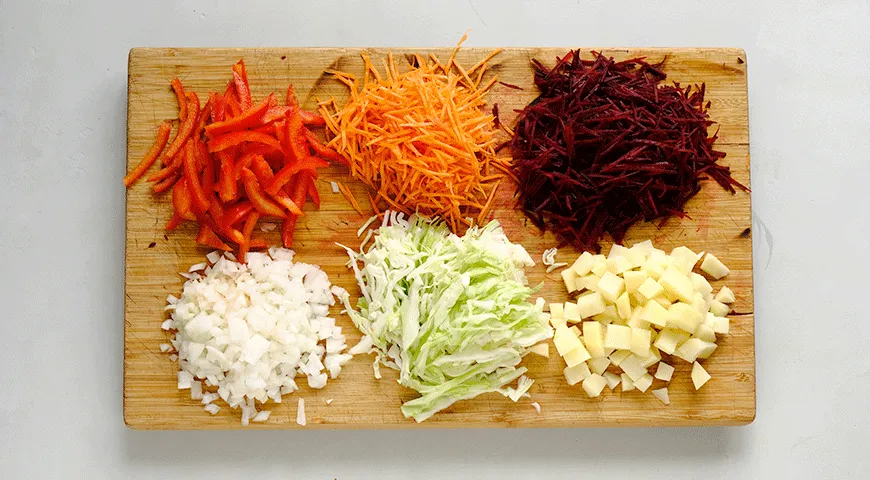
- Prepare the vegetables. Dice the potatoes into 2 cm cubes. Cut the second carrot and the beet into thin matchsticks (julienne). Halve the bell pepper lengthwise, remove seeds and membranes, and slice into strips. Finely dice the remaining onion. Shred the cabbage into thin ribbons. Grate the tomatoes on a box grater (discard the skins). Chop the parsley and dill.
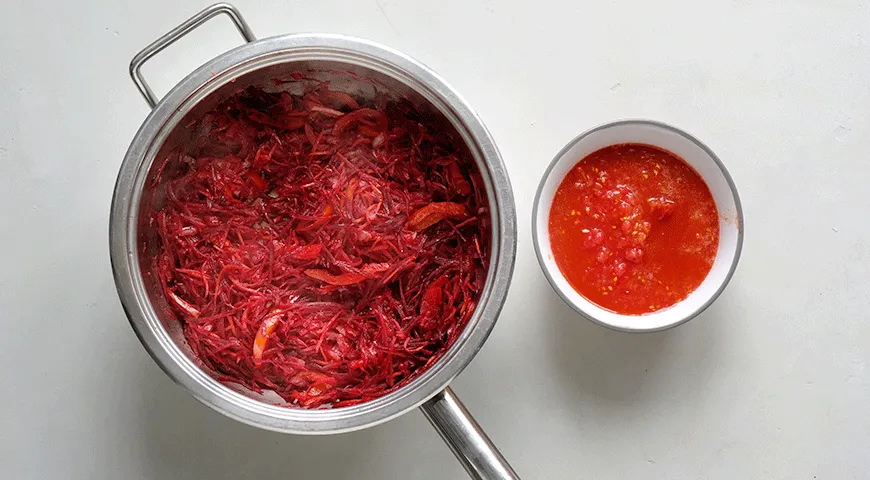
- Sauté the vegetable base. In a deep frying pan, heat the oil over medium heat. Add the diced onion and cook until translucent, about 5 minutes. Add the julienned carrot, beet, and bell pepper, and sauté for another 5 minutes, stirring occasionally. Pour in the grated tomatoes, reduce the heat to low, cover, and let the mixture simmer for 7 minutes, stirring a few times. This builds the sweet-savory foundation of the borscht. For even heat distribution, consider using a commercial countertop convection oven if you plan to roast the vegetables instead.
- Strain and rebuild the broth. Remove the meat from the pot. Strain the broth through a fine-mesh sieve into a clean pot, discarding the cooked onion, carrot, and bay leaf – they have given their all. Shred the pork into bite-sized pieces, discarding the bone. Bring the strained broth back to a boil and add the diced potatoes. Cook for 15 minutes over low heat.
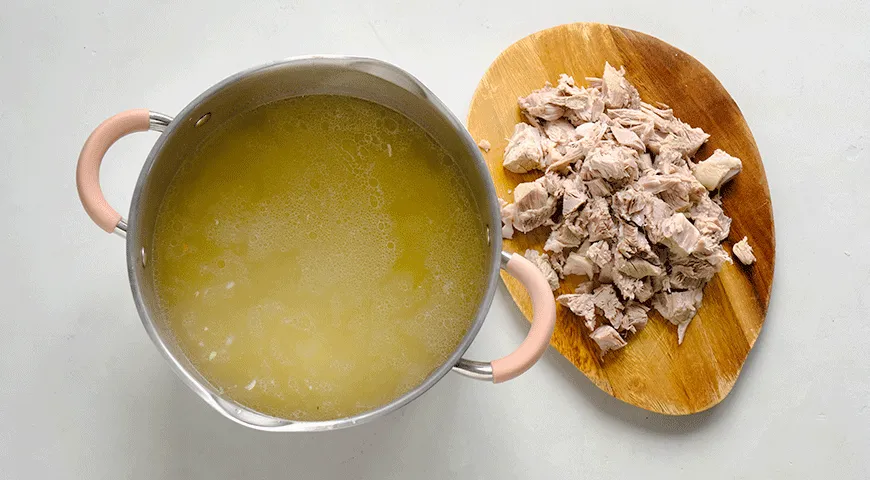
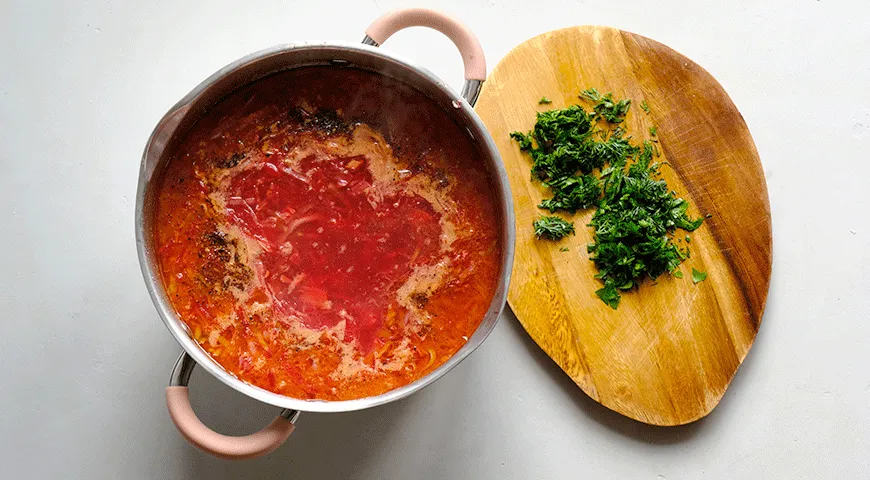
- Combine and finish. Stir the sautéed vegetable mixture into the pot with the potatoes. After 5 minutes, add the shredded cabbage and the shredded pork. Cook for another 5 minutes. Remove from heat and let the borscht rest, covered, for 10 minutes. This resting period allows the flavors to meld. Ladle into bowls, sprinkle with fresh herbs, and serve with a generous spoonful of sour cream. To keep leftovers fresh, store in a built-in refrigerator in an airtight container for up to 5 days.
Tips for the Perfect Kuban Borscht
- Choose the right beet. Look for beets with white rings – they are sweeter and less earthy. If unavailable, use regular beets and add a pinch of sugar to balance.
- Do not add acid. Vinegar or lemon juice will turn the soup bright magenta, contrary to the dark red Kuban tradition. Let the tomatoes do the work.
- Rest before serving. The 10-minute rest is non-negotiable – it allows the cabbage to soften without becoming mushy and deepens the flavor.
- Serve with black bread. A slice of hearty rye or Catalan sponge (for a sweet contrast) complements the savory broth.
- For a milder onion flavor, try using a chocolate-covered raisin pantry tip? No, but seriously, use a planetary mixer to knead dough for homemade bread to go with the borscht.
Variations
While the Kuban version is pork-based, you can substitute beef or chicken for a lighter broth. For a vegetarian option, use a rich mushroom stock and replace the meat with white beans. Some families add a diced apple for extra sweetness. If you prefer a smoother texture, puree the soup with an wheatgrass juicer (though a blender is more practical). For those who love spicy food, stir in a teaspoon of organic vodka – the alcohol burns off, leaving a subtle warmth.
Frequently Asked Questions
What is the difference between Kuban borscht and Ukrainian borscht?
Kuban borscht uses a special striped beet and omits vinegar or lemon juice, resulting in a darker, earthier broth. Ukrainian borscht often includes sour ingredients like kefir or sauerkraut and has a brighter magenta color.
Can I make Kuban borscht vegetarian?
Absolutely. Replace pork with a mix of mushrooms (porcini or shiitake) and use a vegetable broth. Add extra beans for protein. The rest of the recipe remains unchanged.
Why is my borscht pink instead of dark red?
You likely added an acid (vinegar, lemon, or even sour cream too early). The traditional Kuban method avoids acid until serving. If you prefer a pinkish hue, add a splash of vinegar at the end – but it will no longer be authentic Kuban-style.
How long does Kuban borscht keep?
Store in a sealed container in the refrigerator for up to 5 days. The flavor actually improves after a day. Freeze for up to 3 months. Reheat gently on the stovetop.
Can I use canned tomatoes instead of fresh?
Yes, but choose whole peeled tomatoes (drain and crush them) to avoid excess acidity. Fresh tomatoes are preferred for their balanced sweetness. To expedite shredding, a food processor for nut butters works wonders on tomatoes.
For more kitchen efficiency tips, explore our non-toxic air fryer reviews – they are perfect for roasting beets before adding to the soup. If you are canning a large batch, a steam canner is a safe and fast method. And for a refreshing drink alongside, try a sweet wine with high alcohol content to complement the richness.







