


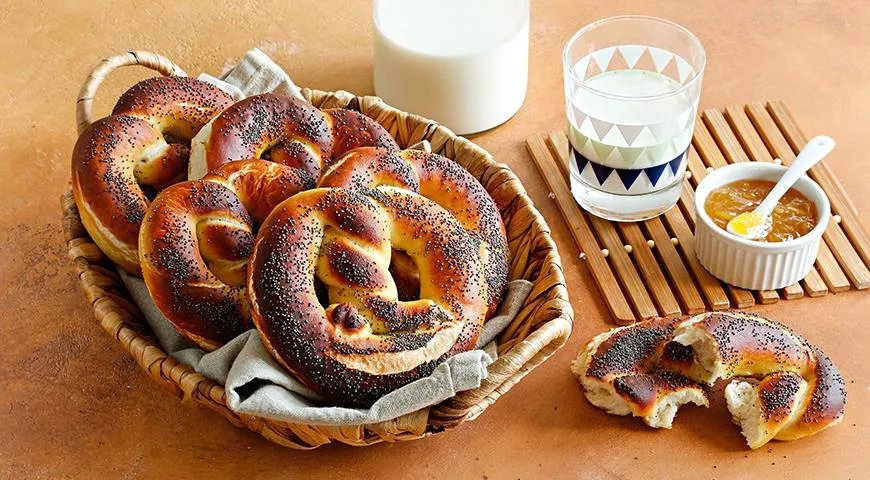
There is something undeniably festive about a ruddy pretzel, its surface scattered with jet‑black poppy seeds, emerging from a hot oven. Whether served alongside a steaming samovar, as an elegant breakfast pastry, or even as a drinking snack with beer and crayfish, the Russian krendel is a chameleon of the baking world. This recipe captures the authentic (and surprisingly simple) method for creating these soft‑centered, crackling‑crusted treats at home. The secret—an alkaline bath that gives German‑style pretzels their characteristic sheen and chew. Here, we celebrate the Krendel s Makom (Poppy Seed Pretzel) with a thorough, step‑by‑step guide that will have you shaping perfect twists in no time.
About This Classic Crendel
Originating from Central and Eastern European baking traditions, the krendel is a yeast‑leavened pastry that can be either large and pillowy or small and crunchy. This version, generously coated in poppy seeds, is a staple in Russian home kitchens. The dough is enriched with milk and butter, resulting in a tender crumb, while a brief dip in a simmering baking‑soda solution creates a deep mahogany crust. For the best results, use full‑fat milk (stored properly in a reliable refrigerator) and room‑temperature butter. The poppy seeds not only add a nutty, earthy flavour but also a delightful visual contrast against the glossy brown surface.

Ingredients
- 500 g all‑purpose flour (plus extra for dusting)
- 270 ml whole milk (3% fat or higher)
- 7 g active dry yeast (1 standard sachet)
- 10 g granulated sugar
- 10 g fine sea salt
- 50 g unsalted butter, softened
- 60 g (4 tbsp) baking soda
- 1 litre drinking water (for the alkaline bath)
- 2–3 tbsp poppy seeds, for sprinkling
Pro tip: Use a food processor to mix the dough quickly, or knead by hand if you prefer a more tactile experience.
Step‑by‑Step Instructions
Step 1: Prepare the Milk and Butter
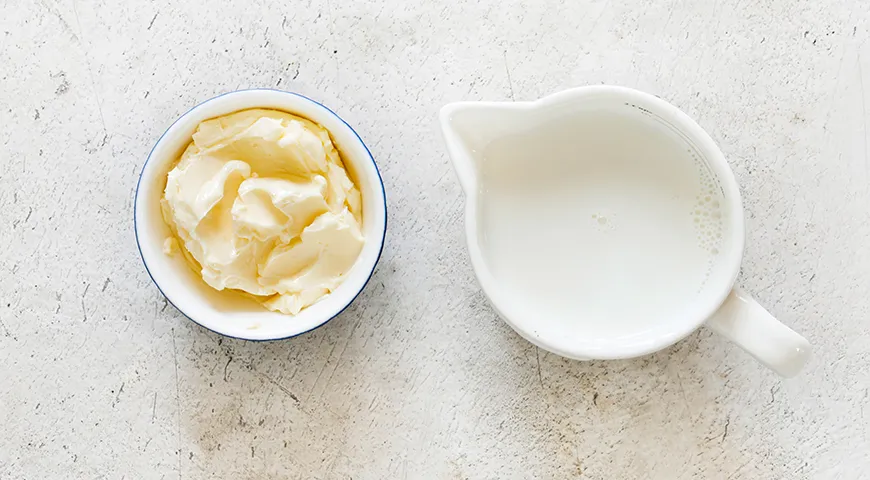
Chill the milk in the refrigerator for at least 1 hour before starting. Meanwhile, take the butter out of the fridge and let it soften to room temperature. This contrast—cold milk, soft butter—helps the dough develop the right consistency.
Step 2: Combine Dry Ingredients
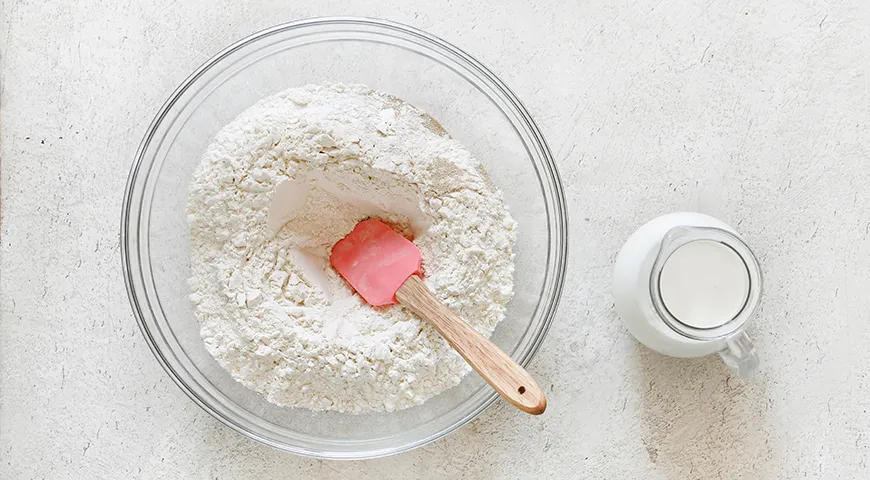
In a large bowl, whisk together the flour, yeast, sugar, and salt. Form a well in the centre and pour in the room‑temperature milk. Using a spatula, begin mixing the flour into the liquid until a shaggy dough forms.
Step 3: Knead and Incorporate Butter
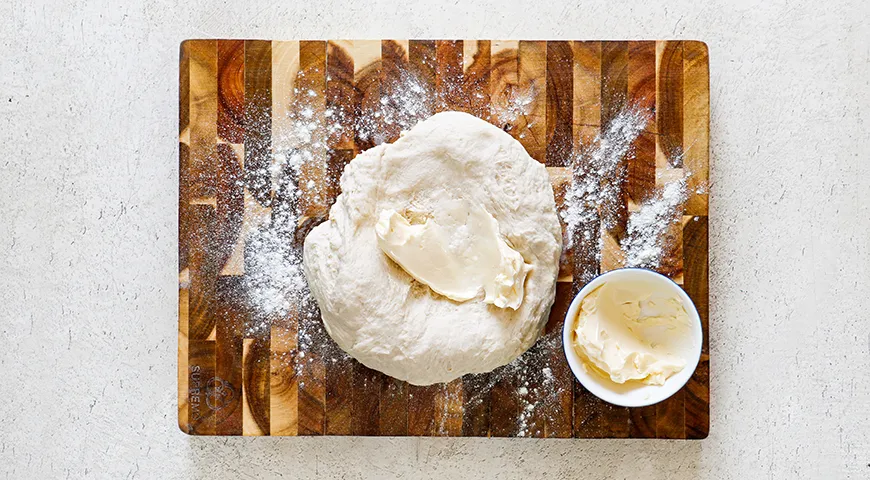
Turn the dough onto a lightly floured surface. Knead for 5–7 minutes, gradually adding the softened butter a tablespoon at a time until fully incorporated. The dough should become smooth, elastic, and no longer sticky. Cover the bowl with plastic wrap or a damp towel and let it rest for 15 minutes.
Step 4: Divide and Pre‑Shape
Divide the rested dough into pieces of about 85 g each (this yields roughly 10–12 pretzels). Flatten each piece into an oval disc, then roll it up lengthwise in three motions—folding one‑third inward and pressing firmly. Gently roll each log to about 15 cm long, cover, and let rest for 5–10 minutes.
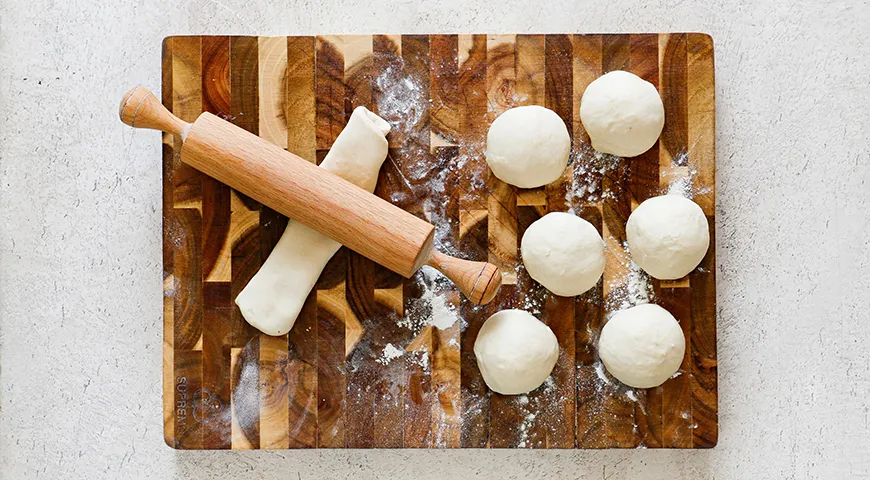
Step 5: Shape the Pretzels
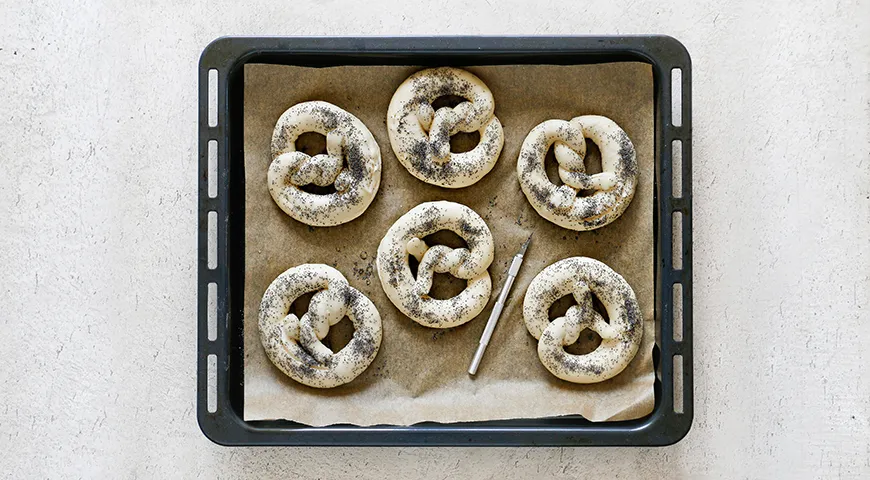
Roll each log into a long rope, 40–50 cm in length, with a thicker centre (about 10 cm) and tapered ends. Bring the two thin ends together, cross them twice, then press the crossed ends onto the thick middle portion to form the classic pretzel shape. Place shaped pretzels on a parchment‑lined board, cover, and proof for 40–50 minutes at room temperature. Afterwards, transfer the board to the freezer for 25–30 minutes—this firms the dough and ensures the baking‑soda bath doesn’t oversoften it.
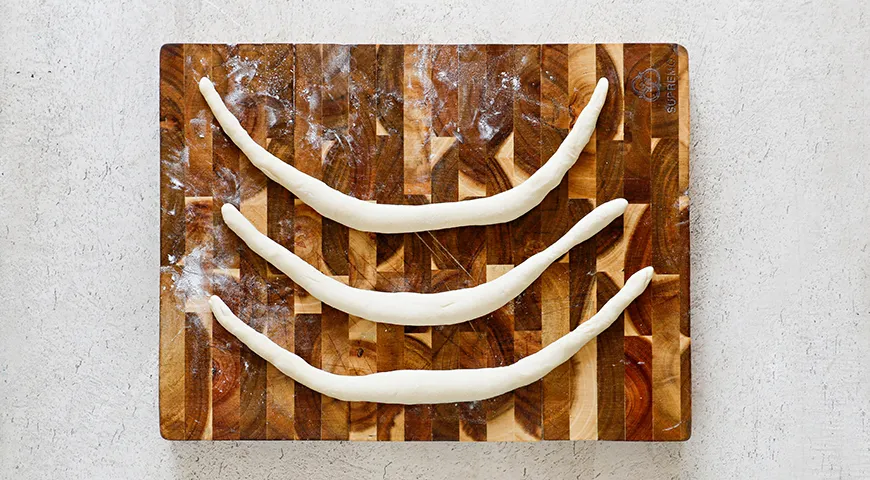
Step 6: Prepare the Alkaline Bath
Preheat your oven to 220 °C (with convection if available). In a small saucepan, bring 1 litre of drinking water to a boil, then add the baking soda (careful—it will foam). Reduce the heat to the lowest setting so the water stays hot but does not boil vigorously. Using a slotted spoon, gently lower each frozen pretzel, top‑side down, into the solution. It should float immediately. Leave it in for 10‑15 seconds, then flip and repeat.
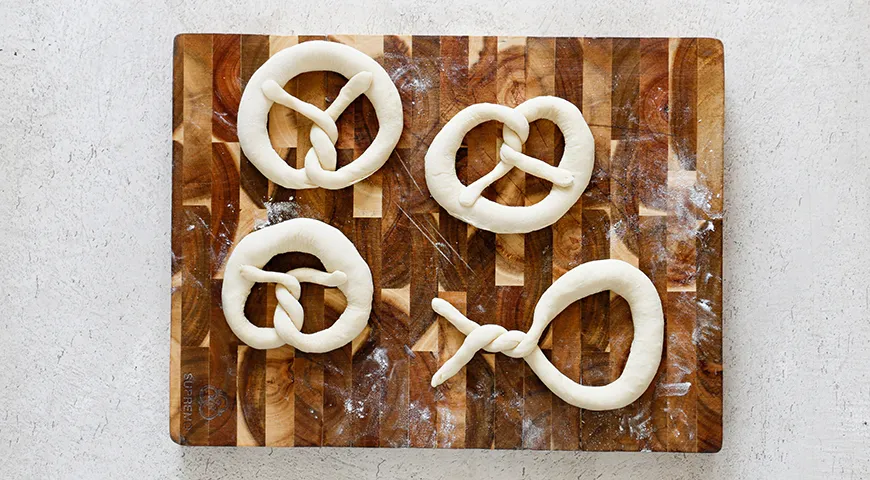
Step 7: Transfer, Sprinkle, and Score
Remove the pretzels with a slotted spoon and place them on a parchment‑lined baking sheet, keeping the same orientation (top side up). While still wet, generously sprinkle poppy seeds over each one. Use a sharp knife or lame to make a single horizontal slash across the thickest part of the pretzel. This allows steam to escape and prevents bursting.
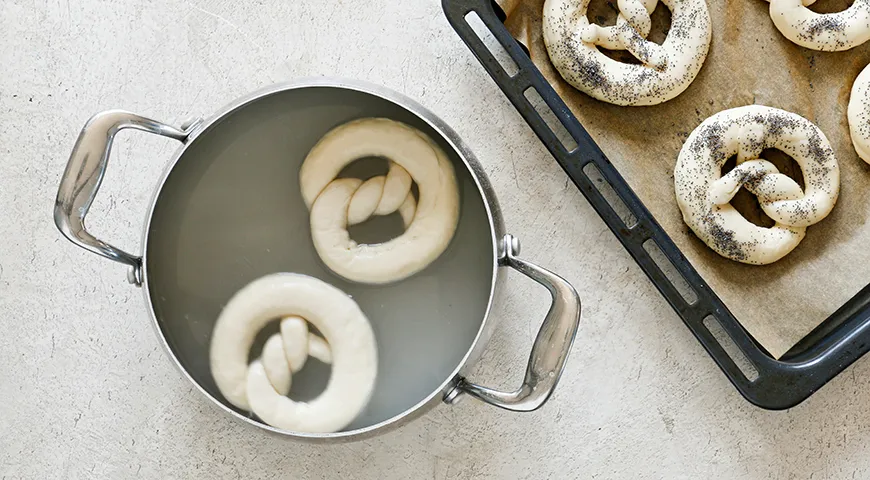
Step 8: Bake to Perfection
Bake in the centre of the oven for about 10 minutes, or until the pretzels are a deep, glossy russet. They should be firm on the outside but still soft inside. Cool on a wire rack for a few minutes before serving. The contrast of crunchy crust and tender crumb is what makes these so addictive.
Tips for the Perfect Pretzel
- Milk temperature matters: Use cold milk for the initial mix (chilled for at least an hour) to prevent the yeast from over‑activating too early. For the dough, bring milk back to room temperature before adding.
- Freeze before boiling: The freezer step is crucial—it firms the dough so it holds its shape in the hot alkaline bath. Don’t skip it.
- Alkaline bath safety: Baking soda solution can irritate skin; use a slotted spoon and avoid splashing. For a more authentic lye‑style pretzel, you can substitute food‑grade lye, but this recipe keeps it safe and accessible.
- Popping seeds: Sprinkle poppy seeds immediately after the bath, while the surface is still wet. They’ll adhere better.
- Storage: These pretzels are best eaten the same day. To revive, reheat in an air‑fryer or convection oven for 2–3 minutes.
Variations
The basic dough is wonderfully versatile. Replace poppy seeds with sesame seeds, flaky sea salt, or a blend of cinnamon and sugar for a sweet version. For a savoury twist, add grated cheese to the dough or brush the baked pretzels with melted garlic butter. You can also shape smaller krendelki for appetisers—adjust baking time to 8 minutes and keep an eye on colour.
Frequently Asked Questions
Why is my pretzel dough not rising?
Check your yeast freshness and ensure the milk wasn’t too hot (above 50 °C kills yeast). If your kitchen is cool, let the dough proof in a slightly warm spot, such as near a pilot light or on top of a microwave oven while running.
Can I use whole wheat flour instead of all‑purpose?
Yes, but substitute no more than 50% whole wheat to keep the texture light. You may need an extra tablespoon of milk to compensate for the higher bran absorption.
What makes the crust dark and shiny?
The baking‑soda bath, which causes a chemical reaction called the Maillard reaction. For an even glossier crust, use a light spray of oil before baking.
How do I get the pretzel shape right every time?
Practice with one piece first. Roll the rope to an even 40‑50 cm, then bring the ends together and give them a twist—imagine tying a loose knot. The key is to cross twice and press firmly onto the middle. Watch a video tutorial online if you’re unsure.
Can I make these ahead of time?
Yes! After shaping and before the final proof, freeze the raw pretzels on the baking sheet. Once solid, transfer to a zip‑top bag. When ready to bake, thaw overnight in the refrigerator, then proceed with the alkaline bath and baking. This is ideal for entertaining when you want to serve guests fresh pretzels without last‑minute dough work.
Final Thoughts
This Krendel s Makom recipe brings the warmth of a Russian bakery into your own kitchen. The combination of a pillowy interior and a crackling, poppy‑studded crust is simply irresistible. Whether you’re enjoying them with a morning latte (use a quality espresso machine for the full experience) or as an accompaniment to a hearty soup, these pretzels are sure to become a family favourite. For more baking inspiration, explore our Catalan sponge cake recipe or discover our guide to best chocolate‑covered raisins for an extra sweet treat.







