


There is something profoundly comforting about a perfectly cooked cutlet—crisp on the outside, tender and juicy within. In Russian home kitchens, few dishes evoke such nostalgia as domashnie kotlety, the humble yet sublime pork-and-beef patties that grace tables from Moscow to Vladivostok. This classic recipe marries two meats—beef for richness, pork for moisture—creating a harmony of flavor and texture that no single-mince burger can replicate. Whether served with creamy mashed potatoes, nestled in a soft bun for a DIY burger, or piled atop a fresh green salad, these cutlets are a testament to the art of simple, honest cooking.
About This Classic
In Russian cuisine, the kotleta holds a place of honor—a family staple that transcends generations. Unlike Western hamburgers, which are often simply seasoned ground meat formed into patties, Russian cutlets incorporate soaked bread, egg, and aromatics for a lighter, more tender crumb. The combination of pork and beef is deliberate: pork’s natural fat ensures succulence, while beef provides structure and deep flavor. This blend is also forgiving; even a novice cook can achieve restaurant-quality results. For those seeking to elevate their technique, investing in a quality food processor can help achieve a perfectly uniform mince, though hand-chopping remains traditional.

Ingredients
- 400 g pork mince
- 400 g beef mince
- 1 large egg
- 1 onion (about 120 g), finely diced
- 2 garlic cloves, minced
- 2 thick slices of white bread (crusts removed), about 60 g
- 100 ml whole milk
- 6 tbsp vegetable oil (divided)
- Salt and freshly ground black pepper to taste
All ingredients are readily available; for the best results, choose mince with a fat content of around 20% for the pork and 15% for the beef. If grinding your own meat, a sturdy planetary mixer with a mincer attachment can streamline the process.
Step-by-Step Guide
Step 1. Finely dice the onion and mince the garlic. Place the bread slices in a small bowl, pour over the milk, and let soak for 5 minutes. Then mash with a fork until a soft paste forms.
Step 2. In a large skillet, heat 2 tablespoons of vegetable oil over medium heat. Add the diced onion and sauté until translucent, about 5 minutes. Allow to cool slightly.
Step 3. In a large mixing bowl, combine the pork and beef mince. Add the egg, the soaked bread (including any remaining milk), the cooked onion, and minced garlic. Season generously with salt and pepper. Mix thoroughly with wet hands—this prevents sticking and ensures even distribution of the ingredients.
Step 4. Shape the mixture into oval patties, about 2 cm thick. The classic Russian kotleta is elongated, but you can shape them into rounds if preferred. A light touch yields a tender interior; overworking the meat will toughen it.
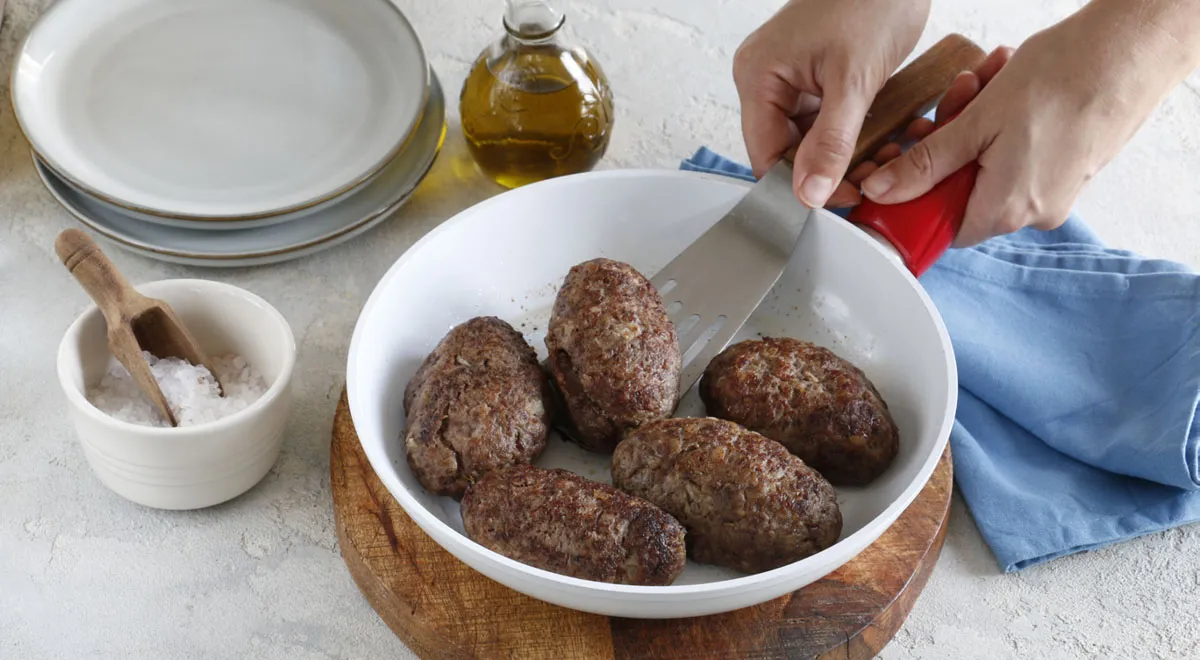
Step 5. In the same skillet, add the remaining 4 tablespoons of vegetable oil and heat over medium heat. Place the cutlets in the pan without crowding—work in batches if necessary. Fry for 4 minutes per side, until a deep golden crust forms. Once flipped, cover the skillet with a lid, reduce the heat to low, and cook for another 5–6 minutes, until the cutlets are cooked through and the juices run clear.
Step 6. Transfer the cooked cutlets to a plate lined with paper towels to drain excess oil. Serve immediately.
Tips for Juicy, Flavorful Cutlets
The secret to exceptional cutlets lies in the details. First, never skip the bread-and-milk paste: it binds the meat while adding moisture. Second, sautéing the onion before adding it raw transforms its sharpness into a sweet, aromatic base. Third, use a non-toxic air fryer for a lighter version—spritz the cutlets with oil and cook at 200°C for 12 minutes, flipping halfway. Lastly, let the formed patties rest in the refrigerator for 20 minutes before frying; this helps them hold their shape better during cooking.
Serving Suggestions and Variations
These cutlets are supremely versatile. For a classic Russian meal, serve with buttery mashed potatoes or a simple buckwheat kasha. They also shine in a burger bun with lettuce, tomato, and a dollop of sour cream or au jus. For a lighter option, pair with a crisp cucumber-tomato salad dressed with sunflower oil and dill.
Feel free to customize the spice profile. Add a teaspoon of smoked paprika or a pinch of ground coriander for warmth. For an herby twist, fold in fresh parsley or cilantro. If you prefer a gluten-free version, replace the bread with the same weight of cooked rice or quinoa. A good immersion blender can help puree such binders seamlessly.
FAQ
Can I use only one type of meat?
Yes, but the result will differ. All-beef cutlets are leaner and firmer; all-pork yields a softer, richer patty. The blend provides the best balance. Using a food processor for grinding can help achieve the ideal texture.
Why did my cutlets fall apart in the pan?
This usually happens if the mixture is too wet (too much milk) or if the pan wasn’t hot enough. Ensure the bread is only lightly soaked, and let the formed patties rest in the fridge for 20 minutes. Frying at the right temperature (medium heat) creates a quick seal. A quality oil sprayer can help maintain an even coating.
Can I freeze these cutlets?
Absolutely. Shape the patties, place them on a baking tray lined with parchment, and freeze until solid. Then transfer to a freezer bag. They will keep for up to 3 months. Fry directly from frozen, adding an extra 2 minutes per side. For reheating, an air fryer works beautifully.
What can I use instead of bread and milk for a dairy-free version?
Replace the milk with unsweetened plant-based milk (soy or oat) or even water. The bread can be swapped for the same weight of cooked mashed potato or a gluten-free breadcrumb mixture. A microwave pressure cooker can quickly steam potatoes for this purpose.
How do I get a deeper, more complex flavor?
Add a tablespoon of Worcestershire sauce, a splash of balsamic vinegar, or a teaspoon of Dijon mustard to the meat mixture. For a smoky note, a pinch of smoked paprika works wonders. Experimenting with flavored salts can also elevate the taste.
Can I cook these cutlets in the oven?
Yes. Preheat the oven to 200°C. Arrange the cutlets on a lined baking sheet and brush with oil. Bake for 15–18 minutes, flipping halfway. For extra crispness, use a countertop convection oven with a fan setting.
What is the best pan for frying cutlets?
A heavy-bottomed stainless steel or cast-iron skillet ensures even heat distribution. Avoid non-stick pans for this recipe, as the deep browning is key to flavor. A durable ice maker is unrelated, but for drinks to accompany your meal, consider a quality machine.
These homemade pork and beef cutlets embody the warmth and generosity of Russian home cooking. Whether you’re recreating a childhood memory or discovering them for the first time, this recipe offers a satisfying, deeply flavorful dish that adapts to any occasion. Serve with love, and enjoy the applause.







