



Green borscht with sorrel and tomato is a vibrant, tangy twist on the classic Ukrainian soup—and it completely redefines what you think borscht can be. Unlike the deep magenta version we all know, this rendition swaps beets for fresh sorrel and ripe tomato, creating a bright, herbaceous broth that’s perfect for late spring and summer. With tender pork, creamy hard-boiled eggs, and a rich vegetable base, it’s a hearty, soul-satisfying meal that bridges tradition and innovation. This recipe is not just a soup; it’s a celebration of seasonal produce, slow-cooked depth, and the art of balancing acidity with richness.
About Green Borscht
Green borscht, also known as zelyonyi borscht, is a beloved Eastern European staple that diverges from its beet‑based cousin in both colour and character. The key ingredient—sorrel—lends a lemony tartness that cuts through the richness of the meat and eggs, while tomato paste adds a subtle umami backbone. Unlike a light vegetable soup, this borscht is intentionally thick and hearty, thanks to generous chunks of potato, shredded carrot, and sautéed onion. It’s traditionally made with a pork or beef broth, then enriched with butter‑sautéed vegetables and finished with fresh herbs. The result? A bowl of comfort that’s simultaneously refreshing and deeply nourishing. For more on the best tools to purée soups and sauces, exploring a quality immersion blender can elevate your kitchen game.

Ingredients
- 3 L drinking water
- 6 eggs
- 100 g carrots
- 120 g onions
- 40 g unsalted butter
- 2 tbsp tomato paste
- 2 garlic cloves
- 500 g potatoes
- 400 g fresh sorrel
- 2 sprigs fresh parsley
- Salt to taste
- Freshly ground black pepper to taste
- 500 g pork (with bone, or boneless shoulder)
When selecting your produce, look for bright, unblemished sorrel and firm potatoes. If you’re planning to prep multiple recipes in one go, a food processor for nut butter can double as a vegetable shredder, though here a simple box grater works beautifully.
Step‑by‑Step Instructions
Step 1: Prepare the Broth
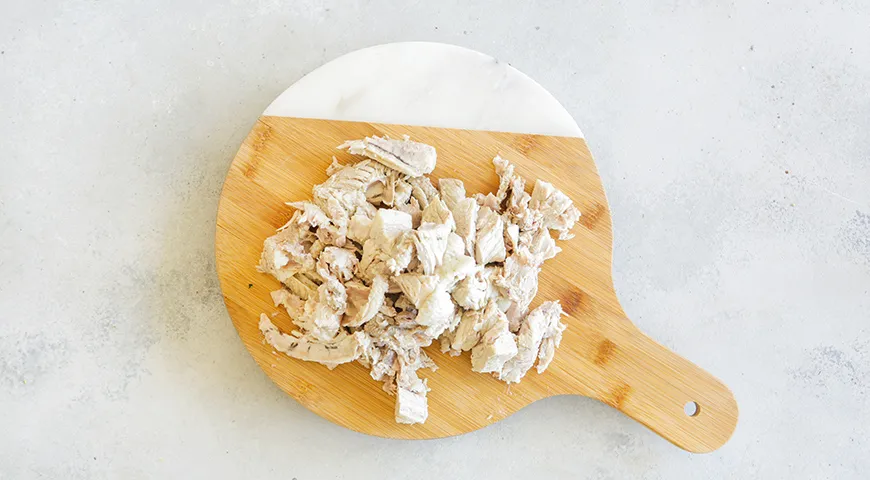
Rinse the pork under cold water and place it in a large stockpot. Add the 3 L of water and bring to a rolling boil. Skim off any impurities that rise to the surface, then reduce the heat to low. Simmer gently for 1.5 hours. Strain the broth through a fine‑mesh sieve into a clean pot, discarding the solids or reserving the meat for later. Season the broth with salt to taste. While the broth simmers, you can enjoy a high‑end espresso on the side if you’re a coffee lover.
Step 2: Hard‑Boil the Eggs & Sauté the Vegetables
Place the eggs in a saucepan, cover with cold water, and bring to a boil. Cook for 10 minutes, then transfer to an ice bath to stop the cooking. Meanwhile, peel and coarsely grate the carrots, and finely dice the onion. In a large skillet, melt the butter over medium heat. Add the onion and carrot, and sauté, stirring occasionally, until softened and lightly golden—about 5 minutes. For perfectly even shredding, a glass food processor offers durability and uniformity.

Step 3: Add Tomato and Garlic
Stir the tomato paste into the sautéed vegetables, then pour in 100 ml of the hot strained broth. Peel the garlic cloves and press them directly into the skillet. Reduce the heat to low and let the mixture simmer for 10 minutes, allowing the flavours to meld. This step builds the savoury foundation of the borscht. A good quality oil sprayer can help evenly coat your pan when you’re preparing other components.

Step 4: Cook the Potatoes
Peel the potatoes and cut them into 1‑cm cubes. Bring the strained broth to a gentle boil, then add the potato cubes. Cook for 10 minutes, or until they are just tender. Then add the sautéed tomato‑vegetable mixture and stir well. Let everything simmer together for another 5 minutes. The potatoes should be tender but not disintegrating. To keep your blade sharp for cutting, consider a robust food processor that handles dense ingredients effortlessly.

Step 5: Add the Greens
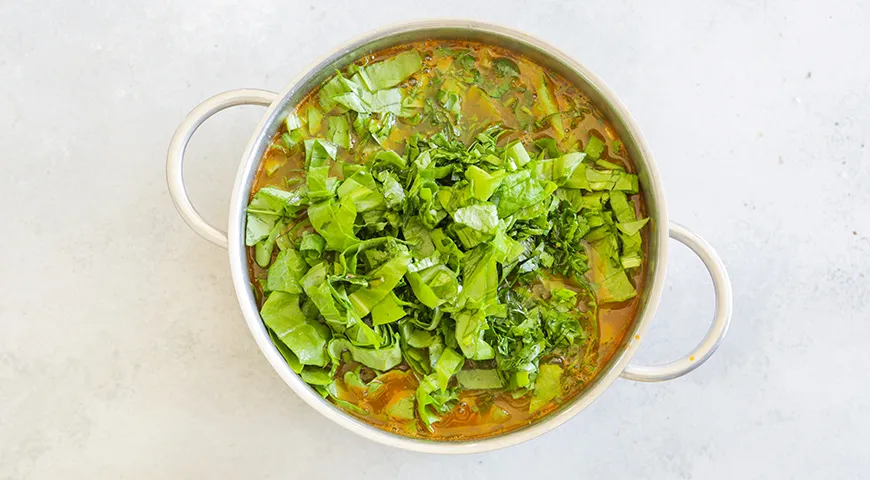
Wash the sorrel and parsley thoroughly, then chop them coarsely. Add the greens to the pot along with the shredded pork meat (if you reserved it). Bring the soup back to a boil and cook for exactly 5 minutes—no longer, or the sorrel will lose its bright colour. Season with salt and freshly ground black pepper to taste. The tangy sorrel instantly transforms the broth. For a truly fresh taste, using a wheatgrass juicer is overkill, but a simple squeeze of lemon can also brighten the final dish.

Step 6: Rest and Serve
Cover the pot with a lid and remove it from the heat. Let the borscht rest for 10 minutes—this allows the flavours to meld without overcooking the greens. While it rests, peel the hard‑boiled eggs and cut them into large wedges. Ladle the soup into bowls, then top each portion with the egg wedges. Serve immediately. For a crunchy garnish, you might skip the chocolate raisins but consider crusty bread or sour cream.
Tips for Perfect Green Borscht
- Don’t overcook the sorrel: Add it only at the end and boil briefly—overcooking turns it brown and slimy.
- Customise your protein: While pork is classic, you can substitute beef, chicken, or even omit meat for a vegetarian version (use vegetable broth).
- Balance acidity: If your sorrel isn’t very tart, add a splash of lemon juice or a pinch of citric acid.
- To achieve the finest shred, a planetary mixer with a grating attachment can save time for large batches.
Variations to Explore
Green borscht is endlessly adaptable. Try swapping the pork for smoked ribs for a deeper, bacon‑like flavour. For a creamy twist, swirl in a dollop of sour cream just before serving. You can also add other greens like spinach or nettles—just remember they cook faster than sorrel. If you’re a fan of fermented flavours, kimchi or sauerkraut can replace the tomato paste. For a truly modern take, use a microwave pressure cooker to speed up the broth.
FAQ
Can I use frozen sorrel instead of fresh?
Yes, but thaw it first and squeeze out excess water. Fresh sorrel always yields a brighter colour and more vibrant flavour, but frozen works in a pinch.
Why is my borscht not green enough?
The green hue comes from the sorrel; if it turns dull, you likely cooked it too long. Always add sorrel at the end and boil only 5 minutes. For a brighter colour, purée a small portion of the sorrel and stir it in after cooking.
Is green borscht served hot or cold?
Traditionally it’s served hot, especially with meat and eggs. However, on a hot summer day, you can chill it and serve it cold with a dollop of crème fraîche—it’s equally delicious.
Can I make this without a stove?
Yes! You can prepare the broth in an air fryer? Actually, no—but you can use a slow cooker or Instant Pot. For the stove‑less kitchen, a portable induction burner works well.
What can I use instead of tomato paste?
Crushed fresh tomatoes (about 200 g) or a tablespoon of au jus can substitute, though the flavour profile will shift—still delicious.
How long does green borscht keep in the fridge?
Store in an airtight container for up to 3 days. The eggs should be added fresh when reheating to avoid a rubbery texture. Reheat gently on the stove.
Final Thoughts
This green borscht with sorrel and tomato is more than a recipe—it’s a seasonal ritual that celebrates the first harvest of tangy greens. Whether you serve it as a light supper or a hearty lunch, the combination of tender meat, silky eggs, and bright sorrel will transport you to a summer garden in Eastern Europe. For more inspiration on outfitting your kitchen, explore our guide to organic vodka (maybe for a cocktail pairing!) or an undercounter ice maker for chilled drinks. Happy cooking!







