


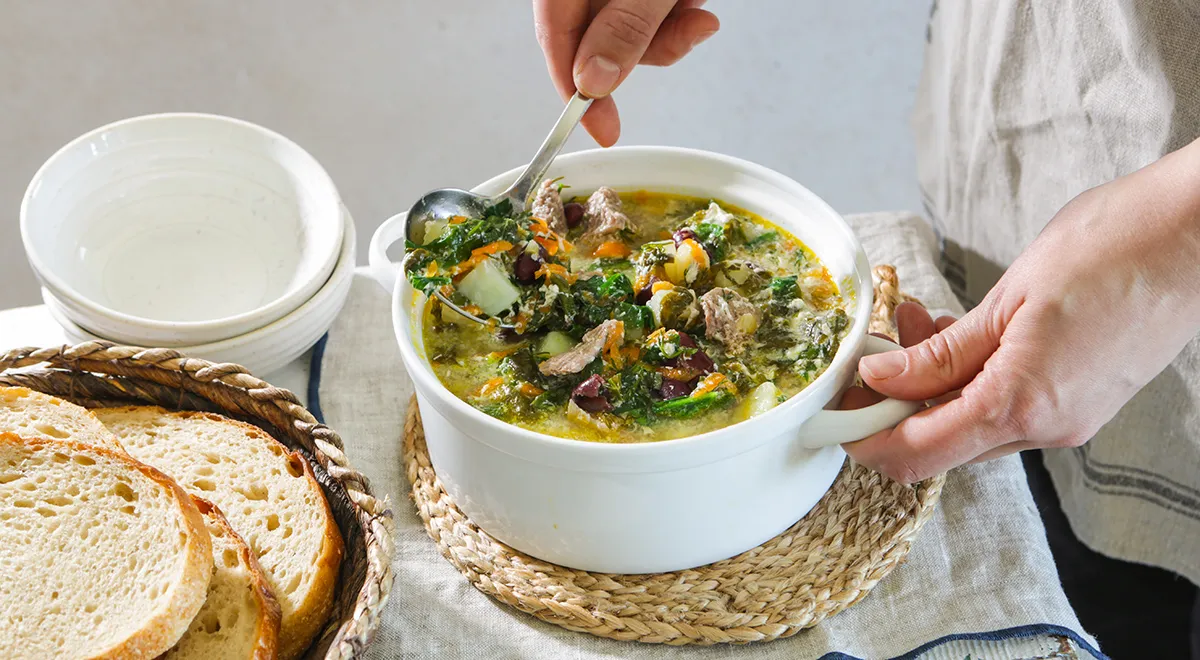
Few dishes capture the essence of spring as eloquently as green borscht. This Ukrainian and Russian classic, known locally as zelyony borsch, is a vibrant emerald-hued soup that celebrates the season's first tender greens. Unlike its red cousin, which relies on beets and tomatoes, green borscht draws its signature tang and color from fresh sorrel. Paired with a rich beef broth, this soup becomes a nourishing tonic that rejuvenates body and spirit after winter's chill.
About This Dish
Green borscht is a beloved example of Eastern European peasant cuisine elevated to art. The word borsch originally referred to a soup made from hogweed, but over centuries it evolved into countless regional variations. This version, starring sorrel and beef, is especially popular in Russia and Ukraine. Sorrel (Rumex acetosa) grows wild in early spring and its lemony, slightly acidic leaves balance the hearty beef stock. The soup is often finished with a swirl of thick sour cream and a halved hard-boiled egg. For an even more refined broth, consider using a microwave pressure cooker to extract deep meaty notes in a fraction of the time.

Ingredients
- 700 g beef on the bone (such as shank or short ribs)
- 3 potatoes
- 2 medium carrots
- 2 onions
- 2 bay leaves
- 250 g fresh sorrel
- 20 ml olive oil
- 2 eggs
- 3 allspice berries
- Water (about 3 L)
- Salt to taste
- Sour cream for serving
Using a glass food processor for the vegetables ensures consistent dicing and keeps oxidation minimal.
Step-by-step Instructions
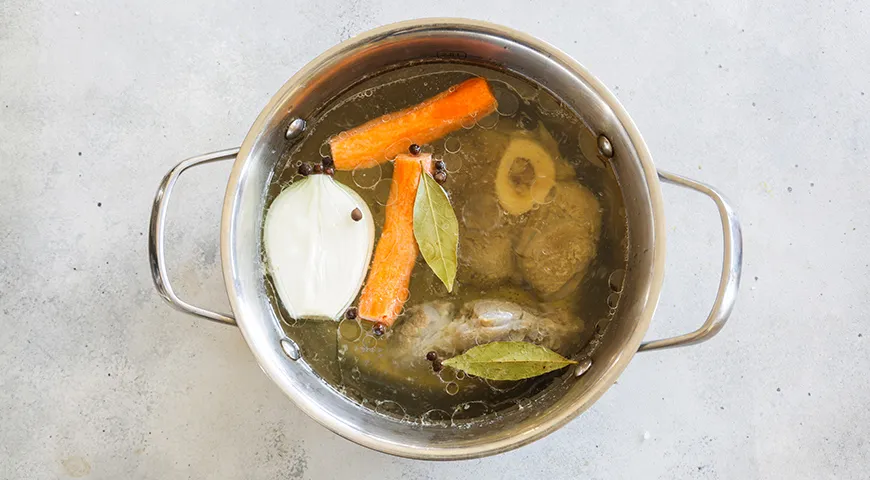
- Prepare the broth: Rinse the beef thoroughly and place in a large pot with 3 L of cold water. Bring to a boil, then add one whole peeled onion, one whole peeled carrot, bay leaves, and allspice berries. Reduce the heat to low and simmer gently for 1.5 to 2 hours, skimming any foam that rises. An undercounter ice maker can be a welcome addition to any modern kitchen for chilling broths quickly.
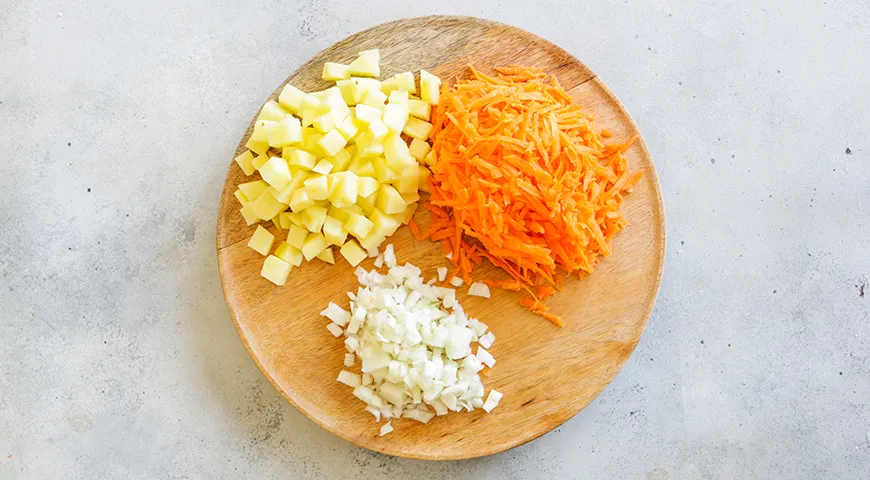
- Prepare the vegetables: While the broth simmers, peel and dice the potatoes into 1 cm cubes. Peel and grate the remaining carrot on a coarse grater. Finely chop the remaining onion. A dedicated food processor for nut butter is not necessary here, but a sharp knife and steady hand are essential.
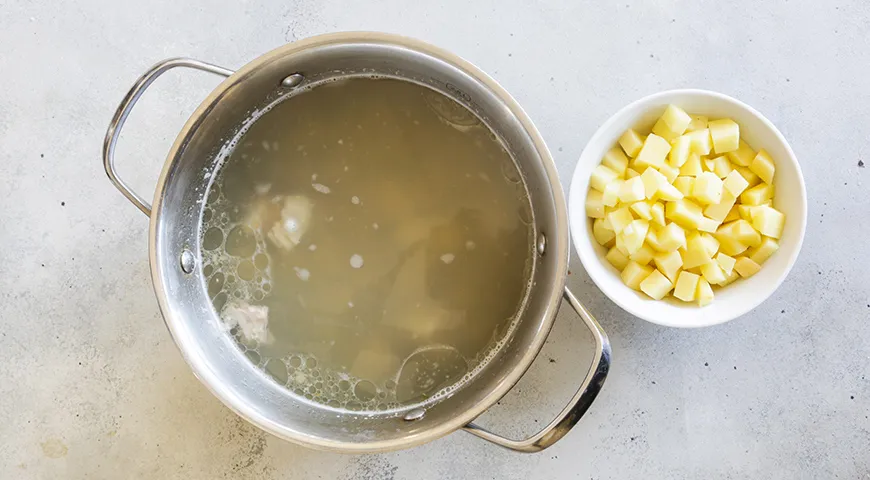
- Strain and add potatoes: Once the broth is rich and flavorful, strain it through a fine-mesh sieve into a clean pot. Discard the cooked vegetables. Remove the meat from the bone, cut into bite-sized pieces, and return both meat and strained broth to the pot. Bring to a boil over medium heat, add the diced potatoes, and cook for 20 minutes until tender. For a truly silky soup, an immersion blender can purée a portion for a different texture.
- Sauté the aromatics: Heat olive oil in a skillet over medium heat. Add the finely chopped onion and cook until translucent, about 1 minute. Add the grated carrot and cook for another 3 minutes, stirring occasionally. Remove from heat. Using an oil sprayer helps control the amount of fat for a lighter finish.
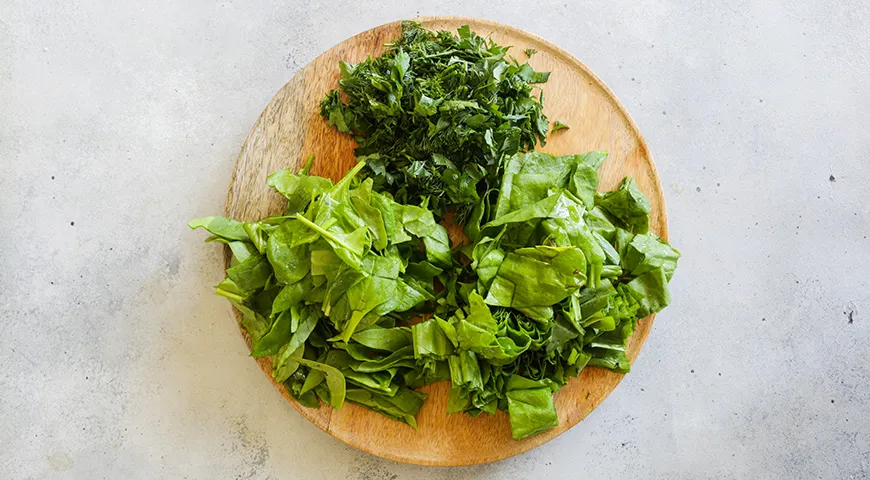
- Add sorrel and finish: Wash and roughly chop the sorrel leaves (discard any tough stems). Stir the sautéed vegetables and sorrel into the simmering soup. Let it return to a gentle boil. Optional: if you have canned white beans, add them now for extra substance—a steam canner is ideal for preserving your own.
- Add eggs and serve: In a small bowl, lightly beat the eggs with a fork. While the soup is gently boiling, pour the eggs in a thin, steady stream, stirring constantly to create delicate threads. Let the soup cook for exactly 3 minutes. Season with salt to taste, then remove from heat. Cover and allow to rest for 20 minutes—this step deepens the flavors. Serve with a generous dollop of sour cream and, if desired, a wedge of hard-boiled egg. A sprinkle of fresh dill is classic. Pair with a sweet wine with high alcohol content for an unexpected contrast.


Tips for Perfect Green Borscht
The key to this soup lies in sequencing. Never add sorrel too early—its acidity will prevent potatoes from softening. Always strain the broth thoroughly to achieve clarity. For a more sophisticated version, consider roasting the beef bones before simmering; a non-toxic air fryer can achieve even browning without smoke. When adding eggs, ensure the soup is at a gentle boil and stir slowly for ethereal ribbons. Leftover sorrel can be frozen, but its texture is best fresh. Store any extras in a 48-inch built-in refrigerator for optimal temperature control.
Variations
Green borscht is endlessly adaptable. Substitute beef with chicken or turkey for a lighter version. Add a handful of fresh spinach or nettles alongside the sorrel to deepen color. For a vegetarian take, use a rich mushroom broth and skip the meat—a wheatgrass juicer might not be needed, but a good vegetable stock is key. Some cooks like to finish the soup with a splash of cream or a pat of butter for extra richness. If you grow your own herbs, try adding chervil or tarragon. The soup also welcomes a pinch of smoked paprika or a drizzle of organic vodka for an adult twist.
Frequently Asked Questions
Can I use frozen sorrel instead of fresh?
Yes, frozen sorrel works well. Add it directly to the soup without thawing, but note that the color may be slightly less vibrant. Increase the quantity slightly to compensate for lost volume.
What if I can't find sorrel?
Substitute with a mixture of fresh spinach and a squeeze of lemon juice or a teaspoon of sorrel preserve. The tangy flavor is essential; using only spinach will produce a milder soup.
Can I make green borscht in a slow cooker or pressure cooker?
Absolutely. For a hands-off approach, use a slow cooker for the broth (6–8 hours on low) or a pressure cooker for a quicker version (about 45 minutes). A microwave pressure cooker is another excellent time-saver for the initial broth.
Why is my green borscht bitter instead of tangy?
Bitterness usually comes from overgrown sorrel with tough stems. Always use young, tender leaves and remove the thick central ribs. Also, ensure you have the right balance of salt and acidity—adjust with a pinch of sugar or additional lemon juice if needed.
How should I serve green borscht?
Traditionally, it is served hot with a dollop of crème fraîche or sour cream, a halved hard-boiled egg, and a sprinkle of fresh dill. Some like to add crunchy croutons or a side of rye bread. For a complete meal, follow with a handful of chocolate-covered raisins for sweetness, and perhaps an espresso to finish.
Can I freeze green borscht?
Yes, but without the eggs and sour cream. Freeze the base broth with meat, potatoes, and sorrel. When reheating, add freshly beaten eggs and serve with sour cream. The texture of potatoes may soften slightly, but flavor remains. For a quick thaw, a reliable coffee maker for your Airbnb doesn’t help, but a microwave does!
What wine or drink pairs well with green borscht?
The soup’s tartness and richness call for a crisp, aromatic white like an Austrian Grüner Veltliner or a dry Riesling. If you prefer red, try a light-bodied Gamay. For a non-alcoholic option, a sparkling mineral water with a twist of lemon is refreshing. A lava-flavored seltzer could be an adventurous choice.
Is green borscht healthy?
Very much so. It is packed with vitamins from sorrel (A, C, and K), protein from beef, and fiber from potatoes. The broth is nourishing and easily digestible. For a detoxifying boost, you might also take a high-quality castor oil supplement, but the soup alone is a spring tonic.







