


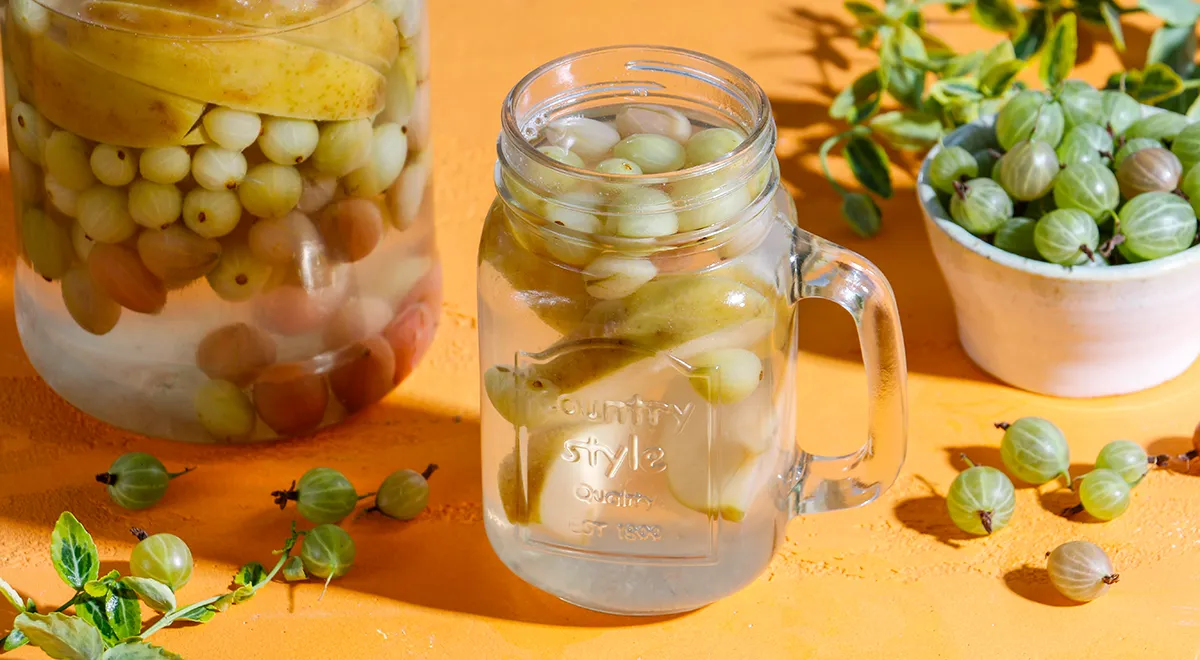
There is something profoundly satisfying about capturing the fleeting taste of summer in a jar—a compote that, come winter, transports you back to sun-warmed orchards and the gentle buzz of bees. This gooseberry and apple compote is a classic Russian preserve, beloved for its balanced sweet-tart profile and jewel-like appearance. The gooseberries bring a tangy brightness, while apples add a mellow sweetness and subtle texture. Together, they create a drink that is both refreshing and comforting, perfect for chilly evenings or as a base for festive punches. In this article, we guide you through the process of making this compote, from sterilizing the jars to sealing the final product, ensuring that every sip is as pure as the first. Preserving the harvest is not just a tradition; it is an art form that rewards patience and precision.
About This Compote
Gooseberry (крыжовник) and apple compote is a staple of Russian home canning, cherished for its versatility and vibrant taste. The combination of tart gooseberries and sweet apples creates a harmonious blend that pairs beautifully with everything from pancakes to roast meats. This recipe uses a simple syrup method—hot water is poured over the fruit, then drained and boiled with sugar to become a rich syrup. The result is a compote with a clear, ruby-tinged liquid and tender fruit that remains intact. Unlike boiling fruit directly in syrup, this technique preserves the fruit's shape and texture, making it as beautiful as it is delicious. Whether you are new to canning or an experienced preserver, this recipe is a reliable way to enjoy the flavors of late summer all year round.

Ingredients
- 300 g fresh gooseberries
- 300 g apples (any firm variety)
- 250 g granulated sugar
- 2.5 L water
- 1 tablespoon baking soda (for cleaning jars)
This recipe yields approximately 3 liters of compote—perfect for one 3-liter jar or three 1-liter jars. Use only ripe, unblemished fruit for the best results. If you prefer a less sweet compote, reduce sugar to 200 g; for a sweeter version, increase to 300 g.
Step-by-Step Instructions
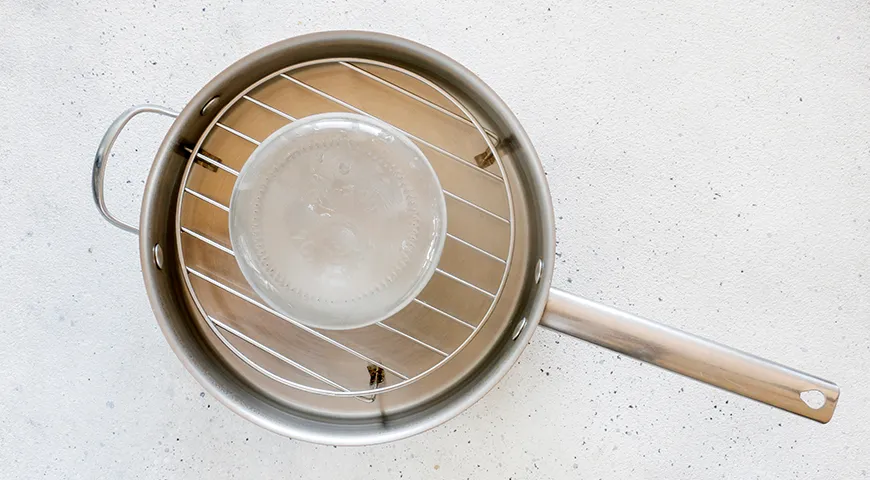
Step 1: Sterilize the jars and lids. Wash the jars and lids thoroughly with hot water and baking soda. Rinse well. Sterilize the jars by placing them over steam for 10 minutes or in an oven preheated to 120°C (250°F) for 15 minutes. Simply boil the lids in water for 5 minutes. A best steam canner can also be used for this step, ensuring thorough sterilization without risk.
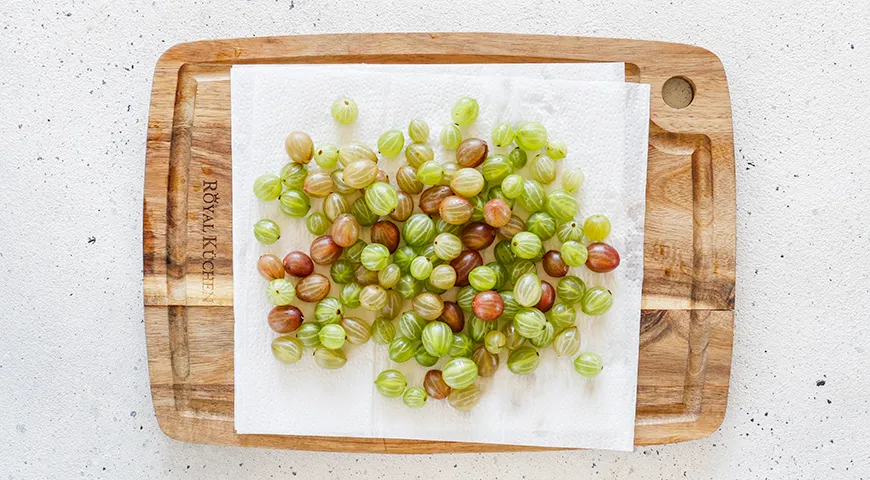
Step 2: Prepare the gooseberries. Sort through the gooseberries, discarding any that are soft or damaged. Using small scissors or a paring knife, snip off the stems and the tiny dried blossoms from each berry. Rinse the berries under cold running water and spread them on a clean kitchen towel or layers of paper towels to dry completely. This attention to detail prevents any bitterness in the final compote. For a smoother texture, you may also prick each berry with a needle—this helps them absorb the syrup better.
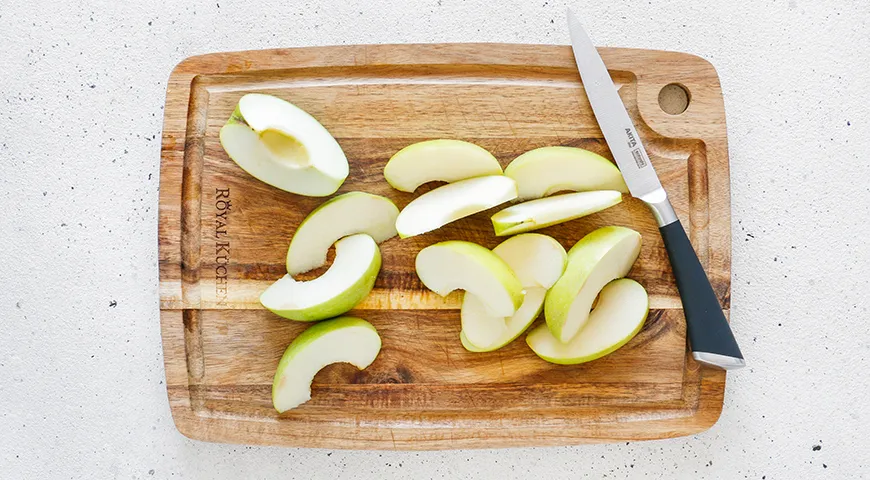
Step 3: Prepare the apples. Wash the apples and pat them dry. Cut each apple in half, then remove the core and seeds. Slice the apple halves into wedges about 5 mm thick. Leave the skin on for color and fiber, or peel if you prefer a more delicate texture. Toss the slices with a little lemon juice to prevent browning if desired.
Step 4: Fill the jar and add hot water. Place the dried gooseberries into the sterilized jar(s). Add the apple slices on top. Carefully pour 2.5 L of boiling water into the jar, filling it almost to the brim. Cover loosely with the sterilized lid and let the fruit steep for 30 minutes. This hot water bath extracts the fruit's essence and starts the infusion process. For easier draining later, use a specially designed lid with perforations.
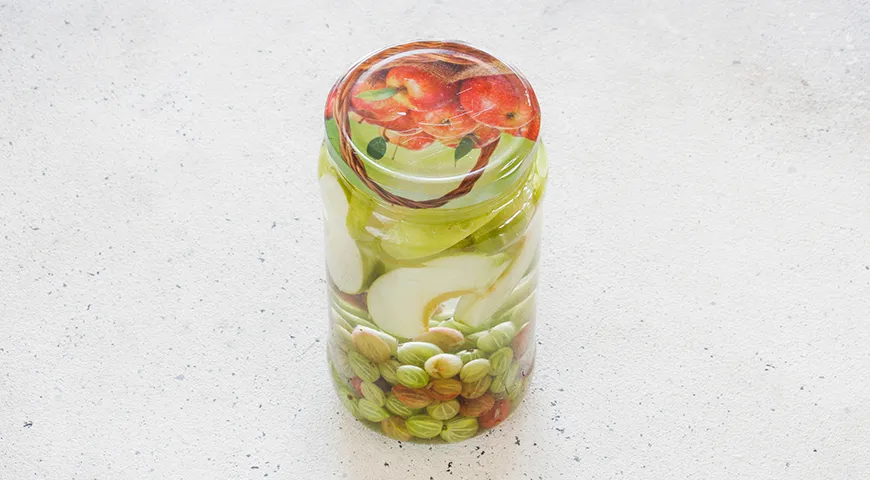
Step 5: Drain water and prepare syrup. After 30 minutes, carefully pour the liquid from the jar into a medium saucepan. If you have a perforated lid, use it to hold back the fruit. Add the sugar to the saucepan and place over high heat. Bring to a rolling boil, stirring to dissolve the sugar completely. Boil for 3 minutes to create a clear syrup. Skim off any foam that rises to the surface for a pristine final product.
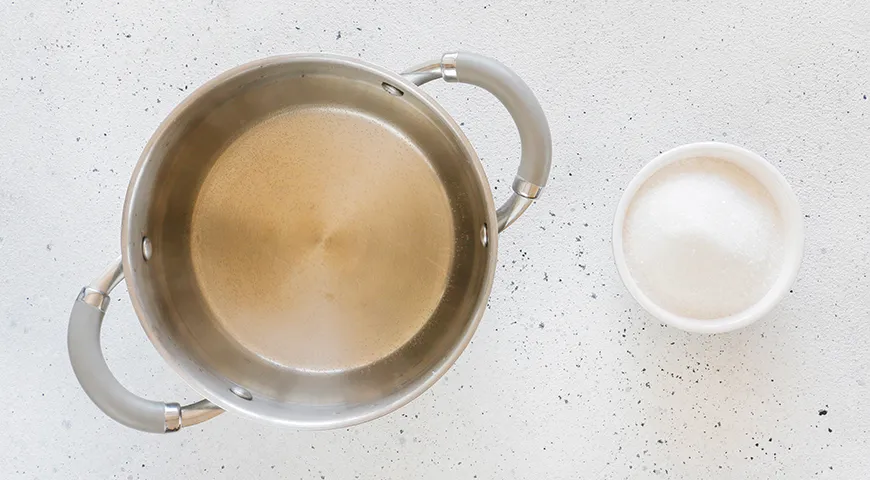
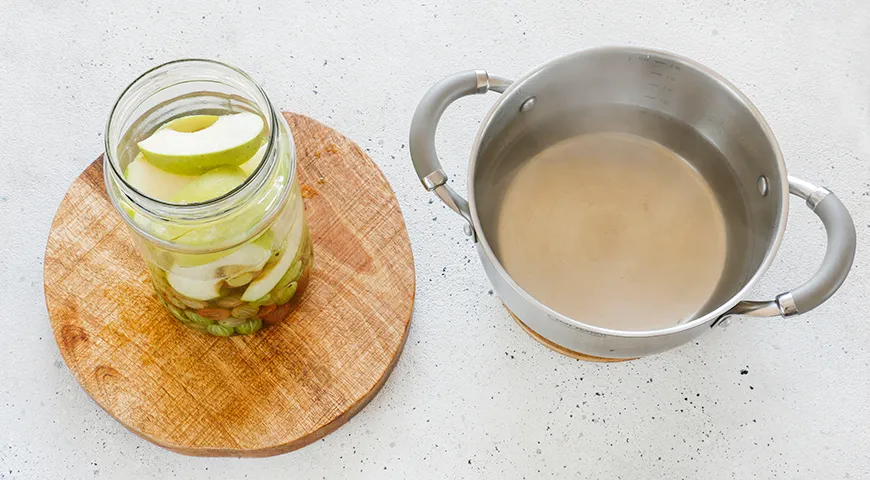
Step 6: Pour syrup and seal. Place the jar on a heatproof surface such as a wooden board or folded towel. Slowly pour the boiling syrup into the jar, leaving about 1 cm of headspace. Wipe the rim of the jar with a clean, damp cloth to remove any sticky residue. Immediately place the sterilized lid on top and screw the ring on firmly. Invert the jar onto a folded towel and let it cool completely, undisturbed. This vacuum seal ensures a long shelf life without the need for additional processing.
Tips for Perfect Compote
- Use firm, slightly underripe apples to prevent them from becoming mushy during the steeping process.
- If you prefer a clearer syrup, strain the hot water from the fruit through a fine-mesh sieve before adding sugar.
- For added depth, include a cinnamon stick, a few cloves, or a slice of fresh ginger in the jar before pouring the syrup.
- Store the sealed jars in a cool, dark place—a best 48-inch built-in refrigerator or a pantry with consistent temperature is ideal.
- Label each jar with the date and fruit type to track freshness—compote keeps well for up to 12 months.
Variations to Explore
This compote is wonderfully adaptable. Swap half the gooseberries for red currants or raspberries for a brighter color and tang. Use green apples for a tarter finish, or add a handful of frozen blueberries for depth. For a spiced version, boil the syrup with a vanilla bean or star anise. If you enjoy effervescent drinks, use the compote as a base for homemade sodas—just dilute with sparkling water and add a sprig of mint. The possibilities are endless, and each variation brings its own charm to the table.
Frequently Asked Questions
Can I use frozen gooseberries and apples?
Yes, you can use frozen fruit, but note that frozen fruit releases more liquid during thawing, which may make the compote slightly cloudier. Thaw the fruit completely and drain excess liquid before using. Adjust the sugar slightly as frozen fruit can be more acidic.
How do I know if the jar is properly sealed?
After the jar cools, press the center of the lid. If it does not pop up and down, the seal is secure. You can also remove the ring and gently lift the jar by the lid—if it holds, the seal is good. For extra peace of mind, store sealed jars with the ring removed to prevent rust.
Can I reduce the sugar amount?
Yes, you can reduce sugar to 200 g for a less sweet compote. However, sugar acts as a preservative, so the shelf life may shorten. For a natural alternative, use honey or a best organic vodka to fortify the compote—though that changes the character.
What if my compote turns cloudy?
Cloudiness is typically caused by over-softening the fruit or using very ripe produce. To maintain clarity, avoid stirring the fruit after adding the hot water, and do not boil the fruit directly. Straining the syrup through cheesecloth before pouring can also help achieve a clear liquid.
How long should I wait before tasting the compote?
While the compote is safe to taste immediately, the flavors meld and develop over time. For the best balance, wait at least two weeks before opening. This allows the gooseberry and apple essences to infuse fully into the syrup.
Can I double this recipe?
Absolutely. Simply multiply the ingredients by the number of jars you plan to fill. Ensure you have enough pot capacity to boil the syrup—use a large stockpot. When doubling, consider a best commercial countertop convection oven for even heating if you are sterilizing multiple jars at once.
Storing and Serving Suggestions
Once cooled and sealed, store the jars in a dark, cool cupboard. The compote is best consumed within a year. Serve it chilled as a refreshing drink straight from the jar, or warm it gently for a comforting winter beverage. It also makes an excellent base for cocktails—mix with sparkling wine and a splash of elderflower liqueur. For a non-alcoholic option, dilute with soda water and garnish with fresh mint or a slice of lemon. Pair it with dessert such as a light pa de pessic Catalan sponge for a delightful contrast of textures.
Making gooseberry and apple compote is a rewarding way to preserve the season's bounty. With careful sterilization and attention to detail, you can enjoy a taste of summer all year long. For more canning essentials, explore our reviews of the best steam canner, best undercounter ice maker machine for ice-cold servings, and best air fryer non-toxic for kitchen versatility. Happy preserving!







