


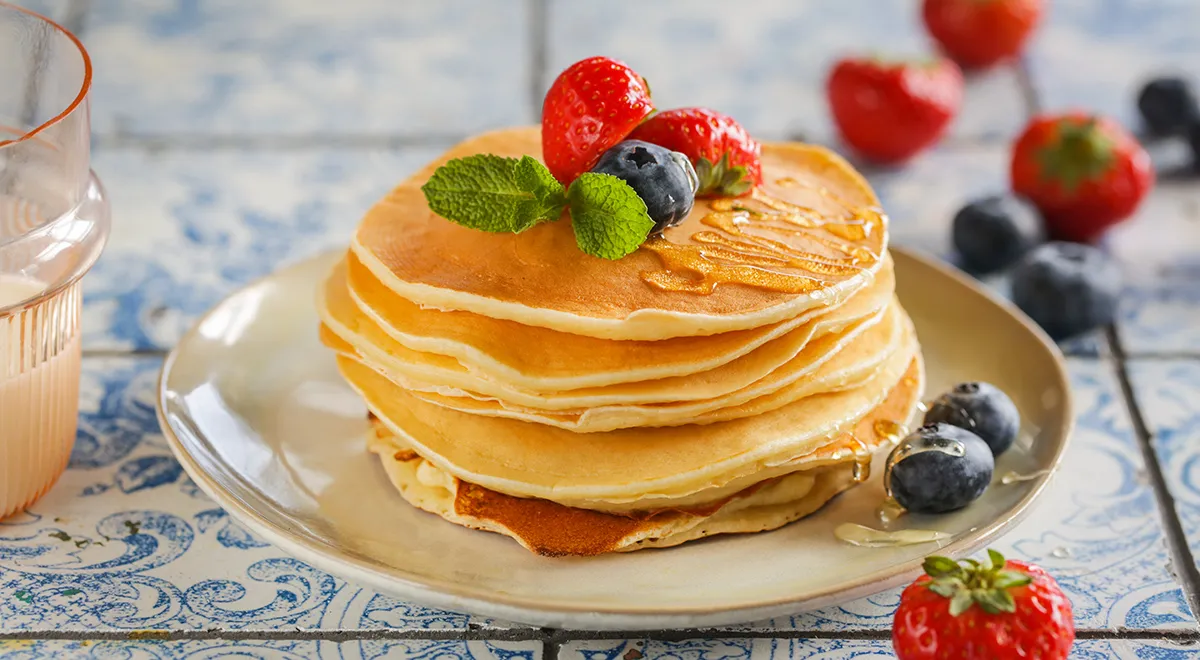
Few breakfast pleasures rival the joy of pulling a stack of golden, airy pancakes from the skillet. In Russian home kitchens, these thick kefir pancakes—tolstye bliny na kefire—are the beloved morning shortcut that delivers hearty satisfaction with minimal fuss. Unlike their delicate, lacy cousins, these pancakes are intentionally thick, meaning just one or two will fill you up. The secret lies in the kefir’s gentle acidity reacting with baking soda to create a cloud-like crumb, while the batter stays thick enough to hold its shape. Whether you’re a seasoned pancake enthusiast or a curious beginner, this recipe—adapted from the classic Russian source Gastronom.ru—promises foolproof results. For the best planetary mixer to whip up the batter effortlessly, consider upgrading your kitchen tools; but even a simple whisk will do.
About the Recipe
Originating from the heart of Russian home cooking, thick kefir pancakes are a staple breakfast that balances tradition with practicality. The name “tolstye bliny” translates to “fat pancakes,” a nod to their generous height and pillowy texture. Unlike thin crêpes, these are meant to be substantial—perfect for soaking up honey, jam, or sour cream. The recipe relies on kefir (a fermented milk drink) and baking soda for lift, avoiding yeast for speed. As noted in the original instructions, the batter should develop small bubbles after resting—a sign that the chemical reaction has begun. This method yields pancakes that are tender inside, with a lightly crisp exterior. If you’re exploring other fermented-dairy recipes, see our guide to best chocolate-covered raisins for a sweet pairing.

Ingredients
- All-purpose flour – 1 cup (approximately 130 g)
- Kefir (full-fat or low-fat) – 250 ml
- Large egg – 1
- Baking soda – ½ teaspoon
- Sugar – 1½ tablespoons
- Salt – ½ teaspoon
- Vegetable oil – 1 tablespoon, plus extra for greasing
The measurements are straightforward, but quality matters. Use fresh kefir for best rise; an opened carton older than a week may still work but yields less fluff. For precise mixing, a non-toxic immersion blender can help achieve lump-free batter quickly.
Step-by-Step Instructions
Step 1: Mix the Base
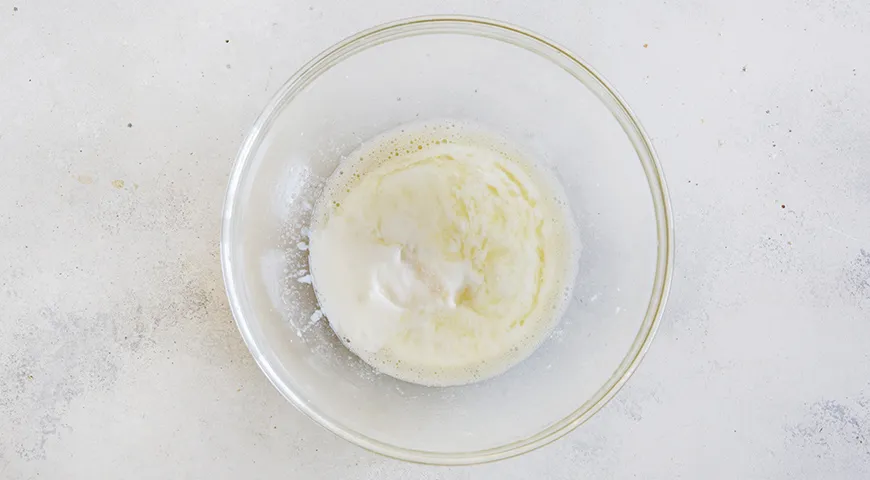
In a large bowl, combine the sugar and egg. Whisk vigorously until the mixture lightens slightly and the sugar dissolves. Add the salt, baking soda, and half of the kefir (about 125 ml). Stir well. Some cooks prefer yeast, but soda is quicker. Let the mixture rest in a warm place for 5–7 minutes until you see tiny bubbles appear on the surface—this indicates the soda is activating.
Step 2: Incorporate the Flour
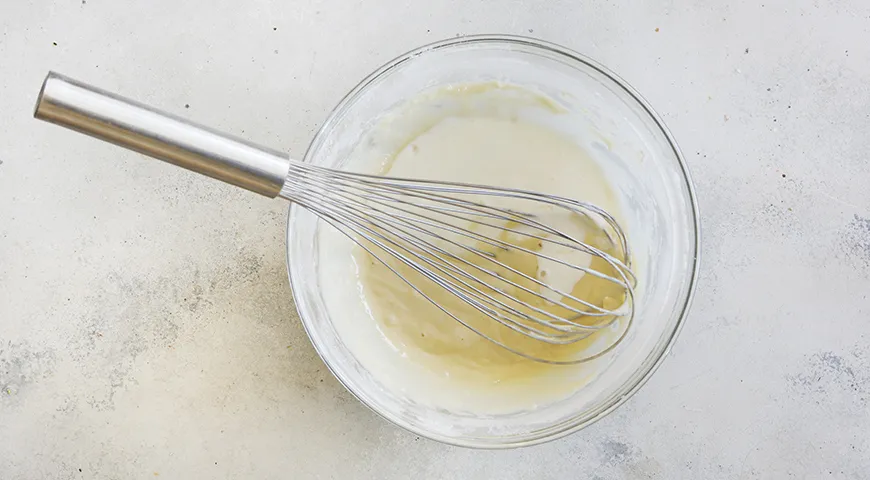
Sift the flour into the bowl, stirring constantly to break up lumps. A whisk works well, but an immersion blender can make short work of any stubborn clumps. The batter will be thick—much thicker than ordinary pancake batter. That’s intentional.

Step 3: Add Remaining Kefir
Pour in the remaining kefir and mix until the batter is smooth and uniform. At this stage, it should be thick but pourable—similar to heavy cream. Do not overmix; stop as soon as no streaks of flour remain.
Step 4: Add Oil and Aerate
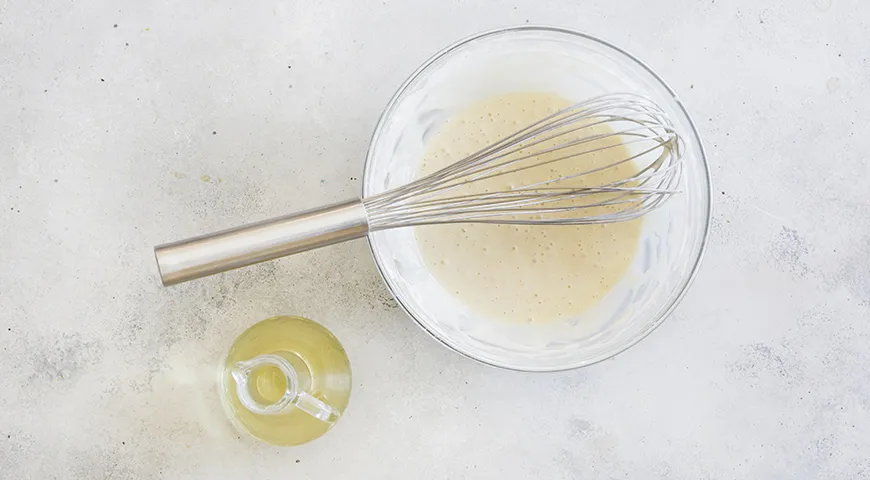
Stir in the vegetable oil. The batter “likes” frequent stirring—each fold incorporates air, making the pancakes fluffier. A best oil sprayer ensures even greasing later. Mix gently but thoroughly.
Step 5: Heat the Pan
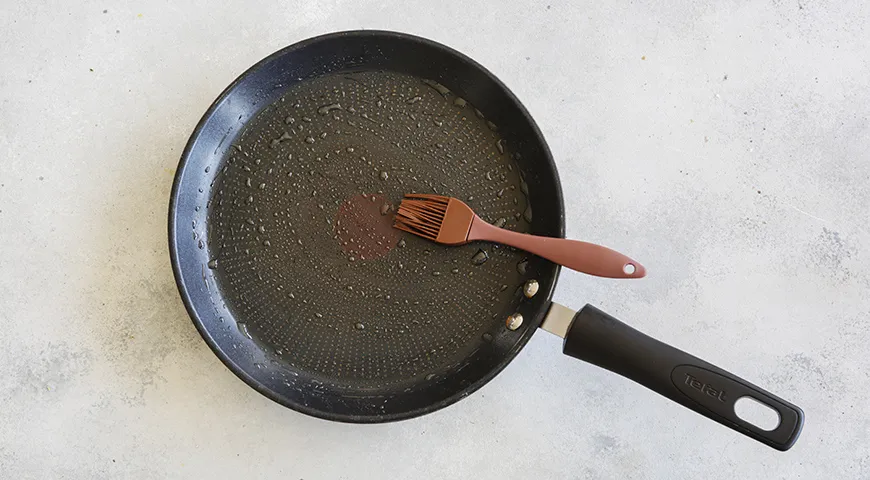
Place a nonstick skillet or cast-iron pan over medium-high heat. Lightly grease the surface with oil—use a silicone brush or a clever hack: spear a piece of raw potato or carrot on a fork, dip it in oil, and wipe the pan. This gives an even, thin layer without oversaturating.
Step 6: Pour and Cook
Ladle a portion of batter onto the hot pan, tilting to spread it evenly. Cook until the surface is covered with bubbles and the edges look set. Flip carefully and cook the second side until golden, about 30–40 seconds. Adjust heat if browning too fast. A non-toxic air fryer can also make fluffy pancakes, but the stovetop method is classic.

Step 7: Serve
Transfer the cooked pancakes to a plate. They should be thick, airy, and golden. Serve immediately with your favorite toppings—honey, jam, sour cream, fresh berries, or condensed milk. For an extra indulgence, try chocolate-covered raisins scattered on top.

Tips for Perfect Thick Pancakes
- Rest the batter: After mixing, let it sit 5–10 minutes. The soda needs time to react with the kefir’s acid, creating bubbles that give lift.
- Don’t overmix: Stir just until combined. Overworking develops gluten, making pancakes tough.
- Use medium heat: Too high and the outside burns before the inside cooks. Too low and they turn dense.
- Grease lightly: Excess oil makes pancakes greasy. Use the potato-on-a-fork trick for minimal, even coating.
- Keep an eye on consistency: The batter should be thicker than crêpe batter but still flow off a spoon. If too thick, add a splash of kefir; if too thin, add a teaspoon of flour.
For equipment that streamlines preparation, a food processor can grind nuts for toppings, while a reliable espresso machine brews the perfect coffee pairing.
Delicious Variations
These thick kefir pancakes are endlessly customizable. Add a teaspoon of vanilla extract or cinnamon to the batter for warmth. Fold in fresh blueberries or diced apples before cooking. For savory breakfasts, reduce sugar to 1 teaspoon and omit vanilla; top with smoked salmon and dill cream cheese. You can also substitute half the flour with buckwheat or oat flour for a nutty flavor. If you’re feeling adventurous, try a sourdough variation—replace baking soda with 1/4 cup of active sourdough starter and let ferment overnight. For drink pairing, explore sweet wine for brunch.
Frequently Asked Questions
Why did my pancakes turn out flat?
Flat pancakes usually mean the baking soda has lost its potency or the batter was overmixed. Check that your baking soda is fresh (test by dropping a pinch in vinegar—it should fizz vigorously). Also, let the batter rest after mixing to allow bubbles to form.
Can I use buttermilk instead of kefir?
Yes, buttermilk works similarly due to its acidity. Use the same amount (250 ml), but note that buttermilk is slightly thinner, so you may need to add an extra tablespoon of flour to maintain the thick batter consistency.
Can I make the batter ahead of time?
It’s best to cook immediately after mixing. Storing batter overnight reduces the carbonation from the soda reaction, leading to denser pancakes. If you must prepare ahead, mix all dry ingredients and wet ingredients separately, then combine just before cooking.
How do I store leftover pancakes?
Cool completely, then stack with wax paper between layers, wrap in foil, and refrigerate for up to 3 days. Reheat in a toaster, oven, or air fryer at 350°F for 3–4 minutes until warm and crisp edges return.
Can I freeze these pancakes?
Absolutely. Freeze on a baking sheet until solid, then transfer to a freezer bag. Reheat directly from frozen in a toaster or oven. They keep for up to 2 months.
Why is the batter so thick compared to regular pancakes?
The thickness is intentional—it allows the pancakes to rise higher without spreading too thin. The kefir and soda create a sturdy structure that holds a soft, cake-like interior. For comparison, see our Catalan sponge cake recipe for another fluffy texture.
What toppings go best with these pancakes?
Classic Russian toppings include sour cream (smetana), berry jam (varenye), honey, or condensed milk. For a modern twist, try yogurt with fresh fruit, maple syrup, or a dusting of powdered sugar. A drizzle of lava flavors adds a gourmet touch.
Whether you’re perfecting your morning routine or exploring Russian culinary traditions, these thick kefir pancakes promise a satisfying, fluffy result every time. For consistent results, consider investing in a high-quality planetary mixer to handle the batter effortlessly. Happy cooking!







