


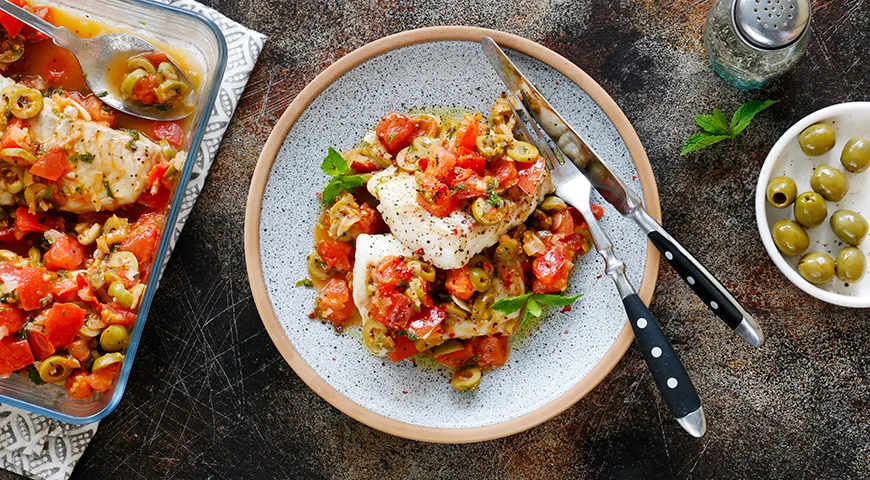
Few dishes capture the essence of Mediterranean simplicity quite like cold fish marinated in a vibrant tomato-olive sauce. This Russian-inspired preparation – Chilled Cod with Tomatoes and Olives – takes humble cod fillets and transforms them into a showstopping cold appetizer that improves after a few hours (or even overnight) in the refrigerator. The key is a quick sear to brown the fish, then a fast tomato sauce studded with briny olives and fresh herbs. Served with crusty baguette or ciabatta, it is the perfect make-ahead dish for warm-weather entertaining.
About the Recipe
This recipe hails from the Russian culinary tradition, where cold fish salads and marinated fish are staples of the summer zakuski (appetizer) table. The beauty lies in its duality: the fish is quickly pan-fried to develop a golden crust, then bathed in a hot tomato, onion, garlic and olive mixture. As it cools, the flavors meld and the fish absorbs the tangy, savory marinade. Using high-quality extra virgin olive oil for the sauce – or a good vegetable oil – ensures the final dish is luscious without being greasy. The result is a dish that tastes even better the next day.

Ingredients
- 500 g cod fillet (or haddock, saithe) – skinless, boneless
- 400 g ripe tomatoes – peeled and diced into 1 cm cubes
- 1 jar (approx. 200 g) olives stuffed with anchovies or lemon – sliced into thin rounds
- 1 medium onion (150 g) – finely chopped
- 4 cloves garlic (20 g) – minced
- 1 small bunch fresh parsley or mint (20–30 g) – leaves only, chopped
- 50 ml vegetable oil – for frying
- Salt and freshly ground black pepper to taste
For the best texture, choose thick cod fillets that will hold up during searing. If you prefer a milder olive flavor, use pitted Kalamata olives. The ice cubes (optional) can help chill the dish quickly if you are short on time, but patience yields the most harmonious flavor.
Step-by-Step Instructions
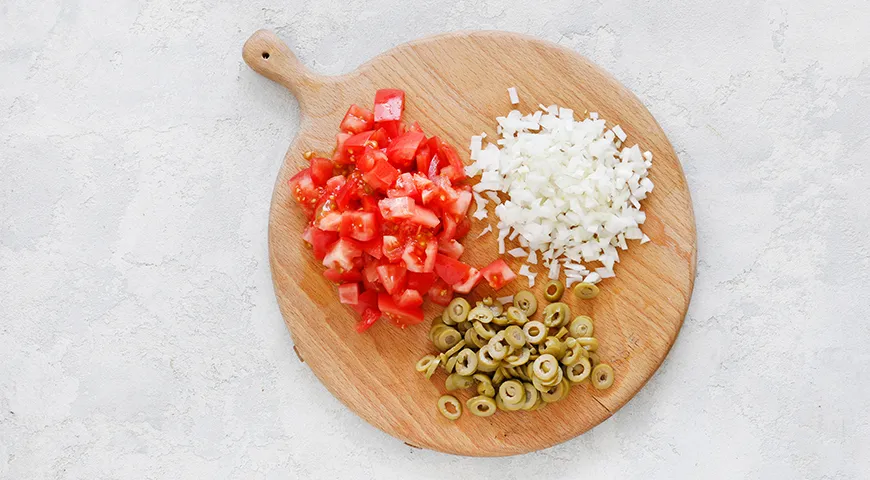
- Prepare the aromatics. Peel and finely chop the onion and garlic. Slice the olives into thin rounds. Cut the tomatoes into medium cubes; you may remove the seeds and excess juice if desired for a firmer texture.
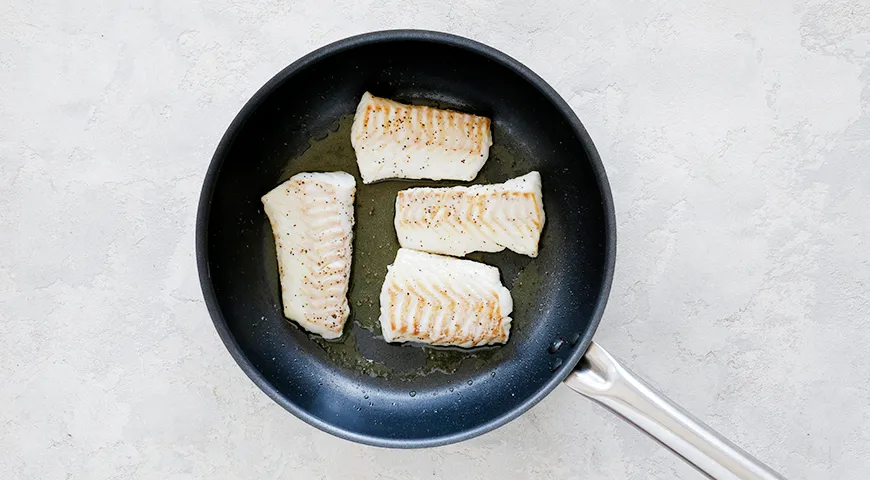
- Sear the cod. Season the fish fillets generously with salt and pepper on all sides. Heat the vegetable oil in a large non-stick skillet over medium-high heat. Fry the cod until golden brown and crisp on both sides, about 3–4 minutes per side. Transfer the fish to a shallow container or serving dish. Do not wash the skillet – the browned bits add depth to the sauce.
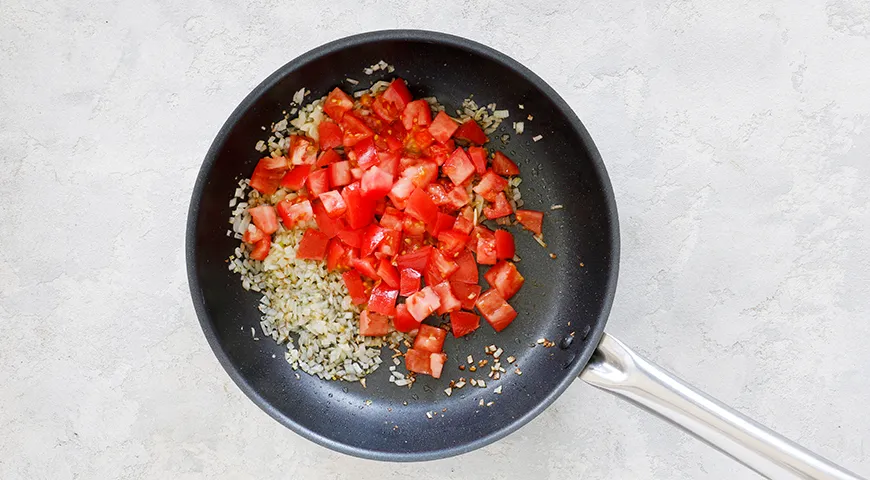
- Build the tomato base. In the same skillet, add the chopped onion and sauté over high heat for 4–5 minutes until softened and lightly browned. Add half of the diced tomatoes and the minced garlic. Season with salt and pepper. Cook, stirring frequently, for 5 minutes until the tomatoes break down into a thick sauce.
- Finish the sauce and marinate the fish. Add the remaining diced tomatoes and sliced olives to the skillet. Cook for 1 minute, just to warm through. Pour the hot tomato-olive mixture directly over the seared cod fillets. Allow the dish to cool to room temperature, partially covered (leave the lid ajar). Once cool, cover completely and refrigerate for at least 2 hours – ideally 8 hours or overnight for the deepest flavor. Serve cold, garnished with fresh parsley or mint.
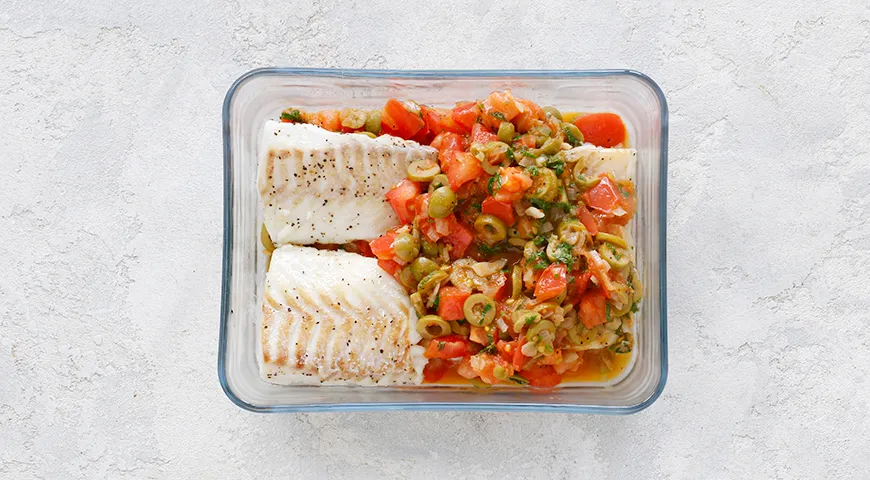
Tip: A food processor can quickly chop the onions and garlic, but hand-chopping gives better control for sautéing.
Tips for Perfect Results
- Choose the right fish: Cod, haddock, or saithe work best due to their firm, flaky texture. Avoid delicate fish like tilapia or sole, which may fall apart.
- Don't skip the rest: The fish needs at least 2 hours in the fridge to absorb the tomato-olive flavors. A consistent refrigerator temperature around 4°C is ideal.
- Control the oil: Use a neutral oil with a high smoke point for searing. For the sauce, a non-toxic cooking oil such as avocado or refined olive oil prevents off-flavors.
- Adjust acidity: If your tomatoes are less than perfect, add a splash of red wine vinegar or lemon juice to brighten the sauce.
- Use a planetary mixer? Not needed here, but a good whisk helps if you decide to emulsify some of the sauce later for a vinaigrette.
Variations
Herb swap: Replace parsley with fresh basil or dill for a different flavor profile. Fresh mint adds a refreshing note but is optional.
Olive alternatives: Use green olives stuffed with pimento or capers instead of anchovy-stuffed ones. For a milder taste, opt for pitted black olives (though chocolate-covered raisins won't work here, we recommend a classic olive bar).
Fish substitutes: Swordfish or halibut steaks work beautifully – just adjust cooking time. For a budget-friendly option, try pollock or hake.
Spice it up: Add a pinch of red pepper flakes or a finely chopped chili to the tomato sauce for heat.
Serving idea: Serve on a bed of Catalan sponge cake? No – stick to crusty bread or boiled potatoes. For a wine pairing, a sweet, high-alcohol wine like a late-harvest Riesling or an off-dry rosé complements the brine and tomato.
Frequently Asked Questions
Can I use frozen cod for this recipe?
Yes, but thaw completely and pat dry with paper towels before searing to avoid steaming. Thawing in the refrigerator overnight ensures the best texture – no rush with an ice maker.
How long does the marinated fish keep in the refrigerator?
It keeps well for up to 3 days in an airtight container. The flavors only intensify, making it an ideal make-ahead dish. For extended storage, consider using a steam canner for preservation, though this recipe is best fresh.
Can I serve this dish warm?
It is traditionally served cold, but you can enjoy it at room temperature after a 30-minute rest. Do not reheat, as the fish may become dry.
What can I use instead of olives?
Capers or sun-dried tomatoes provide a similar briny punch. For a completely different twist, try pickled artichoke hearts.
Is this recipe gluten-free?
Yes, all ingredients are naturally gluten-free. Serve with gluten-free bread or crackers. Always check the olive jar label for any hidden additives.
Can I add wine to the sauce?
A dry white wine (like Sauvignon Blanc) can replace some of the tomato juice – add 50 ml after sautéing the onions and let it reduce for 2 minutes before adding tomatoes. For a non-alcoholic option, use white wine vinegar diluted with water. A splash of organic vodka is not recommended; it would overpower the delicate fish.
Why do I need to cool the fish partially covered?
This allows steam to escape, preventing condensation from diluting the sauce. Once cool, sealing fully prevents the fish from absorbing too much moisture and becoming soggy. A refrigerant leak detector is irrelevant here – just ensure your fridge is at a steady 4°C.
What sides go with this cold fish?
Classic accompaniments include crusty baguette, boiled new potatoes, or a simple green salad. The leftover sauce is excellent drizzled over chocolate-covered raisins? No – but it pairs wonderfully with a fresh tomato and cucumber salad. For a full meal, serve with coffee after, but not during.







