


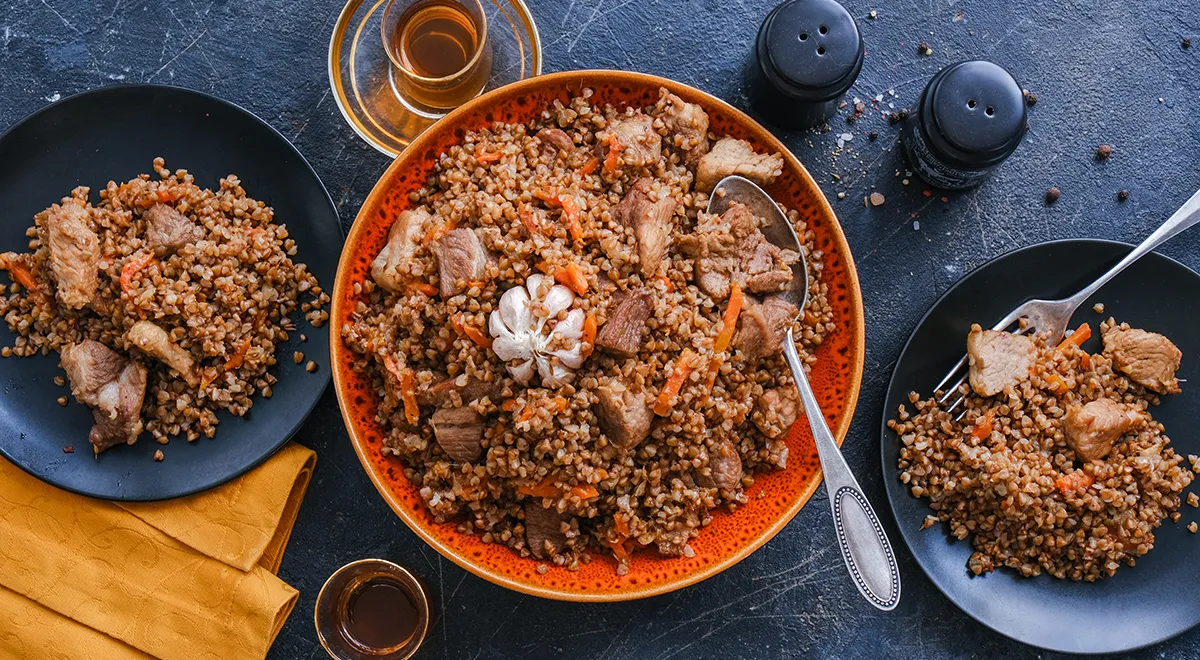
Imagine the soul-warming comfort of a classic Russian buckwheat porridge meeting the aromatic, spice‑laden depths of an Uzbek plov. That is precisely what this Buckwheat Plov delivers: a bold, unexpected fusion that honours both culinary traditions. Traditionally, plov is built around long‑grain rice – a neutral canvas that soaks up meat juices, caramelised onions, and fragrant cumin. But here, we replace rice with hearty, nutty buckwheat groats (known as yadritsa in Russian). The result is a dish with far more personality: each grain stays distinct, absorbing the rich pork stock and the earthy whisper of dried porcini mushrooms. This recipe pays homage to the classic plov technique – searing meat, building a flavourful zirvak, then layering the grain and slowly steaming – while giving it a distinctly Russian soul. Whether you are a buckwheat devotee or a plov purist open to experimentation, this preparation will surprise and delight. Serve it as a robust main course on a chilly evening, perhaps alongside a simple cucumber salad or a dollop of smetana. The deep, savoury aroma alone will transport you to a rustic kitchen where east meets north.
About This Recipe
Buckwheat plov is not a dish you will find on every Azerbaijani or Uzbek table; it is a creative cross‑cultural invention that gained popularity in modern Russian home cooking. The idea is simple: swap the neutral rice for the more pronounced, earthy flavour of roasted buckwheat. To lift the dish further, we introduce dried porcini mushrooms, ground into a fine powder that melts into the meat and vegetables. This adds an umami depth that perfectly complements the slightly bitter notes of buckwheat. The technique remains faithful to traditional plov: a heavy‑bottomed pot or cast iron cast iron vessel is essential for even heat distribution. The meat – pork shoulder or belly – is first seared to a deep caramelised crust, then set aside while the onions and carrots cook until golden. The liquid is added carefully through a slotted spoon to avoid disturbing the layered structure, and the whole pot is then covered and allowed to steam on the lowest heat. The result is a dish where each component is distinct yet harmoniously blended.

Ingredients
- 500 g buckwheat groats (yadritsa)
- 500 g pork (shoulder or belly)
- 200 g red or yellow onion
- 150 g carrots
- 3 garlic heads
- 1 tsp cumin seeds (zira)
- 20 g dried porcini mushrooms
- 50 g clarified butter (ghee)
- 50 ml refined vegetable oil (sunflower or grapeseed)
- Salt to taste
- Freshly ground black pepper to taste
For the best outcome, choose high‑quality buckwheat that is whole, not broken, and preferably organic. The dried porcini can be ground using a coffee grinder or a high‑speed blender; a fine powder ensures even distribution. If you cannot find dried porcini, substitute with dried shiitake or even a good vegetable bouillon powder.
Step‑by‑Step Instructions
Step 1: Prepare the Buckwheat
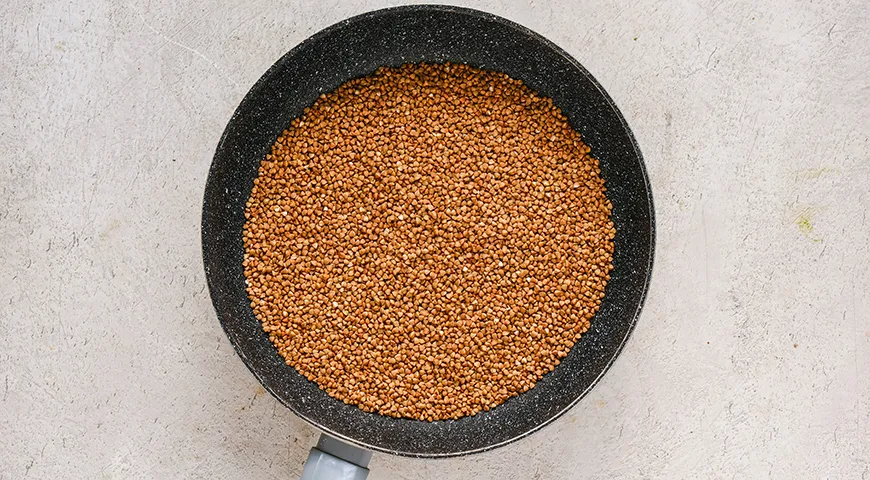
Pick over the buckwheat to remove any impurities, then rinse under cold running water. Transfer to a dry skillet and toast over medium heat, stirring constantly, until it releases a nutty, popcorn‑like aroma. Set aside.
Step 2: Prep the Meat and Vegetables
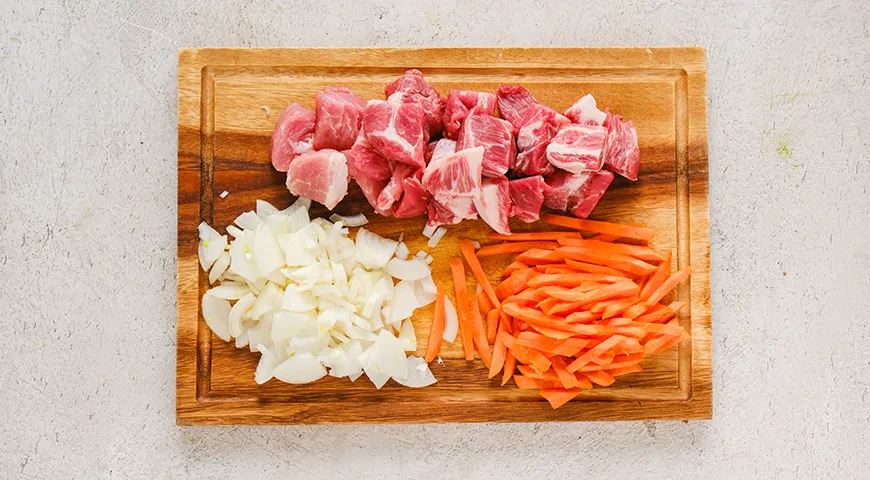
Wash the pork and cut into 2–3 cm cubes. Peel the onion and slice into half‑rings. Peel the carrots and cut into thin strips (julienne). Place a heavy‑bottomed pot or dutch oven over high heat.
Step 3: Sear the Pork
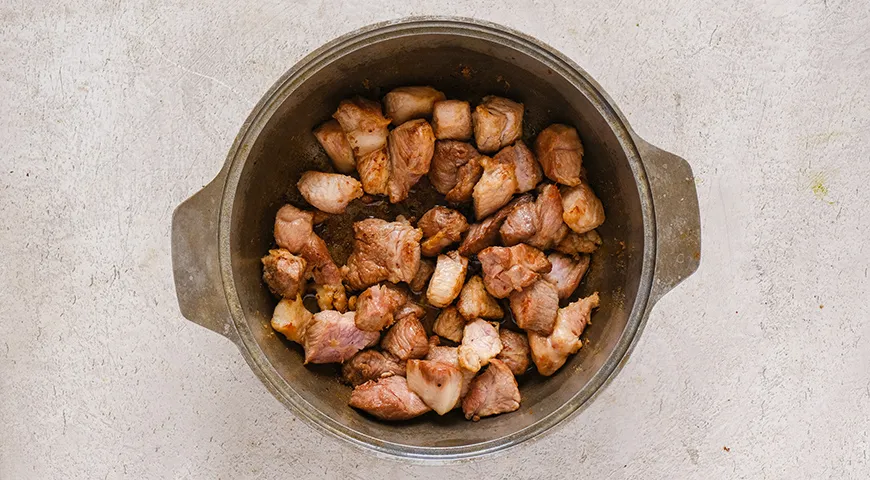
Pour the vegetable oil into the pot and heat until shimmering. Add the pork cubes in a single layer – do not crowd – and sear without moving until deep golden brown on all sides. Transfer the pork to a plate and set aside.
Step 4: Cook the Vegetables and Build the Zirvak
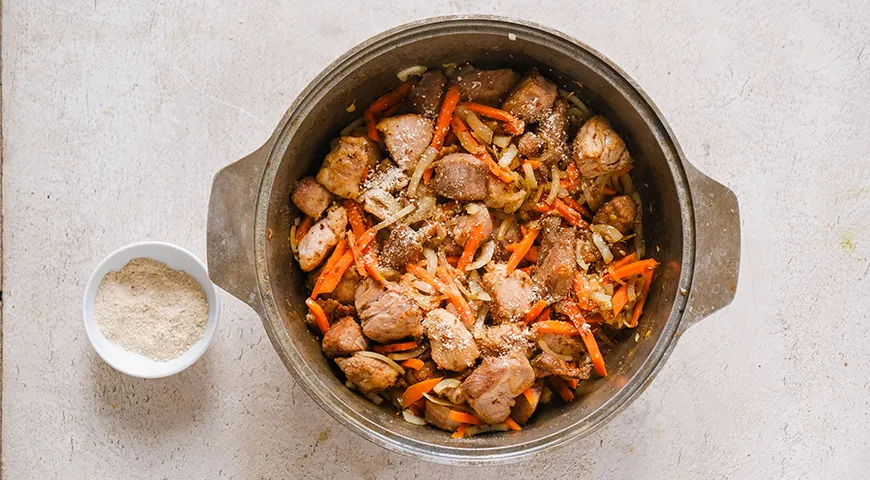
In the same pot, add the carrots and stir‑fry for 5 minutes. Add the onion and cumin seeds. Continue cooking, stirring occasionally, until the onion turns translucent and begins to caramelise – about 5–7 minutes. Meanwhile, grind the dried porcini mushrooms to a fine powder using a spice grinder. Return the pork to the pot, sprinkle the mushroom powder over everything, and cook for 3 minutes more, stirring to combine.
Step 5: Layer the Buckwheat and Add Liquid
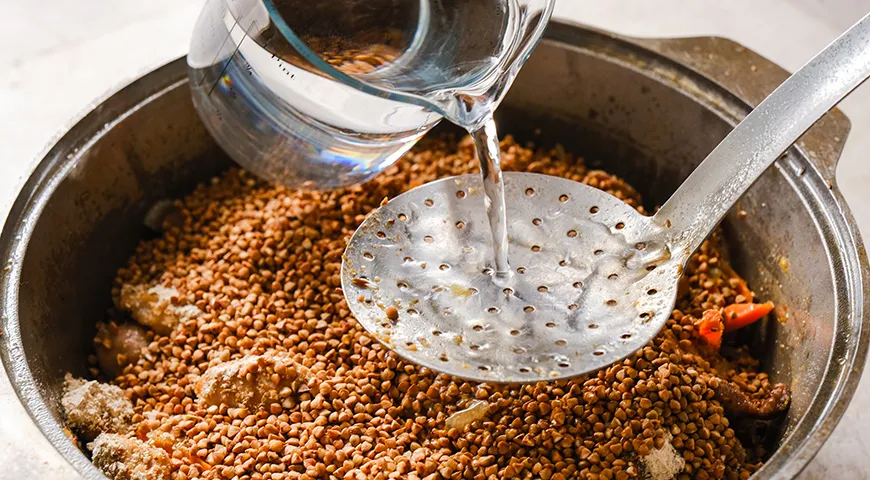
Level the meat‑vegetable mixture in the pot. Spread the toasted buckwheat evenly on top – do not stir. Pour cold water through a slotted spoon (to avoid disturbing the layers) until the water sits 1–2 cm above the buckwheat. Season generously with salt and pepper. Bring to a boil over high heat, then reduce to medium and cook until the water has evaporated from the surface – about 10 minutes.
Step 6: Steam and Finish
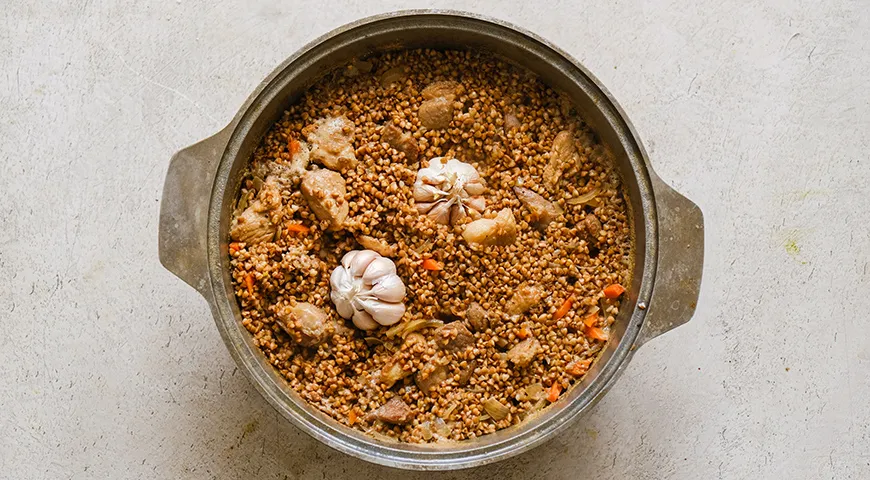
Peel the upper dry skin from each garlic head, leaving the cloves attached. Press the garlic heads into the buckwheat. Cover the pot tightly with a lid, reduce heat to the lowest possible setting, and cook for 40 minutes. Uncover, dot the buckwheat with small knobs of clarified butter (about half a teaspoon each), re‑cover, and cook for another 7 minutes. Finally, fluff the plov with a fork, mixing the garlic‑infused butter through the grains. Serve immediately, garnished with fresh herbs if desired.
Tips for Perfect Buckwheat Plov
- Toasting is non‑negotiable: Dry‑toasting buckwheat before cooking deepens its nutty flavour and helps keep the grains separate. Use a heavy convection oven pan or a cast‑iron skillet.
- Don’t skimp on the fat: A combination of vegetable oil and clarified butter gives the final dish a silky richness. If you use only lean meat, add a spoonful of duck fat or ghee.
- Use freshly ground cumin: Whole cumin seeds toasted and crushed just before cooking deliver far more aroma than pre‑ground powder.
- Lid must be tight: A heavy, well‑fitting lid prevents steam from escaping. If yours is not snug, place a layer of foil under the lid before cooking.
- Let it rest: After cooking, allow the plov to rest, covered, for 5 minutes off the heat. This lets the steam redistribute evenly.
Variations
While pork gives this dish a wonderful succulence, you can easily adapt it. Chicken thighs or lamb work equally well – just increase the cooking time by 5–10 minutes for lamb. For a vegetarian version, omit the meat and add more vegetables: bell peppers, eggplant, and a generous handful of dried porcini. You can also experiment with spices: a pinch of saffron stirred into the water adds a luxurious golden hue. If you want a lighter version, use air‑fryer roasted vegetables and reduce the added oil. And for those who love heat, include a dried chili pod in the zirvak.
FAQ
Can I use pre‑steamed buckwheat (quick‑cooking)?
We strongly advise against it. Quick‑cooking buckwheat has been parboiled and will turn mushy during the long steaming. Always use whole, raw buckwheat groats (yadritsa) for the best texture.
What if I don’t have dried porcini mushrooms?
You can substitute with dried shiitake or even a good vegetable bouillon powder. However, porcini bring a unique forest‑floor earthiness that elevates the dish. Grinding them into a fine powder (using a spice grinder or wheatgrass juicer attachment) is key to even distribution.
Can I make this in a slow cooker?
Yes, but the texture will differ. Sear the meat and vegetables on the stovetop first, then transfer everything to a slow cooker. Cook on low for 4–5 hours. The buckwheat will become softer, almost porridge‑like – still delicious but not as distinct.
How do I avoid burnt bottom?
Use a heavy‑bottomed pot and keep the heat very low during the steaming phase. If your stove’s low setting is still too hot, use a microwave pressure cooker on the stove? No, better use a diffuser plate. Also, do not stir the buckwheat after adding water – stirring can cause sticking.
Can I freeze leftover buckwheat plov?
Absolutely. Cool completely, then pack in an airtight container. It freezes well for up to 2 months. Reheat gently in a covered pan with a splash of water, or in a microwave.
What should I serve with it?
Buckwheat plov is a complete meal, but it pairs beautifully with a fresh tomato and cucumber salad dressed with yogurt and dill. A side of pickled vegetables – like steam canned pickles – provides a bright, acidic contrast.







