


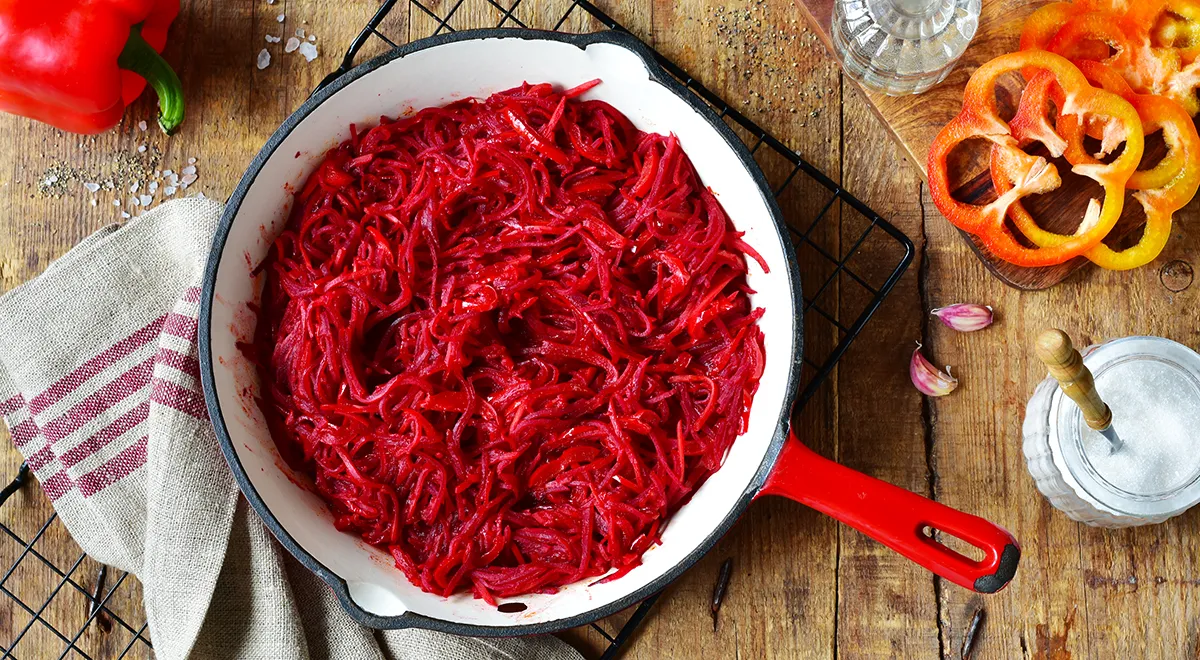
In the heart of every soul-warming bowl of Ukrainian borscht lies a humble yet mighty foundation: the sauté. Known in Russian as zazharka, this aromatic mixture of root vegetables, bell pepper, and tomato is the secret to achieving layers of sweet, earthy, and tangy depth. While countless variations exist, this version with fresh bell pepper and vine‑ripened tomatoes elevates the classic to new heights. Whether you're a seasoned cook or a curious beginner, mastering this borscht sauté is the first step toward an authentic, restaurant‑worthy borscht. Read on to discover how to build this flavor base with precision, using tools like a best glass food processor to simplify vegetable prep or a non‑toxic immersion blender for pureeing if you desire a smoother texture.
About This Sauté
This borscht sauté is more than just a recipe—it's a technique. The combination of carrots, onions, beets, and bell pepper creates a naturally sweet and savory base, while a splash of vinegar and a pinch of sugar balance the earthiness of the beets. Unlike raw additions, sautéing the vegetables before adding them to broth caramelizes their natural sugars, yielding a richer, more complex flavor. The method is straightforward, but attention to detail—from the cut of the vegetables to the order of cooking—makes all the difference. For consistent results, consider using a best planetary mixer with a grating attachment (though here we use a knife) or an oil sprayer to evenly distribute the oil.

Ingredients
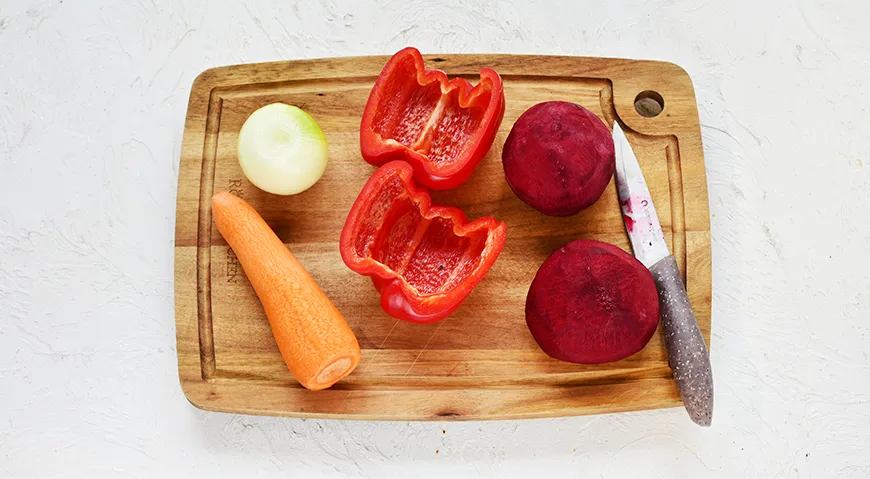
- 1 medium carrot (approx. 100 g)
- 1 medium onion (approx. 120 g)
- 1 red bell pepper (approx. 150 g)
- 2 small beets (approx. 200 g total)
- 2 small ripe tomatoes (approx. 150 g total)
- 2 tablespoons vegetable oil (30 ml)
- ½ tablespoon 9% table vinegar (7.5 ml)
- 1 teaspoon sugar (4 g)
- Salt to taste
For best results, use fresh, firm vegetables. The beets should be small and sweet; bell peppers can be red or yellow. If you prefer organic produce, you may also store leftovers in a 48‑inch built‑in refrigerator to maintain freshness.
Step-by-Step Instructions
- Prepare the vegetables. Wash and peel the carrot, onion, beets, and bell pepper. Halve the pepper and remove seeds, membranes, and stem. Rinse everything again.
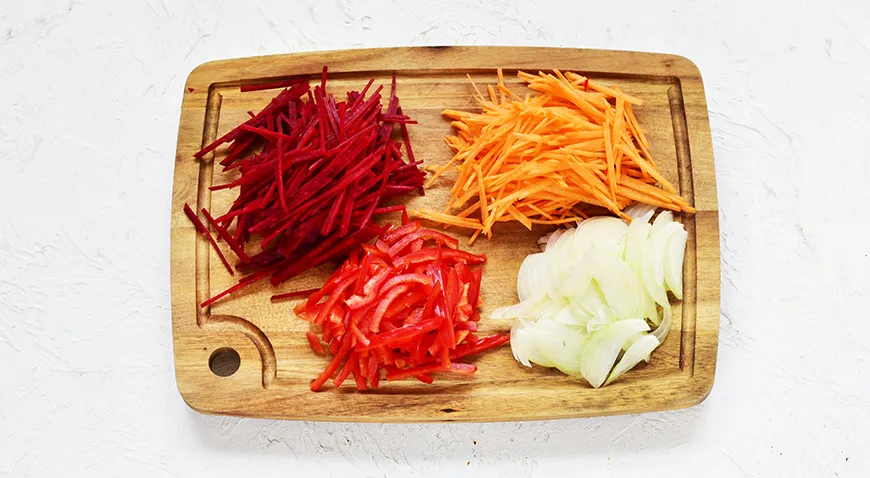
- Cut the vegetables. Slice the carrot, pepper, and beets into thin matchsticks (julienne). The beets can also be grated on a coarse box grater. Dice the onion into small cubes or thin strips.
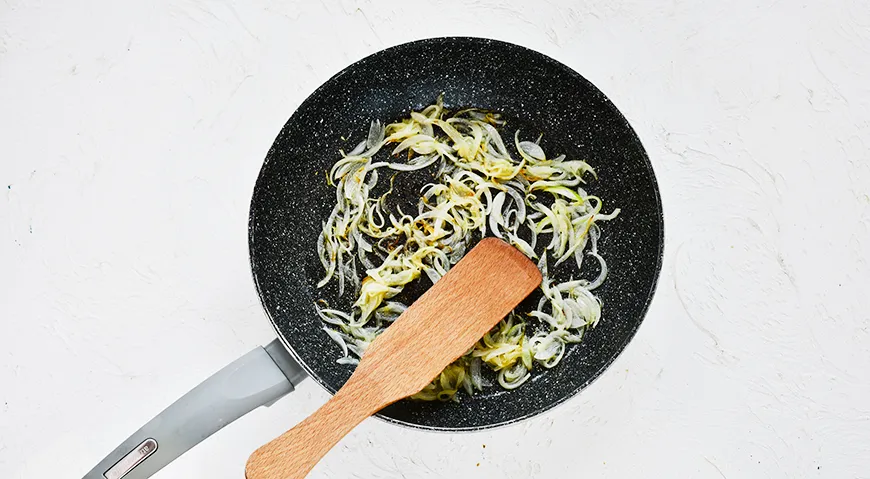
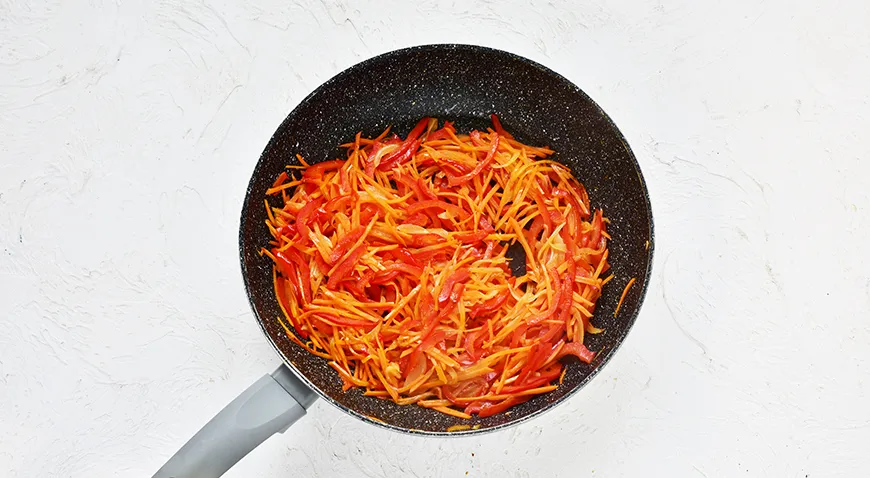
- Sauté the onion. Heat oil in a large skillet or wide saucepan over medium heat. Add the diced onion and cook, stirring occasionally, until translucent and golden—about 4–5 minutes.
- Add carrot and bell pepper. Stir in the carrot strips and bell pepper. Cook for 4–5 minutes, stirring often, until the carrot softens slightly and the pepper brightens.
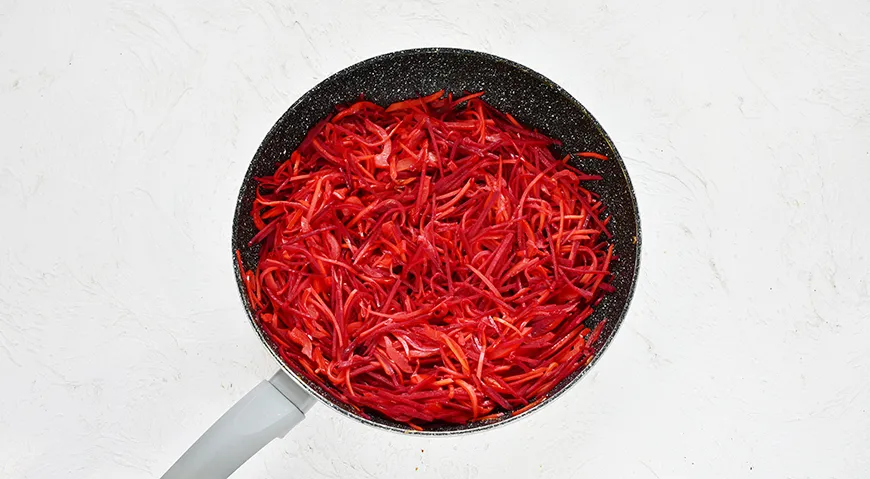
- Incorporate the beets. Add the beet strips or grated beets to the pan. Toss everything together and cook for 2–3 minutes to allow the beets to begin releasing their color.
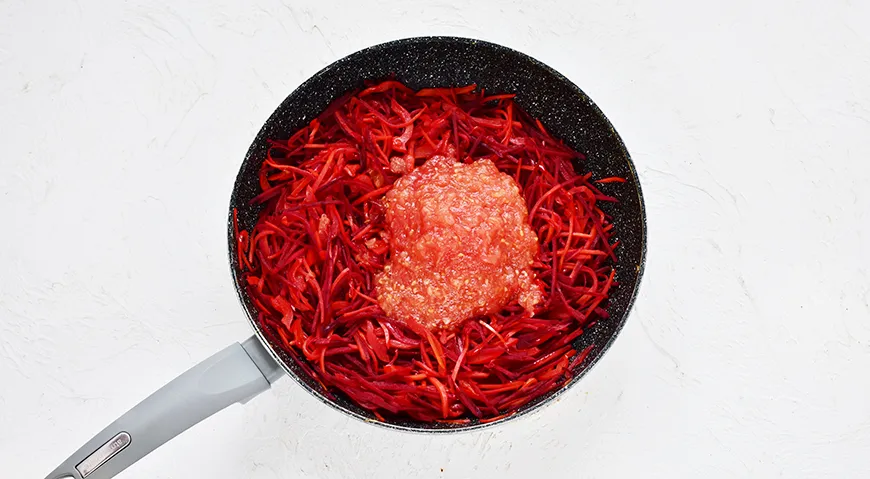
- Grate and add tomatoes. Grate the tomatoes on a coarse grater (discard any tough skins). Add the tomato pulp and juices to the skillet. Stir well.
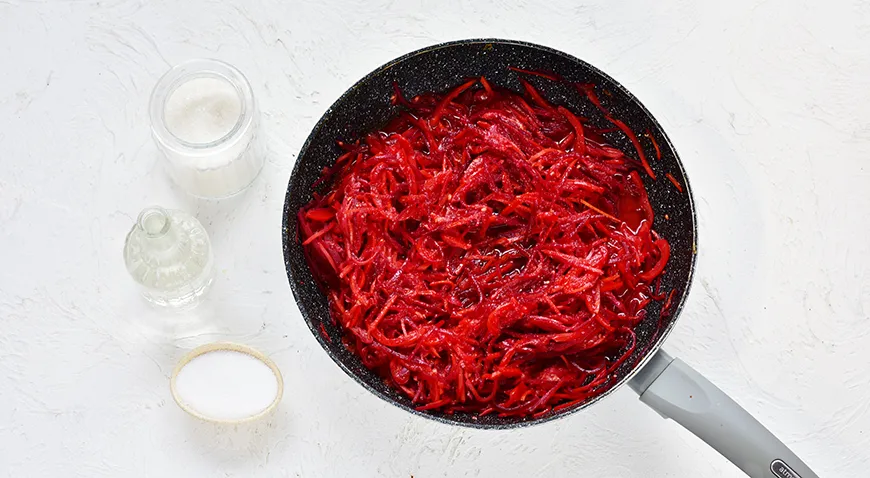
- Season and simmer. Add salt, vinegar, and sugar. Mix thoroughly. Reduce heat to low and let the sauté simmer uncovered for about 10–15 minutes, stirring occasionally, until the beets are tender and the tomato liquid has mostly evaporated, leaving a thick, glossy mixture. The sauté is ready to be added to your borscht.
Tips for the Perfect Sauté
- Cut uniformly: Even pieces ensure even cooking. Using a sharp chef's knife or a wheatgrass juicer (for the beet juice only) is optional, but a simple mandoline can work wonders.
- Don't overcrowd the pan: If your skillet is small, cook the vegetables in two batches to avoid steaming instead of sautéing.
- Vinegar matters: The 9% table vinegar provides acidity without overwhelming. Apple cider vinegar is a great substitute—check our guide on steam canners if you plan to preserve the sauté.
- Extra depth: For a umami boost, add a teaspoon of tomato paste along with the grated tomatoes. You can also enhance the sweetness with a pinch of smoked paprika.
- Make ahead: This sauté can be refrigerated for up to 5 days or frozen for 3 months. Use a undercounter ice maker to keep your drinks cold while you cook!
Variations
While this recipe is classic, feel free to adapt it. For a spicier version, add half a finely chopped chili pepper along with the onion. For a smokier taste, use roasted bell pepper and fire‑roasted tomatoes. Vegan‑friendly as written, but you can also deglaze the pan with a splash of vegetable broth for extra flavor. If you love experimenting, try pairing this sauté with a side of chocolate‑covered raisins for an unexpected sweet‑savory contrast—or incorporate organic vodka into your borscht for a grown‑up twist.
FAQ
Can I use a food processor to chop the vegetables?
Absolutely. A best glass food processor or any quality model will slice carrots, beets, and peppers in seconds, saving you time and ensuring uniform pieces. The result may differ slightly in texture, but the flavor remains superb.
What if I don't have bell pepper?
You can omit the bell pepper or substitute with a small red capsicum. For a different flavor profile, try using a roasted red pepper from a jar (drained well) or even a poblano pepper for mild heat.
Can I make this sauté without vinegar?
The vinegar helps preserve the vibrant beet color and adds essential acidity. If you avoid vinegar, substitute with freshly squeezed lemon juice (about 1 tablespoon) and reduce the sugar slightly. The taste will be slightly different but still delicious.
How do I store leftover sauté?
Cool completely, then transfer to an airtight container. Refrigerate for up to 5 days or freeze for up to 3 months. To freeze, portion into silicone molds or small bags. Thaw overnight in the fridge and reheat gently before using. A 48‑inch built‑in refrigerator offers ample space for large batches.
Is this sauté suitable for vegetarian or vegan borscht?
Yes, completely. This recipe contains no animal products. Pair it with a vegetable broth‑based borscht and serve with a dollop of vegan sour cream for a satisfying meal.
Why did my beets turn brown?
Browning occurs when beets are over‑cooked or exposed to oxygen for too long. To prevent this, keep the sauté covered after adding the vinegar and stir gently. Also, use very fresh beets and cut them just before cooking.
Can I add garlic to this sauté?
Certainly. For a more aromatic base, add 2–3 minced garlic cloves after the onion turns golden, and cook for another minute before adding the other vegetables. Garlic can burn quickly, so watch carefully.
What's the best oil to use?
Neutral oils like sunflower, canola, or grapeseed work well. For a richer flavor, try light olive oil but avoid extra virgin due to its low smoke point. An oil sprayer ensures even coating without excess oil.
How much sauté do I need for a standard pot of borscht?
This recipe yields about 400–450 g of sauté, which is perfect for a 3‑liter pot of borscht (serves 6–8). Adjust the quantities proportionally if making more or less.
Can I use this sauté for other dishes?
Absolutely. It's fantastic as a topping for baked potatoes, stirred into lentils, or used as a base for vegetable stews. For a quick weeknight meal, toss it with cooked pasta and a sprinkle of castor oil (though castor oil is not for cooking—use olive oil instead!).
Mastering this borscht sauté with bell pepper will transform your beet soup from good to unforgettable. With careful vegetable prep, proper timing, and a few pro tips, you'll have a versatile flavor base that pays homage to Eastern European tradition. For more kitchen tools and ingredient recommendations, explore Walfos Brand's reviews on non‑toxic air fryers and espresso machines under $2000 to complete your culinary arsenal. Happy cooking!







