


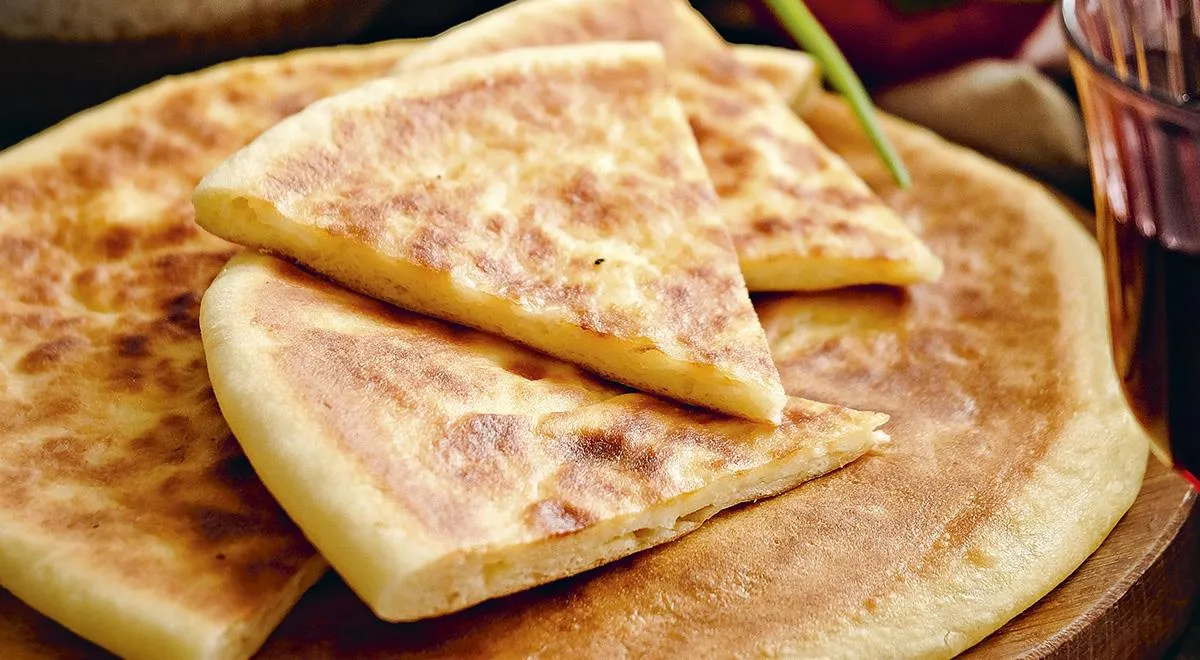
Imagine pulling a golden, butter-glazed flatbread straight from the pan, its surface cracking to reveal molten, stretchy cheese within. This is the soul of Authentic Imeretian Khachapuri—a warm, comforting disc of dough and dairy that has been a cornerstone of Georgian cuisine for centuries. Unlike its more famous boat-shaped cousin (Adjarian khachapuri), the Imeretian version is a sealed, round pie, where the filling stays hidden until you break through the crust. The secret lies in the tangy matsoni (fermented milk) dough, which becomes airy and tender thanks to a simple soda-vinegar reaction. Using a heavy skillet or a hot oven, you can recreate this marvel at home. For a foolproof dough, consider using a planetary mixer to knead it gently.
About Imeretian Khachapuri
Hailing from the Imereti region of western Georgia, this khachapuri is prized for its balanced simplicity. The dough relies on matsoni—a yogurt-like cultured milk—which not only adds a subtle tang but also reacts with baking soda to create lift without yeast. A splash of apple cider vinegar boosts this reaction, ensuring a fluffy crumb. The star of the show is Imeretian cheese: a mild, slightly salty fresh cheese that melts beautifully. If you cannot find it, a blend of suluguni and feta or Adyghe cheese works splendidly. Grinding the cheese with a food processor can save time, but a box grater yields a more textured filling. Traditionally baked in a wood-fired tone (clay oven), a heavy cast-iron skillet or a commercial countertop convection oven does the job admirably at home.

Ingredients
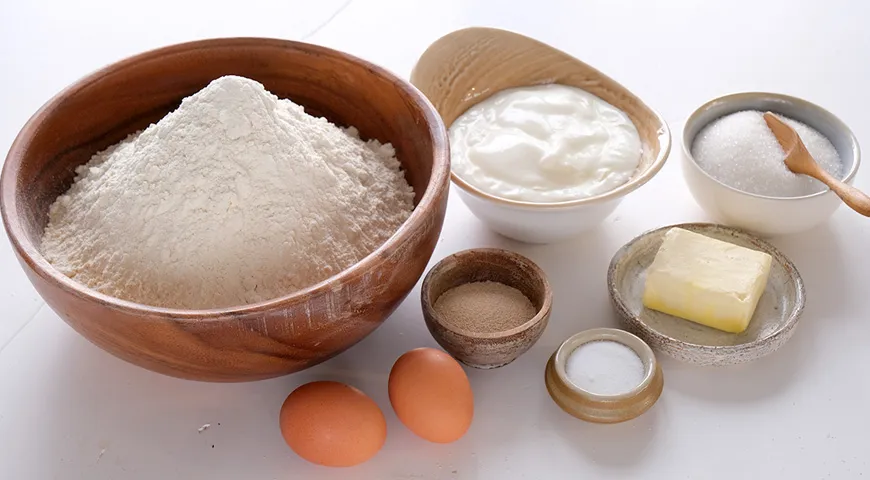
- 800 g Imeretian cheese (or mix of suluguni with feta or Adyghe cheese)
- 450 g all-purpose flour, plus extra for dusting
- 250 g matsoni (or plain kefir as substitute)
- 80 g sour cream
- 55 g neutral vegetable oil (e.g., sunflower or grapeseed)
- 7 g baking soda
- 5 g salt
- ½ teaspoon apple cider vinegar
- Butter for brushing (about 2 tablespoons per flatbread)
For best results, use high-quality dairy. An immersion blender is not required here, but it can help emulsify the filling if you choose to blend in some herbs.
Step-by-Step Instructions
- Prepare the dough: In a large bowl, whisk together the flour, salt, and baking soda. Add the matsoni, sour cream, and vinegar. Mix until the flour is uniformly moistened—a wooden spoon or sturdy spatula works. Then add the oil and knead gently to form a soft, slightly sticky dough. Do not overwork it; a few turns are enough. Cover with a towel and let rest for 15 minutes.
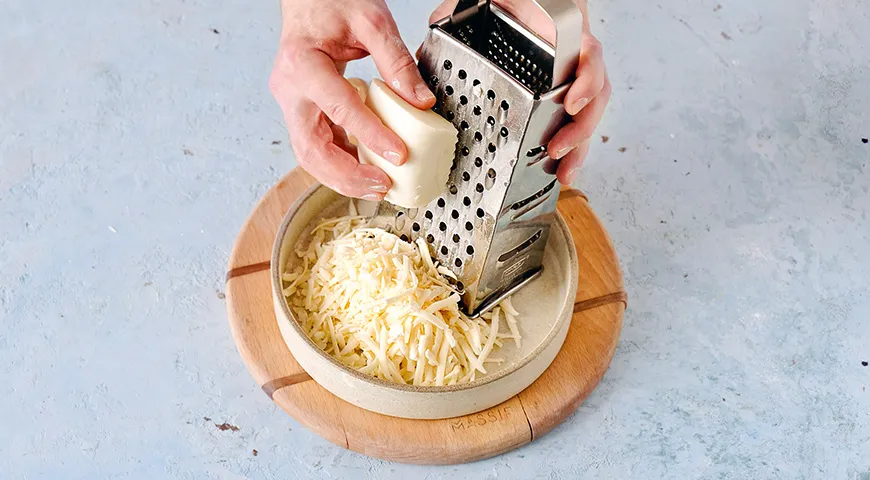
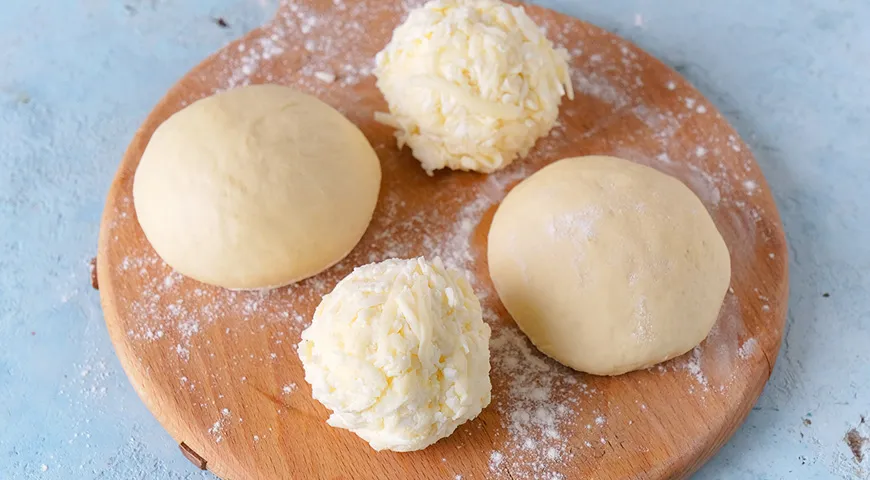
- Prepare the cheese filling: Grate the cheese on the large holes of a box grater. Divide into 6 equal portions (about 130 g each). Roll each portion into a tight ball. If using a mix of cheeses, adjust salt to taste—feta can be salty.
- Divide the dough: Lightly flour your work surface. Turn out the rested dough and cut into 6 equal pieces. Gently roll each piece into a loose ball. Do not punch down or knead again—you want to preserve the airy structure.
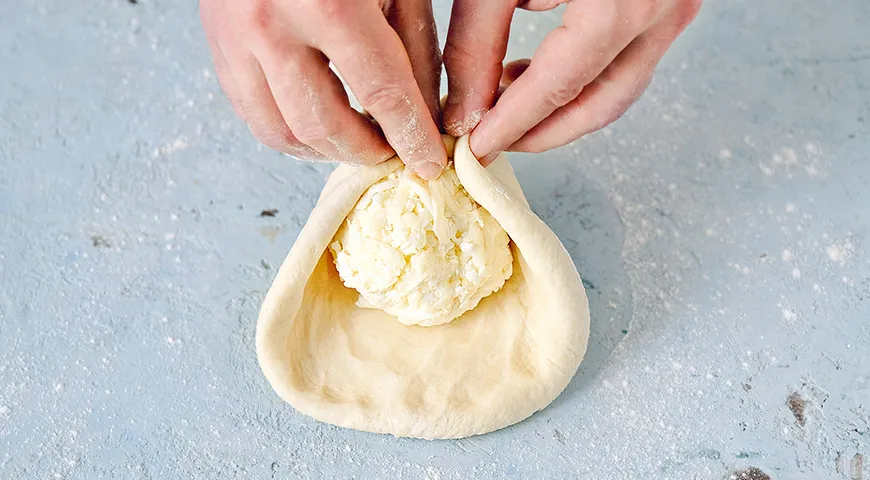
- Assemble the khachapuri: Take one dough ball and flatten it into a disc about 15 cm in diameter. Place a cheese ball in the center. Lift the edges of the dough and gather them over the filling, pinching to seal—like a dumpling. Gently press the seam to flatten the bundle into a thick disc, taking care to distribute the cheese evenly all the way to the edges.
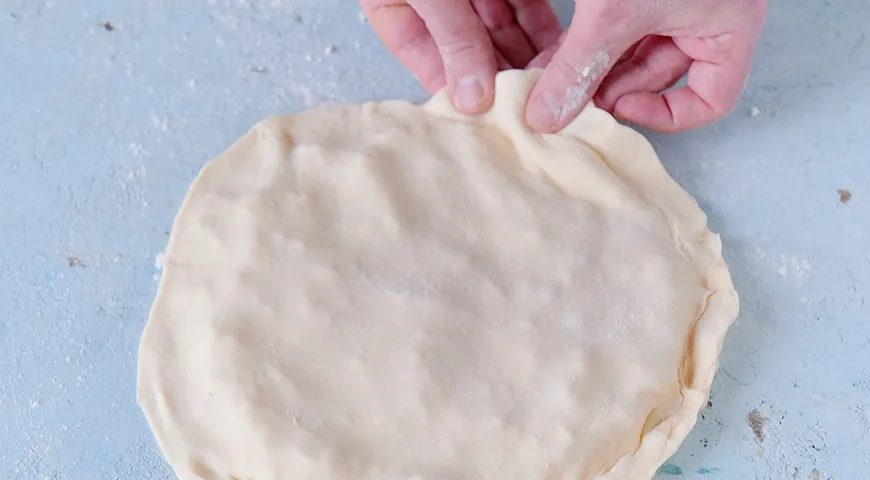
- Flatten gently: With your palm, press the stuffed ball into a neat, even disc about 2 cm thick. Aim for a uniform layer of cheese beneath the dough—this ensures every bite is creamy.
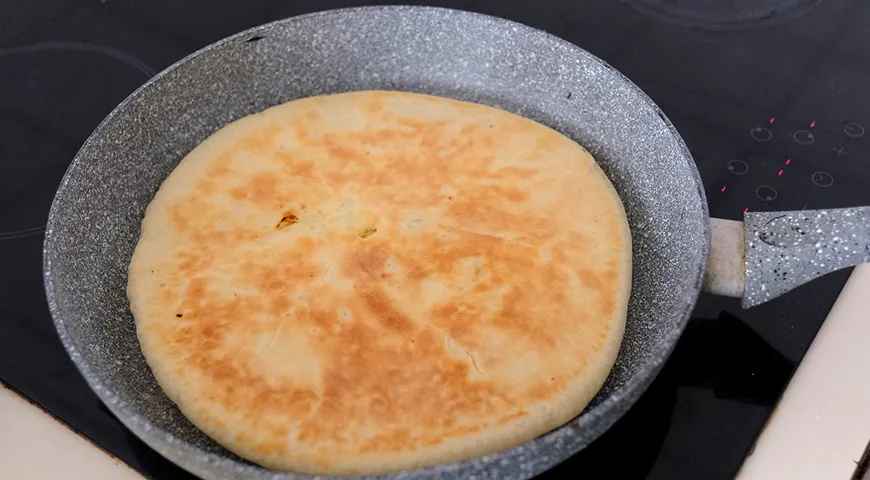
- Cook first side: Heat a heavy skillet (cast iron is ideal) over medium heat. Place the khachapuri seam-side down. Cook for 8–10 minutes, or until the bottom is deeply golden and crisp. A non-toxic air fryer can also be used for a lighter version, but the stovetop method is traditional.
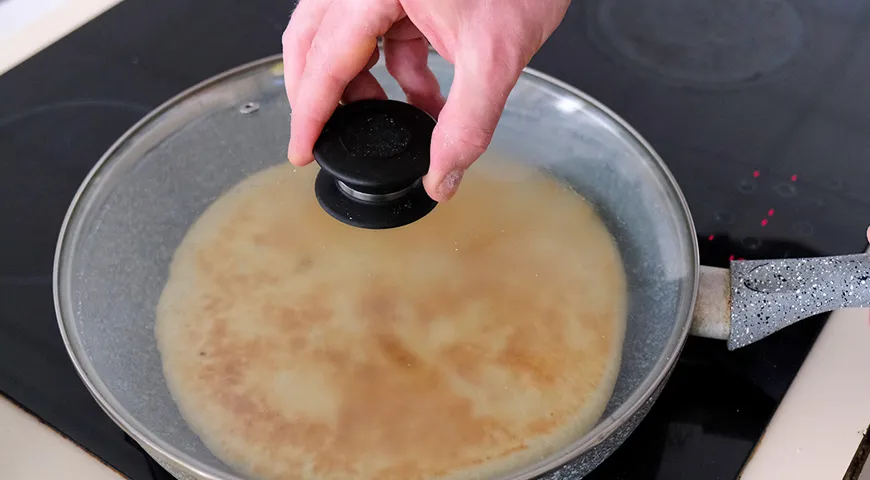
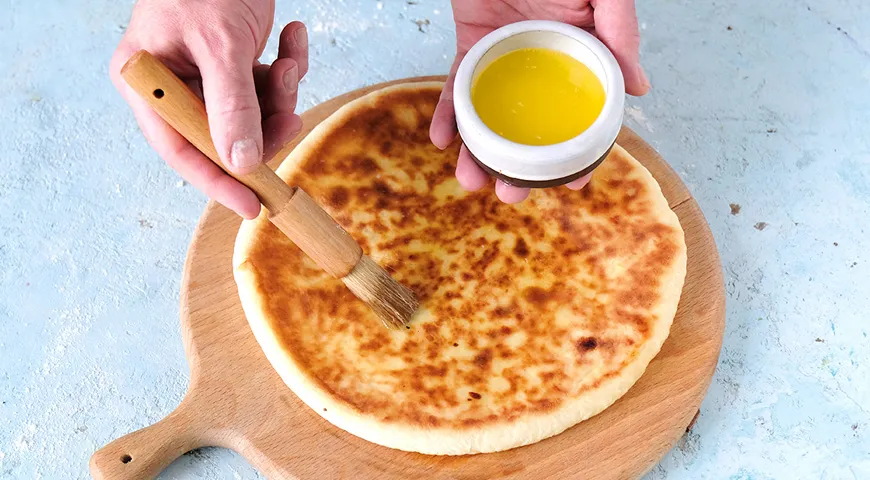
- Flip and finish: Carefully flip the khachapuri. Generously brush the cooked side with melted butter. Cook the second side for another 8–10 minutes, uncovered or covered with a lid to help the cheese melt fully if your heat is low. The butter will create a luscious, caramelized crust.
- Rest and serve: Transfer the hot flatbread to a cutting board. Brush the top with more butter. Allow it to rest for 2 minutes (if you can resist), then cut into wedges. Repeat with remaining dough. Serve immediately while the cheese is still stretchy. Pair with a sweet wine with high alcohol content or a fresh coffee for a true Georgian experience.
Tips for Perfect Khachapuri
- Sticky dough is okay: Resist adding too much flour during kneading. The stickiness ensures a tender crumb. Use a bench scraper if needed.
- Cheese temperature: If using store-bought cheese, grate it while cold, but let it come to room temperature before filling—this prevents uneven melting.
- Butter generously: Brushing the cooked side with butter before flipping locks in moisture and adds flavor. An oil sprayer filled with melted butter makes this step effortless.
- Keep warm: Stack finished khachapuri on a plate and cover with a clean kitchen towel while you cook the rest. Store leftovers in a best 48-inch built-in refrigerator for up to two days, then reheat.
Variations
- Herb-infused: Mix chopped cilantro, parsley, or dill into the cheese for a fresh twist.
- Spicy kick: Add a pinch of red pepper flakes or a bit of chopped chili to the filling.
- Butter crust: For an extra-rich exterior, brush both sides with ghee instead of regular butter.
- Oven-baked: Place assembled khachapuri on a parchment-lined baking sheet and bake at 220°C (425°F) for 12–15 minutes, flipping halfway. A wall oven microwave combo with air fryer can achieve an evenly golden crust.
Frequently Asked Questions
Can I use a different cheese?
Absolutely. If Imeretian cheese is unavailable, combine suluguni (or mozzarella) with feta or Pa de Pessic Catalan sponge—wait, that’s not cheese. A correct substitute is a 50:50 mix of low-moisture mozzarella and feta, or press cottage cheese overnight.
Why is my dough tough?
Over-kneading develops gluten, resulting in a dense crust. The dough should be just combined and barely smooth. Use a gentle hand, and if using a machine, a planetary mixer on low speed for less than 2 minutes.
Can I make the dough ahead of time?
Yes. The dough can be refrigerated overnight, but bring it to room temperature before shaping. The baking soda reaction is immediate, so fresh dough is best for maximum lift.
How do I reheat leftover khachapuri?
Reheat in a dry skillet over medium-low heat for 2–3 minutes per side, or use a microwave pressure cooker for a quick steam-softened result. Avoid the microwave alone as it makes the crust soggy.
What drinks pair well with Imeretian khachapuri?
Georgian tradition suggests a dry red wine like Saperavi or a crisp white. For non-alcoholic options, try best George Howell coffee—its bright acidity cuts through the richness. Spirits lovers might enjoy best organic vodka served ice-cold.
There you have it—Authentic Imeretian Khachapuri that transports you to the Georgian table. Whether you serve them as a hearty breakfast, a satisfying lunch, or a late-night snack, these cheese-filled flatbreads are a celebration of simple, honest ingredients. For an extra treat, pair with best chocolate-covered raisins for a sweet finish. And should you feel adventurous, try our best steam canner to preserve your own cheese—though with khachapuri this good, there will be no leftovers to can.







