


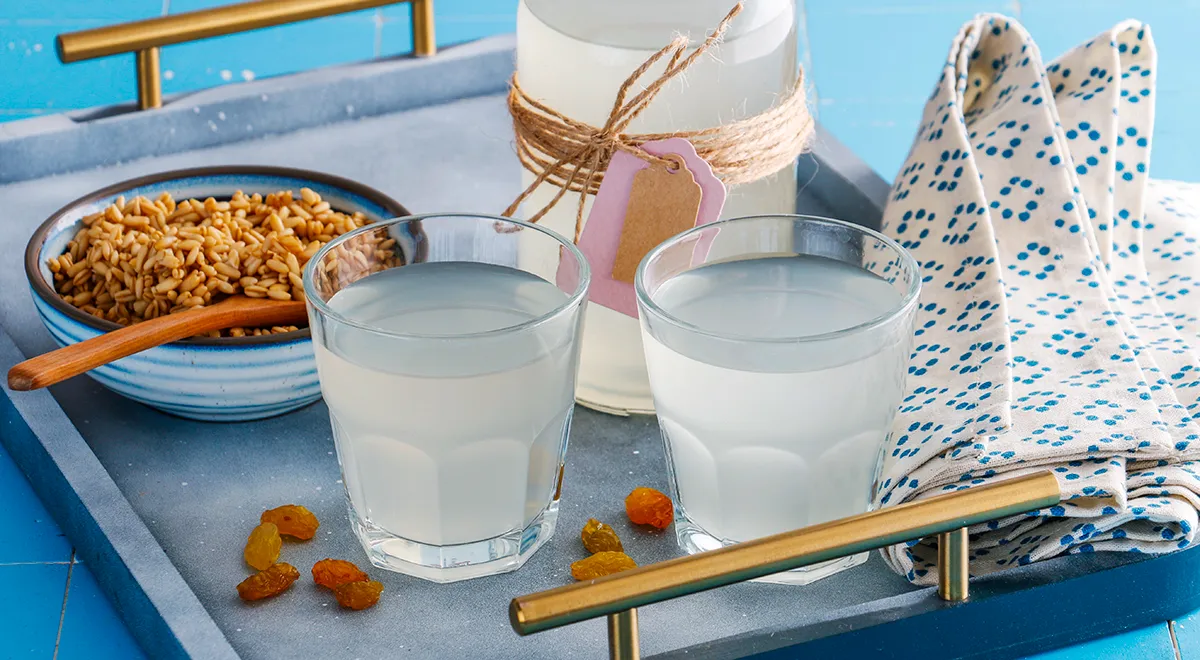
In the vast tapestry of Russian fermented beverages, oat kvass (ovsyanyy kvas) remains a quiet masterpiece—a subtle, slightly sweet, and deeply nourishing drink that has quenched thirst and restored strength for centuries. Unlike its more famous rye cousin, this golden elixir is crafted from humble, unprocessed oats, yielding a mild flavor profile with hints of honey and raisin. It is a drink of summer: light, effervescent, and infused with the gentle wisdom of traditional fermentation. Whether you are a seasoned fermenter or a curious newcomer, learning to make oat kvass at home unlocks a world of probiotic refreshment and culinary heritage. This recipe, adapted from Russian domestic archives, will guide you through the two-stage fermentation that creates this unique brew.
About Oat Kvass
Oat kvass has been brewed in Russian villages since time immemorial, often as a thrifty way to use leftover oat grain after porridge. The drink was prized for its ability to cool laborers during haymaking and to provide a gentle energy boost without the heaviness of bread. Modern science confirms what tradition knew: the fermentation process enriches the beverage with B vitamins, beneficial bacteria, and enzymes that aid digestion. The natural sweetness comes from honey, while raisins contribute a subtle fruity note and encourage yeast activity. The result is a clean, mildly carbonated drink that pairs beautifully with hearty meals or stands alone as a daytime refresher. For those seeking to elevate their home fermentation practice, investing in best glass fermentation jars can make a significant difference in consistency and ease of monitoring.

Ingredients
- Unprocessed oats – 430 g (use whole oat groats or hulled oats, not rolled or instant)
- Drinking water – 6 L (filtered or spring water works best)
- Honey – 7 tablespoons (raw, unpasteurized honey retains beneficial enzymes)
- Raisins – 60 g (dark raisins add color; organic are preferable to avoid oil coatings)
These simple ingredients beli the complexity that emerges. The oats provide starch for fermentation; the honey feeds the yeast and bacteria; the raisins contribute natural sugars and a touch of tartness. For a more nuanced flavor, consider exploring best chocolate-covered raisins as a snack to accompany your kvass—though for the brew itself, plain raisins are essential.
Step-by-Step Guide
-
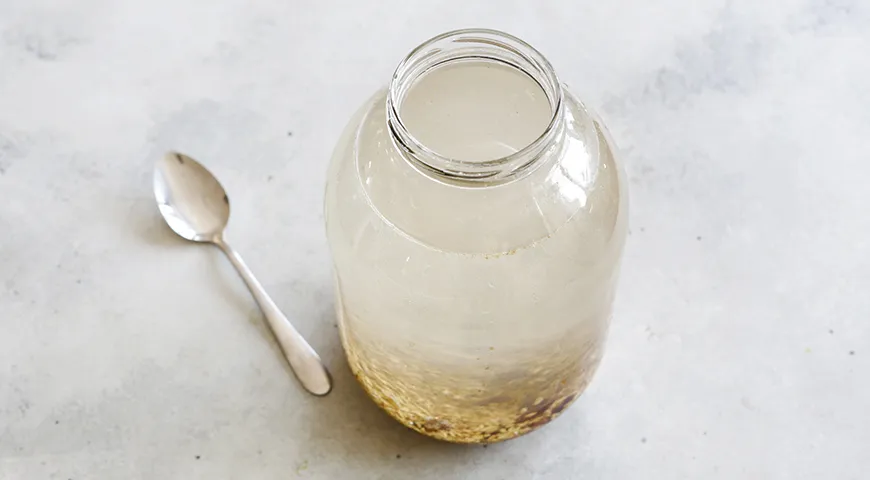
Prepare the first fermentation. Place the oats into a large glass jar (3–5 L capacity). Pour in 3 L of water. Add 2 tablespoons of honey and 30 g of raisins. Stir thoroughly to dissolve the honey. Cover the mouth of the jar with a doubled layer of cheesecloth and secure with a rubber band. Leave at room temperature (20–22°C) for 3 days. You should see tiny bubbles forming and a mild sour aroma developing.
-
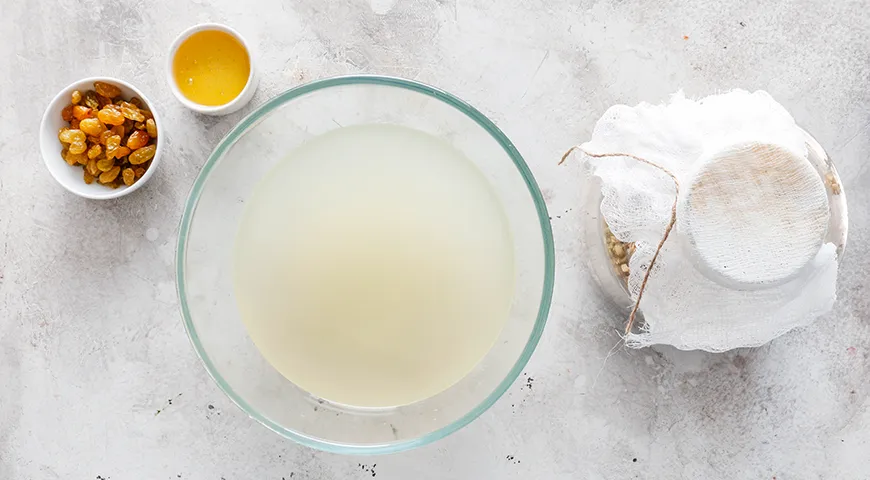
Second fermentation. After 3 days, strain the liquid through cheesecloth into a clean container. Discard the oats (compost them if possible). Return the liquid to the jar. Add the remaining 5 tablespoons of honey and 30 g of raisins. Top up with the remaining 3 L of water. Stir well, cover again with cheesecloth, and let it rest at room temperature for another 3 days. The liquid will become cloudier and more aromatic.
-
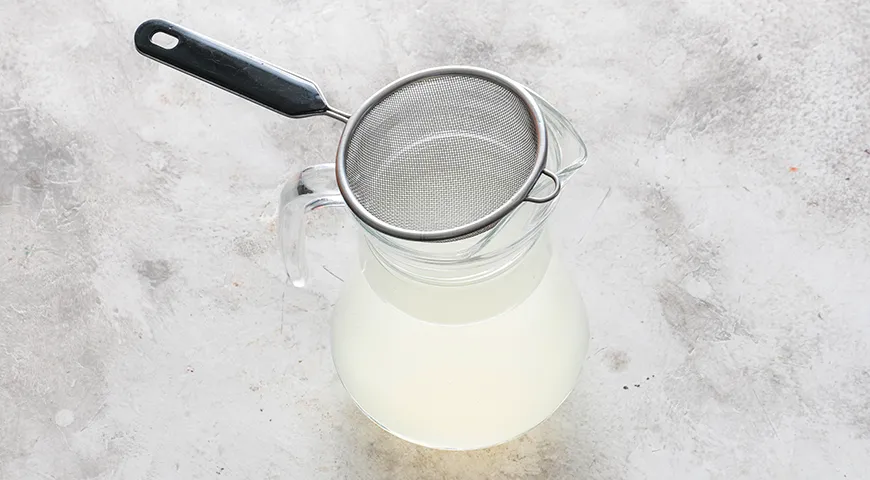
Final strain and chill. Strain the finished kvass through a fine-mesh sieve or cheesecloth into a clean glass bottle or pitcher. Discard the raisins. Refrigerate for at least 1 hour. Serve cold in tall glasses. The kvass keeps for up to 5 days in the fridge.
Tips for Perfect Oat Kvass
- Water quality matters. Chlorinated tap water can inhibit fermentation. Use filtered or bottled spring water. For consistent results, a best air fryer non-toxic might be handy for other kitchen tasks, but for kvass, a simple water filter suffices.
- Temperature control. Keep the jars away from direct sunlight and drafts. Ideal temperature is 20–22°C. Too cold and fermentation stalls; too warm and it becomes overly sour.
- Raisin selection. Organic, oil-free raisins are crucial because coated raisins can prevent yeast from activating. If you enjoy sweet wine pairings, consider trying best sweet wine with high alcohol content as a sophisticated adult beverage alongside this kvass.
- Honey alternatives. If honey is unavailable, substitute with maple syrup or agave, though the flavor profile will shift slightly.
- Sterilization. Always use thoroughly cleaned jars and utensils to avoid unwanted microbes. The best steam canner can be repurposed for sterilizing jars if you plan to bottle kvass for longer storage.
Variations to Explore
Once you master the basic recipe, the possibilities are endless. For a herbaceous twist, add a sprig of mint or lemon balm during the second fermentation. For a spiced version, toss in a cinnamon stick or a few cloves. For a lower-sugar kvass, reduce honey to 4 tablespoons. Some enthusiasts even create a cocktail version by blending kvass with a shot of best organic vodka and a squeeze of lemon for a modern Russian refreshment. If you want to experiment with other probiotic beverages, a best wheatgrass juicer can help you incorporate fresh green juices into your wellness routine. And for storing large batches, a best 48 inch built-in refrigerator offers ample space for multiple fermentation projects.
FAQ
Can I use rolled oats instead of unprocessed oats?
Rolled oats have been steamed and pressed, which reduces their starch content and may lead to a thinner, less flavourful kvass. For the traditional robust body, stick with unprocessed oat groats or hulled oats.
Why does my kvass smell yeasty or like vinegar?
A mild yeasty aroma is normal. If it smells sharply of vinegar, the fermentation likely went too long or the temperature was too high. Next time, reduce the second fermentation to 2 days and keep it cooler. Using a best undercounter ice maker machine can help provide ice to rapidly chill the kvass once it reaches the desired tanginess.
How do I know when the kvass is ready?
After the second fermentation, the liquid should taste mildly sweet with a pleasant sour tang and gentle fizz. It should not be alcoholic (alcohol content is typically below 1%). If it tastes flat, leave it an extra day.
Can I reuse the oats for another batch?
Some traditional recipes reuse the spent oats by adding fresh water and honey for a second, milder batch. However, the flavor will be weaker. For best results, start with fresh oats each time. An best oil sprayer can be used to lightly oil baking dishes for other oat-based recipes like granola.
What's the best way to serve oat kvass?
Serve very cold in tall glasses, optionally over ice. It pairs wonderfully with rich dishes like best store-bought au jus for prime rib for a festive meal, or simply alongside pickles and rye bread for a classic Russian snack.
Oat kvass is more than a drink—it is a living tradition. By brewing it at home, you connect with generations of home cooks who turned simple grains into liquid vitality. The gentle fizz, the subtle sweetness, and the probiotic richness make it an ideal alternative to sugary sodas or commercial kombucha. For those who love kitchen efficiency, a best non-toxic immersion blender can simplify other meal prep, but for kvass, all you need is patience and a glass jar. Embrace the slow art of fermentation, and let this golden brew become a staple of your summer table.







