


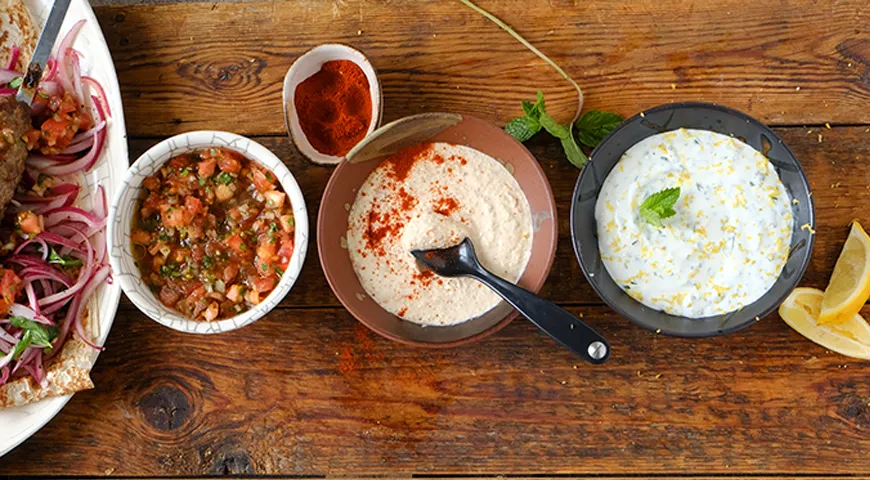
Imagine a sauce that bridges continents—the nutty depth of Middle Eastern tahini meeting the fiery spark of Caucasus adjika. This sesame paste sauce with lemon juice and adjika transforms a humble pantry staple into a vibrant, creamy dressing that wakes up every dish it touches. Known in Russian home kitchens as sous iz kunzhutnoj pasty, it is a lightning-fast emulsion that rivals mayonnaise in richness but brings a far more complex personality. Whether you drizzle it over roasted vegetables, use it as a dip for fresh crudités, or spoon it onto grilled meats, this sauce delivers a perfect balance of tangy, nutty, and spicy notes. And because it comes together in minutes, it is an ideal companion for busy weeknight cooking and impromptu entertaining alike.
About This Sauce
This recipe is a testament to the beauty of no-cook sauces. With just a handful of ingredients—tahini (or its less processed cousin, urbech), fresh lemon juice, ice-cold water, and a spoonful of adjika—you create an emulsion that is simultaneously creamy and light. The magic lies in the ice water: it helps the sesame paste thicken into a silky, mayonnaise-like consistency without any oil. The adjika, a spicy Georgian or Abkhazian condiment, adds a gentle heat and a whisper of herbs. This sauce is naturally vegan, gluten-free, and incredibly versatile. It appears in many Eastern European and Middle Eastern cuisines, often as a dressing for grain bowls, falafel, or simply as a dip for warm bread.

Ingredients
- 6 tablespoons sesame paste (tahini or urbech)
- 3 tablespoons fresh lemon juice
- 3 tablespoons ice-cold water
- 2 teaspoons adjika (store-bought or homemade)
- Salt to taste
Step-by-Step Instructions
Step 1: Create the base emulsion
Place 6 tablespoons of sesame paste (tahini or urbech) in a mixing bowl. Using a whisk or a food processor, begin incorporating 3 tablespoons of fresh lemon juice. Stir vigorously; the mixture will initially seize and become thick. Gradually pour in 3 tablespoons of ice-cold water while continuing to whisk. The sauce will suddenly lighten in color and transform into a smooth, pourable cream reminiscent of homemade mayonnaise.
Step 2: Add the heat
Add 2 teaspoons of adjika to the bowl. Whisk until fully blended. Taste and adjust with salt if needed—the adjika may already be salty. If the sauce is too thick, add another teaspoon of ice water and whisk again. For an extra-smooth result, you can use an immersion blender directly in the bowl.
Step 3: Serve or store
Transfer to a serving dish or an airtight jar. This sauce keeps well in the refrigerator for up to a week. Before serving, let it come to room temperature and give it a quick stir—it may thicken as it chills. Drizzle over grilled vegetables, roasted chicken, or use as a sandwich spread.
Tips for Perfect Consistency
The key to a silky sauce is the temperature of the water—ice-cold is non-negotiable. Warm water will cause the tahini to separate. If your tahini has been sitting for a while and has separated in the jar, be sure to stir it thoroughly before measuring. Some brands of tahini are thicker than others; adjust the water accordingly. For a thinner dressing, increase the water to 4–5 tablespoons. To mix everything effortlessly, a planetary mixer can work wonders for larger batches. If you’re making a single serving, a simple whisk and a sturdy bowl suffice.
Variations to Explore
- Lemon-herb version: Stir in 1 tablespoon of finely chopped parsley or cilantro before serving.
- Smoky twist: Add ¼ teaspoon of smoked paprika or a drop of liquid smoke.
- Milder heat: Replace adjika with 1 teaspoon of sweet paprika and a pinch of cayenne.
- Yogurt blend: Mix in 2 tablespoons of Greek yogurt for extra creaminess and tang.
- Spicy harissa base: Swap adjika for harissa paste for a North African spin.
If you enjoy experimenting with global flavors, consider using this sauce as a base for a vegan dressing or a dip for spring rolls. The possibilities are endless.
How to Serve This Sauce
This sesame paste sauce is incredibly versatile. Spoon it over falafel bowls, use it as a spread for wraps, or drizzle it over roasted sweet potatoes. It pairs beautifully with air-fried vegetables, grilled fish, or as a dip for warm pita bread. In Russian cuisine, it is often served alongside shashlik (skewered meat) or used as a dressing for fresh vegetable salads. The creamy texture also makes it a natural companion for grain bowls featuring quinoa, farro, or bulgur.
Frequently Asked Questions
Is this sauce suitable for vegans?
Yes, all ingredients are plant-based. The sauce is naturally vegan, gluten-free, and dairy-free. For a nut-free version, confirm that the adjika contains no nuts.
Can I use store-bought tahini?
Absolutely. Just make sure to stir the tahini well before measuring, as the oil tends to separate. You can also use urbech (whole sesame paste) for an even deeper flavor.
What if I don’t have adjika?
You can substitute with a mix of 1 teaspoon of tomato paste, ¼ teaspoon of red pepper flakes, and a pinch of dried herbs like cilantro or dill. Alternatively, use harissa or sambal oelek for a different heat profile.
How long does this sauce keep in the refrigerator?
Stored in an airtight container, it will stay fresh for up to five days. The flavor may mellow over time. Before using, let it sit at room temperature for about 15 minutes and whisk again.
Can I make this sauce in a blender?
Yes, a high-speed blender works wonderfully. Add all ingredients except the water, then pulse while pouring in the ice water until smooth. Be careful not to over-blend, as the tahini can become bitter.
Why did my sauce become grainy?
Graininess usually happens when the sesame paste is old or not stirred well. Another cause can be water that is too warm. Always use ice-cold water and whisk vigorously. If it happens, try adding a teaspoon of lemon juice and whisking again.
How can I adjust the spiciness?
Start with 1 teaspoon of adjika and adjust upward. You can also use a mild adjika or combine it with plain tomato paste to reduce the heat. For a completely mild sauce, omit the adjika and season with salt and a pinch of cumin.
Can I freeze this sauce?
Freezing is not recommended because the emulsion may break upon thawing. It’s best to make it fresh and store in the refrigerator.
This sauce is a testament to how a few simple ingredients, handled with care, can create something extraordinary. Whether you are a seasoned cook or a curious beginner, this recipe will become a staple in your repertoire. For more inspiration, explore our collection of global condiment recipes.







