


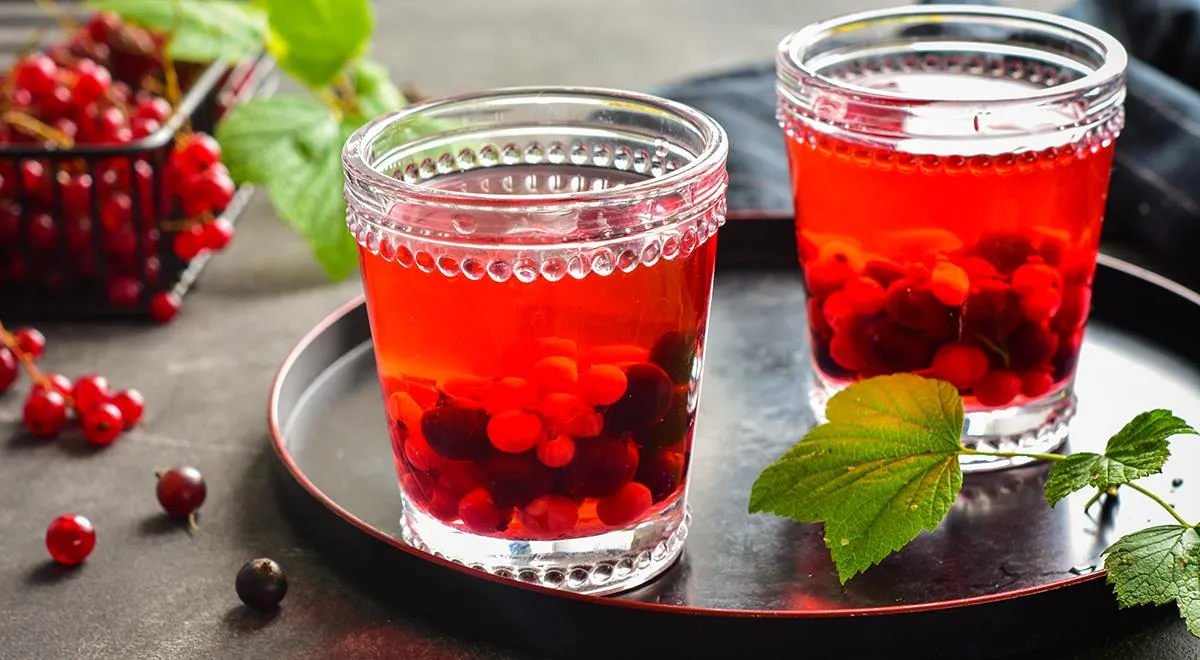
There is something deeply comforting about a jar of homemade compote—its ruby depths catching the light, promising the taste of summer even in the depths of winter. This Red and Black Currant Compote recipe, rooted in Russian culinary tradition, delivers a perfect balance of tartness and sweetness. Crafted with just three ingredients—fresh currants, sugar, and water—it transforms simple fruit into a sophisticated pantry staple. Whether served as a refreshing drink, poured over ice cream, or used as a base for sauces and desserts, this compote is a versatile treasure. The key lies in careful sterilization and precise syrup-making, ensuring the compote remains vibrant and safe for long-term storage. For the best results, a high-quality glass jar set (check out our guide on the best glass storage containers) will preserve flavor and clarity. If you plan to streamline preparation, a non-toxic immersion blender can puree leftover cooked currants into a silky coulis—though not required here.
About This Classic Currant Compote
This compote is a celebration of two beloved summer berries: red and black currants. Red currants bring a bright, tangy acidity, while black currants contribute deep, musky sweetness and inky purple color. together, they create a drink that is both refreshing and complex. In Russia, compote (or "kompot") is a traditional non-alcoholic beverage, often made during berry season and preserved for colder months. This recipe yields approximately 3 liters of compote—perfect for a family or gifting. The method emphasizes hygiene and precision: sterilizing the jar and lid, preparing a simple syrup, and sealing the fruit to lock in freshness. While a food processor isn’t used here, the best food processor for nut butter can handle other kitchen tasks like grinding spices for spiced variations.

Ingredients
- Red currants – 400 g
- Black currants – 400 g
- Sugar – 300 g
- Drinking water – 2.6 L
Step-by-Step Instructions
Step 1: Prepare the Jar
Wash the jar thoroughly with a degreasing agent (baking soda works perfectly) and rinse. Sterilize in an oven preheated to 120°C or over steam by placing the jar upside down on a boiling kettle. A reliable method like this ensures a pristine environment for the compote. For other sterilization methods, see our review of the best wall oven microwave combo with air fryer.

Step 2: Prepare the Lid
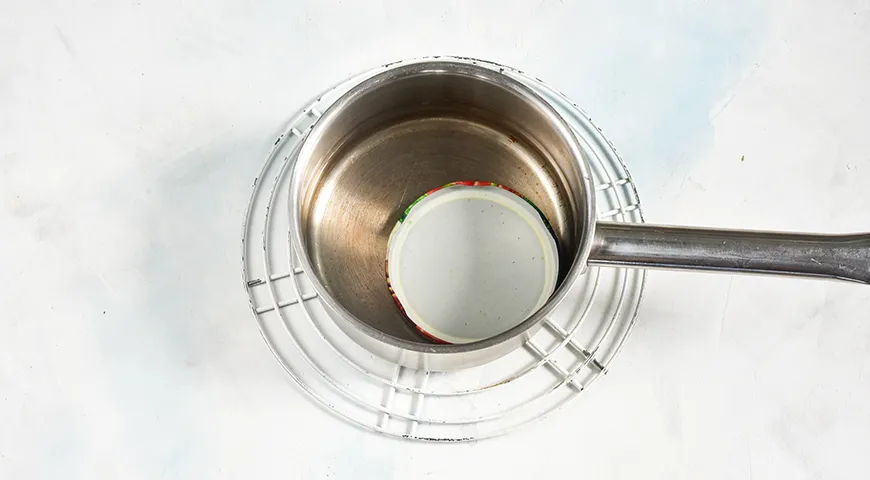
Wash the lid well, place it in a small saucepan, cover with hot water, bring to a boil, and let it simmer for 10 minutes. Remove and allow to air-dry. For effortless lid handling, a magnetic lid lifter (available in many kitchen tools) can be a timesaver.
Step 3: Clean the Currants
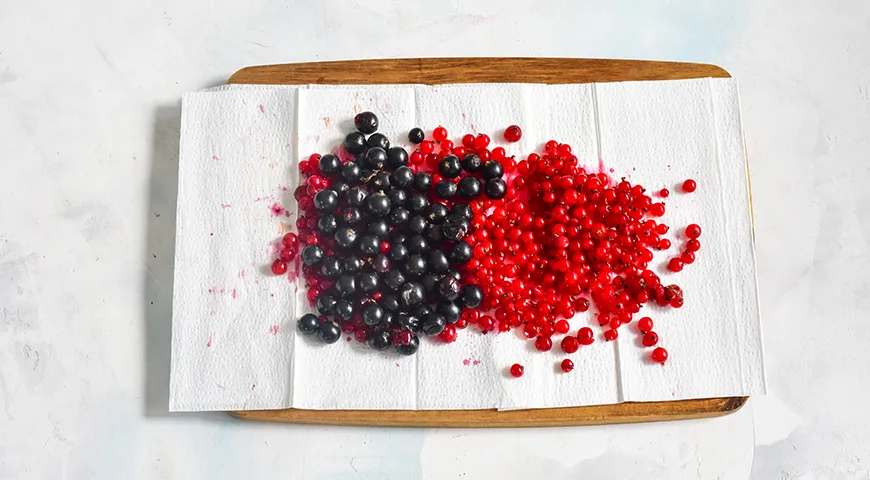
Pick over the red and black currants, discarding any damaged berries and stems. Rinse under cold water and pat dry thoroughly by spreading on two to three layers of paper towels. This step removes impurities and prevents cloudiness in the syrup. The best wheatgrass juicer can handle other fruit preparations, but for now, hand-cleaning is ideal.
Step 4: Make the Syrup
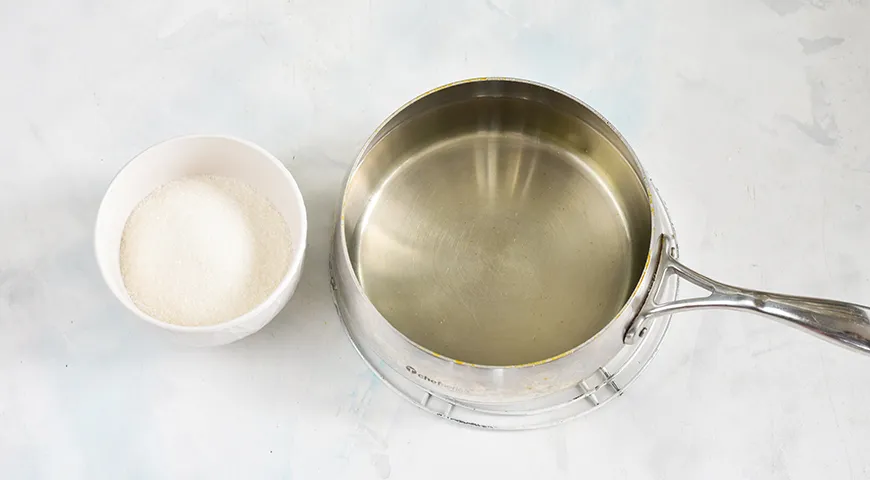
In a large pot, combine sugar and 2.6 liters of water. Place over high heat, stirring occasionally, until the sugar dissolves. bring to a rolling boil and cook for exactly 3 minutes. The syrup is the backbone of the compote—a perfect 1:5 sugar-to-water ratio (300g sugar to 2.6L water) yields a light sweetness that won’t overpower the berries. For a richer syrup, you might consider a commercial countertop convection oven for toasting sugar (though not needed here).
Step 5: Fill the Jar
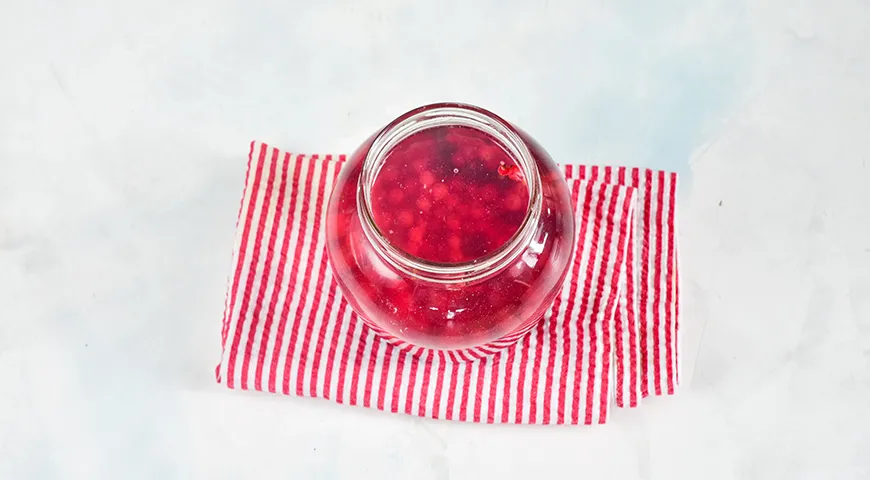
Place the sterilized jar on a folded towel (to prevent slipping). Using a wide funnel, pour the cleaned currants into the jar. Carefully ladle in about half of the hot syrup, then add the remaining syrup all at once. Be gentle to avoid cracking the glass—thermal shock can be avoided by pre-warming the jar with a splash of warm water. The best air fryer non-toxic won’t help here, but a reliable steam canner can assist with larger batches.
Step 6: Seal and Cool
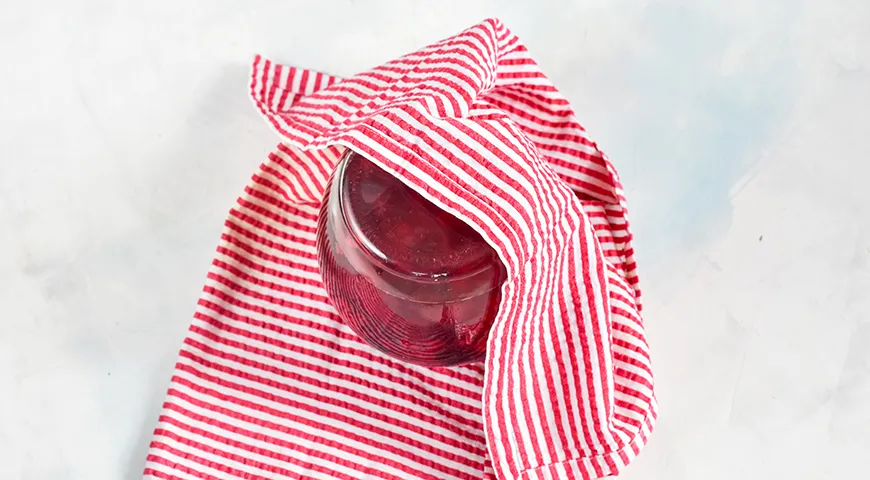
Immediately close the jar with the sterilized lid and tighten securely. Invert the jar onto the folded towel and wrap it in a warm blanket. let it cool completely at room temperature—this self-sterilization process creates a vacuum seal. Once cooled, store in a cool, dark place. The compote will keep for up to one year. For easy twisting, a good lid gripper is helpful (similar to the best oil sprayer in terms of ergonomic design).
Tips for Perfect Compote
- Balance sweetness: If you prefer a tarter compote, reduce sugar to 250 g. For a sweeter version, increase to 350 g. The best sweet wine with high alcohol content can inspire flavor pairings—serve the compote alongside a dessert wine.
- Sterilization is critical: Any bacteria can spoil your compote. Use a dedicated steam canner or oven method. The best steam canner ensures accuracy.
- Cooling time: Let the wrapped jar cool for at least 12 hours. An undecounter ice maker machine can provide ice for a quick chill—but patience yields the best seal.
- Storage: Store in a pantry away from sunlight. A 48-inch built-in refrigerator is ideal if you prefer to refrigerate after opening.
Creative Variations
This compote is a blank canvas. Add a cinnamon stick or a few cloves to the syrup for spiced undertones. For a twist, include 200 g of fresh raspberries or strawberries. The best chocolate covered raisins make a fun garnish when serving the compote as a dessert topping. If you enjoy savory notes, a splash of balsamic vinegar can elevate the complexity—though the best store-bought au jus for prime rib might give you ideas for meat pairings.
Frequently Asked Questions (FAQ)
Can I use frozen currants instead of fresh?
Yes, frozen berries work well. There is no need to thaw them; add them directly to the jar and proceed with the hot syrup. Just ensure they are not clumped together. The best lava flavors come from fresh fruit, but frozen is a close second.
How long does homemade compote last?
If properly sealed and stored in a cool, dark place, it can last up to one year. Once opened, refrigerate and consume within two weeks. A planetary mixer is not needed here, but a refrigerator thermometer is useful.
Can I reuse the syrup for other recipes?
Absolutely! The leftover syrup from canned fruit is fantastic for cocktails, glazes, or sweetening tea. The best organic vodka can be infused with the syrup for a liqueur.
Why did my compote turn cloudy?
Cloudiness can result from overripe fruit, insufficient cleaning, or overheating. Always use firm, dry berries and follow the cooling process carefully. An espresso machine under 2000 might not be relevant, but clarity matters in presentation.
Is it necessary to invert the jar?
Yes, inverting helps create a vacuum seal as the hot compote cools. If you skip this step, the seal might not form, leading to spoilage. The best non-toxic immersion blender can also puree any failed batch into a sauce—just check your equipment first.
Can I double the recipe?
Certainly. simply scale up ingredients proportionally. For larger batches, a commercial countertop convection oven can fit multiple jars for sterilization. The best wall oven microwave combo with air fryer also offers convection mode for even heating.
What dishes pair well with this compote?
Serve it with pancakes, yogurt, or as a glaze for roasted meats. For a festive touch, pair with a slice of Catalan sponge cake (see our Pa de Pessic recipe for inspiration). The best refrigerant leak detector ensures your kitchen gear is safe when using gas stoves.
This Red and Black Currant Compote captures the essence of summer in a jar. With careful attention to each step, you will create a pantry treasure that delights the senses all year round. For more kitchen inspiration, explore our collection of reviews—from the best wheatgrass juicer to the best food processor for nut butter. Happy canning!







