


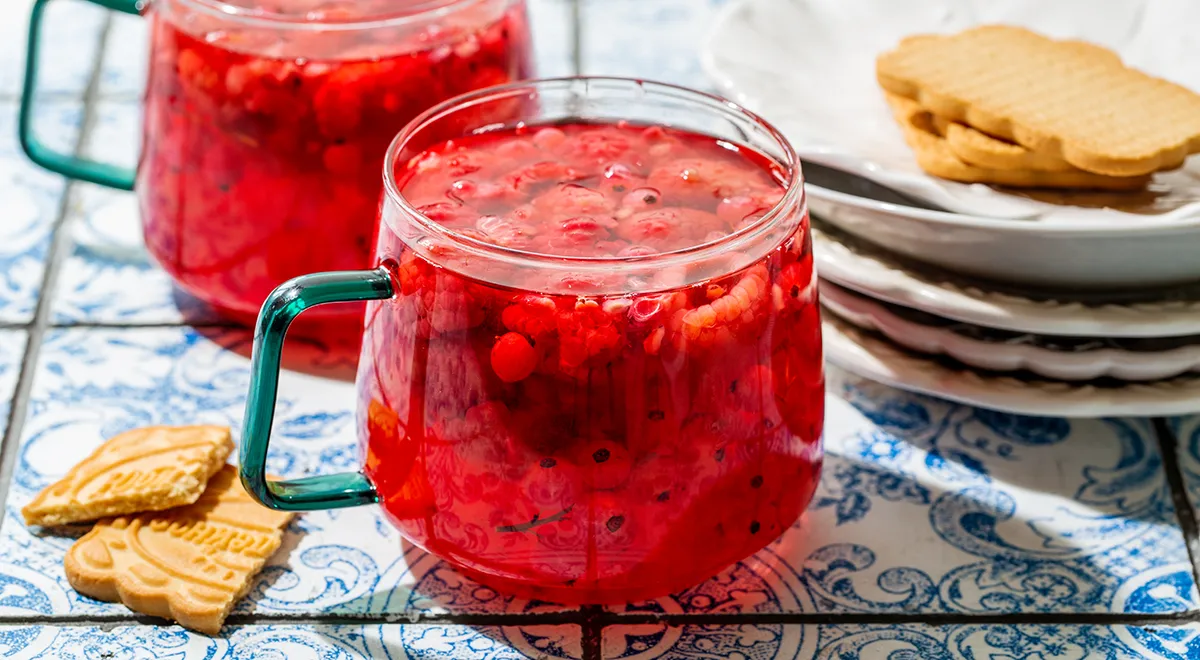
Summer's fleeting abundance demands preservation, and few elixirs capture its essence as vividly as a homemade compote. This Raspberry and Red Currant Compote, a beloved staple of Russian and Eastern European pantries, transforms just three hundred grams each of sun‑ripe raspberries and tart red currants into a jewel‑toned syrup that sparkles with both sweetness and acidity. Whether enjoyed chilled on a hot afternoon, poured over creamy panna cotta, or diluted into a refreshing spritzer, this simple preserve offers a taste of July all year round. The magic lies in the balance: the raspberries lend floral depth, while red currants contribute a bright pectin‑rich tang that gives the compote its beautiful structure and helps it keep beautifully on the shelf. Follow this time‑honored method, and you will bottle summer itself.
About Raspberry and Red Currant Compote
Compote, from the French compote meaning mixture, has ancient roots in Europe, but it truly flourished in the vast fruit‑rich regions of Russia and Ukraine. Unlike jams or preserves, compote is a light syrup studded with whole or halved fruit, intended to be drunk and eaten. Red currants, with their natural pectin, help the compote set ever so slightly while remaining pourable, while raspberries provide a velvety texture and heady aroma. This particular combination is a midsummer classic, often made in large batches to enjoy through the cold months. For best results, invest in proper canning equipment – a best steam canner ensures safe and even processing, while a best microwave pressure cooker offers an alternative for quick jar sterilization.

Ingredients
- 300 g fresh raspberries
- 300 g fresh red currants (stripped from stems)
- 300 g granulated sugar
- 2.5 L filtered water
These simple, clean ingredients allow the fruit to shine. For an extra aromatic touch, you may add a sprig of mint or a vanilla bean while the syrup simmers – but the classic version relies on purity alone.
Step‑by‑Step Preparation
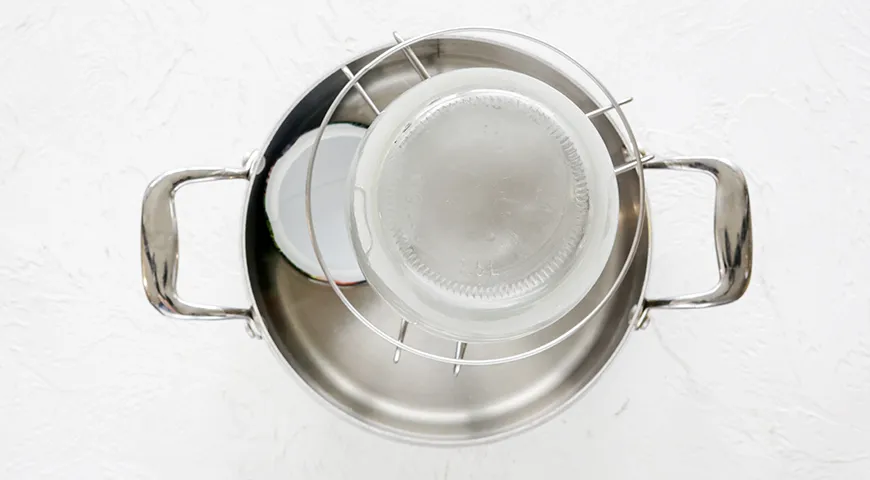
Step 1: Sterilize the jar and lid. Wash a 3‑litre glass jar and its metal lid thoroughly with baking soda. Sterilize the jar over steam or in a microwave (or use a best steam canner for bulk processing). Boil the lid in water for three minutes. Towel‑dry and set aside on a clean surface.
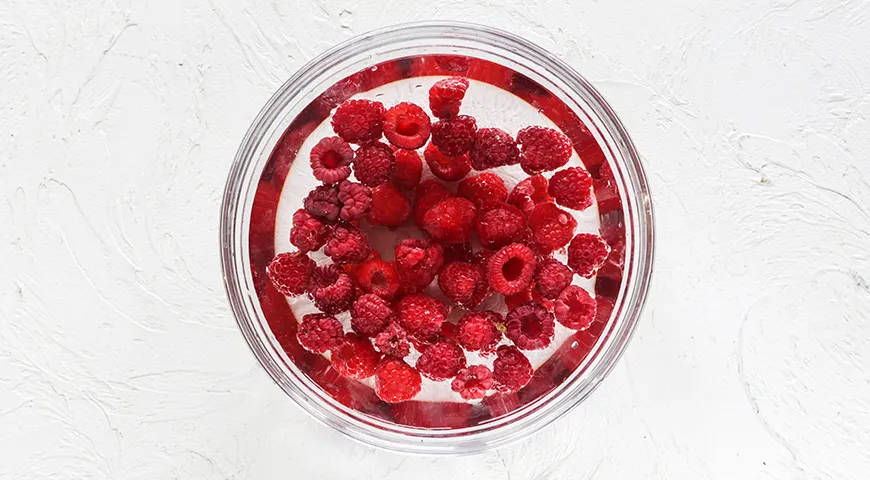
Step 2: Prepare the raspberries. Rinse raspberries gently under cool running water. Place them in a wide basin of cold, lightly salted water and let stand for 20 minutes. This will encourage any hidden insects to float to the surface; skim them off with a slotted spoon. Drain the berries carefully.
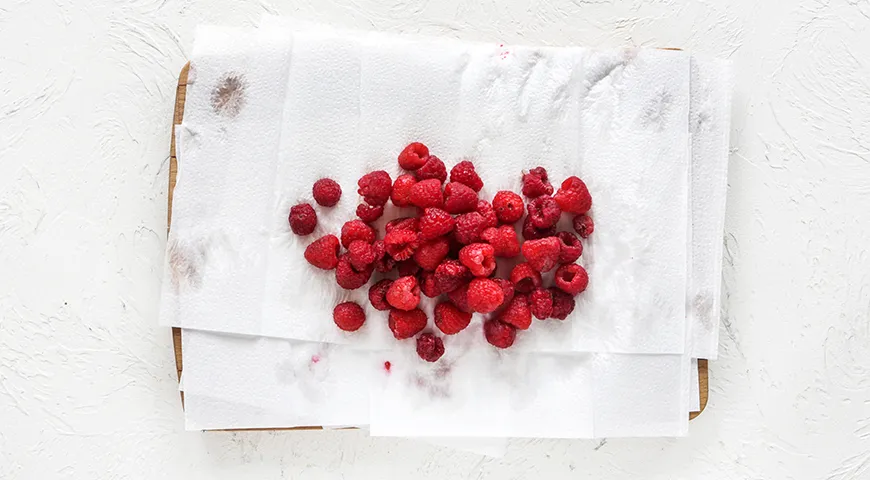
Step 3: Dry the fruit. Spread the rinsed raspberries on a baking sheet lined with multiple layers of paper towels. Let them air‑dry while you destem and wash the red currants. Discard any bruised or damaged currants. Pat the currants dry with paper towels as well.
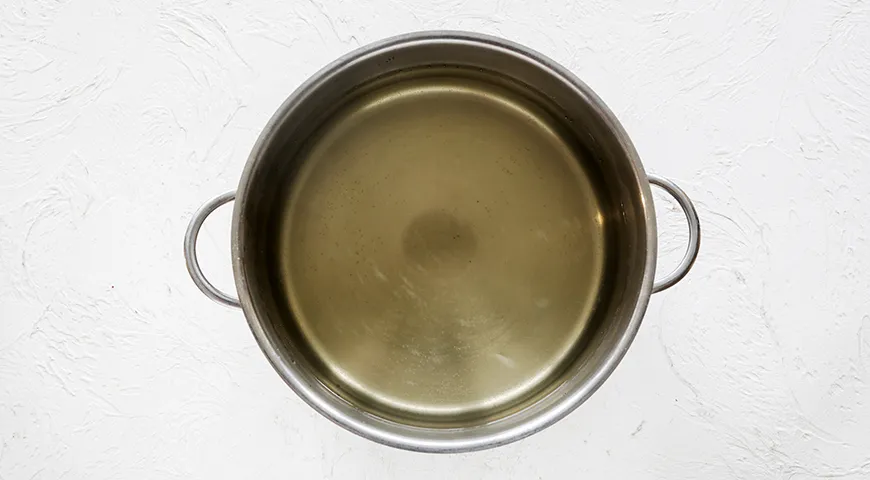
Step 4: Make the syrup. In a heavy‑bottomed saucepan, combine the sugar and water. Bring to a full rolling boil over high heat, stirring occasionally until the sugar dissolves completely. Let the syrup boil for about three minutes – do not overcook, as the syrup should remain clear. If you prefer a thicker compote, consider using a best planetary mixer to stir larger batches, but for home‑scale a whisk works perfectly.
Step 5: Fill the jar. Place the jar on a heat‑proof trivet or folded kitchen towel. Using a wide‑mouthed funnel, carefully pour the dried raspberries and currants into the jar. Slowly ladle the boiling syrup over the fruit, leaving about 1 cm of headspace. Take care – the hot liquid can crack a cold jar, so always pour gently.
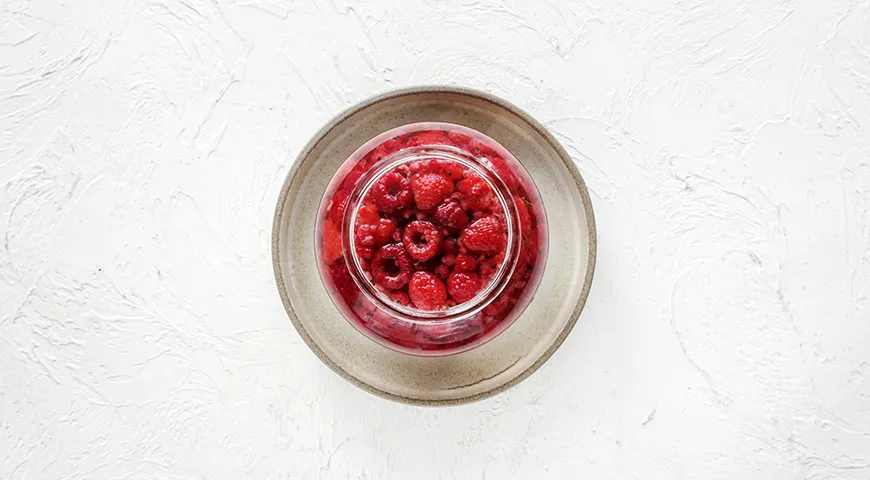
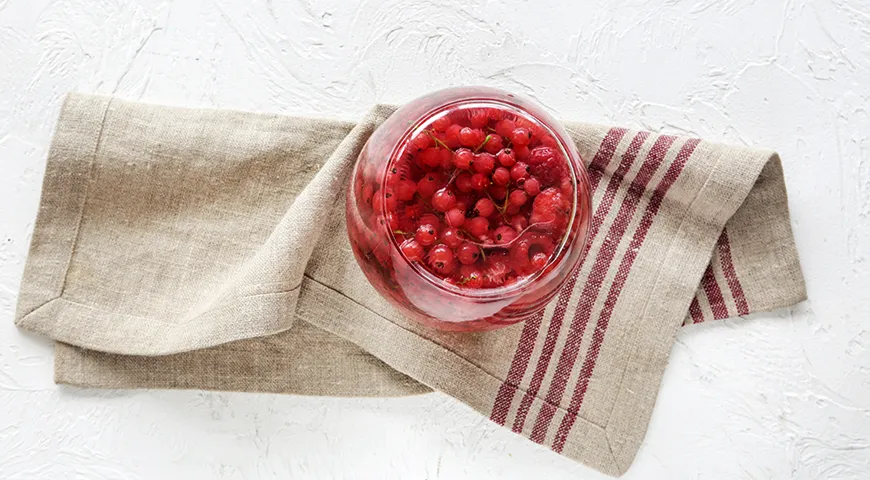
Step 6: Seal and cool. Wipe the jar rim clean, then place the lid and screw on the band finger‑tight. Invert the jar onto a folded towel and wrap it in a warm blanket. Let it cool completely – this slow cooling creates a proper vacuum seal. Once cool, store in a cool, dark pantry. This compote will keep for up to one year unopened. For serving suggestions, try pairing with best chocolate covered raisins for a sweet‑tart contrast.
Tips for Perfect Compote
- Use the best fruit: Raspberries and currants that are just ripe – not overripe – yield a clearer syrup. Overly soft berries cloud the liquid.
- Salt water bath: The 20‑minute soak in lightly salted water is an old trick that safely removes any tiny insects without harming the fruit. Rinse thoroughly afterward.
- Prevent jar breakage: Always place the jar on a thick towel or wooden board before pouring hot syrup. Sudden temperature changes cause glass to crack. A best non‑toxic immersion blender is not needed for this whole‑fruit compote, but if you later want to purée it into a sauce, that tool is ideal.
- Test the seal: After cooling, press the center of the lid – if it springs back, the jar is not sealed. Refrigerate and use within two weeks.
- Adjust sweetness: You can reduce sugar to 250 g if your fruit is very sweet, but keep in mind that sugar helps preserve the compote. For a sugar‑free version, you would need pressure canning – a best steam canner works for that too.
Variations to Explore
This basic recipe is a canvas for creativity. Add a split vanilla pod to the syrup for a creamy note, or infuse with a cinnamon stick and star anise for a warm spiced version ideal for winter. For an adult twist, stir in a shot of best organic vodka after opening – the compote becomes a sophisticated cocktail mixer. Alternatively, replace half the water with a fruity best sweet wine with high alcohol content for a boozy dessert compote. Serve over ice from a best undercounter ice maker machine for a shimmering summer drink. For a savory‑sweet pairing, drizzle over grilled pork or roasted duck. The pa de pessic Catalan sponge recipe on our site makes a light, airy base to soak up the compote syrup.
Frequently Asked Questions
Can I freeze this compote instead of canning it?
Yes. Omit the sterilization step. Prepare the fruit and syrup, let cool completely, then pour into freezer‑safe containers, leaving headspace. Freeze for up to six months. Thaw in the refrigerator overnight. This method retains a fresher fruit texture.
Why did my compote turn cloudy?
Cloudiness usually results from overripe fruit that breaks down during cooking. To maintain clarity, handle berries gently, avoid stirring after adding fruit, and use a light touch when pouring syrup. A best oil sprayer is unrelated, but for clarity you want minimal agitation.
How long does opened compote keep?
Once opened, store the jar in the refrigerator and use within 10–14 days. The compote is naturally preserved by sugar and acidity, but exposure to air accelerates spoilage. Always use a clean spoon to scoop out servings.
Can I use frozen raspberries and currants?
Absolutely. Thaw completely and drain excess liquid before using. Frozen fruit may yield a softer texture and slightly less vibrant color, but the taste remains lovely. You may need to add an extra tablespoon of sugar if the fruit seems watery.
What else can I make with leftover compote syrup?
The leftover syrup after eating the fruit makes a sensational cocktail base, salad dressing sweetener, or glaze for cakes. Whisk a tablespoon into vinaigrettes, or drizzle over ice cream. For a quick syrup, dilute with sparkling water and a squeeze of lime. Pair with a best George Howell coffee for a unique affogato – pour a spoonful of compote syrup over a shot of espresso and top with whipped cream.
This Raspberry and Red Currant Compote is more than a preserve; it is a celebration of seasonal grace. With minimal effort, you capture the laughter of summer in a jar – a gift you can open on the darkest winter day. Whether you stick to tradition or play with variations, the balance of tart currants and honeyed raspberries will always remind you why home preserving is worth every gentle step. For more kitchen inspiration, browse our best food processor for nut butter guide if you’re ready to take your pantry creations further.







