


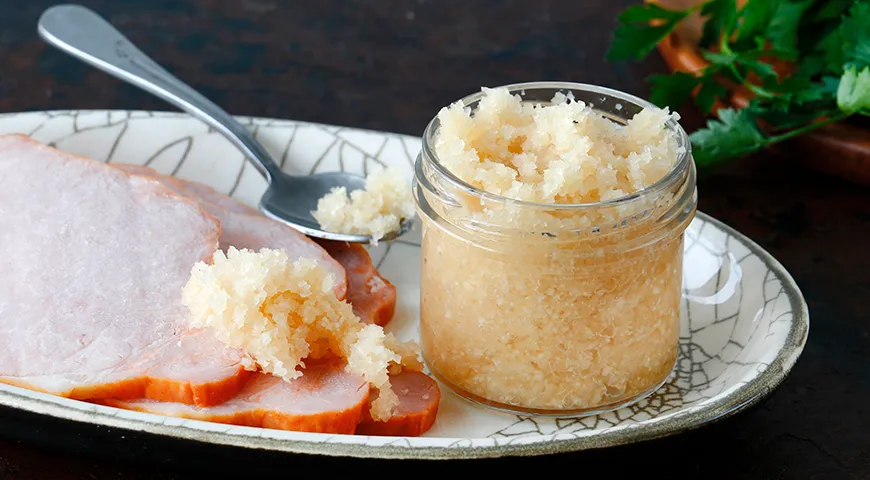
There is a certain joy in crafting a condiment that can bring tears to your eyes—not from sadness, but from its sheer, unapologetic heat. Pickled horseradish for the winter is exactly that: a vibrant, nose-clearing addition to a cold winter table. While supermarkets offer endless rows of milder versions, nothing compares to the home‑made intensity. This recipe yields a fiery preserve that cuts through the richness of jellied meats, roast beef, or even a simple sausage. No artificial thickeners, no hidden colours—just pure, pungent horseradish preserved in a tangy brine. It is a tradition that deserves a place in every kitchen, especially when you can control every element from root to jar.
About This Recipe
Horseradish has been prized for centuries, not only for its pungent kick but also for its versatility. In Russian cuisine, marinovanny hren is a staple alongside cold cuts, fish, and hearty soups. This version balances the sharpness of fresh horseradish root with the brightness of vinegar, a touch of sugar, and salt. The result is a condiment that is both assertive and addictive. Using a quality glass food processor ensures the root is ground to a perfect paste without absorbing unwanted odours. Unlike commercial alternatives, this home‑made batch retains its full volatile heat, because you control the processing time and freshness.

Ingredients
- 500 g fresh horseradish root
- 600 ml drinking water
- 25 g salt
- 25 g sugar
- 190 ml white vinegar (9% acidity)
These simple ingredients yield about two small jars. For larger batches, a planetary mixer can help combine the brine evenly, though a blender works perfectly for small quantities.
Step-by-Step Instructions
Step 1: Prepare the Horseradish
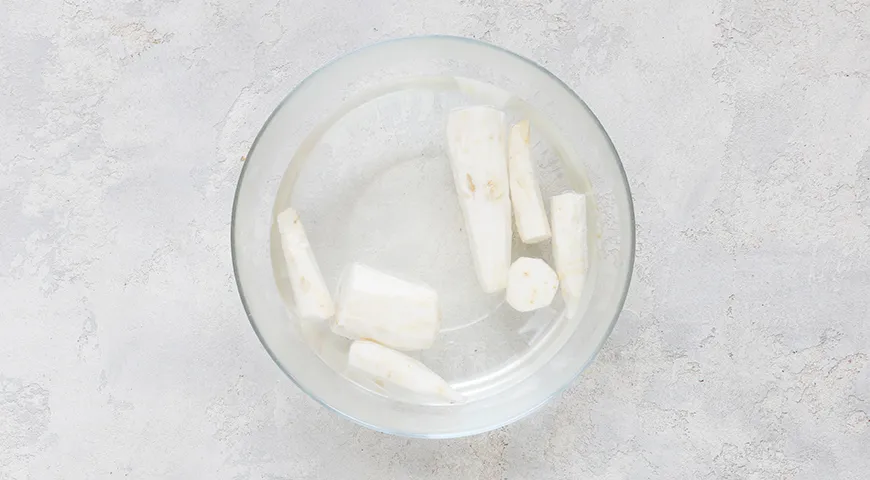
Peel the horseradish root thoroughly and place it in a bowl. Bring the drinking water to a rolling boil, then pour it over the root. Let it sit at room temperature for 30 minutes. This blanching softens the fibres slightly, making grinding easier and taming the initial harshness without destroying the essential heat.
Step 2: First Grind
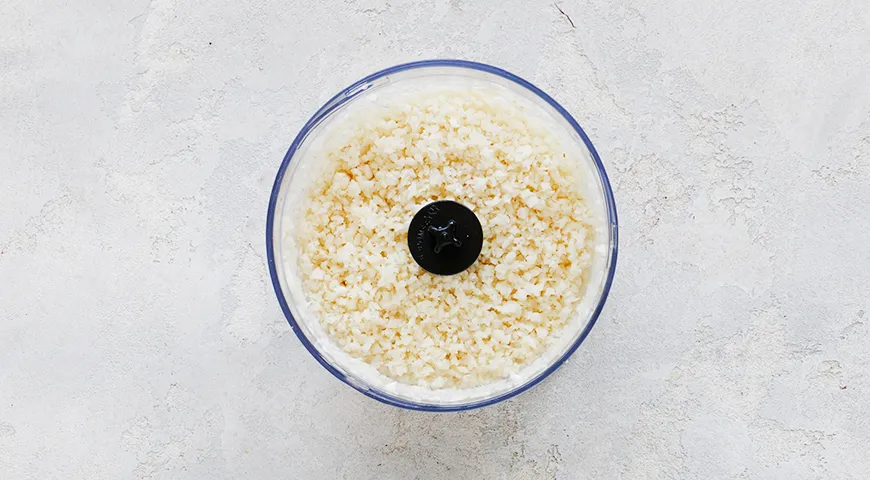
Pour the warm water into a separate small bowl (reserve it). Transfer the softened horseradish pieces into the bowl of a blender or food processor. For best results and to contain the potent fumes, use an enclosed container. Grind for about three minutes until a coarse paste forms. An immersion blender can also work, but a countertop unit gives a more consistent texture.
Step 3: Adjust Consistency
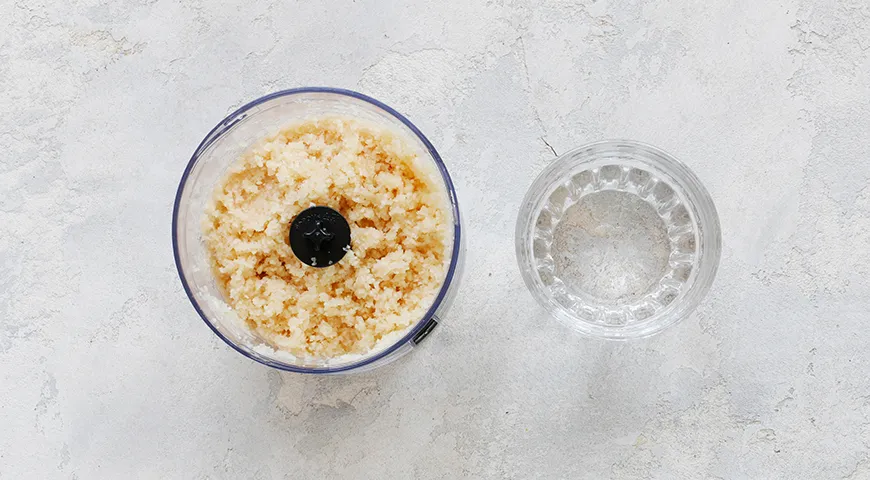
Add a little of the reserved warm water to the paste—the mixture should not be runny but should turn easily in the blender. Pulse again to achieve a finer, almost creamy texture. If it looks too thick, add another tablespoon of water. The goal is a smooth, spreadable paste. A food processor designed for nut butters excels at this stage, creating a silky consistency without overheating.
Step 4: Season and Finish
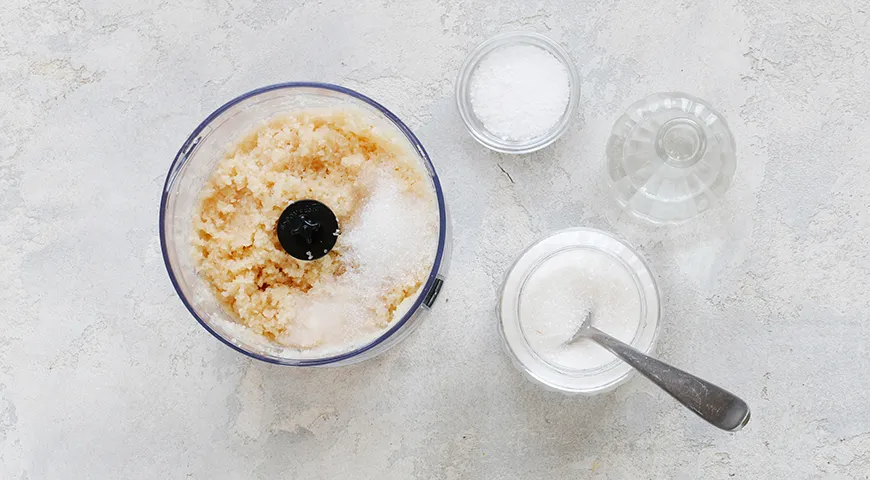
Add the salt, sugar, and white vinegar to the horseradish purée. Blend once more until everything is fully incorporated. Taste carefully—the heat should be intense but rounded by the tangy brine. Immediately transfer the mixture into dry, sterilised small jars. For canning, a steam canner ensures a safe seal, while a microwave pressure cooker can speed up the sterilisation process for the jars themselves.
Step 5: Store
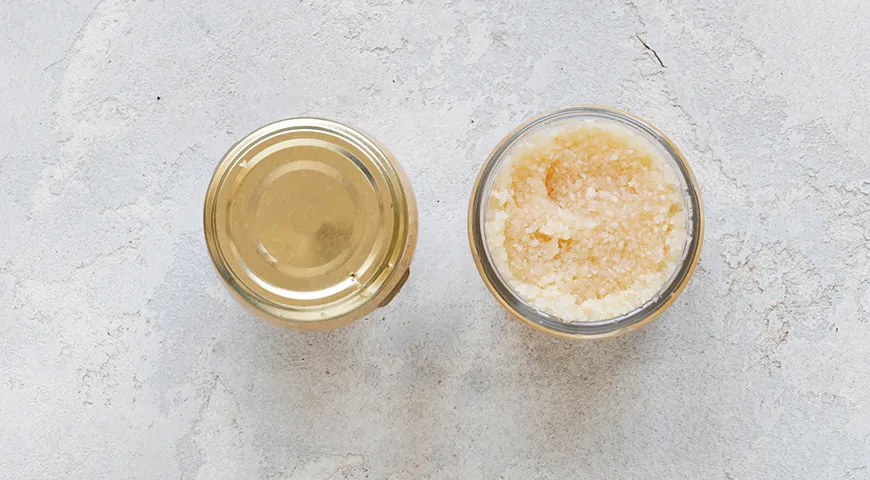
Close each jar with a tight‑fitting lid. Place the jars in a cool, dark place—ideally the refrigerator. This pickled horseradish keeps its fiery character for at least a year. For extended storage, a dedicated built‑in refrigerator with consistent temperature control is ideal. The condiment is ready to enjoy immediately, but its flavour deepens after a week or two.
Tips for Perfect Pickled Horseradish
Work in a well‑ventilated area—horseradish fumes can be overwhelming. Wearing goggles or processing the root in a closed blender helps protect your eyes. To prevent the paste from turning brown, add the vinegar promptly after grinding. A light spray of oil from an oil sprayer on the inside of the jar lid can prevent corrosion from the vinegar. For a smoother texture, let the purée rest for five minutes before final blending; this allows the fibres to soften further.
Variations to Try
- Beetroot horseradish: Replace 100 ml of the water with freshly juiced beetroot. Use a wheatgrass juicer to extract the vibrant juice, then blend it into the paste for a stunning ruby colour and earthy sweetness.
- Vodka‑infused: Replace 50 ml of the water with high‑quality organic vodka, such as organic vodka. This adds a subtle warmth and helps preserve the heat.
- Creamy style: Fold in 100 ml of sour cream or Greek yogurt just before serving for a milder, richer condiment perfect for roasted meats.
Frequently Asked Questions
How long does homemade pickled horseradish last?
When stored in sterilised jars in the refrigerator, it keeps its quality for at least 12 months. Always use a clean utensil to avoid contamination.
Can I use a regular blender instead of a food processor?
Yes, but a glass food processor is preferred because horseradish can stain plastic and absorb odours. A high‑speed blender works well if you pulse in short bursts to avoid overheating.
Why did my horseradish turn brown?
Discoloration occurs if the vinegar is added too late. The acid stabilises the colour. Also, exposure to air can darken it—always keep the purée covered during processing.
What dishes pair best with pickled horseradish?
It is classic with cold beef, jellied meats, and smoked fish. For a special dinner, serve alongside prime rib and a fine au jus. It also enlivens salad dressings, borscht, and even bloody mary cocktails.
Can I reduce the vinegar for a milder tang?
You can, but be aware that vinegar is the primary preservative. For a less acidic condiment, use a lower‑acidity vinegar (5%) and refrigerate and consume within three months. When serving, a splash of sweet dessert wine can balance the heat.
Is it necessary to blanch the horseradish root?
Blanching softens the root for easier grinding and tempers the initial fiery blast. If you prefer an ultra‑spicy condiment, skip this step and grind the raw root directly—your eyes will weep, but the heat will be legendary.
Pickled horseradish for the winter is a tradition that rewards the bold. Its ability to clear sinuses and elevate humble meals is unmatched. Whether you enjoy it straight from the jar or as part of a festive spread, this home‑made condiment brings a fiery, honest flavour to your table. For further inspiration, explore other non‑toxic cooking methods or discover how lava‑like spice can transform your kitchen repertoire. Preserve the heat, share the warmth, and let the horseradish reign.







