


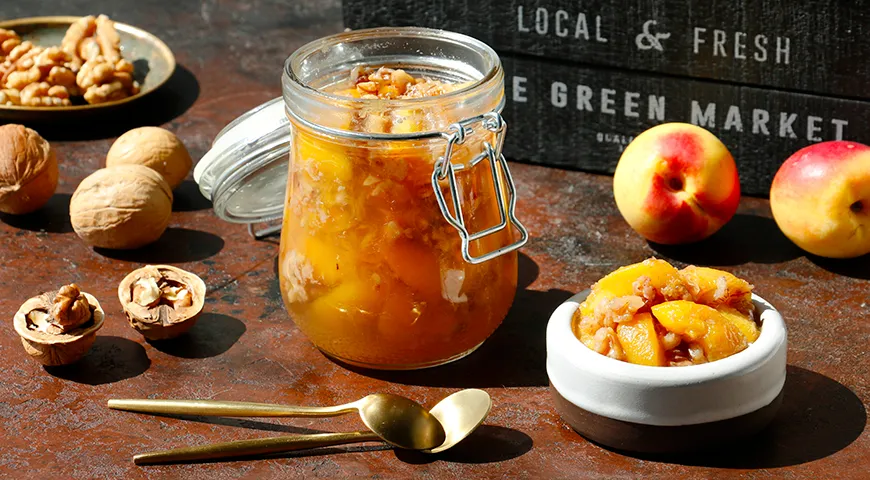
There is something deeply satisfying about preserving summer’s bounty in a jar—especially when that bounty is the luscious, sun-ripened nectarine. This nectarine jam recipe for winter, enriched with crunchy walnuts and a whisper of cinnamon, transforms a simple fruit preserve into a sophisticated confit. The technique of blanching the nectarines first not only makes peeling effortless but also guarantees a silky texture that sets this jam apart from ordinary fruit preserves. Whether you are a seasoned home canner or a novice seeking a rewarding project, this recipe will guide you through each step with precision and care.
About This Nectarine Jam
This recipe hails from the Russian culinary tradition, where fruit jams are often called varenye and are cherished as a winter staple. Unlike Western jams that rely heavily on pectin, varenye achieves its body through slow cooking and natural fruit sugars. The addition of walnuts introduces a delightful nutty crunch that contrasts beautifully with the tender nectarines, while cinnamon imparts a warm, aromatic undertone. The result is a jam that is equally at home on a slice of crusty bread, swirled into yogurt, or served alongside a cheese board. For those new to preserving, a reliable best steam canner can simplify the sterilization process and ensure safe storage.

Ingredients
- 2 kg nectarines (firm but ripe)
- 2 kg granulated sugar
- 2 cups walnuts (shelled and roughly chopped)
- 2 teaspoons ground cinnamon
- 300 ml water (added during cooking)
Using high-quality nectarines is essential—look for fruit that yields gently to pressure and has a fragrant, floral aroma. If you prefer a finer texture, a best glass food processor can help chop the nuts evenly, though hand-chopping gives a more rustic result. Walnuts can be substituted with pecans or almonds, but the classic version calls for best food processor for nut butter consistency if you desire a smoother spread.
Step-by-Step Instructions
Step 1: Blanch and Peel the Nectarines
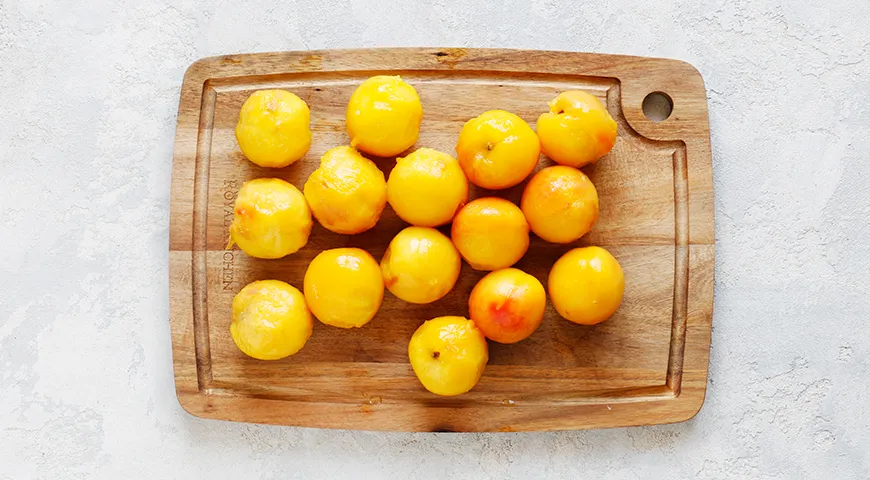
Bring a large pot of water to a rolling boil. Carefully lower the nectarines into the water and blanch for 3 minutes. Using a slotted spoon, transfer them immediately to a bowl of cold water to stop the cooking process. Once cool enough to handle, gently peel off the skins—they should slip off easily. Wear kitchen gloves if the fruit is still warm.
Step 2: Slice the Nectarines
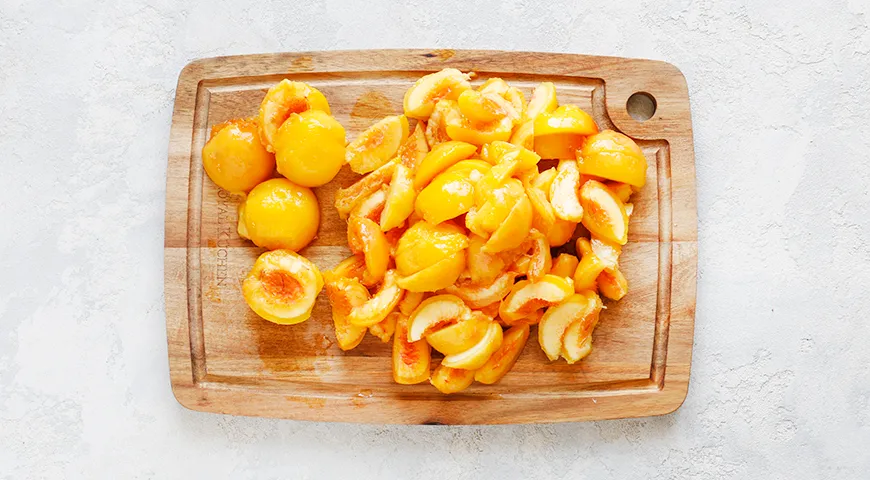
Cut each peeled nectarine in half and remove the pit. Slice the fruit into medium-thick segments—about 1 cm wide. Avoid slicing too thin, as they will break down excessively during cooking and lose their pleasing shape.
Step 3: Combine with Sugar and Rest
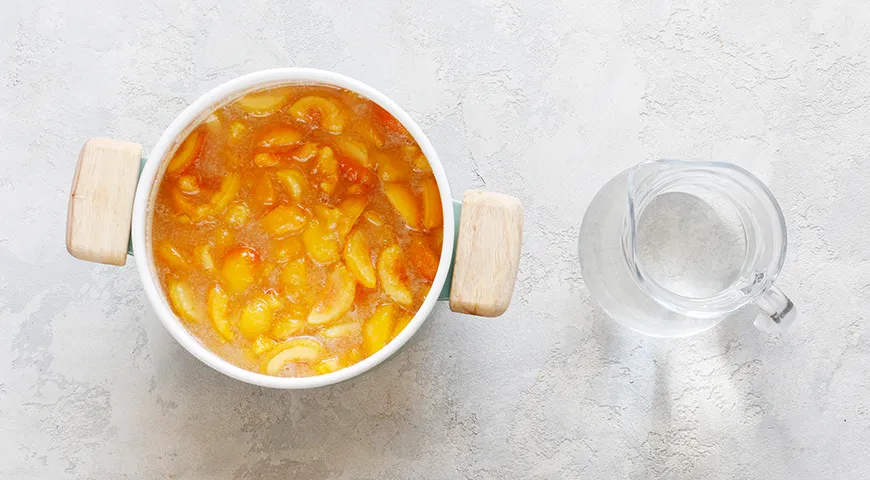
Place the sliced nectarines in a heavy-bottomed pot or preserving pan. Sprinkle the sugar over the top, toss gently to coat, and let the mixture sit at room temperature for 2 hours. This maceration draws out the fruit’s juices, creating a natural syrup. After resting, pour in 300 ml of water and stir well.
Step 4: First Boil and Overnight Rest
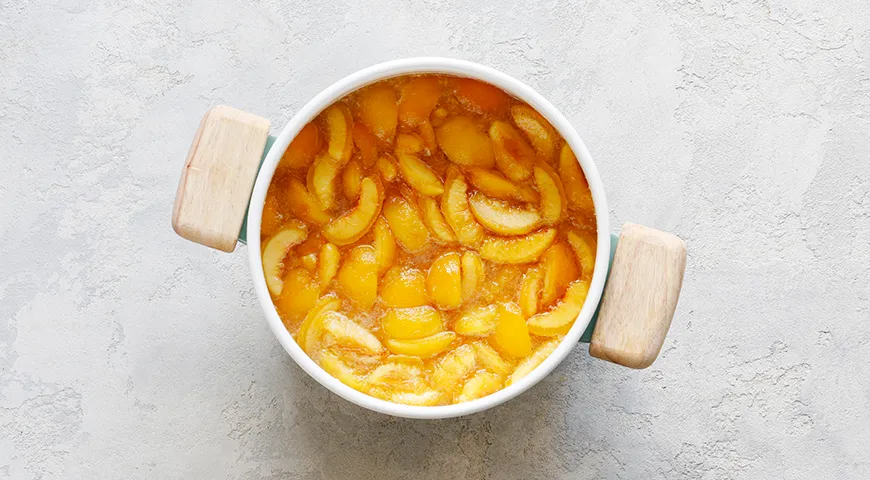
Place the pot over medium heat and bring to a gentle boil, stirring occasionally to prevent scorching. Reduce the heat to low and simmer for 10–15 minutes. Remove from the heat, cover, and let the jam rest overnight at room temperature. This overnight pause allows the flavors to deepen and the fruit to absorb the syrup fully.
Step 5: Add Walnuts and Cinnamon
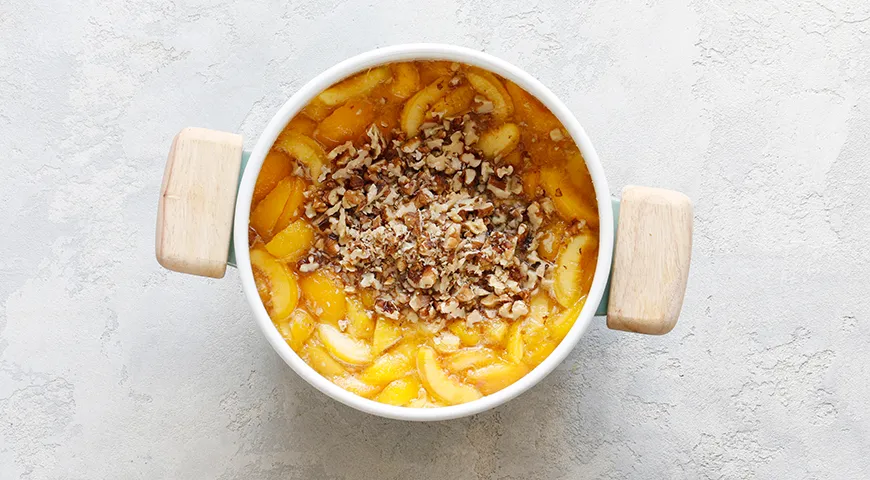
After the rest, pick through the walnuts to remove any shell fragments, then roughly chop them into small pieces. Stir the nuts and ground cinnamon into the jam. Return the pot to the stove and bring to a boil again. Cook for another 10–15 minutes, stirring frequently, until the jam thickens and the walnuts are well incorporated. The mixture should be glossy and slightly translucent.
Step 6: Jar and Seal
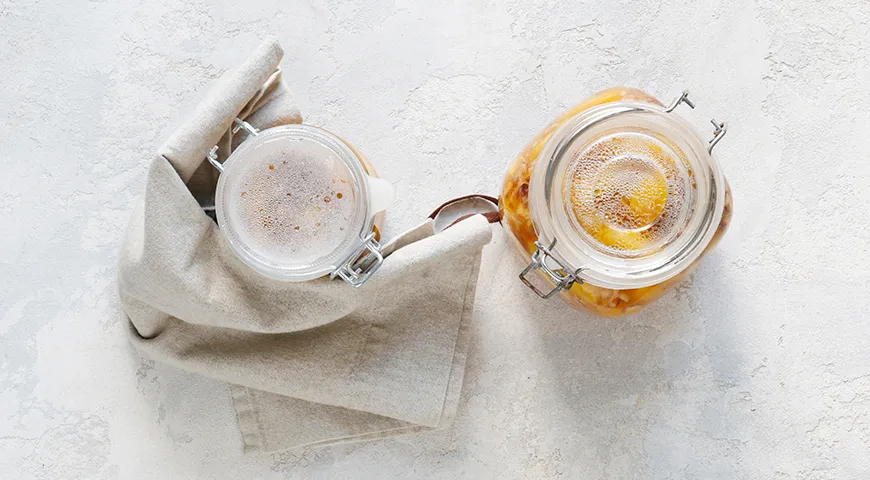
Carefully ladle the hot jam into sterilized canning jars, leaving about 1 cm of headspace. Wipe the rims clean, seal with sterilized lids, and screw on the bands until finger-tight. Invert the jars for a few seconds, then turn them upright and wrap in a thick blanket or towel. Let them cool undisturbed for 24 hours to form a vacuum seal. For precise temperature control, refer to a best planetary mixer guide if you ever need to mix large batches, though this jam requires only a sturdy wooden spoon.
Tips for Perfect Nectarine Jam
- Use a wide, heavy-bottomed pot to ensure even heat distribution and prevent sticking. A best microwave pressure cooker is not recommended for this recipe, as slow stovetop cooking develops the best flavor.
- If your nectarines are overly ripe, reduce the sugar slightly to 1.8 kg to avoid excessive sweetness.
- For a smoother texture, pulse the walnuts in a best food processor for nut butter before adding them—but be careful not to overprocess into a paste.
- Always sterilize jars and lids in boiling water for at least 10 minutes, or use a best steam canner for a more efficient workflow.
- Store sealed jars in a cool, dark place for up to one year. Once opened, refrigerate and consume within one month.
Variations
This recipe is wonderfully adaptable. Replace walnuts with toasted almonds or pistachios for a different texture and flavor profile. Add a split vanilla bean during the first boil for a floral note, or stir in a tablespoon of dark rum just before jarring for an adult twist. If you prefer a lower-sugar jam, use half the sugar and add 5 grams of pectin—but note that the texture will be more like a traditional jelly. For a spice-forward version, increase the cinnamon to 3 teaspoons and add a pinch of ground cloves.
Frequently Asked Questions
Can I use frozen nectarines?
Yes, but thaw them completely and drain excess liquid before blanching. The texture may be softer, so reduce the initial cooking time by 5 minutes.
How do I know the jam is done?
Perform a wrinkle test: place a small spoonful of jam on a cold plate and tilt it. If the jam moves slowly and forms a skin that wrinkles when pushed, it is ready. Alternatively, use a candy thermometer—the jam should reach 104°C.
Why did my jam crystallize?
Crystallization occurs if sugar is not fully dissolved or if the jam is stirred too vigorously after it has set. To avoid this, ensure the sugar dissolves completely during the first boil, and avoid stirring once the jam has cooled.
Do I need to add pectin?
Nectarines naturally contain some pectin, but the long cooking time and high sugar content in this recipe create a thick syrup without additional pectin. If you prefer a firmer set, you can add 10 grams of liquid pectin during the second boil.
Can I double the recipe?
Yes, but use a larger pot and increase cooking times by about 5 minutes per step. Be mindful that doubling may require a longer overnight rest to ensure even flavor development.
How long does homemade nectarine jam last?
Properly sealed jars stored in a cool, dark place can keep for up to 12 months. Once opened, keep refrigerated and use within 4 weeks.
This nectarine jam with walnuts and cinnamon is a celebration of summer’s best, carefully captured for the colder months. Whether you spread it on warm scones, pair it with aged cheddar, or simply enjoy it by the spoonful, it embodies the art of home preserving. For more kitchen inspiration, explore reviews of best non-toxic air fryers or best coffee maker for Airbnb to round out your culinary arsenal.







