


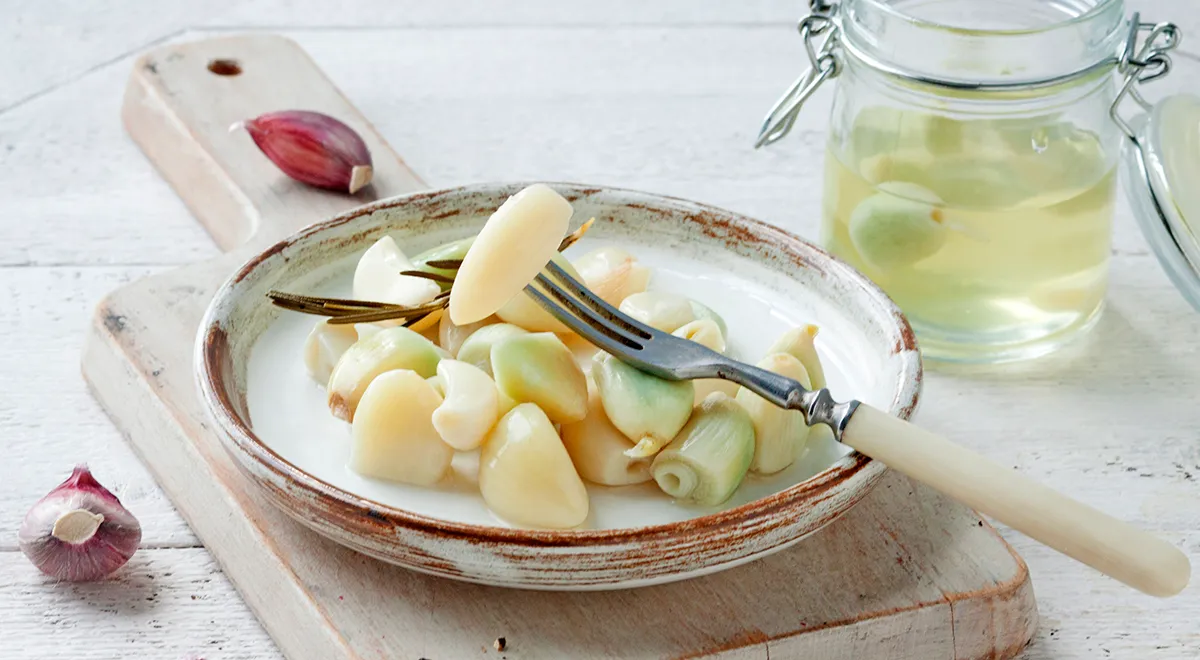
Marinated garlic cloves are a delightful and simple Russian appetizer that transforms the pungent bulb into a tender, tangy delicacy. This recipe, cherished in Eastern European homes, offers a perfect balance of acidity and spice, making the garlic soft enough to spread on black bread or pair with hearty dishes like roasted meat and herring. The key lies in using young, fresh garlic and a quick blanching process that preserves its beneficial properties while mellowing its bite. Whether you serve it as part of a zakuski spread or incorporate it into salads and stews, this preserved garlic is a versatile kitchen staple. For optimal results, follow the traditional method of sterilizing jars and using a precise vinegar-based brine. This article will guide you through every step, from selecting the right garlic to achieving that ideal pickled crunch.
About This Russian Classic
Marinated garlic is a beloved component of Russian home canning, often prepared in late summer when garlic is at its peak. Unlike raw garlic, the marinated version offers a milder, slightly sweet flavor with a pleasant acidic kick. It pairs wonderfully with robust flavors—try it alongside a best organic vodka for a classic Russian pairing. The technique is straightforward: separate garlic into cloves, blanch briefly in a vinegar-sugar brine, then seal in sterilized jars. This method ensures the garlic retains its shape and texture while absorbing the aromatic notes of bay leaf and peppercorns. The result is a condiment that elevates everything from simple cheese boards to elaborate roasted feasts.

Ingredients for Marinated Garlic Cloves
- Garlic cloves – 500 g (preferably young, fresh heads)
- Allspice – 6 peas
- Bay leaves – 2 pieces
- Black peppercorns – 6 peas
- Drinking water – 0.5 L
- Coarse salt – 20 g
- Table vinegar (9%) – 100 ml
- Sugar – 25 g
For this recipe, choose small to medium garlic heads for easier peeling and uniform pickling. If you have a food processor for nut butter, you can quickly crush leftover cloves to make garlic paste for other dishes.
Step-by-Step Instructions
Step 1: Prepare the Garlic
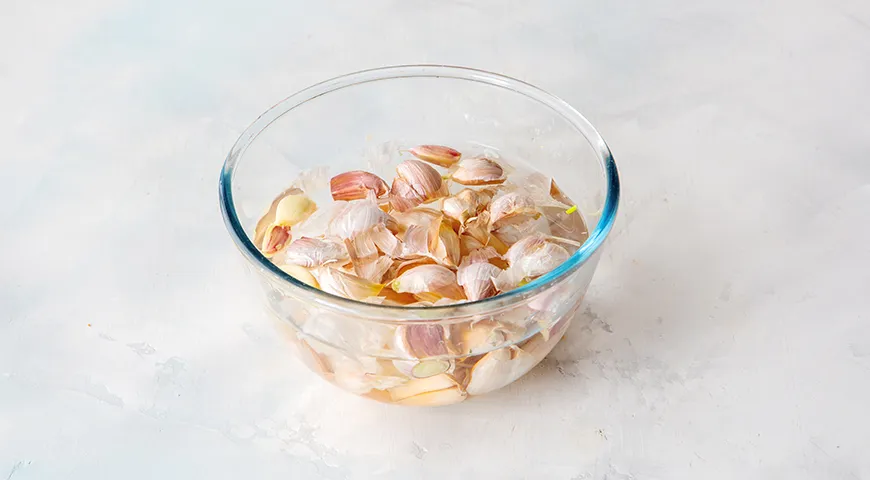
Separate the garlic heads into individual cloves and peel them. Young garlic peels easily—use a gentle squeeze or a paring knife. Discard any damaged cloves.
Step 2: Sterilize the Jars
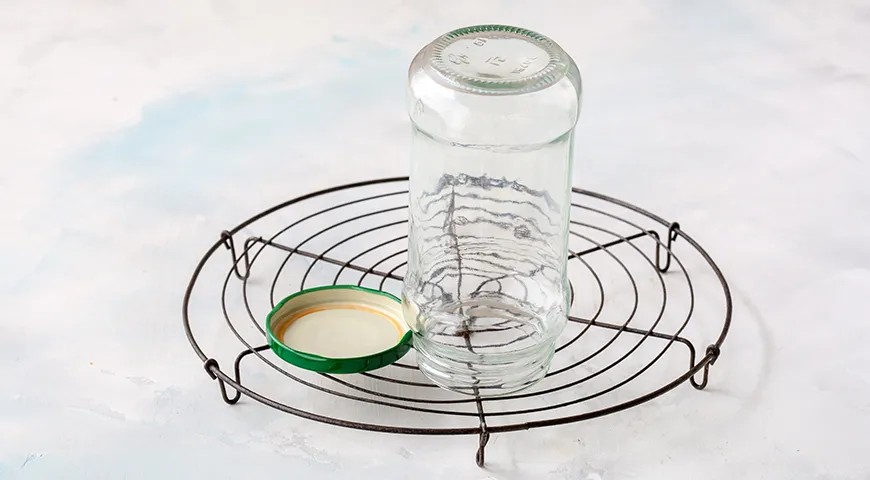
Wash half-liter jars with baking soda and rinse well. Place them on a wire rack in a cold oven, then heat to 120°C (250°F) for at least 15 minutes. For an alternative method, use a best steam canner to simplify the sterilization process.
Step 3: Add Spices to Jars
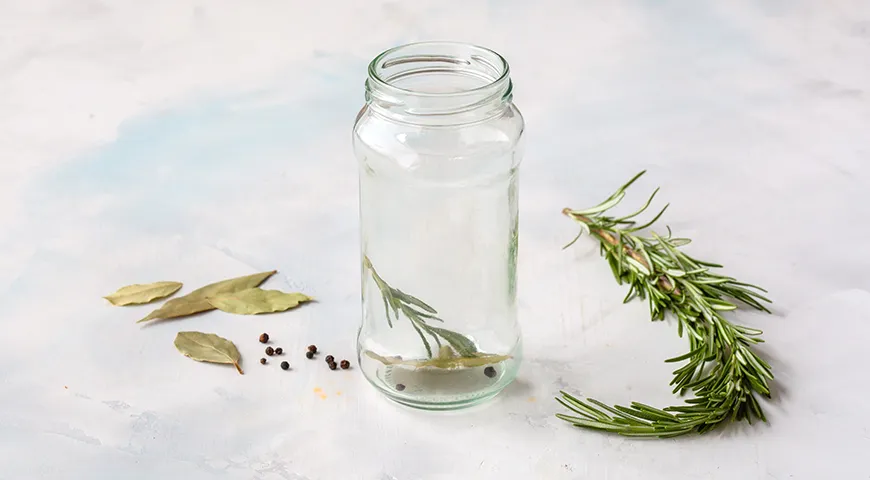
Into each sterilized jar, place one bay leaf, 3 black peppercorns, and 3 allspice peas. You may also add fresh thyme or rosemary sprigs for extra aroma.
Step 4: Make the Marinade
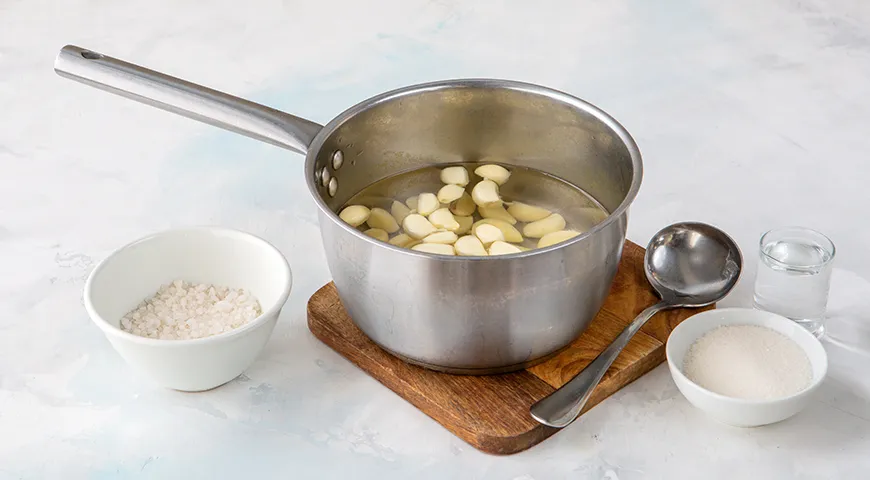
In a saucepan, bring water to a boil. Stir in salt, sugar, and vinegar until dissolved. Add the peeled garlic cloves and boil for exactly 2 minutes—no longer, or they will become mushy. Immediately divide the garlic and marinade among the prepared jars.
Step 5: Process in Water Bath
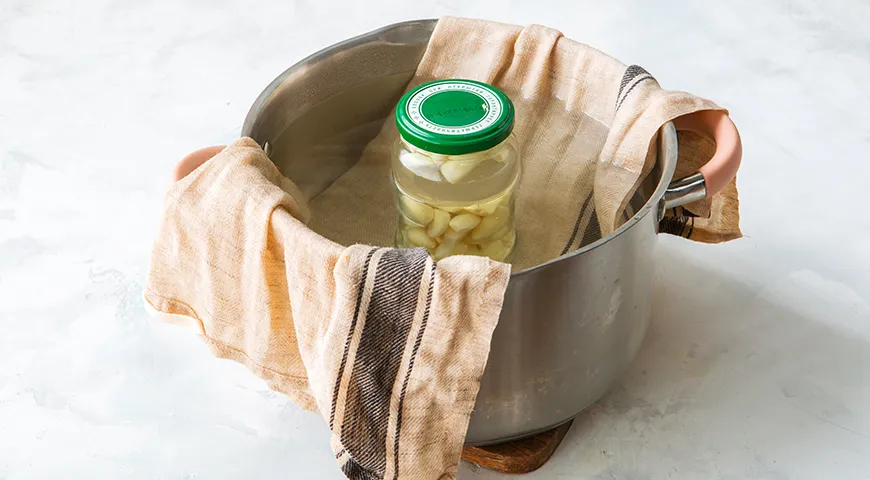
Line the bottom of a large pot with a kitchen towel. Place the filled jars (without lids) into the pot. Pour water to reach the shoulders of the jars. Bring to a boil and let it simmer for 10 minutes. This step ensures long-term preservation.
Step 6: Seal and Cool
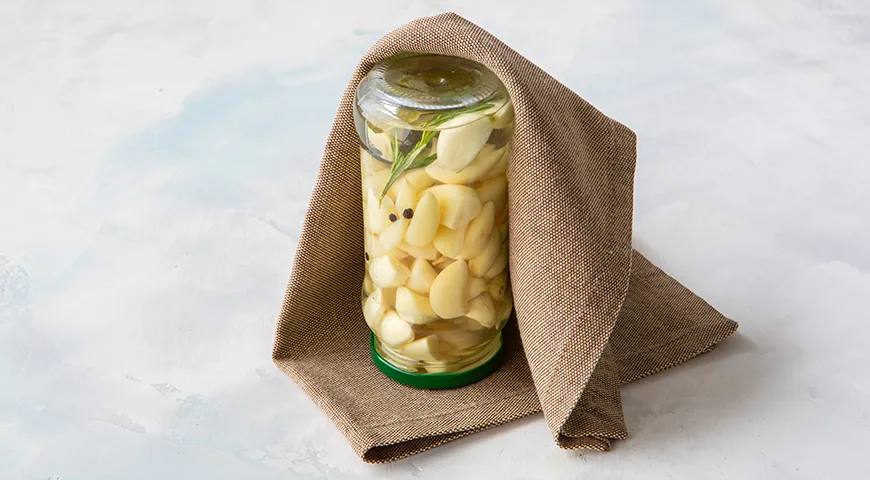
Using tongs, remove the jars from the water bath and immediately seal with lids. Turn the jars upside down, wrap them in a towel, and leave to cool completely overnight. Store in a dark, cool place. For prolonged shelf life, consider a 48-inch built-in refrigerator for ideal temperature control.
Tips for Perfect Results
- Use young garlic—its skin removes more easily and the cloves are less fibrous.
- Boil the garlic exactly 2 minutes; overcooking leads to a mushy texture.
- Ensure jars are fully sterilized to prevent spoilage. A microwave pressure cooker can speed up sterilization if you're short on time.
- For a subtle herbaceous note, add sprigs of dill or tarragon to the jars.
- Let the pickled garlic rest at least two weeks before tasting—the flavor deepens with time.
Variations to Try
This basic recipe is a canvas for creativity. Add a pinch of red pepper flakes for heat, or swap the white vinegar for apple cider vinegar for a fruitier tang. For a Mediterranean twist, include rosemary and lemon zest. If you enjoy experimenting, an non-toxic immersion blender can help you create a smooth garlic vinaigrette from the leftover pickling liquid. Another idea is to combine the marinated garlic with whole cherry tomatoes for a colorful antipasto—try serving it with a glass of sweet wine with high alcohol content for a bold contrast.
Frequently Asked Questions
How long does marinated garlic last?
Properly sealed and stored in a cool, dark place, these jars can last up to one year. Once opened, refrigerate and consume within three months. A undercounter ice maker provides a constant supply of ice for quick chilling if you want to serve it cold.
Can I use pre-peeled garlic?
Yes, but pre-peeled garlic often comes from older bulbs and may lack flavor. For best results, start with whole heads and peel them yourself using a best food processor to crush the cloves quickly if preparing large batches.
Why did my garlic turn blue?
A bluish tint is a natural reaction of garlic’s anthocyanins to the acidic environment. It’s harmless and even prized in some pickling traditions. If you prefer a clear brine, use distilled water.
Can I reduce the vinegar?
Yes, but the acidity is essential for preservation. You may substitute some vinegar with lemon juice, but the resulting brine will be less tart. Always maintain a pH below 4.6 for safety.
What dishes pair well with marinated garlic?
Serve it alongside grilled meats, roast vegetables, or on crusty bread with salted butter. It also complements creamy cheeses and charcuterie. For a complete meal, try it with a best non-toxic air fryer to make crispy chicken thighs—the garlic adds a tangy counterpoint.
Can I reuse the marinade?
No, the brine loses acidity after first use and is not safe for re-canning. However, you can reuse it in salad dressings or as a deglazing liquid for pan sauces—consider blending it with an oil sprayer to mist over vegetables before roasting.
How do I know if the jar is sealed properly?
After cooling, press the center of the lid. If it pops back, the seal is faulty. Store unsealed jars in the refrigerator and use within a month. For reliable sealing, invest in a planetary mixer if you frequently can—its attachments can help with grinding spices.
Additionally, you can serve these marinated garlic cloves as a unique appetizer at brunch—pair them with a chocolate-covered raisins for a sweet-and-savory surprise. Or enjoy them alongside a best lava flavors lava cake for an unexpected twist. For a complete Russian zakuski table, include herring, pickled mushrooms, and dark rye bread.







