


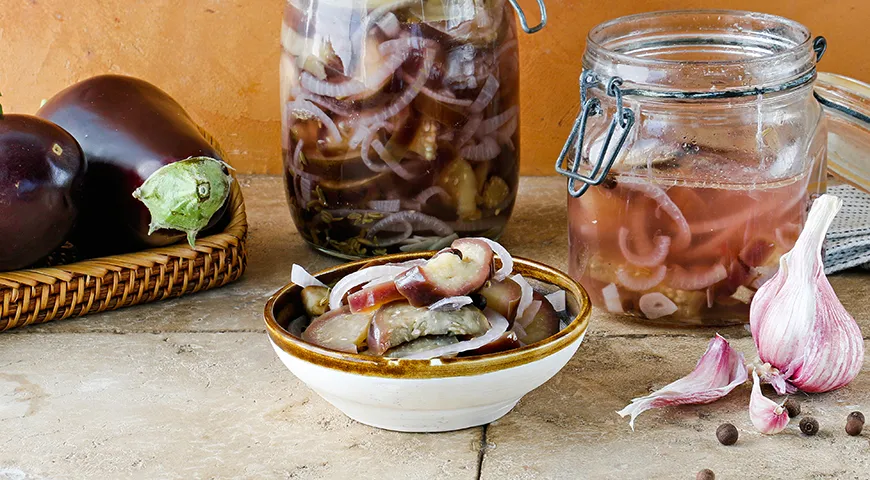
There is something deeply satisfying about opening a jar of homemade preserves in the depths of winter—especially when that jar holds the sun-drenched essence of summer vegetables. This recipe for marinated eggplants (bаклажаны) is a cherished Eastern European method that transforms humble eggplants into a tangy, spicy, and utterly addictive relish. The technique balances the natural creaminess of eggplant with a sharp, aromatic brine, resulting in a condiment that pairs beautifully with roasted meats, crusty bread, or a simple cheese plate. Whether you are a seasoned canner or a curious beginner, this guide will walk you through every step to create a pantry staple that rivals any store-bought version.
About This Recipe
Marinated eggplants (often called baklazhany marinovannye) are a classic Russian and Ukrainian winter preparation. Unlike heavier pickles, these eggplants remain firm yet tender, thanks to a brief boil in a spiced vinegar brine. The key is using young, small eggplants with tender skins and few seeds. The marinade—infused with bay leaf, peppercorns, cloves, and dill seeds—creates a complex flavor profile that deepens over time. This recipe yields approximately four 500 ml jars, perfect for gift-giving or long-term storage. For best results, use a non-toxic air fryer to quickly dry sterilized jars, or rely on traditional boiling.

Ingredients
- Small young eggplants – 1 kg
- Onions – 300 g
- Garlic – 4 cloves
- Small chili pepper – 1
- Bay leaves – 4
- Black peppercorns – 12
- Allspice berries – 4
- Cloves – 4
- Dried dill seeds – 2 tbsp
- Salt – for salting eggplants + 2 tbsp for brine
- Sugar – 5–6 tbsp
- Vegetable oil – 4 tbsp
- Apple cider vinegar – 200 ml
For the brine, you will also need water—approximately 1 liter, enough to cover the vegetables. The quality of your vinegar matters; opt for raw, unfiltered apple cider vinegar for a fruity tang. If you prefer a milder heat, remove the chili seeds. All spices should be whole for a clean, aromatic infusion.
Step-by-Step Instructions
Step 1: Prepare the Eggplants
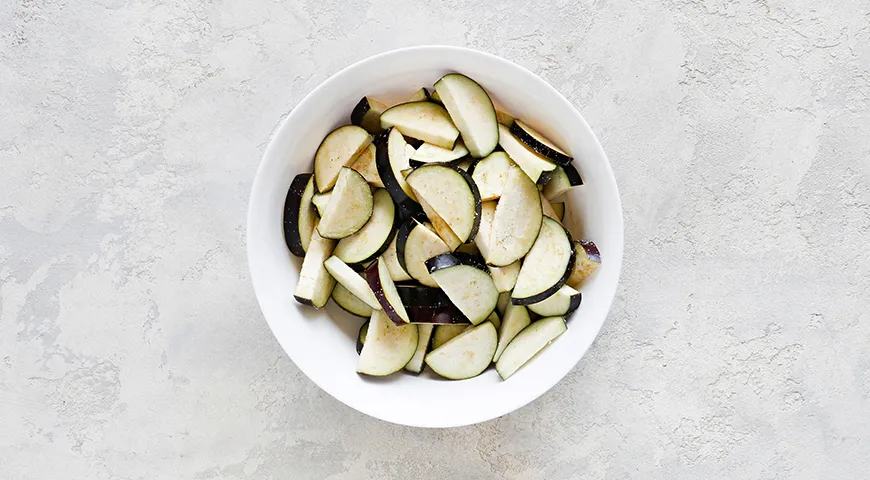
Wash the eggplants thoroughly. Cut each one lengthwise into halves, then slice into half-moon pieces about 1 cm thick. Place in a large bowl and sprinkle generously with salt. Toss well and let sit for 20 minutes. This draws out excess moisture and bitterness. After salting, rinse under cold water and squeeze gently to remove liquid. The eggplants are now ready for the marinade.
Step 2: Sterilize Jars and Prepare Spices
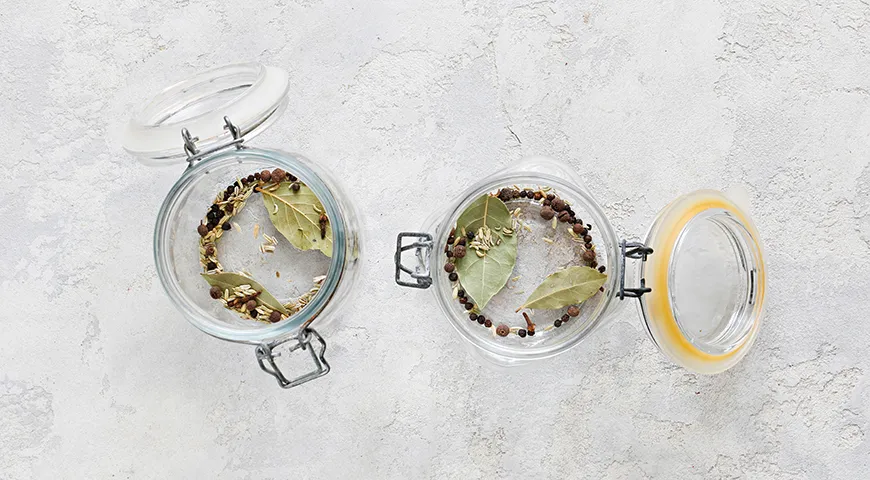
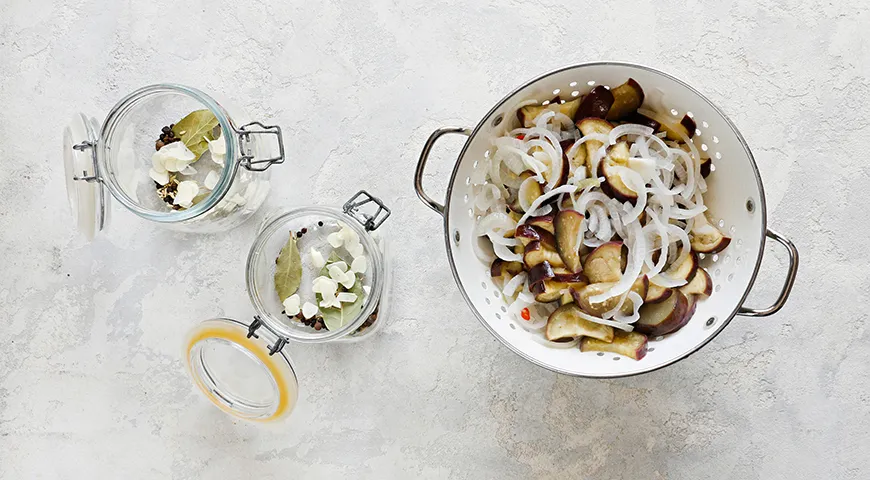
Sterilize your canning jars using your preferred method—boiling water bath, oven, or dishwasher. For a quick and efficient approach, consider using a best steam canner to save time. Once dry, divide the bay leaves, peppercorns, allspice, cloves, and dill seeds evenly among the jars. These spices will infuse the eggplants during storage.
Step 3: Make the Marinade
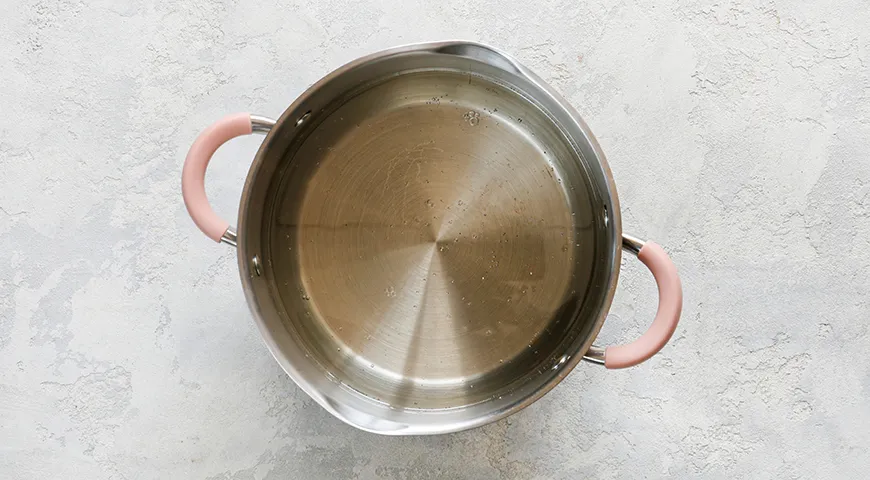
In a large pot, bring about 1 liter of water to a boil. Add the salt and sugar, stirring until dissolved. Pour in the vegetable oil and apple cider vinegar. Boil vigorously for 1 minute. Taste the marinade—it should be assertively salty-sour with a hint of sweetness. Adjust seasoning if needed. This brine is the heart of the dish, so don’t rush it.
Step 4: Blanch the Eggplants
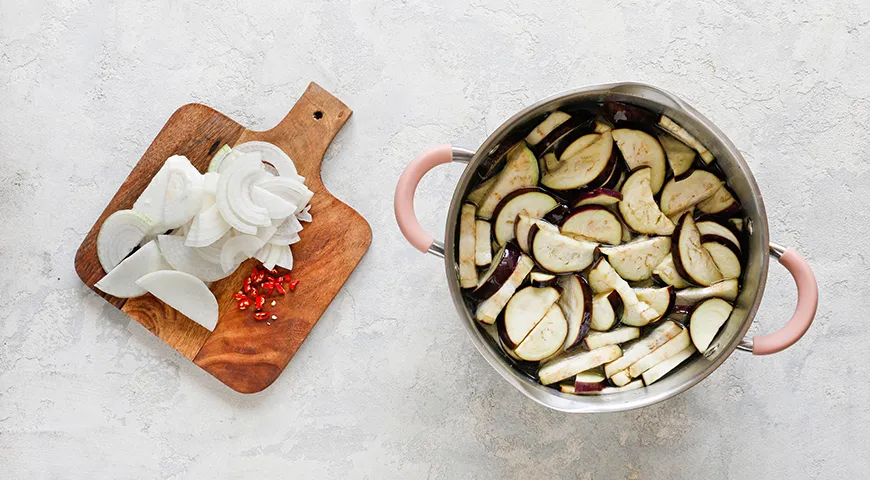
Add the rinsed and squeezed eggplant slices to the boiling marinade. Bring back to a boil, then reduce heat to medium and cook for exactly 5 minutes. The eggplants should soften but retain a slight bite. Meanwhile, peel and slice the onion into thin half-rings. Slice the chili into rings (seeds optional).
Step 5: Add Onions and Chili
After 5 minutes, add the sliced onion and chili rings to the pot. Cook for 1 minute more, then remove from heat. Drain the vegetables through a colander, reserving the hot marinade in a separate pot. Set the drained vegetables aside. While still warm, slice the garlic cloves into thin slivers and distribute them among the prepared jars.
Step 6: Pack and Seal
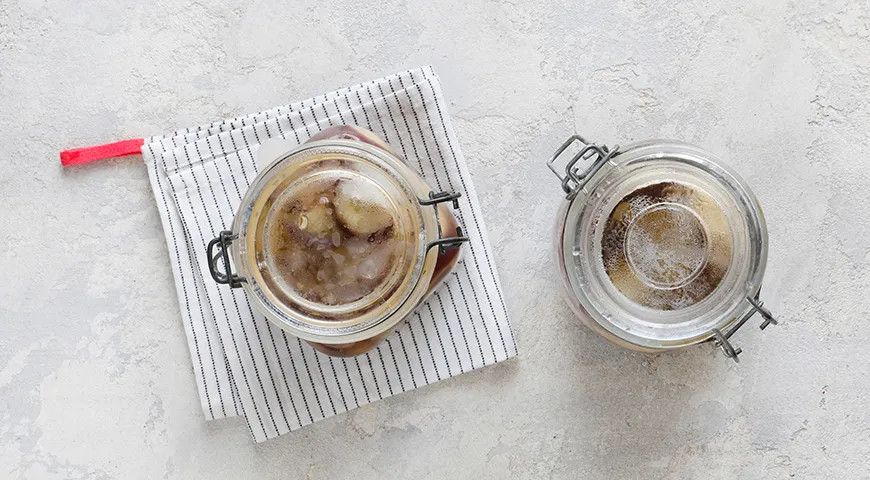
Divide the eggplant-onion-chili mixture evenly among the jars, packing gently to remove air pockets. Bring the reserved marinade to a rolling boil, then pour it over the vegetables, leaving about 1 cm headspace. Wipe rims clean, seal with lids and rings, and process in a boiling water bath for 10 minutes (adjust for altitude). Alternatively, simply invert the jars on a folded towel to create a vacuum seal. Let cool completely before checking seals. Store in a cool, dark place for at least a week before opening to allow flavors to meld.
Tips for Perfect Marinated Eggplants
- Always use young, firm eggplants with glossy skin. Older eggplants may be bitter and spongy.
- For even slicing, a glass food processor can make quick work of the onions and chilies.
- The salting step is non-negotiable—it removes excess liquid and prevents sogginess.
- Adjust the sugar to your taste; some prefer a sweeter brine to balance the acidity.
- If you lack apple cider vinegar, white wine vinegar works well, but avoid distilled white vinegar as it is too harsh.
- For a smokier flavor, roast the eggplants briefly under a broiler before salting, though this changes the texture.
Variations
This recipe is highly adaptable. Add a teaspoon of mustard seeds or coriander seeds for extra depth. For a Mediterranean twist, swap the dill seeds for dried oregano and add a strip of lemon zest. If you grow your own herbs, fresh dill sprigs (instead of seeds) can be placed in each jar—use about 2 sprigs per jar. For a spicy version, double the chili and add a few slices of fresh ginger. The brine also works wonderfully with zucchini or bell peppers; just adjust the cooking time to 3 minutes for zucchini, 2 for peppers. A non-toxic immersion blender is handy if you decide to puree some jars into a spreadable dip.
Serving Suggestions
These marinated eggplants are a versatile addition to any table. Serve them as a side dish to grilled or roasted meats—they pair especially well with lamb or pork. They also shine in a mezze platter alongside hummus, olives, and feta. For a quick appetizer, pile them on toasted sourdough with a smear of best chocolate-covered raisins might sound unconventional, but try it for a sweet-savory contrast! Their tangy, spicy profile also complements creamy cheeses like burrata or ricotta. You can even chop them and fold into pasta or grain salads for a burst of flavor.
FAQ
How long do marinated eggplants keep?
Properly sealed and stored in a cool, dark pantry, these eggplants will keep for up to one year. Once opened, refrigerate and consume within 2 weeks. Always check for signs of spoilage like off odors or mold.
Can I reduce the vinegar amount?
Vinegar is essential for safe canning and flavor. Reducing it may compromise preservation. If you must, use at least 150 ml and offset with extra lemon juice. For a lower-acid version, store in the refrigerator and consume within a month.
Why did my eggplants turn mushy?
Overcooking is the main culprit. Keep the boil to exactly 5 minutes. Also, salting and squeezing is crucial—skipping it leads to waterlogged slices. Use a best wheatgrass juicer to extract excess liquid from the eggplants after salting (though a gentle squeeze by hand is fine).
Can I use frozen eggplants?
Frozen eggplants have a different texture and are not recommended for this recipe. They release too much water and become mushy. Stick with fresh for best results.
What if I don't have dill seeds?
Substitute with fennel seeds or caraway seeds for a different but pleasant anise-like note. Alternatively, omit them entirely—the result will still be delicious, just less aromatic.
How do I know my jars are sealed?
After cooling, press the center of each lid. It should not flex up and down. Also, the lid should be slightly concave. If a jar fails to seal, refrigerate and eat within a month.
Storage and Shelf Life
Store sealed jars in a dark, cool place (15–20°C). Avoid temperature fluctuations. Once opened, refrigerate and consume within 2 weeks. The flavor actually improves after a month of storage. For long-term preservation, use a best undercounter ice maker machine to keep your pantry cold if you lack basement storage. Avoid storing near heat sources like ovens or direct sunlight.
These marinated eggplants are a testament to the art of preserving—a simple, rustic preparation that captures the essence of summer. With this recipe, you can enjoy a taste of Eastern European tradition all year round. Whether served as a side, a spread, or a snack, they bring a vibrant, tangy kick to any meal. Happy canning!







