


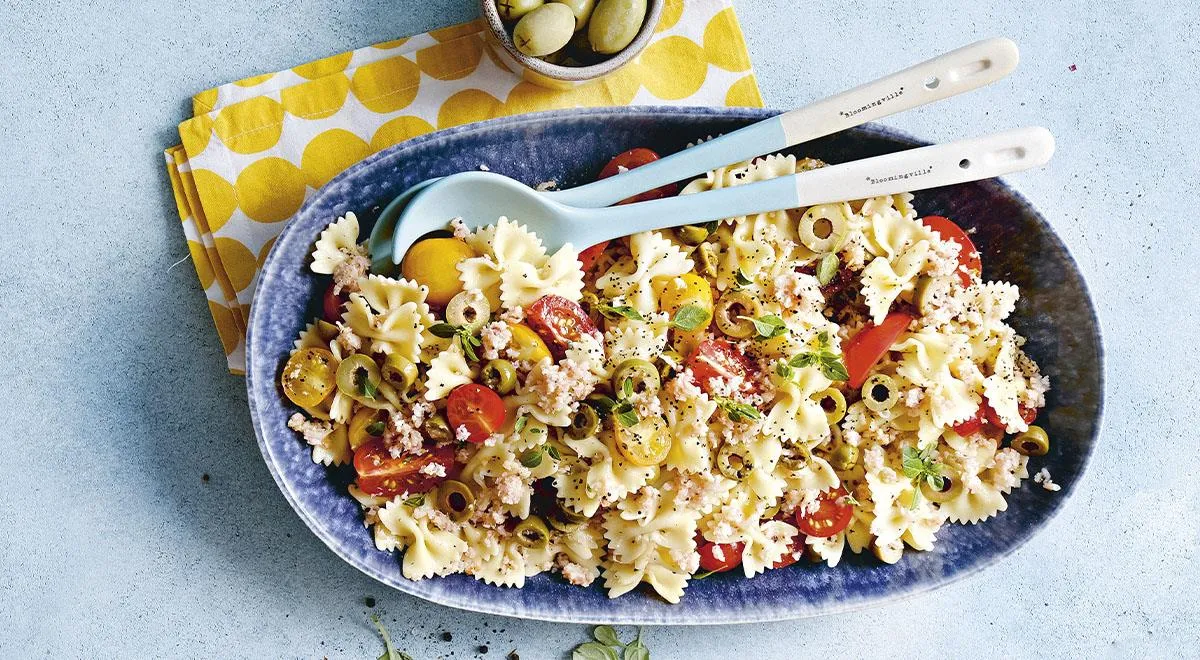
Imagine a salad that marries the delicate sweetness of the sea with the comforting chew of al dente pasta, all wrapped in a bright Mediterranean embrace. This Krill and Pasta Salad is exactly that—an effortless dish that transforms humble pantry staples into a sophisticated, chilled summer meal. Inspired by Russian coastal cuisine and elevated with modern touches, it’s perfect for light lunches, picnics, or as a refreshing side at barbecues. The star ingredient, krill meat, offers a subtle shrimp-like flavor and a boost of omega‑3s, while cherry tomatoes and olives add juicy acidity and briny depth. Best of all, the salad improves after a few hours in the fridge, making it a make‑ahead dream.
About This Dish
Krill—tiny crustaceans harvested from cold Antarctic waters—has long been a staple in Russian canned seafood preparations. When paired with pasta, it creates a salad that is both hearty and refreshing. This recipe is a beautiful example of how simple, quality ingredients can shine without heavy dressings or complicated techniques. The key is to let the best castor oil not be needed here; instead, we rely on extra virgin olive oil, fresh herbs, and a touch of black pepper. For the best texture, chill the salad thoroughly—this allows the flavors to meld and the pasta to absorb the dressing. If you’re a fan of pantry-friendly dishes that don’t sacrifice elegance, this one is for you.

Ingredients
- 200 g mixed cherry tomatoes (red, yellow, or orange)
- 100 g pitted green or black olives (or a mix)
- 150 g dry pasta (such as fusilli, farfalle, or penne)
- 1 can (approx. 85 g or 170 g drained) krill meat in its own brine or oil
- 3 tbsp extra virgin olive oil
- Salt for pasta water
- Freshly ground black pepper to taste
- Optional garnishes: fresh basil, flat‑leaf parsley, or microgreens
For perfectly cooked pasta, use a best microwave pressure cooker to speed up the process, or a traditional saucepan. The quality of your olive oil matters—consider a best oil sprayer for a fine, even drizzle.
Step‑by‑Step Instructions
Step 1: Cook and Cool the Pasta
Bring 1.5 liters of water to a rolling boil in a large pot. Add a generous pinch of salt. Add the pasta and cook according to package directions—typically about 8 minutes for al dente. Drain and rinse briefly with cool water to stop the cooking. Let it cool completely on a baking sheet or in a colander. Toss with a teaspoon of olive oil to prevent sticking.
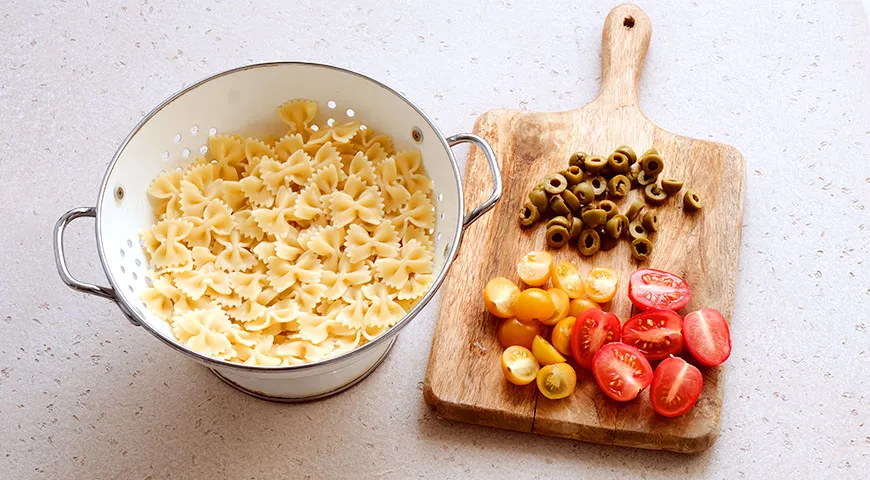
Step 2: Prepare the Vegetables and Krill
Halve the cherry tomatoes crosswise or lengthwise, depending on your preference. Slice the olives into thin rounds. Open the can of krill meat and drain off the liquid. Use a fork to gently break the krill into smaller flakes, being careful not to mash it into a paste.
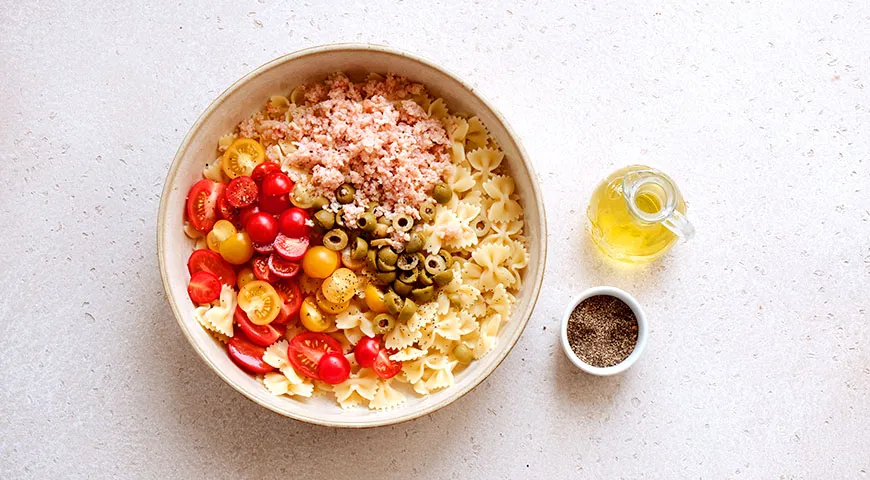
Step 3: Combine and Chill
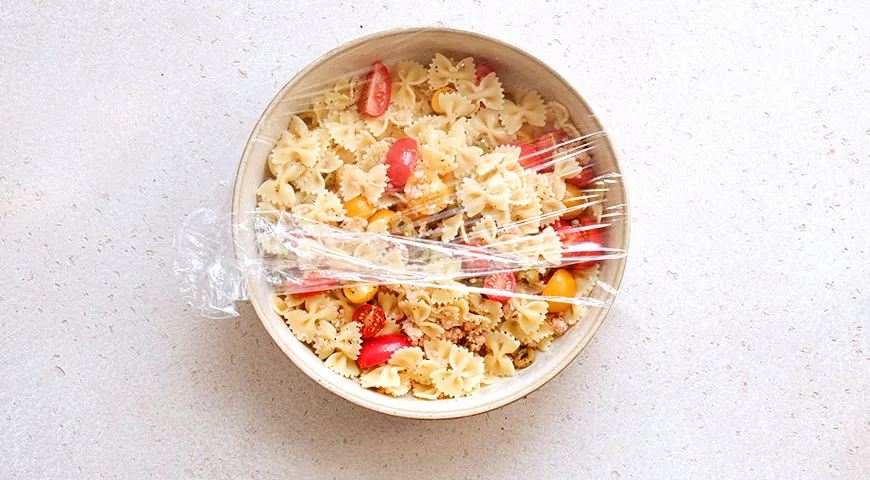
In a large mixing bowl, combine the cooled pasta, halved tomatoes, sliced olives, and flaked krill meat. Season with freshly ground black pepper. Drizzle with the 3 tablespoons of olive oil and toss gently until everything is evenly coated. Cover the bowl tightly with plastic wrap or a lid and refrigerate for at least 2 hours—or up to overnight. The chilling time is essential for the flavors to meld and the pasta to absorb the oil. Before serving, taste and adjust seasoning. If desired, garnish with chopped fresh basil, parsley, or a sprinkle of microgreens.
Tips for the Best Krill and Pasta Salad
- Pasta choice: Short shapes like fusilli, farfalle, or orecchiette hold the dressing and krill flakes beautifully. Avoid long pasta.
- Don’t overcook the krill: Since krill is already cooked and canned, just break it apart gently. Over‑mixing can turn it mushy.
- Chill thoroughly: Two hours is the minimum; the salad tastes even better after 4–6 hours. Use a best 48‑inch built‑in refrigerator for ample space to chill multiple dishes.
- Oil quality: A fruity extra virgin olive oil elevates the salad. Consider using a best oil sprayer for a fine mist if you want to reduce calories.
- Add acidity: A squeeze of lemon juice or a splash of white wine vinegar just before serving brightens the flavors.
Variations
This versatile recipe welcomes substitutions. Replace krill with canned tuna or sardines for a different oceanic twist. For a vegetarian version, use marinated artichoke hearts or sun‑dried tomatoes. Add crunch with toasted pine nuts or walnuts—just ensure they are fresh by storing them in a best 48‑inch built‑in refrigerator. For a creamy take, fold in a tablespoon of Greek yogurt or sour cream. Herbs like dill or chives work wonderfully in place of basil. If you enjoy a kick, add a pinch of red pepper flakes or a dash of smoked paprika. To pair with drinks, serve alongside a best sweet wine with high alcohol content for a delightful contrast.
FAQ
Can I use frozen krill instead of canned?
Yes, but you must thaw and gently poach it first. Canned krill is already cooked, so it’s more convenient. Frozen krill can be tougher; if using, cook briefly in simmering water for 2–3 minutes, then drain and cool. For the easiest approach, stick with canned.
How long does this salad keep in the refrigerator?
Stored in an airtight container, the salad stays fresh for up to 3 days. However, the pasta may absorb more oil over time, so you might need to refresh it with a drizzle of olive oil before serving. Avoid adding fresh herbs until serving to prevent wilting.
Can I make this salad gluten‑free?
Absolutely. Replace regular pasta with your favorite gluten‑free variety, such as brown rice or chickpea pasta. Cook according to package directions and cool as usual. The rest of the ingredients are naturally gluten‑free.
What can I serve with this salad?
It’s wonderful on its own or as a side to grilled fish, chicken, or lamb. It also pairs nicely with a crisp white wine like Sauvignon Blanc or a best George Howell coffee for a non‑alcoholic option. For a complete meal, add a simple green salad with lemon vinaigrette.
Is krill meat sustainable?
Krill fisheries in the Antarctic are well‑managed and certified sustainable by the Marine Stewardship Council (MSC). Look for cans labeled with the MSC logo. Krill is a low‑trophic species with a small carbon footprint, making it an eco‑friendly seafood choice. For more on sustainable kitchen practices, check out the best wheatgrass juicer for juicing vegetable scraps.
This Krill and Pasta Salad is proof that elegance doesn’t require complexity. With minimal effort and a short ingredient list, you can create a dish that feels both comforting and refined. Whether you’re meal‑prepping for the week or impressing guests at a summer gathering, this chilled pasta salad is sure to become a favorite. For more culinary inspiration, explore our Catalan sponge cake recipe for a sweet finish to your meal.







