


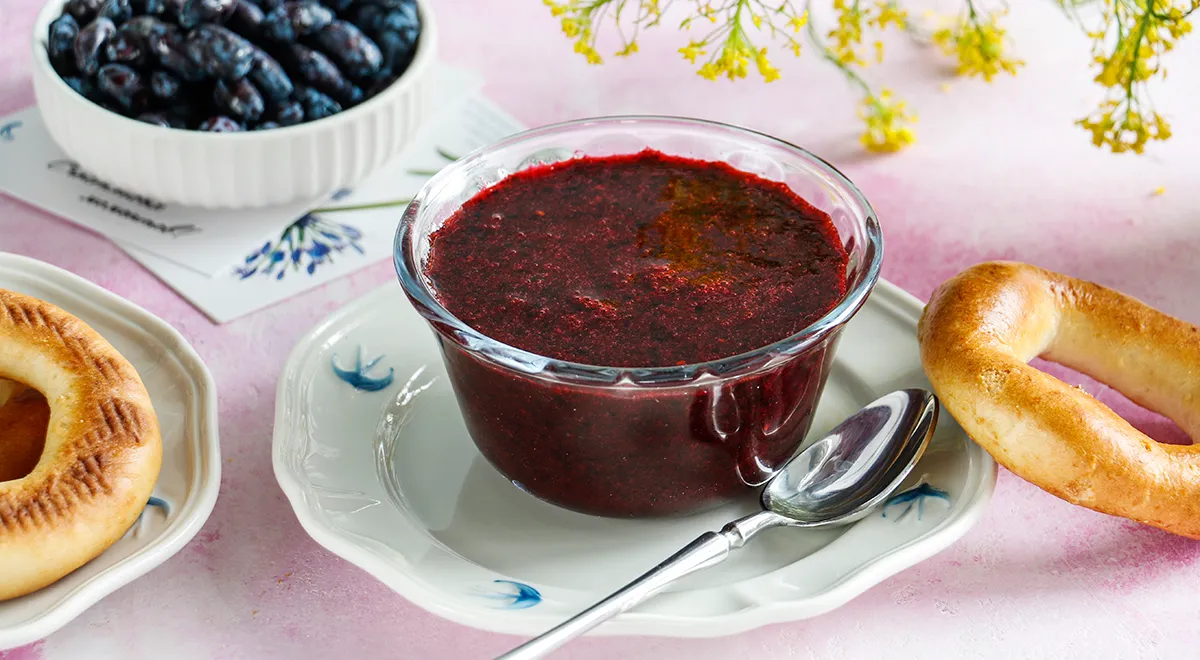
There is a quiet magic in capturing the fleeting bounty of summer without the roar of a boil. This raw honeysuckle preserve—zhimolost protertaya s sakharom—is a testament to the art of simplicity. By mingling pristine, sun-ripened berries with sugar and letting time work its gentle alchemy, you create a vibrant, jewel-toned purée that tastes of the garden itself. Unlike traditional jams, this uncooked method preserves the berry's delicate floral notes and high levels of antioxidants, making it a true winter treasure. Whether spooned over yogurt, swirled into cocktails, or simply savored by the spoonful, this raw preserve is a celebration of unadulterated flavor.
About the Dish: A No-Cook Tradition
In Russian home kitchens, syroye varenye (raw jam) is a beloved method for preserving berries without heat. Honeysuckle, with its unique sweet-tart profile reminiscent of blueberries with a whisper of honeysuckle flower, is a favorite. The technique is straightforward: select flawless berries, combine with sugar, and allow the mixture to macerate before grinding into a silky purée. The result is a spread that retains the berry's natural pectin structure and a luminosity that cooked versions lack. For best results, use an immersion blender to achieve a fine, consistent texture without introducing air that could cause premature spoilage. Alternatively, a glass food processor offers precise control for larger batches.

Ingredients
- 1 kg fresh honeysuckle berries (ripe, unblemished)
- 1 kg granulated sugar
Step-by-Step Instructions
-
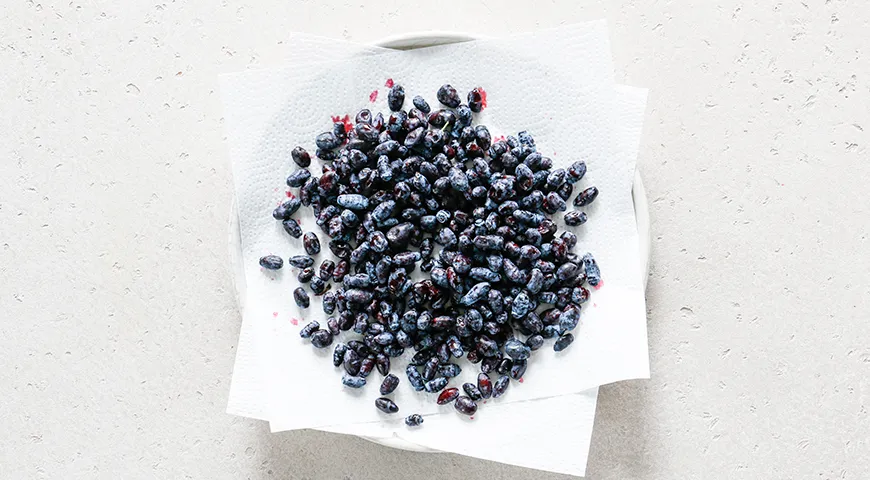
Sort and clean the berries. Carefully pick through the honeysuckle, discarding any bruised, underripe, or damaged fruit—imperfections can introduce unwanted microbes and cause fermentation. Rinse the berries under cool running water, then drain in a colander or spread on a clean kitchen towel and let them dry completely. Moisture is the enemy of raw preserves.
-
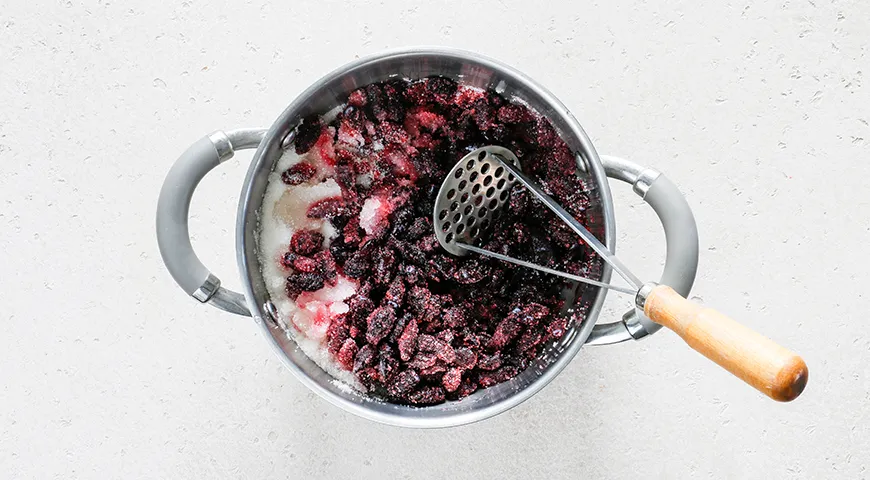
Maceration. Transfer the clean, dry berries to a large bowl or pot. Sprinkle with half the sugar (500 g). Let the mixture sit undisturbed for about one hour at room temperature. The sugar will draw out the berries' natural juice, softening them for mashing. For even extraction, a planetary mixer with a paddle attachment can gently stir the berries during this phase, though hand-stirring is equally effective.
-
Purée. After an hour, begin mashing the berries using your preferred tool. A non-toxic immersion blender is ideal for a smooth, velvety purée, while a high-performance food processor can handle larger loads. Alternatively, a potato masher or a manual juicer can yield a chunkier texture. As you mash, gradually incorporate the remaining sugar to ensure even distribution. Continue blending until the mixture is homogeneous—about 2–3 minutes with an immersion blender.
-
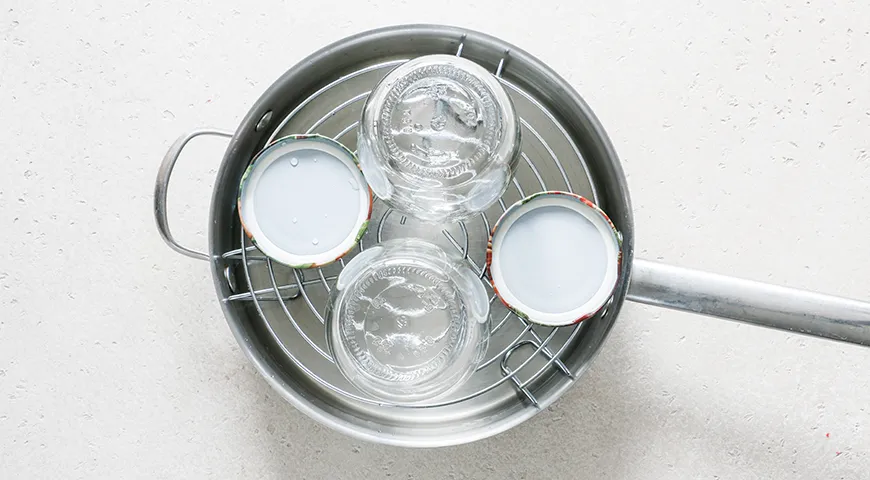
Rest and dissolve. Allow the purée to stand for another hour, stirring occasionally to help the sugar dissolve completely. Meanwhile, prepare your storage jars: wash them thoroughly and steam-sterilize them along with lids, then let them cool. Proper sterilization is crucial for long-term shelf life.
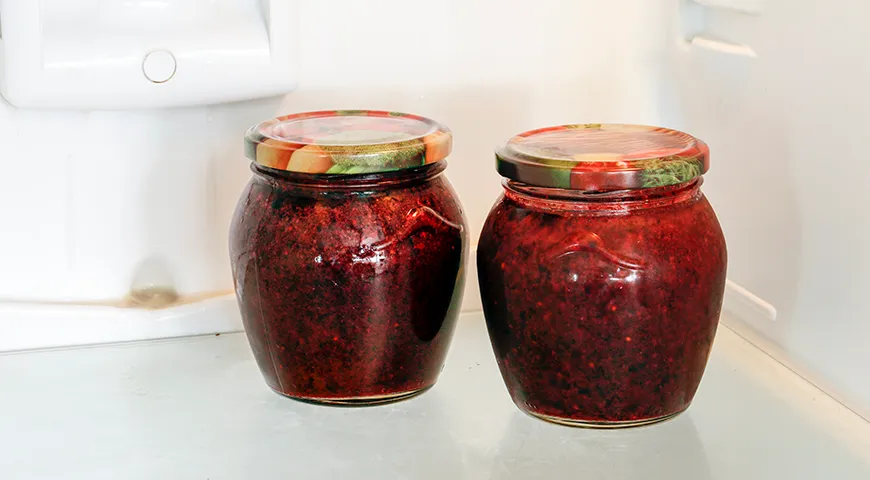
- Pack and seal. Ladle the honeysuckle purée into the sterilized jars, leaving about 1 cm headspace. Spoon a thin layer (0.5–0.7 cm) of sugar over the top of each jar—this acts as a natural preservative seal. Close tightly with the lids. Store in the refrigerator or a cool cellar; the preserve will keep for up to six months.
Tips for Success
- Berry selection is paramount. Use only perfectly ripe, undamaged honeysuckle—any spoiled fruit can cause fermentation. Foraging? Ensure you have the edible species Lonicera caerulea.
- Equipment matters. A high-quality immersion blender yields the smoothest purée. For tighter budgets, a good potato masher works well.
- Sterilize thoroughly. Even a trace of bacteria can spoil raw preserves. Use a steam canner or boiling water bath for jars and lids.
- Sugar is your preservative. Do not reduce the quantity—the 1:1 ratio by weight ensures proper preservation by creating a high-osmolarity environment.
- Stir gently during resting. Over-mixing can incorporate air, which may darken the color and reduce shelf life.
Variations
- Honey-Sweetened Version: Substitute up to half the sugar with high-quality organic honey for a floral depth—adjust for sweetness.
- Spiced Raw Jam: Add a pinch of vanilla bean or a cinnamon stick during maceration; remove before jarring.
- Citrus Twist: Fold in finely grated zest of one lemon before packaging for brightness.
- Mixed Berry Blend: Replace half the honeysuckle with blueberries or raspberries for a more complex flavor.
Frequently Asked Questions
Can I use frozen honeysuckle for raw jam?
Yes, but thaw the berries completely and drain any excess liquid before macerating. The texture may be slightly softer, but the flavor remains vibrant. For best results, avoid air-fryer thawing; gentle refrigeration is ideal.
How long does this raw preserve keep?
When stored in the refrigerator with a sugar seal, it will last up to 6 months. If stored in a cool, dark cellar (below 4°C), it may keep for up to 8 months. Always check for mold before use.
Can I reduce the sugar?
Reducing sugar compromises preservation. For a lower-sugar version, you must process the jam in a boiling water bath for 10 minutes, which cooks the berries. That said, the uncooked method relies on sugar’s osmotic effect to prevent spoilage.
What if my jam ferments?
Fermentation usually indicates that imperfect berries or insufficient sugar were used. If you detect bubbles or an alcoholic odor, discard the batch. To salvage, you can cook the purée with additional sugar to make a traditional jam. A microwave pressure cooker can help achieve the right temperature quickly.
Can I use a masticating juicer to extract the pulp?
A wheatgrass juicer or masticating juicer can separate juice from solids, but for raw jam you want the whole fruit purée—fiber and all. Stick to blenders or food mills to preserve the pectin-rich skins.
Is this raw jam safe for long-term storage?
Yes, provided the berries are immaculate, the jars are sterile, and the sugar layer is intact. For added safety, consider using a steam canner to process filled jars for 5 minutes—though this technically cooks the berries slightly.
What is the best type of sugar to use?
Plain white granulated sugar is standard because it dissolves cleanly without adding flavor. Organic cane sugar is a fine alternative. Avoid powdered sugar, as it contains anti-caking agents that may cloud the jam.
Embrace the season's bounty with this elegant no-cook preserve—a spoonful of summer that will brighten even the darkest winter morning.







