


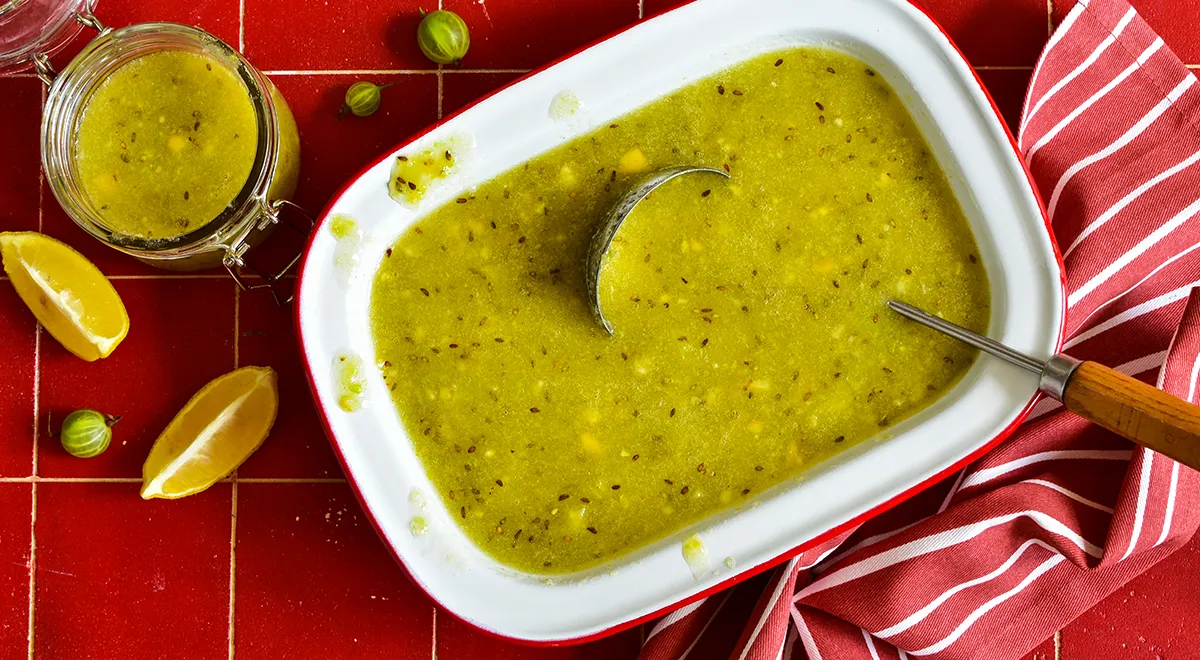
When the cold months arrive, nothing beats a spoonful of vibrant, vitamin-packed homemade jam. This gooseberry and lemon no-cook jam is a celebration of summer’s bounty, preserved without heat to lock in every nutrient. With its brilliant green hue, zesty citrus kick, and natural sweetness, this raw jam is as beautiful as it is beneficial. Whether you spread it on toast, swirl it into yogurt, or use it as a filling for delicate pastries, this preserve is a pantry staple you will treasure. The secret lies in the simplicity: fresh gooseberries, organic lemon, and sugar are blended into a luscious puree and allowed to meld slowly. No cooking means the immersion blender or food processor does the work while the vitamin C remains intact. This recipe yields approximately 1.2 liters of jam, perfect for gifting or stocking your own shelves.
About This No-Cook Gooseberry and Lemon Jam
This traditional Russian preserve, varenje iz kryzhovnika s limonom, is revered for its ability to capture the essence of fresh berries. Gooseberries are naturally rich in pectin, giving the jam a lovely gel-like consistency without any added thickeners. The addition of lemon not only brightens the flavor but also boosts the immune-boosting properties. Unlike cooked jams that lose volatile compounds, this no-heat method retains the full spectrum of antioxidants, vitamins (especially C and K), and fiber. Many home cooks also appreciate that this preparation is ideal for those new to preserving because there is no risk of scorching or over-boiling. For the best results, choose firm, unblemished green gooseberries; red or purple varieties work well too, though they produce a slightly darker jam. If you prefer a completely seedless jam, simply pass the puree through a fine-mesh sieve before adding the sugar. For more inspiration on maximizing your kitchen tools, explore our guide to the best food processor for nut butters—it handles fruit purees with equal ease.

Ingredients
- 750 g green gooseberries
- 750 g granulated sugar
- 1 large lemon
- 300 ml water (for blanching the lemon)
Step-by-Step Instructions
Step 1: Prepare the Gooseberries
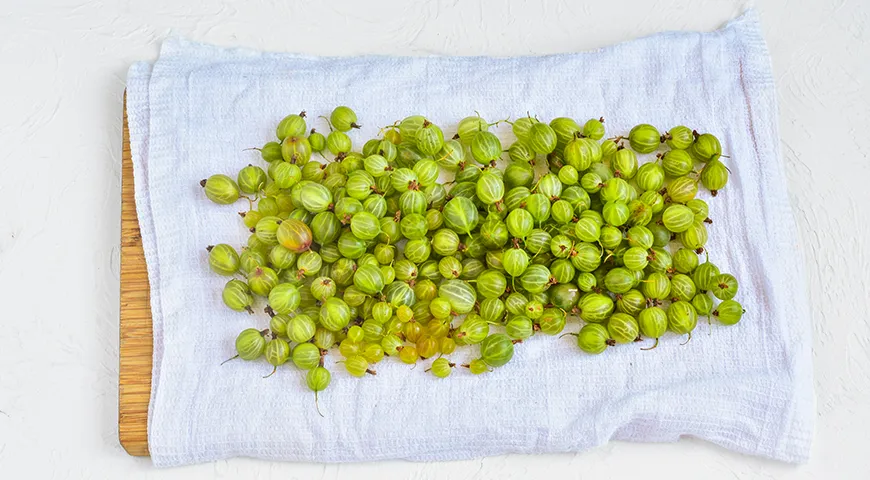
Rinse the gooseberries under cold running water to remove any dirt or debris. Spread them on a clean kitchen towel and let them air-dry naturally for 3–4 hours. Damp berries can introduce unwanted moisture, which may affect the jam’s texture and shelf life.
Step 2: Trim and Sort
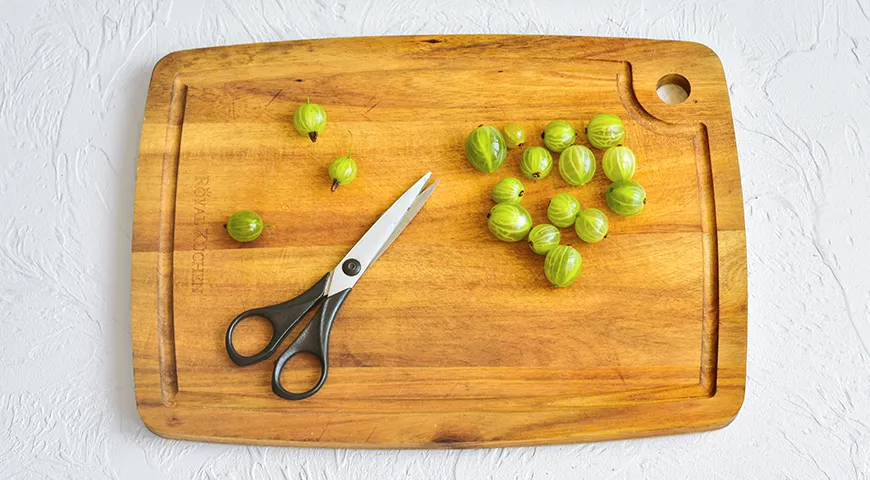
Once fully dry, pick over the berries and discard any that are bruised or spoiled. Using sharp kitchen scissors, snip off the stem and blossom ends from each gooseberry. This small effort ensures a perfectly smooth jam.
Step 3: Blanch the Lemon
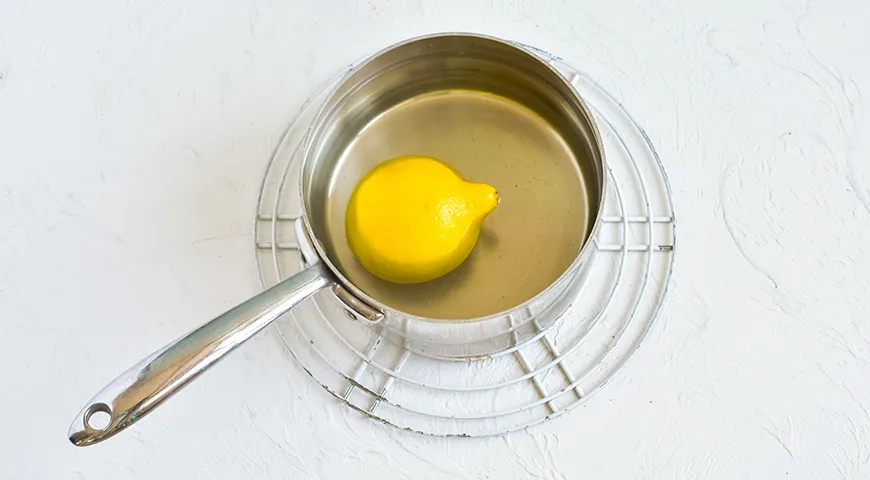
Wash the lemon thoroughly. In a small saucepan, bring the 300 ml of water to a rolling boil. Submerge the whole lemon for exactly 1 minute, then remove and let cool. This brief blanching softens the peel and reduces bitterness while preserving the essential oils.
Step 4: Segment the Lemon
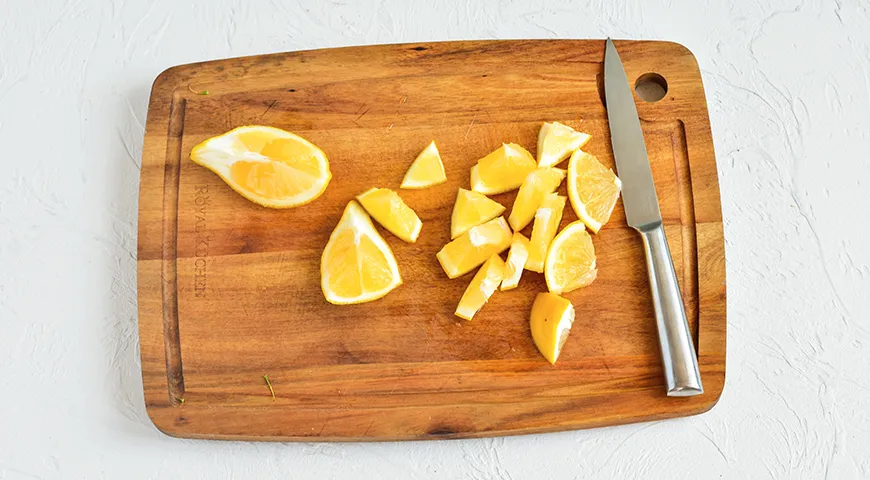
Cut the cooled lemon in half and remove any seeds using a knife or tweezers. Then chop the lemon (including the peel) into small chunks. The peel adds a pleasant texture and packs an aromatic punch.
Step 5: Puree the Gooseberries
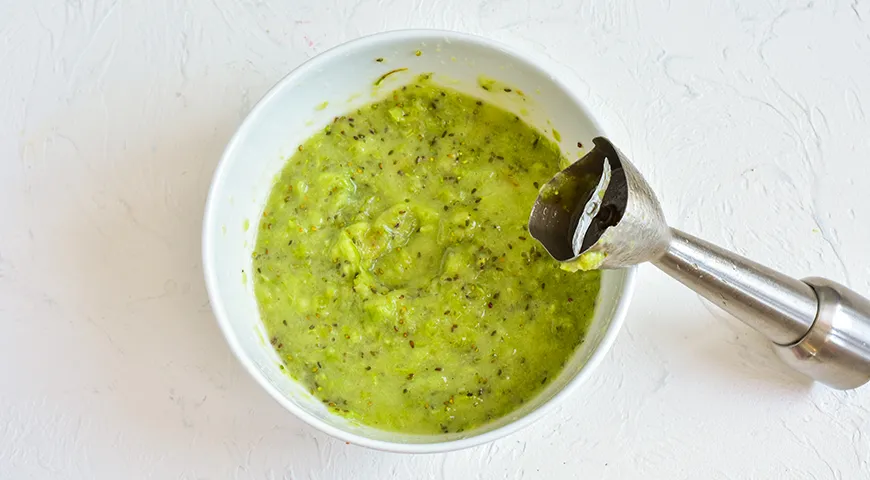
Place the trimmed gooseberries in a high-speed blender or food processor. Blend until you have a smooth, uniform puree. A powerful glass blender works beautifully here, as it won’t absorb odors and cleans easily.
Step 6: Puree the Lemon
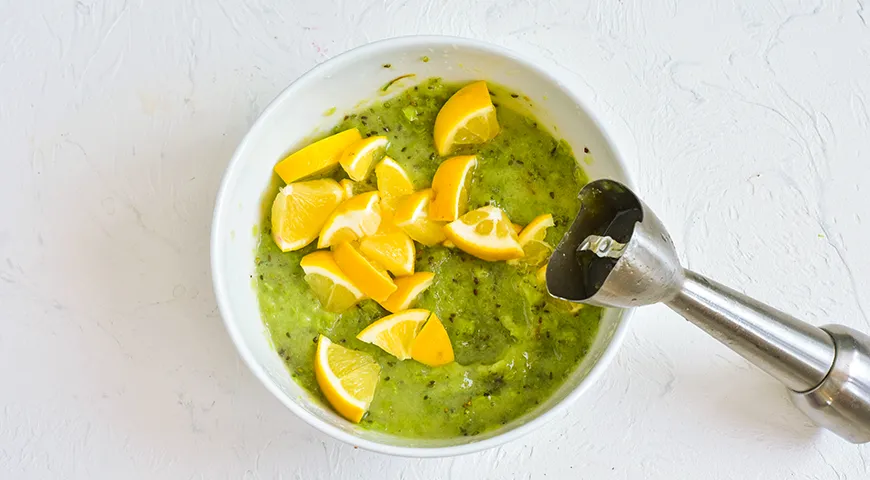
Add the chopped lemon chunks to the blender with the gooseberry puree and pulse until the mixture is homogeneous. For a chunkier texture, pulse only a few times, leaving small bits of lemon. If you like a silky-smooth jam, blend longer.
Step 7: Combine with Sugar
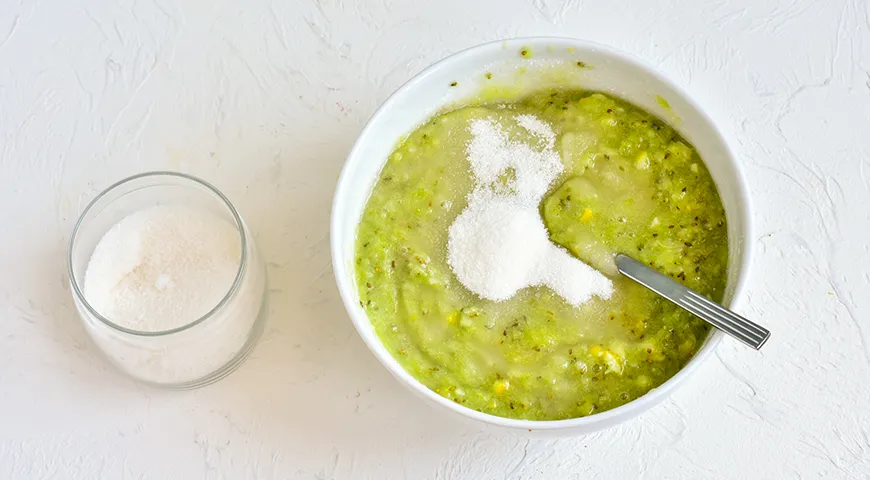
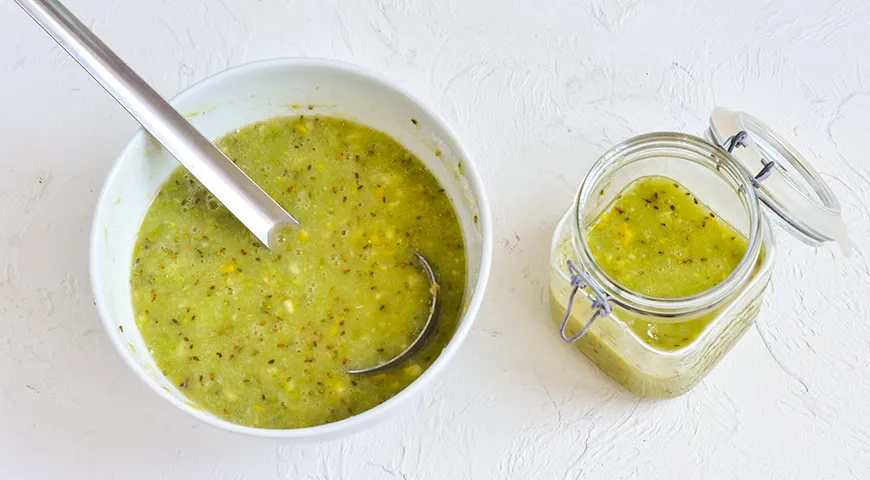
Transfer the fruit puree to a large bowl (preferably glass or stainless steel). Add the 750 g of sugar and stir thoroughly. Cover the bowl with a clean cloth and let it sit at room temperature for 5–6 hours. Every hour, give the mixture a gentle stir to help the sugar dissolve completely. During this time, the pectin in the gooseberries will start to set the jam naturally.
Step 8: Jar and Store
Meanwhile, sterilize your jars and lids by boiling them for 10 minutes or running them through a dishwasher cycle. Once the sugar has fully dissolved, spoon the jam into the prepared jars, leaving no headspace. Screw the lids on tightly. Store this no-cook jam in the refrigerator; it will keep for up to 1 year. The cold temperature preserves the fresh flavor and vibrant color.
Tips for Perfect No-Cook Jam
- Choose ripe but firm gooseberries. Overly soft berries may ferment, while underripe ones are too tart. The ideal balance of sweetness and acidity comes from berries that are just fully colored.
- Use organic lemons if possible, since the peel is used. A quick blanch removes wax and agricultural residues.
- Stir vigorously during the resting period. Undissolved sugar can lead to crystallization. A planetary mixer with a paddle attachment can make this effortless if you are scaling the recipe.
- For a touch of mint, add 2–3 fresh mint sprigs to the puree before resting, then remove them before jarring. The herbal note pairs exquisitely with gooseberry.
- If you prefer a sweeter jam, you can increase the sugar to 1 kg, though the classic 1:1 ratio by weight is standard.
Variations to Explore
This recipe is wonderfully adaptable. Swap the lemon for a navel orange for a sweeter, less acidic preserve. The orange’s natural sweetness reduces the need for additional sugar. Alternatively, add a half teaspoon of ground cardamom or a vanilla bean pod to the sugar resting stage for a fragrant twist. For a boozy version, replace 50 ml of water with vodka or gin (if you choose to cook the jam, though that alters the no-cook nature). If you are new to home preserving, consider using a steam canner for safe shelf-stable storage, though refrigeration is recommended for this raw preparation. And if you have a surplus of gooseberries, you can freeze the puree in ice cube trays and add them to smoothies or cocktails throughout the year.
How to Use Your Gooseberry Lemon Jam
This jam shines in both sweet and savory applications. Spread it over a warm slice of sourdough with salted butter, or use it as a glaze for roasted chicken or pork. It also makes an excellent filling for thumbprint cookies, a topping for cheesecake, or a swirl into Greek yogurt. For a sophisticated dessert, layer the jam with vanilla panna cotta. The tart-sweet profile even complements strong cheeses like aged cheddar or blue cheese. And of course, it is a classic companion to Russian blini or syrniki. For more creative ways to incorporate fruit preserves, check out our Catalan sponge cake recipe that pairs beautifully with fruit compotes.
Frequently Asked Questions
Why is this jam called “no-cook” or “raw” jam?
No-cook jam relies on the natural preservative power of sugar and the pectin in the fruit to set without heat. The sugar draws moisture out of the fruit, creating an environment where spoilage microorganisms cannot thrive. Because there is no cooking, the jam retains maximum flavor, color, and nutrients.
Can I use frozen gooseberries?
Yes, but thaw them completely and drain any excess liquid before blending. Frozen berries may have softer skins, so the jam may set slightly less firmly. You may also want to increase the sugar by 50 g to compensate for the extra moisture.
How long does this jam last?
Stored in a sterilized, airtight jar in the refrigerator, this jam will keep for up to 1 year. Once opened, consume within 2–3 months for best quality. Always use a clean, dry spoon to avoid introducing contaminants.
Can I reduce the sugar?
Sugar is crucial for preservation in no-cook jams. Reducing it below 600 g per 750 g of fruit may lead to spoilage. If you prefer a lower-sugar preserve, consider cooking the jam briefly with a commercial low-sugar pectin, or store it in the freezer. For alternative preserving methods, explore the best steam canner for heat-processed jams.
My jam hasn’t set after 24 hours—what went wrong?
No-cook jam often needs 24–48 hours to fully thicken. If it remains runny, the gooseberries may have been too ripe (low pectin) or the sugar was not fully dissolved. You can add 1–2 tablespoons of commercial liquid pectin (according to package directions) and stir well, then let the jam rest again. Another option: blend in a few underripe green gooseberries, which are naturally high in pectin. Using a wheatgrass juicer to extract juice from green gooseberries is an efficient way to add pectin without extra pulp.
Is it safe to can this jam for shelf storage?
Because no-cook jam has a higher water activity, it is not considered safe for boiling-water-bath canning unless it has been acidified and cooked to a specific temperature. For shelf-stable storage, you must either cook the jam to 105°C (220°F) or add a preservative. We recommend refrigerating this recipe. For shelf-stable options, see our guide on total bowel release (a digestive health topic, but we also have canning resources elsewhere). Alternatively, freeze the jam in small containers for up to 6 months.
Can I make this recipe in a larger batch?
Absolutely. Multiply the ingredients proportionally, but do not exceed 2 kg of fruit per batch, as the sugar dissolution becomes difficult to manage. Use a large planetary mixer for stirring. Always maintain the 1:1 sugar-to-fruit ratio by weight for safe preservation.
This gooseberry and lemon no-cook jam is a testament to the art of preserving without heat. It captures the very essence of the berry patch and the citrus grove, delivering a burst of summer flavor on even the dreariest winter morning. Whether you are a seasoned preserver or a beginner, this simple yet elegant recipe will become a cherished tradition. For more kitchen inspiration, browse our collection of best chocolate-covered raisins and other snack ideas that complement your homemade preserves.







