


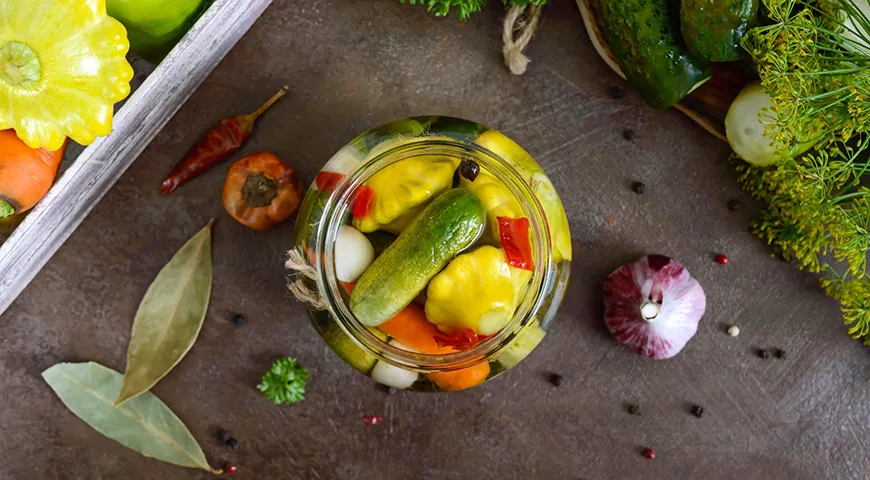
In the world of preserving, vinegar often dominates the conversation. Yet there is a more ancient, more nuanced method that yields a complexity of flavor no acidic bath can replicate: lacto-fermentation. This technique, responsible for the tangy crunch of classic dill pickles and the sour pucker of sauerkraut, transforms simple vegetables into probiotic-rich delicacies. Today, we turn our attention to pattypan squash — those charming, scalloped summer squashes that look like tiny flying saucers. When fermented, they become fermented (salted) pattypan squash, a crunchy, savory condiment that elevates any meal. This recipe, rooted in Russian tradition, requires patience (5–6 days of fermentation) but rewards with a jar of golden, tangy-sweet squash pieces. Whether you are an experienced fermenter or a curious novice, this guide will walk you through every step, from selecting the perfect pattypans to storing the finished product. Let us begin this culinary journey into the art of natural preservation.
About Lacto-Fermented Pattypan Squash
Unlike quick pickling with vinegar, fermentation relies on Lactobacillus bacteria naturally present on vegetables. These beneficial microbes convert sugars into lactic acid, creating an acidic environment that preserves the squash while developing a deep, complex tang. The process is gentle – no heat destroys enzymes – so the squash retains a satisfying crunch. Historically, fermenting squash was a practical way to extend the harvest, but today it is celebrated for its gut-friendly probiotics and distinctive taste. This specific Russian-style recipe uses a brine of salt and water, garlic, celery, dill, and horseradish leaf, imparting herbaceous notes that complement the squash’s mild sweetness. For those new to fermentation, a non-toxic immersion blender can help if you prefer blending some of the aromatics, though this recipe keeps them whole. The result is a condiment that pairs beautifully with grilled meats, charcuterie boards, or simply as a snack straight from the jar.

Ingredients
- 2 kg pattypan squash (fresh, firm)
- 5 cloves garlic
- 2–3 stalks celery with leaves
- 2 dill umbels (flower heads)
- 1 horseradish leaf
- 50 g salt (non-iodized, preferably sea salt or kosher)
- 1 liter water (chlorine-free, as chlorine can hinder fermentation)
Ensure your salt is pure; avoid table salt with anti-caking agents. The water should be filtered or boiled and cooled to remove chlorine. For the best results, use a food processor for nut butter to quickly crush garlic if you desire a stronger flavor, but mincing with a knife works fine.
Step-by-Step Instructions
Step 1: Prepare the pattypan squash – Wash and dry the squash thoroughly. Trim off the stems and blossom ends. If the skin is tough or blemished, peel it off; otherwise, leave it on for texture. Cut any larger squash into halves or quarters so they fit easily into the jar. For uniform fermentation, aim for pieces about 3–4 cm in size.
Step 2: Clean the spices – Wash and dry the celery stalks (with leaves), dill umbels, and horseradish leaf. Peel the garlic cloves; leave them whole or lightly crush them. These aromatics will infuse the brine with herbal notes.
Step 3: Layer the jar – In a clean 3-liter jar, place about one-third of the spices on the bottom. Then add half of the squash pieces. Add another third of the spices, then the remaining squash. Top with the remaining spices. Press down lightly to pack.
Step 4: Make the brine – Bring 1 liter of water to a boil. Dissolve the 50 g salt completely, then let the brine cool to room temperature. Using a microwave pressure cooker can speed up the boiling, but a kettle works too.
Step 5: Pour brine and ferment – Pour the cooled brine over the squash until fully submerged. Cover the jar with a clean cloth (like cheesecloth or a kitchen towel) and secure with a rubber band or ring. Leave at room temperature (20–22°C). Active fermentation will begin within 24–48 hours, visible as tiny bubbles rising. After 5–6 days, bubbling will cease and the brine will become slightly cloudy — this signals completion.
Step 6: Check brine level – If the squash are not fully submerged, prepare extra brine (same ratio: 50 g salt per 1 liter water), cool, and add to cover.
Step 7: Seal and store – Once fermentation is complete, replace the cloth with a plastic lid. Store the jar in a cool, dark place (like a refrigerator or cellar). The fermented squash will keep for several months. For best texture, consume within 3–4 months.
Tips for Perfect Fermented Squash
- Use a weight: To keep squash submerged, place a clean glass weight or a small plate inside the jar. This prevents mold growth.
- Mind the temperature: Fermentation slows below 15°C and speeds up above 25°C. Ideal is 20–22°C. If your kitchen is warm, check after 4 days.
- Skim if needed: White kahm yeast on the surface is harmless; skim it off. Any mold (fuzzy, colored) means the batch is compromised — discard.
- Adjust saltiness: For a milder brine, reduce salt to 40 g per liter; for longer storage, keep at 50 g.
- Crunch enhancer: Add a grape or oak leaf (tannin-rich) to maintain crispness. This is a classic trick in steam canning but works for fermentation too.
Variations
- Spicy version: Add a few slices of fresh chili or a teaspoon of red pepper flakes.
- Herb blend: Swap celery for dill or add tarragon, basil, or bay leaves.
- Sweet and sour: Include a thin slice of beetroot for natural color and a hint of sweetness.
- Ferment with other veg: Combine pattypans with cucumber or carrot sticks for a mixed pickle jar.
- No horseradish: Use a slice of ginger or more dill umbels instead.
- Low-sodium: Use organic vodka in a tiny amount (1 tbsp) as a preservative, but note it alters flavor.
FAQ
Why do I need to use non-iodized salt?
Iodine can inhibit the growth of beneficial bacteria. Pure sea salt or kosher salt without additives is best for successful fermentation. Consider using an oil sprayer for greasing surfaces, but for salt, keep it simple.
My brine turned cloudy — is that normal?
Yes! Cloudiness indicates active lactic acid bacteria. It is a sign of successful fermentation. The brine may smell slightly sour, which is normal.
Can I use chlorinated tap water?
Chlorine can kill the bacteria needed for fermentation. Always use filtered, boiled, or distilled water. Let tap water sit out overnight to dechlorinate.
How long should I ferment?
Typically 5–6 days at room temperature. Check after day 4: taste a piece. It should be tangy but not overly sour. Ferment longer (up to 2 weeks) for a stronger flavor, but texture softens.
What if mold appears on top?
If it is white or tan and powdery (kahm yeast), it is harmless — skim it off and ensure vegetables are submerged. If it is fuzzy, green, or black, discard the batch. Proper submersion prevents this.
Can I reuse the brine for another batch?
Yes, but the second batch will ferment faster (starter culture). Add a little fresh salt to maintain salinity. The flavor may be milder.
Can I use an airlock lid instead of cloth?
Absolutely! An airlock lid simplifies fermentation by allowing gas to escape without letting oxygen in. This reduces the risk of mold. For more tips, see best undercounter ice maker machine for kitchen cooling ideas, but for fermentation, a simple jar works.
Why did my squash become mushy?
Over-fermentation (too long at warm temps) or using overly ripe squash can cause mushiness. Always choose firm, young pattypans. Adding a tannin-rich leaf helps maintain crunch.
How do I serve fermented squash?
As a side with meats, in salads, on sandwiches, or as a garnish for Bloody Marys. They are also excellent chopped into salads for a tangy kick. Use best wheatgrass juicer for other green recipes, but here just enjoy the squash.
What is the shelf life?
Stored in a refrigerator, fermented squash keeps for 3–6 months. The flavor will deepen over time. Once opened, use within a month for best quality.
For more fermentation inspiration, explore best planetary mixer recipes or try Catalan sponge cake for a sweet contrast. This fermented pattypan squash recipe is a testament to the timeless wisdom of natural preservation — simple ingredients, patience, and nature’s alchemy.







