


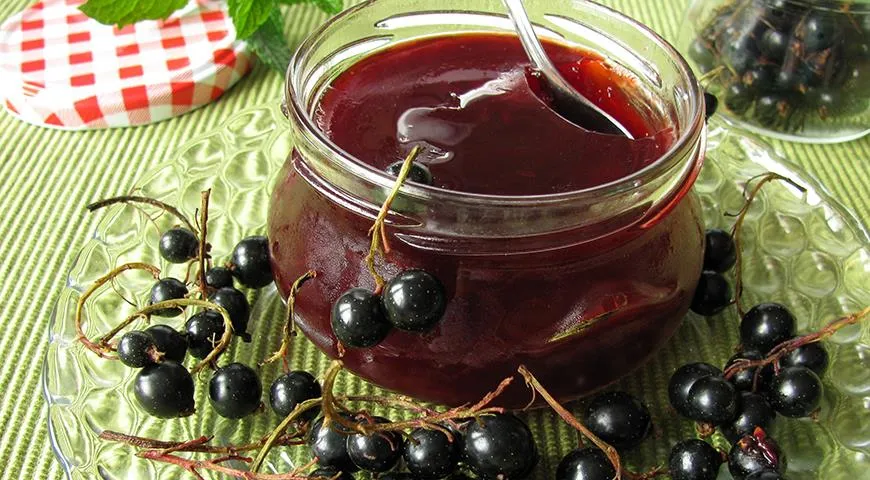
There is a quiet elegance in a jar of homemade blackcurrant jelly. Its deep ruby hue, shimmering clarity, and that perfect balance of tart and sweet make it a treasure in any kitchen. This recipe transcends the ordinary—it’s not just a spread for toast but a versatile condiment that elevates both desserts and savory dishes. Pair a spoonful with roasted duck breast, turkey roast, chicken liver pâté, or simply dollop it onto syrniki, cottage cheese casserole, lazy dumplings, or a scoop of premium vanilla ice cream. The result is instant restaurant sophistication in every bite.
About This Blackcurrant Jelly
Blackcurrant jelly is a beloved preserve across Eastern Europe, cherished for its intense fruitiness and natural pectin content that yields a firm, spreadable set without commercial gelling agents. The process is surprisingly simple: a quick simmer, a careful strain, and a gentle reboil. In just minutes, you transform fresh currants into a jewel-toned jelly that stores beautifully in the refrigerator. This recipe yields approximately 800–900 ml of jelly, depending on your currants’ juiciness. For best results, use a reliable non-toxic immersion blender to puree the fruit, ensuring a smooth base before cooking.

Ingredients
- 1 kg fresh blackcurrants (preferably organic)
- 800 g granulated sugar
That’s it—two ingredients, no pectin, no water. The natural pectin in blackcurrants, combined with the sugar, creates a perfect gel. Choose ripe, firm berries. Overripe or damaged fruit can cloud the jelly’s clarity.
Step-by-Step Instructions
Step 1: Prepare Your Jars and Equipment
Sterilize your jars and lids by boiling them for 10 minutes or using a steam canner. Dry them upside down on a clean kitchen towel. This ensures a pristine environment for your jelly, preventing spoilage.
Step 2: Clean the Currants
Sort through the blackcurrants, removing any stems, leaves, and damaged berries. Rinse them thoroughly in cold water and drain in a colander. Patience here pays off—every piece of stem left can impart a bitter note.
Step 3: Blend Currants with Sugar
Place the currants and sugar in a large, heavy-bottomed pot. Use an immersion blender to puree the mixture until smooth. A high-quality food processor can also work, but an immersion blender allows direct blending in the pot, minimizing mess and maximizing extraction.
Step 4: First Boil
Set the pot over medium heat. Stir constantly with a heat-resistant spatula to prevent scorching. Bring the mixture to a rolling boil. Let it boil vigorously for 2–3 minutes, stirring all the while. You’ll notice the color deepen and the liquid begin to thicken.
Step 5: Strain Through a Sieve
Remove the pot from heat immediately. Working quickly, pour the hot puree through a fine-mesh sieve into another pot. Use a spatula to press the pulp, extracting as much juice as possible. Do not discard the leftover pulp—it makes a lovely, light fruit drink. For a faster process, consider a wheatgrass juicer (or a similar juicer), but a sieve yields a clearer jelly.
Step 6: Second Boil
Return the strained juice to the stove. Bring to a boil over medium-high heat and cook for exactly 2 minutes. This second boil concentrates the pectin and sugar, ensuring a firm set. Avoid overcooking, which can affect the gel structure.
Step 7: Fill Jars and Cool
Ladle the hot jelly into your sterilized jars, leaving about 1 cm headspace. As you pour, you’ll notice the jelly beginning to set along the pot edges. Do not seal the jars yet. Allow the jelly to cool completely at room temperature until a thin skin forms on the surface. This natural surface helps prevent condensation inside the jar.
Step 8: Seal and Refrigerate
Once completely cold, screw on the lids and place the jars in the refrigerator. The jelly will continue to set as it chills. For longer storage, you can process the jars in a boiling water bath for 5 minutes, but this jelly stays perfectly for up to 3 months refrigerated.
Tips for Perfect Jelly
- Use a reliable thermometer: The jelly reaches the setting point at about 104°C (220°F). A digital probe thermometer ensures precision.
- Don’t skip the second boil: This step is crucial for texture. A single boil produces a softer, more syrupy result.
- Test the set: Before filling jars, place a small spoonful on a chilled plate. If it wrinkles when pushed, it’s ready.
- Choose the right pot: A wide, stainless-steel or enamel pot distributes heat evenly. Avoid aluminum, which reacts with acidity.
- For crystal-clear jelly: Avoid stirring vigorously during straining, which can introduce air bubbles.
Delicious Variations
- Herb-Infused Jelly: Add 2–3 sprigs of fresh thyme or a vanilla bean during the first boil. Remove before straining.
- Spiced Blackcurrant Jelly: Throw in a cinnamon stick, 3 cloves, and a star anise during cooking. This pairs beautifully with roast pork or lamb.
- Low-Sugar Version: Reduce sugar to 500 g and add 2 tablespoons of lemon juice for acidity. The set may be softer; use as a sauce.
- Mixed Berry Jelly: Substitute half the blackcurrants with raspberries or redcurrants for a harmonious blend.
- Alcoholic Touch: Stir in 2 tablespoons of your favorite organic vodka or crème de cassis after cooling for an adult twist.
Frequently Asked Questions (FAQ)
Why didn’t my jelly set?
Jelly may fail to set due to undercooking, insufficient sugar, or overripe fruit. Ensure you boil to the correct temperature (104°C) and use sugar exactly by weight. If your currants are very ripe, add 1–2 teaspoons of commercial pectin.
Can I use frozen blackcurrants?
Absolutely. Thaw them completely and use the juice that collects. You may need to increase the sugar slightly, as frozen berries can vary in acidity.
How long does homemade blackcurrant jelly last?
Refrigerated in sterilized jars, it keeps for up to 3 months. If you process in a boiling water bath for 10 minutes, it will last up to 12 months in a cool, dark pantry.
Can I reduce the sugar?
Yes, but the set will be softer. For a spreadable texture with less sugar, combine 500 g sugar with 2 tablespoons lemon juice or use a sugar alternative like a pressure cooker method that requires less sugar.
What can I do with the leftover pulp?
Do not throw it away! The pulp is perfect for making a light fruit drink—add water, a little sugar, and simmer for 10 minutes, then strain. You can also blend it into smoothies or stir into yogurt for a fiber-rich treat.
How do I store the jelly after opening?
Keep it in the refrigerator at all times. Use a clean, dry spoon each time to avoid contamination. It will remain lovely for at least a month after opening.
This blackcurrant jelly is more than a preserve—it’s a transformative ingredient. Whether you’re seeking a dollop of brightness on a cheese board, a glaze for a roast, or a nostalgic spoonful over ice cream, this ruby-red classic delivers. With its deep flavor, natural elegance, and effortless technique, it deserves a permanent spot in your culinary repertoire. For more preserving inspiration, explore recipes like Catalan sponge cake that pair beautifully with fruit preserves. And remember, the right tools—from a high-quality immersion blender to a steam canner—make all the difference in achieving a flawless result.







