


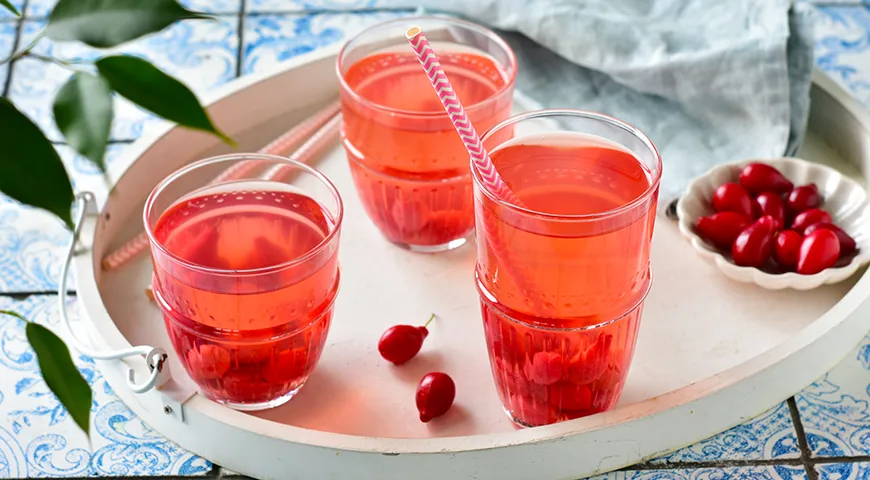
In the depths of winter, when fresh berries are a distant memory, a jar of homemade compote becomes a treasure. This Winter Cornelian Cherry Compote (компот из кизила на зиму) is more than a simple drink—it is a ruby-red elixir bursting with vitamin C, a natural shield against colds and fatigue. The cornelian cherry, a tart stone fruit revered in Eastern European kitchens, imparts a deep crimson hue and a pleasantly astringent note that balances perfectly with sugar and lemon. Our recipe uses the two‑pour method, eliminating the need for sterilizing filled jars and ensuring the berries remain whole and vibrant. With just three main ingredients and a handful of easy steps, you’ll capture the essence of early autumn to enjoy all year round.
About This Compote
Cornelian cherries (dogwood berries) have been foraged and preserved for centuries. They grow wild across the Caucasus, Crimea and southern Russia, ripening in late August to September. The fruit’s high pectin content makes it ideal for jams and jellies, but for compote, the goal is to preserve its shape and tang. This recipe yields two 3‑litre jars—roughly 6 litres of finished compote. The two‑pour technique (blanching, then boiling the syrup separately) prevents the berries from bursting and keeps the liquid crystal clear. For the best texture, choose firm, underripe cherries; overripe fruit will disintegrate. The lemon juice brightens the flavour and helps stabilise the colour.

Ingredients
- Cornelian cherries (fresh) – 600 g
- Sugar – 450 g
- Water – 5 L
- Lemon juice – 70 ml (freshly squeezed or concentrated)
Step‑by‑Step Instructions
- Prepare the berries. Sort through the cornelian cherries, discarding any leaves, stems or damaged fruit. Transfer them to a sieve and rinse thoroughly under cool running water. Spread on a clean kitchen towel to dry.

- Sterilise the jars. Wash two 3‑litre glass jars thoroughly with hot, soapy water or baking soda. Sterilise them using your preferred method—a microwave pressure cooker or steam canner works wonderfully. Alternatively, you can process them in a conventional oven at 120 °C for 15 minutes. Keep the jars hot until use.

- Fill jars and first pour. Divide the dried cherries evenly between the two prepared jars. In a large pot, bring the filtered water to a rolling boil. Carefully pour the boiling water into the jars, covering the berries completely. Place the lids on top (do not seal) and let steep for 20 minutes.

- Make the syrup. After 20 minutes, pour the infused water from the jars back into the pot using a lid with perforations (or a sieve). Add the sugar and bring to a boil, stirring occasionally. Let it simmer for 5–7 minutes, until the sugar is fully dissolved and the syrup is slightly thickened.

- Add lemon juice and final pour. Into each jar pour 35 ml of lemon juice (freshly squeezed or high‑quality concentrate). Ladle the hot syrup over the cherries, filling to the shoulder of the jar—about 2 cm from the rim. Seal immediately with sterilised lids.

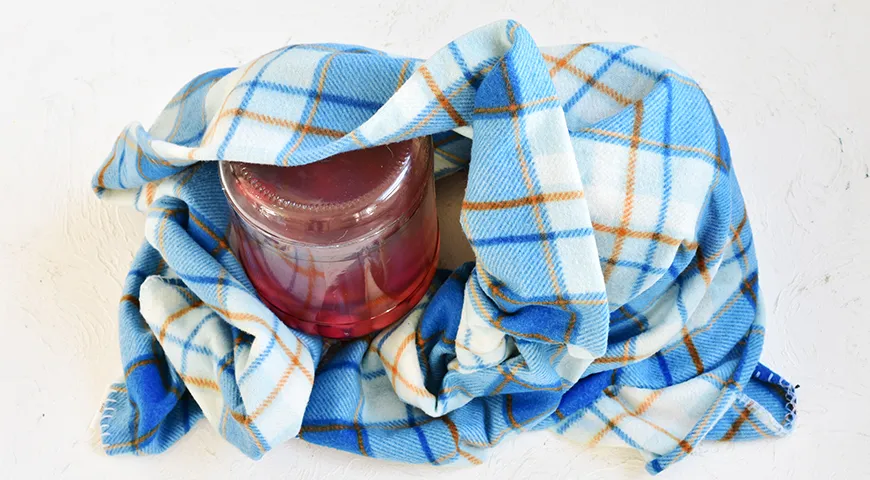
- Cool and store. Invert the sealed jars and wrap them in a thick blanket or towel. Allow them to cool completely, undisturbed, for at least 12 hours. This creates a vacuum seal. Once cool, check the seals—the lids should not spring back when pressed. Store in a cool, dark place for up to one year. Refrigerate after opening.
Tips for Perfect Cornelian Cherry Compote
- Choose the right fruit. Use firm, underripe cherries. Overripe ones will fall apart during the first pour. If you can’t find fresh cornelian cherries, dried versions can be used after rehydrating—but the flavour will differ.
- Avoid over‑boiling the syrup. A rapid simmer of 5–7 minutes is enough. Longer boiling concentrates the sugar too much and can make the compote syrupy rather than refreshing.
- Use filtered water. Tap water with high mineral content can cloud the compote. For a brilliant finish, always start with filtered or spring water. Pair your compote with a fine coffee for an elegant winter breakfast.
- Sterilise everything. Lids, jars, and even the ladle must be sterile. A non‑toxic air fryer can also be used to dry‑sterilise small jars at 120 °C for 10 minutes.
- Check seals. After cooling, press the centre of each lid. If it pops back, the jar isn’t sealed—refrigerate and use within a month. For long‑term storage, consider a ice maker to keep compote cold once opened.
Variations
This basic compote is a canvas for creativity. Add a vanilla pod to the syrup for a floral note. Replace half the sugar with honey (reduce boiling time to 3 minutes). For a spicy version, drop in a cinnamon stick and two cloves while simmering. If you prefer a non‑alcoholic winter warmer, serve the compote hot with a slice of orange and a star anise. For an adult twist, stir in a shot of organic vodka just before serving. The compote also works beautifully as a base for gelatins or sorbets—use an immersion blender to purée the berries after opening.
Frequently Asked Questions
Can I use frozen cornelian cherries?
Yes. Thaw them completely and drain excess liquid before using. Reduce the first steeping time to 10 minutes because frozen fruit releases more moisture. Your compote will be equally delicious.
Why did my berries burst open?
This usually happens with overripe cherries or if the water was too vigorously boiled. Use firm, underripe fruit and pour the boiling water gently. A high‑powered blender is not needed here—just a steady hand.
How long does the compote last after opening?
Once opened, refrigerate and consume within 5–7 days. Because it’s sugar‑preserved, it lasts longer than fresh juice. For optimum freshness, store in a built‑in refrigerator set at 4 °C.
Can I reduce the sugar?
Yes, but it will affect preservation. For a low‑sugar version, use 300 g sugar and add 1 tsp of citric acid. The compote will be more tart and should be consumed within 3–4 months. A fine oil sprayer has nothing to do with this—but a kitchen scale helps measure accurately.
Is the two‑pour method safe?
Absolutely. It’s a standard home‑canning technique. The initial boil kills surface microbes on the fruit, and the second boiling of the syrup ensures the sugar is fully incorporated and the liquid is sterile. Always use proper canning practices. A microwave pressure cooker can double‑check jar seals.
What else can I do with leftover syrup?
The infused syrup from the first pour is delicious on pancakes or as a cocktail mixer. Strain it, chill it, and combine with sparkling water for a quick soda. If you have flavoured syrups, experiment with blending.







