


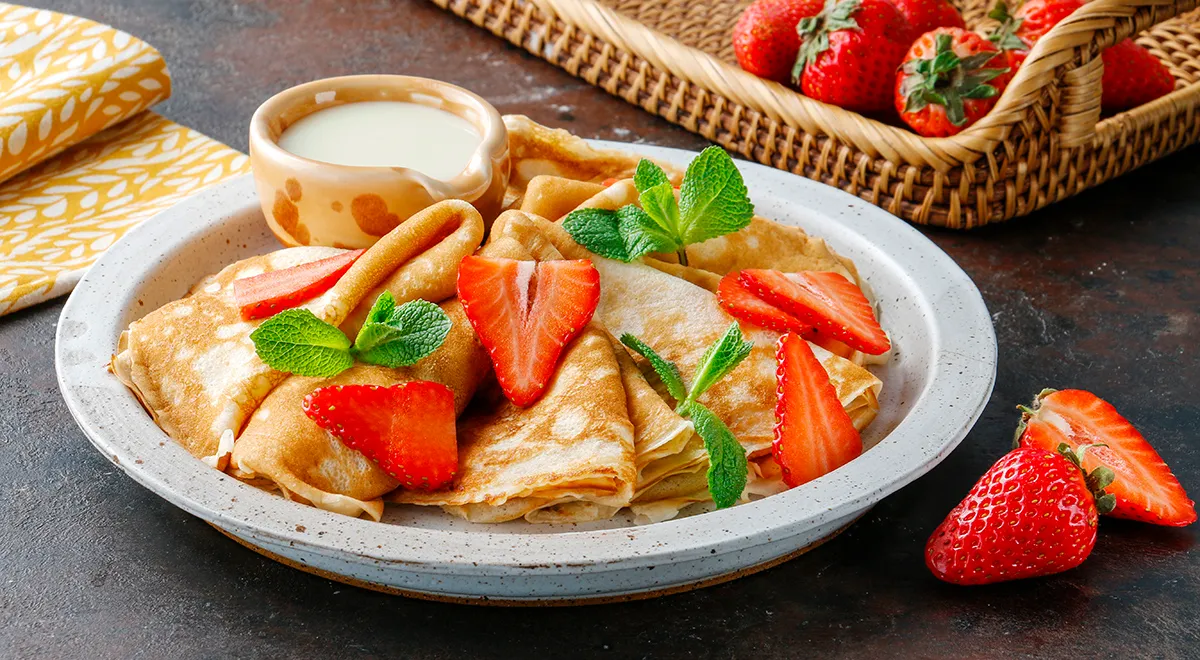
There is a quiet genius in recipes passed down through generations—those unassuming formulas that deliver extraordinary results with minimal fuss. The Russian blin, or pancake, is one such treasure. This particular version, known as ''Three-Glass Kefir Pancakes,'' owes its ethereal lightness to a clever combination of kefir and sparkling mineral water. The result? Tender, slightly tangy, and impossibly lacy pancakes that practically melt on the tongue. Whether you are a seasoned home cook or a curious beginner, this recipe promises a rewarding journey into the heart of Slavic comfort food.
About This Recipe
The name ''Three-Glass'' refers to the three key liquid ingredients: one glass of kefir, one glass of flour (by volume), and one glass of mineral water. This elegant ratio creates a batter that is thin enough to spread easily on the pan yet sturdy enough to flip without tearing. The kefir provides a subtle tang and tender crumb, while the carbonated water adds bubbles that translate into delicate air pockets during cooking. For even more consistent mixing, consider using a non-toxic immersion blender to combine the batter smoothly. These pancakes are perfect for a leisurely breakfast, a festive brunch, or as a versatile base for sweet and savory fillings alike.

Ingredients
Measure everything precisely—the balance of liquids is the secret here.
- 2 large eggs (room temperature)
- 2 tablespoons (30 g) granulated sugar
- ½ teaspoon salt
- 250 ml (1 cup) kefir, 3.2% fat, at room temperature
- 160 g (1 cup) all-purpose flour
- ½ teaspoon baking soda
- 250 ml (1 cup) sparkling mineral water, chilled
- Vegetable oil, for frying (as needed)
Using a planetary mixer can speed up the whisking, but a simple hand whisk works beautifully.
Step-by-Step Instructions
Step 1: Prepare the egg base
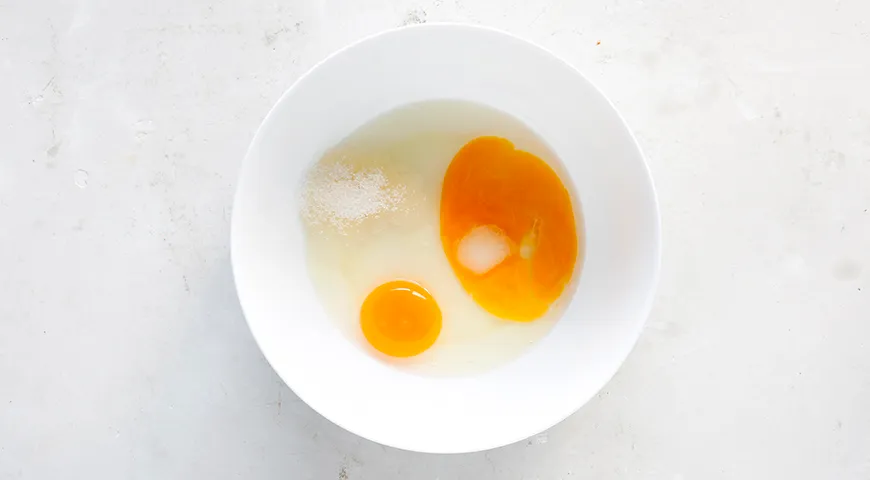
Crack the eggs into a large deep bowl. Add the sugar and salt. Whisk vigorously until the mixture is pale, slightly frothy, and completely uniform—about 1 minute. This initial aeration helps give the pancakes their lift.
Step 2: Add kefir
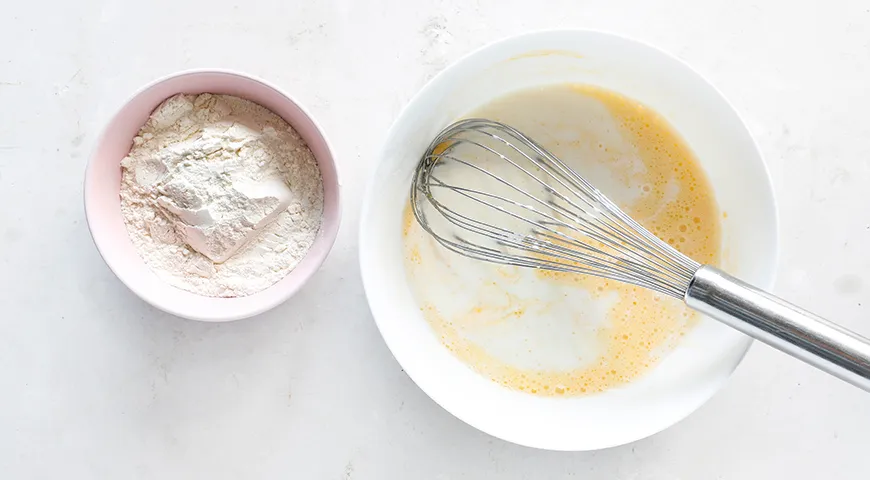
Pour the room-temperature kefir into the egg mixture. Whisk again until completely smooth. In a separate bowl, sift together the flour and baking soda through a fine mesh sieve. This step aerates the flour and distributes the soda evenly.
Step 3: Combine dry and wet ingredients
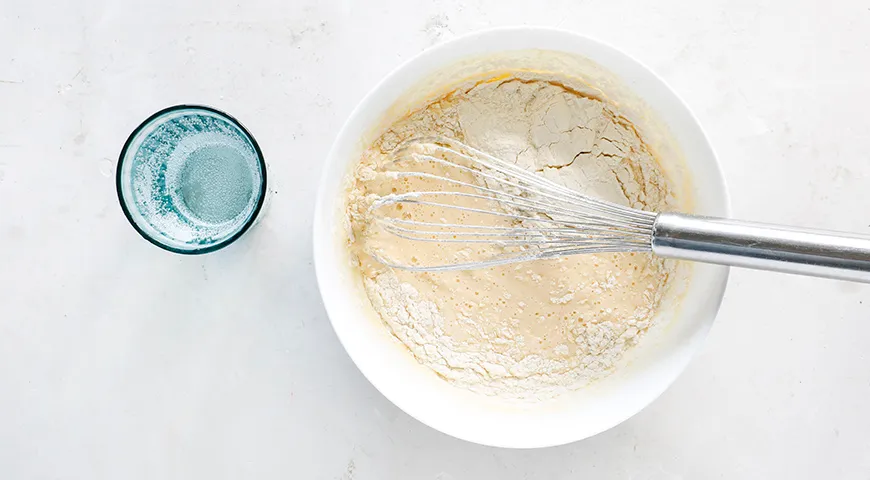
Gradually add the flour mixture to the kefir-egg mixture, whisking constantly to prevent lumps. Once combined, the batter will be thick. Now slowly stream in the mineral water while whisking gently. The batter should become thin, smooth, and slightly bubbly. Let it rest for 10 minutes at room temperature. This rest allows the gluten to relax and the bubbles to stabilize.
Step 4: Fry the pancakes
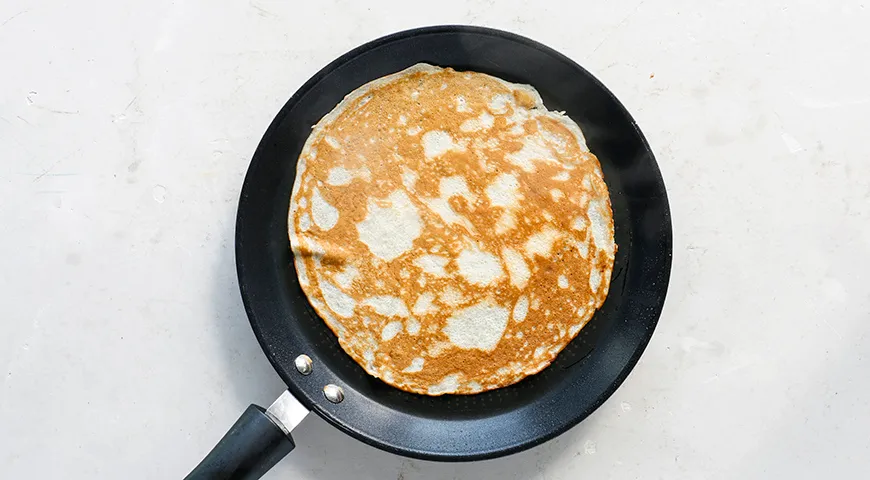
Heat a well-seasoned crêpe pan or non-stick skillet over medium-high heat. Lightly grease the pan with vegetable oil using a paper towel or a best oil sprayer for even coverage. Pour a ladleful of batter (about 60 ml) into the center of the pan, tilting quickly to spread it into a thin, even circle. Cook until the edges lift and the surface looks dry and golden brown underneath, about 1 minute. Flip with a thin spatula and cook the second side for 30–45 seconds.
Step 5: Keep warm and repeat
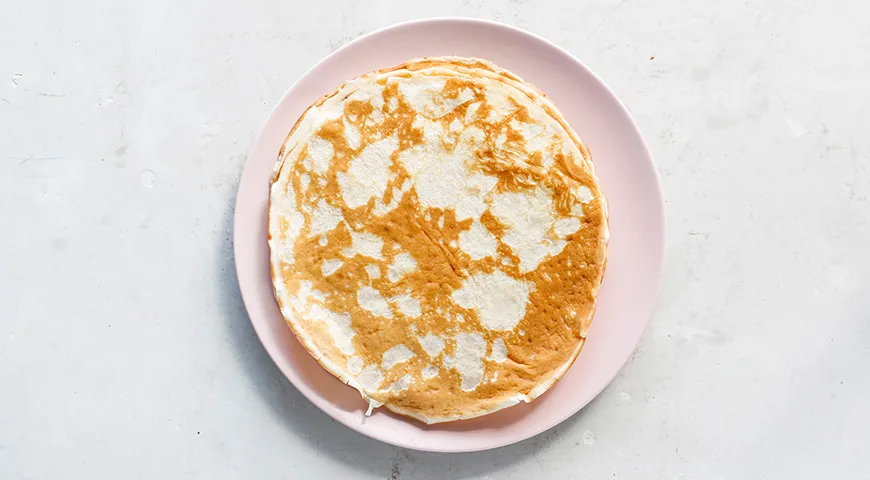
Transfer each finished pancake to a plate and cover loosely with a clean kitchen towel or place in a warm oven (set to 80°C/175°F). Continue with the remaining batter, re-greasing the pan lightly between each pancake. Stack them so they stay soft and pliable.
Tips for Perfect Blini
- Temperature matters: Use room-temperature eggs and kefir for a smoother batter. Cold ingredients can curdle the mixture.
- Don’t overmix: Once you add the flour, whisk just enough to combine. Overworking develops gluten and makes pancakes tough.
- Rest the batter: The 10-minute rest is non-negotiable. It allows the baking soda to react with the kefir’s acidity, creating extra bubbles.
- Adjust the heat: If pancakes brown too quickly, lower the heat. The first pancake is often a test—adjust from there.
- Serve immediately: These pancakes are best fresh. If you must hold them, keep them in a warm oven, not a microwave, which can make them rubbery. For a complete breakfast experience, pair them with a reliable coffee maker.
Variations to Explore
Once you master the basic recipe, feel free to experiment. Add a teaspoon of vanilla extract or a pinch of cinnamon to the batter for fragrant pancakes. For savory versions, omit the sugar and add finely chopped dill or chives. Fold in grated apple or berries after pouring the batter into the pan. If you enjoy creative kitchen gadgets, a food processor can help you make nut butters to spread on these golden discs. Or serve them alongside a bowl of gourmet chocolate-covered raisins for a sweet contrast.
Frequently Asked Questions
Can I use milk or buttermilk instead of kefir?
Kefir’s tang and acidity are essential for reacting with the soda. Buttermilk is a good substitute (use 250 ml plus 1 teaspoon lemon juice). Regular milk will produce less tender pancakes; add 1 teaspoon vinegar to mimic acidity. For more on fermenting and dairy, check our steam canner guide for preserving techniques.
Why did my pancakes turn out rubbery?
Rubberiness usually comes from overmixing the batter or cooking at too high heat. Mix until just combined, and ensure your pan is hot but not smoking. Also, do not skip the resting step—it allows the gluten to relax.
Can I make the batter ahead of time?
For best results, fry immediately after resting. The carbonation dissipates quickly. If you must prep ahead, mix the dry ingredients and wet ingredients separately, then combine just before cooking.
What is the best pan for blini?
A traditional Russian blini pan (small, shallow, with low sides) works ideally. Alternatively, a well-seasoned cast iron skillet or a high-quality non-stick crêpe pan. Seasoning your pan correctly is key—read our non-toxic air fryer guide for tips on maintaining cookware.
How do I store leftover pancakes?
Stack cooled pancakes between sheets of parchment paper, wrap tightly in plastic, and refrigerate for up to 3 days. Reheat in a dry skillet over medium heat for 30 seconds per side, or in a wall oven microwave combo on low power. They also freeze beautifully for up to 2 months.
Can I use this batter for other dishes?
Absolutely. It makes excellent blini for Russian zakuski (appetizers) topped with sour cream and caviar, or as a base for a savory galette. For a Spanish twist, you might enjoy our Catalan sponge cake recipe—a perfect dessert to serve with leftover kefir.
Final Thoughts
These Three-Glass Kefir Pancakes embody the beauty of simple, well-executed cooking. With just a handful of everyday ingredients and a few minutes of active work, you can create a stack of tender, bubbly pancakes that delight the senses. Serve them with sour cream and jam for a classic Russian breakfast, or wrap them around smoked salmon and dill for an elegant lunch. The recipe is endlessly adaptable, forgiving, and utterly satisfying.
For more inspiration on kitchen tools and gourmet ingredients, explore our collection of reviews—from the best undercounter ice maker for chilled drinks to the finest George Howell coffee for a perfect morning brew. Happy cooking, and may your pancakes always be golden!







