


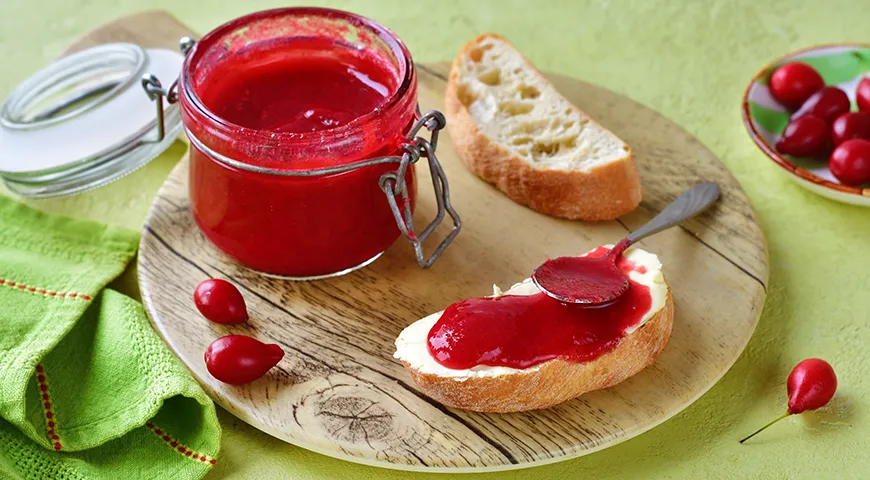
There are preserves that whisper of sun‑drenched hillsides and ancient orchards. Seedless cornelian cherry jam (варенье из кизила без косточек) is one of them. This deep ruby‑red confection transforms the tart, wild‑tasting cornelian cherry into a velvety, spice‑kissed spread that lingers on the palate. Unlike many fruit preserves, cornelian cherries retain most of their remarkable nutritional profile even after cooking—making this jam both a luxury and a wise pantry staple. In this guide, we’ll walk you through every step, from selecting the finest berries to sealing the jars for winter’s darkest months.
About Cornelian Cherry Jam
Cornelian cherries (Cornus mas) are not true cherries but a member of the dogwood family. They ripen slowly over five to six months, and connoisseurs swear that the most flavorful fruits are those that fall to the ground and lie overnight—or better yet, are kissed by the first frost. Garden‑grown berries tend to be larger and juicier than their wild cousins, so when shopping, look for plump, fragrant specimens. This seedless version removes the tough pits and skins, resulting in a silky puree that can be used on toast, in pastries, or even as a glaze for roasted meats. The addition of cinnamon and vanilla sugar elevates the natural sour‑sweetness into something truly special.

Ingredients
- 2 kg cornelian cherries (fresh, preferably garden‑grown)
- 850 g granulated sugar
- 500 ml water
- 15 g ground cinnamon
- 20 g vanilla sugar (or 1 teaspoon vanilla extract)
Step‑by‑Step Guide to Perfect Seedless Jam
Follow these six steps to create a jam that is as beautiful as it is delicious. Each stage is designed to maximize flavor while removing every unwanted seed and skin.
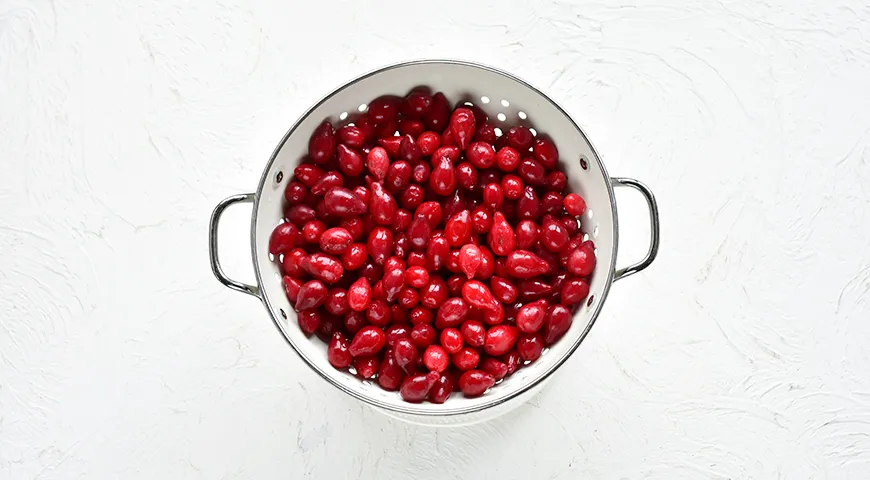
- Prepare the cherries. Pick over the berries, discarding any that are bruised or moldy. Remove stems and leaves. Rinse thoroughly in a colander under cool running water. Pat dry gently with a clean kitchen towel.
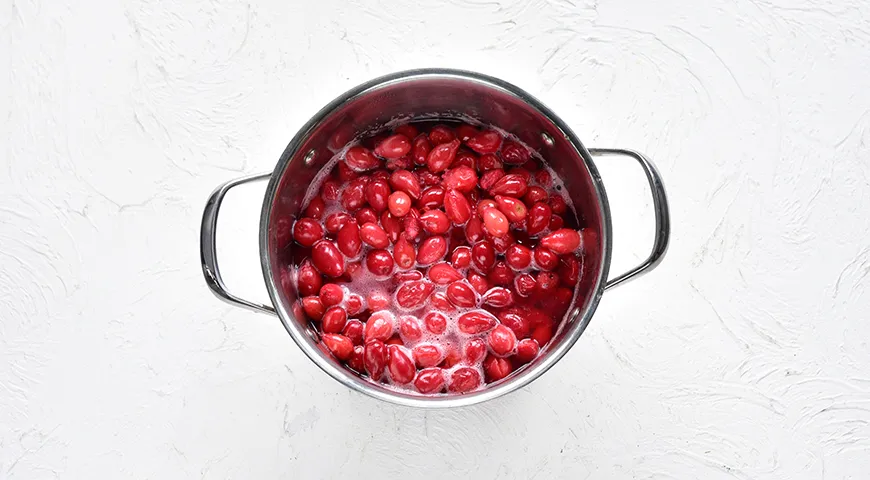
- Blanch the berries. Place the cleaned cherries in a large, heavy‑bottomed pot. Pour in 500 ml of water and bring to a boil. Reduce heat and let simmer gently for 8–10 minutes, until the cherries begin to burst and soften. The skins will split and the flesh will release its juice. Allow the mixture to cool slightly before proceeding.
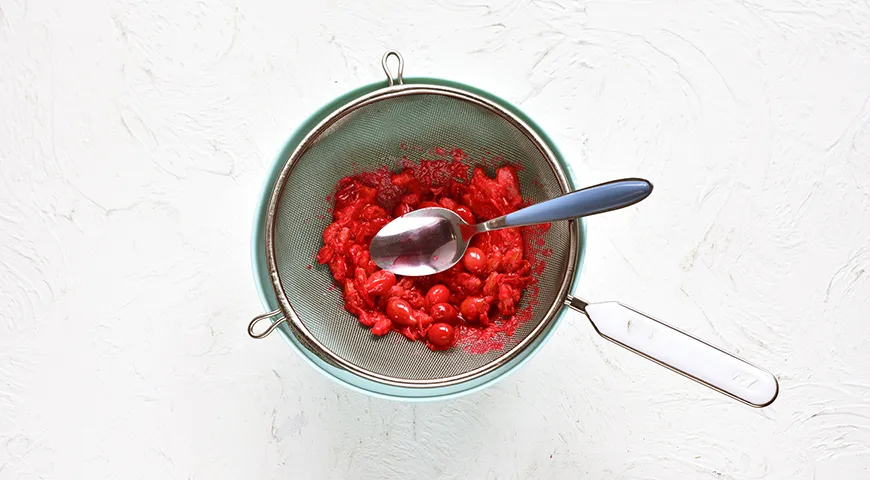
- Puree and remove seeds. Working in small batches, transfer the cooked cherry mixture to a fine‑mesh sieve set over a bowl. Using the back of a spoon or a non‑toxic immersion blender (carefully, off the heat), press the pulp through the sieve while leaving the pits and skins behind. Discard the solids. Tip: For larger quantities, a glass food processor bowl with a puree disc can speed up this step—just pulse briefly to avoid overheating.
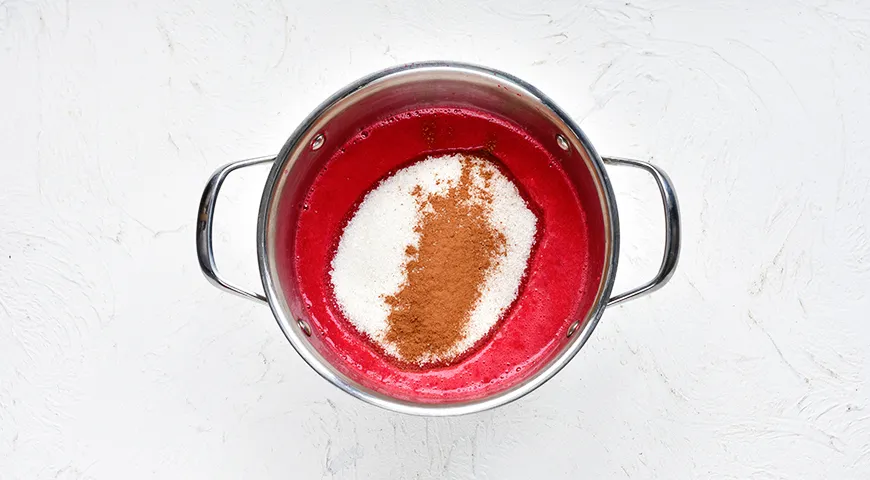
- Cook the jam with cinnamon. Return the puree to the pot. Add 850 g sugar and bring to a boil, stirring to dissolve. Sprinkle in 15 g ground cinnamon and continue cooking over medium heat, stirring occasionally with a wooden spoon, for about 20 minutes. To test for doneness, drop a small spoonful onto a cold plate—if it wrinkles and doesn’t run, the jam is ready.
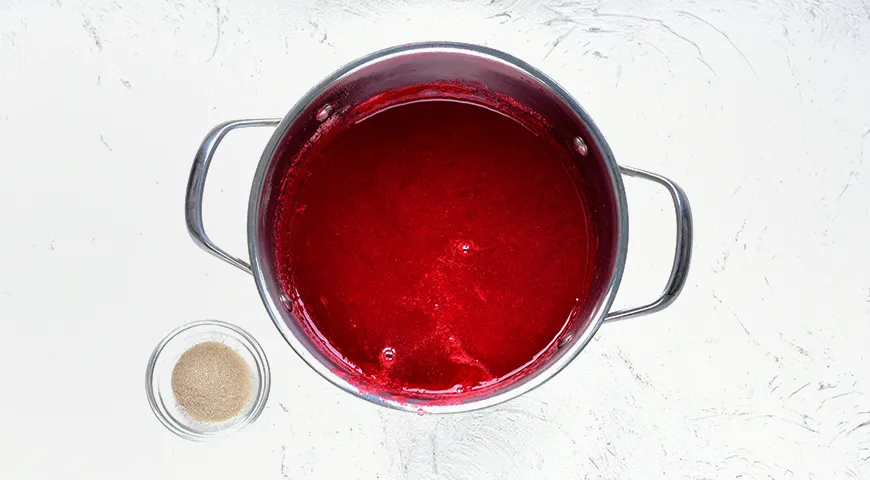
- Finish with vanilla. Stir in 20 g vanilla sugar (or 1 tsp vanilla extract) and cook for another 5–7 minutes over low heat. The aroma will become intoxicating. While the jam is still bubbling hot, ladle it into sterilized jars. Seal immediately with lids. For precise processing, consider using a steam canner to ensure a perfect vacuum seal.
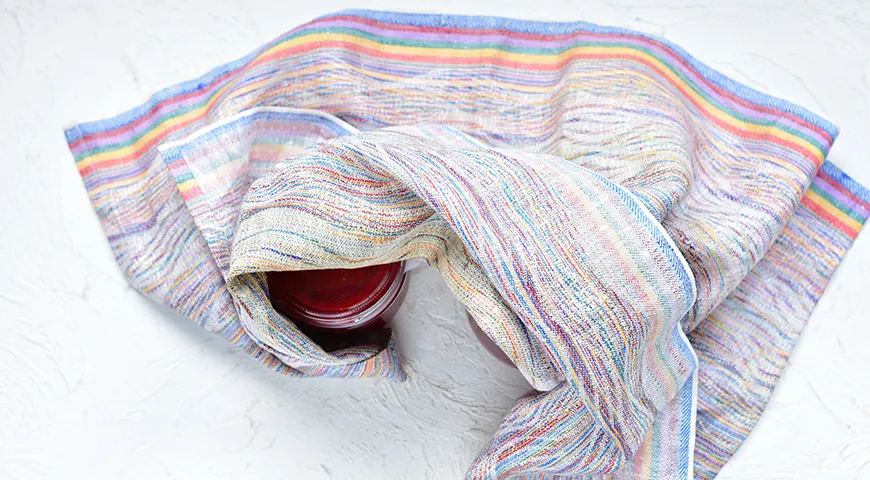
- Cool and store. Invert the jars, wrap them in a thick kitchen towel or blanket, and leave them upside down until completely cool. This creates an additional seal. Once cool, wipe the jars clean, label with the date, and store in a cool, dark place for up to one year. A 48‑inch built‑in refrigerator is ideal for long‑term storage, though a pantry works perfectly.
Tips for Outstanding Results
- Choose cornelian cherries that are fully ripe but still firm. Overripe fruit can make the jam too watery.
- For an even smoother texture, pass the puree through a second sieve or use a food processor designed for nut butter—its powerful motor will break down any remaining fibers.
- If you prefer a less sweet jam, reduce the sugar to 700 g and compensate with a splash of organic vodka or a few tablespoons of lemon juice to balance acidity.
- Don’t skip the vanilla sugar; it rounds out the tartness and adds a floral note that complements the cinnamon.
- To test jam consistency without a thermometer, keep a small saucer in the freezer. The wrinkle test never fails.
Variations to Explore
While the classic recipe is sublime, feel free to experiment. Add a pinch of smoked salt or a splash of sweet dessert wine during the final minutes of cooking for complexity. Stir in a handful of chocolate‑covered raisins just before jarring for a decadent twist. For a spicy kick, replace cinnamon with star anise or cardamom. The jam also pairs beautifully with creamy cheeses—spread on a cracker alongside a slice of aged Gouda and a drizzle of lava‑flavored finishing oil.
Frequently Asked Questions
Can I use frozen cornelian cherries?
Yes. Thaw them completely and drain any excess juice before cooking. You may need to increase the cooking time by a few minutes to evaporate the extra liquid.
How do I sterilize jars without a canner?
Wash jars and lids in hot soapy water, then place them in a pot of boiling water for 10 minutes. Lift them out with tongs and let them air‑dry upside down on a clean towel. Alternatively, use a microwave pressure cooker for quick sterilization.
Why did my jam turn out runny?
Underripe cherries have less natural pectin, or the jam may not have cooked long enough. Re‑cook the jam, testing the wrinkle test every 5 minutes. Adding a teaspoon of lemon juice can also help set it.
Can I reduce the sugar?
Yes, but note that sugar acts as a preservative and affects texture. For a lower‑sugar version, use a pectin‑alternative such as chia seeds (stir in 2 tablespoons after cooking) or a commercial low‑methoxyl pectin. Adjust cooking time accordingly.
What’s the best way to store opened jam?
Once opened, refrigerate the jam and consume within 3 months. To keep the surface mold‑free, always use a clean, dry spoon. A small spray of oil sprayer with neutral oil on the surface can also create a protective barrier.
Seedless cornelian cherry jam is more than a preserve—it’s a taste of tradition, carefully crafted for modern kitchens. Whether you spread it on morning toast, layer it in a Catalan sponge cake, or serve it alongside a cheese board, this jewel‑toned treasure will brighten any table. For the perfect coffee pairing, brew a cup using a reliable coffee maker—the jam’s sweet‑tart notes complement a dark roast beautifully. And if you’re planning a weekend brunch, don’t forget to chill a bottle of George Howell coffee or set out an undercounter ice maker for iced drinks. Happy preserving!







