


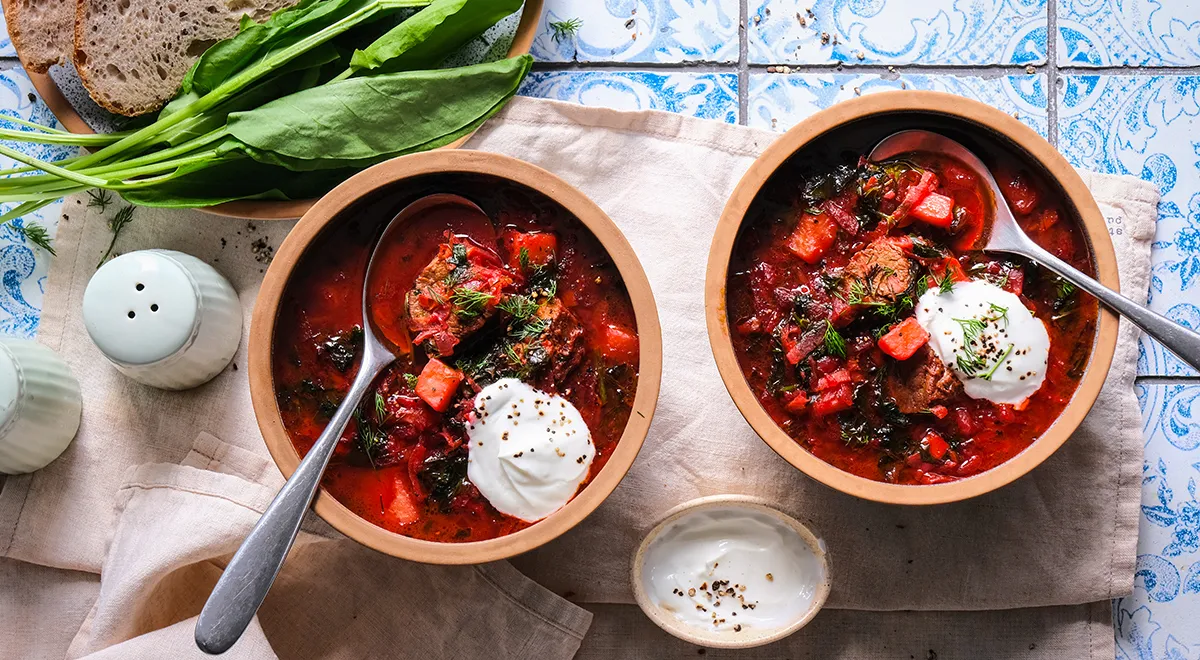
Few dishes capture the soul of Slavic home cooking as vividly as a steaming bowl of red borscht. This particular rendition, enriched with the bright tang of sorrel, elevates the humble beet soup into a symphony of earthy sweetness and herbal brightness. Crafted from a slow-simmered meat broth and a medley of root vegetables, this recipe delivers a deeply satisfying meal that warms from the inside out. Whether you are recreating a grandmother’s tradition or discovering Eastern European cuisine for the first time, this red borscht with sorrel promises both comfort and complexity.
About This Red Borscht with Sorrel
Borscht has countless variations across Russia, Ukraine, and Poland. This version – krasny boršč so ščavelem – stands out for its use of sorrel, a leafy green that adds a lemony note without the acidity of vinegar. The beets provide the signature crimson hue, while a rich broth made from beef or pork forms the backbone. The result is a balanced, nourishing bowl that can be served hot or cold, though this recipe is best enjoyed steaming, crowned with a dollop of non-toxic sour cream. For an even more aromatic experience, consider pairing it with crusty rye bread or Catalan sponge for dipping.

Ingredients
- Water – 3 litres
- Meat (beef or pork) – 500 g
- Whole black peppercorns – 5–7 pieces
- Bay leaves – 2–3 pieces
- Medium potatoes – 2 (350–400 g)
- Beetroot – 1 (300 g)
- Sorrel – 200 g
- Tomato paste – 150 ml
- Carrots – 2 (150 g)
- Onion – 1 (120 g)
- Celeriac root – ¼ (100–120 g)
- Bell pepper – ½ (100 g)
- Vegetable oil – 2 tbsp (50 g)
- Sugar – 1 tsp (5 g)
- Salt – ½ tsp (3 g)
- Paprika – 1 tsp
- Garlic – 3–4 cloves
- Fresh dill – 20 g
- Cilantro – 20 g
- Fresh parsley – 20 g
- Sour cream – for serving
For the best texture, use a glass food processor to shred the beets and carrots evenly. This will help them cook uniformly and release their natural sweetness.
Step-by-Step Instructions
Step 1: Prepare the Broth
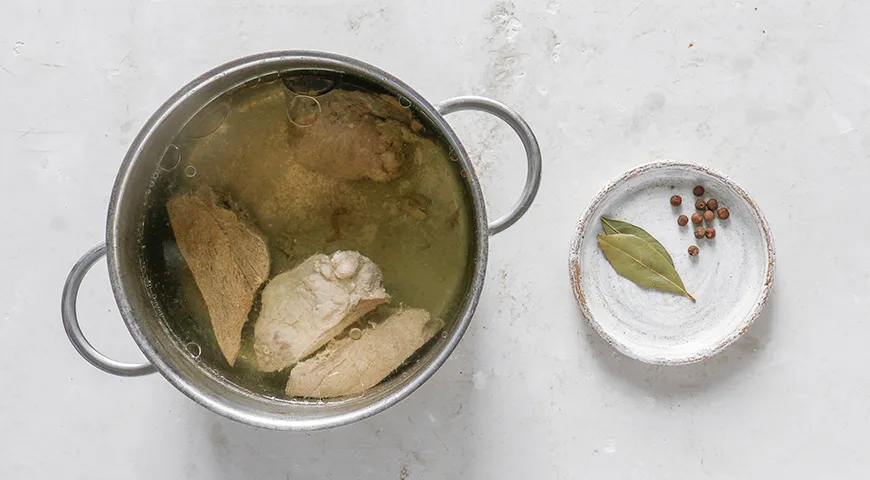
Place the rinsed meat in a large pot. Choose either beef or pork depending on your preference. Cover with cold water and set over medium heat. When it reaches a boil, reduce the heat, skim off the foam, and add bay leaves and whole black peppercorns.
Step 2: Simmer and Strain
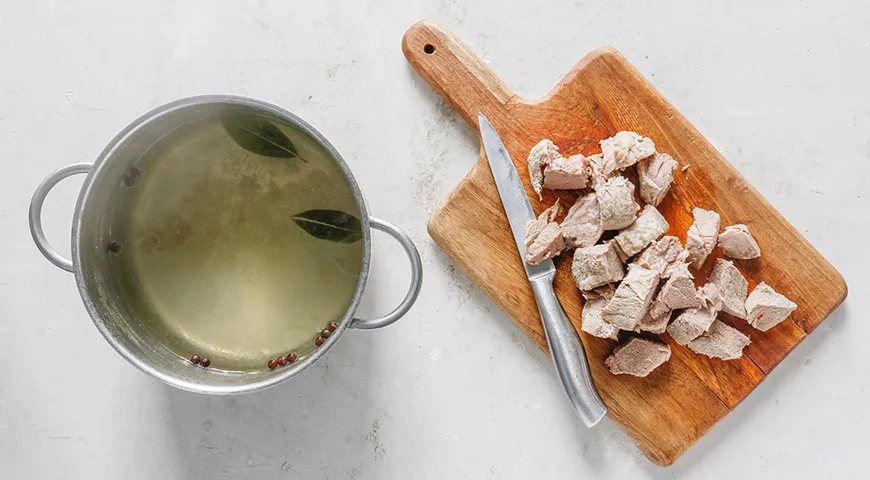
Simmer for 1.5 hours, periodically skimming off any foam to keep the broth clear. Remove the cooked meat, debone if necessary, and cut it into bite-sized pieces. Set aside. Strain the broth through cheesecloth, discarding the peppercorns and bay leaves.
Step 3: Make the Vegetable Sauté
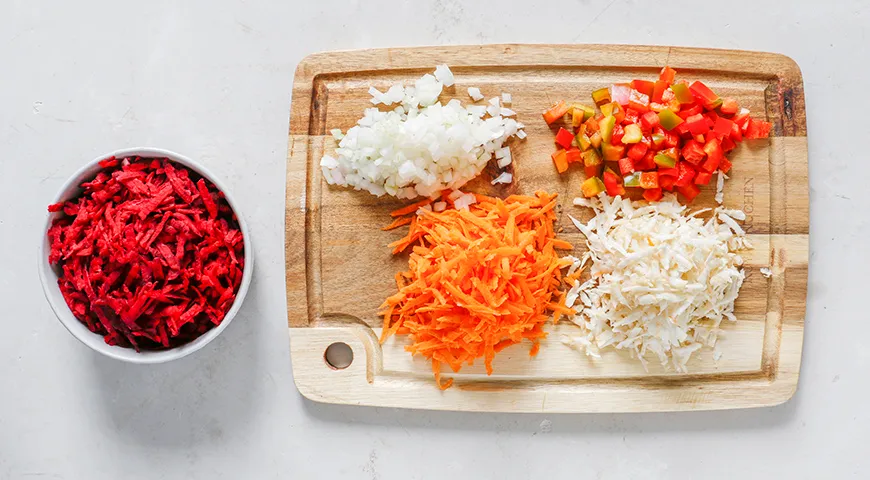
Peel the onion and remove the seeds from the bell pepper. Dice both. Peel the carrots and celeriac, then cut into thin strips or grate coarsely. Peel the beetroot and grate or julienne it. Place all prepared vegetables in separate bowls.
Step 4: Sauté Onion, Carrot, Pepper, and Celeriac
Heat 1 tablespoon of vegetable oil in a skillet over medium heat. Add the diced onion and sauté for 5 minutes, stirring constantly. Then add the carrot, bell pepper, and celeriac. Stir and cook for another 7 minutes. Season with a pinch of salt.

Step 5: Cook the Beetroot with Tomato Paste
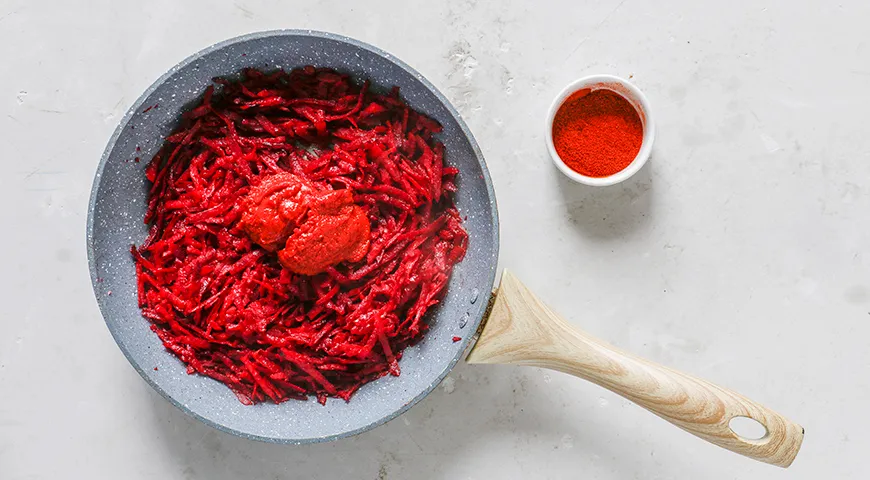
In a separate skillet, heat the remaining vegetable oil. Add the grated beetroot and sugar. Cook over low heat for about 10 minutes, stirring occasionally. Stir in the tomato paste and paprika. Cook for another 2–3 minutes until the paste darkens slightly.
Step 6: Combine Potatoes and Vegetables in Broth
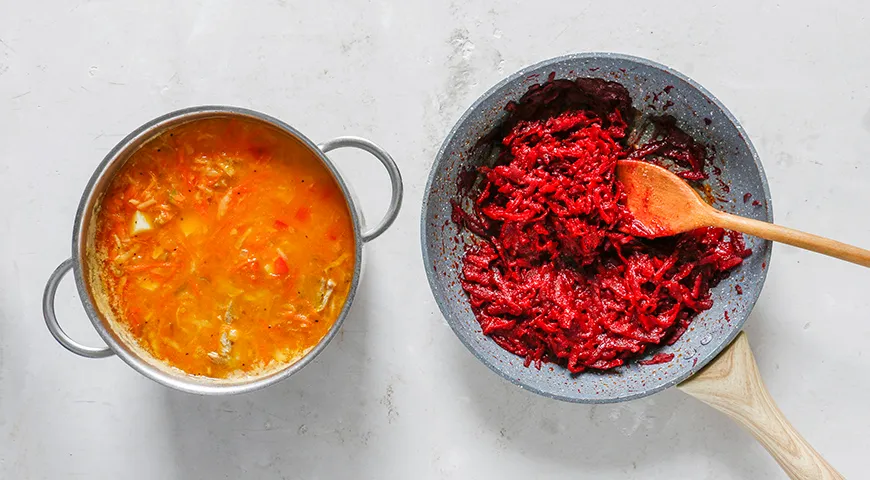
Peel the potatoes and dice them. Bring the strained broth to a boil, then add the potato cubes. Cook over low heat for about 10 minutes. Add the sautéed onion, carrot, pepper, and celeriac mixture. Cook for another 3 minutes. Finally, stir in the beetroot mixture and let it simmer for 5 minutes.
Step 7: Add Sorrel and Meat
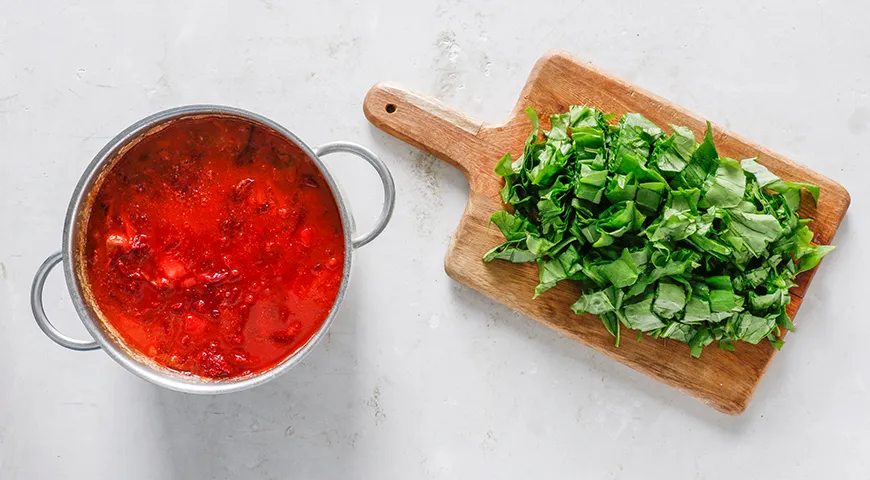
Wash the sorrel, remove the tough stems, and slice the leaves into 1 cm wide strips. Add to the pot along with the reserved cooked meat. Stir gently and let everything simmer for 5 more minutes. Turn off the heat.
Step 8: Finalise and Rest
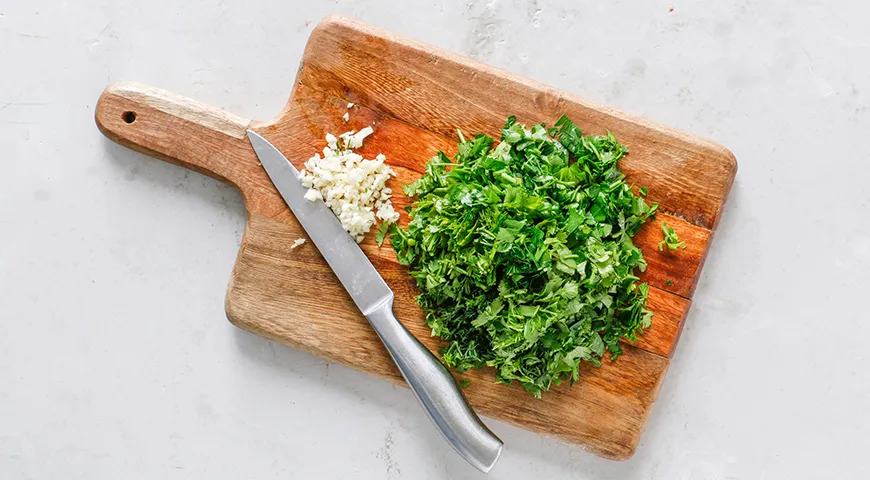
Finely chop the parsley, cilantro, and dill. Peel and mince the garlic. Stir the garlic and fresh herbs into the pot. Cover and let the borscht rest for 20 minutes to allow the flavours to meld. Serve piping hot with a generous spoonful of sour cream.
Tips for the Perfect Red Borscht
- For a vegetarian version, replace the meat broth with a hearty vegetable stock and skip the meat. Add a dash of organic vodka to the pot for a subtle depth (optional).
- The beetroot should be sautéed separately with sugar to maintain its vibrant colour and sweetness. Do not skip this step – it prevents the borscht from turning brown.
- Use a planetary mixer with a shredder attachment if you need to process large quantities of vegetables quickly.
- Let the borscht rest overnight in the refrigerator. The flavours deepen significantly, making it even more delicious the next day.
Variations
This recipe is highly adaptable. Swap the beef for pork shoulder for a richer taste, or use a mix of meats. Add a handful of cooked white beans for extra protein. For a smoky twist, use microwave pressure cooker-cooked bacon bits as a garnish. If you enjoy a spicier borscht, stir in a pinch of cayenne or serve with a side of high-alcohol sweet wine for contrast.
FAQ
Can I make red borscht with sorrel without meat?
Absolutely. Use vegetable broth and omit the meat. The sorrel and beets will still provide plenty of flavour. A 48-inch built-in refrigerator is great for storing a large batch of this soup.
What is the best way to store leftover borscht?
Keep it in an airtight container in the fridge for up to 4 days. The flavour improves after a day. Reheat gently on the stovetop. Avoid using a wall oven microwave combo for reheating as it may overcook the vegetables.
Can I freeze this borscht?
Yes, but for best results, freeze before adding the sorrel and fresh herbs. Add them after thawing and reheating. Use a undercounter ice maker machine to keep your frozen portions organised.
What can I substitute for sorrel?
If sorrel is unavailable, use fresh spinach with a squeeze of lemon juice. The lemon mimics sorrel's tanginess. A wheatgrass juicer can help you prepare fresh juices to add a nutritional boost to the soup.
Is this borscht traditionally served with anything besides sour cream?
Yes, many enjoy it with rye bread, garlic pampushky, or a side of chocolate-covered raisins for a sweet contrast. In summer, it can be served chilled with a dollop of oil sprayer-drizzled crème fraîche.
Embrace the rustic elegance of this red borscht with sorrel – a dish that bridges the gap between everyday comfort and festive richness. Whether you’re using a steam canner to preserve a batch for winter or simply enjoying it fresh, this recipe is a true testament to the art of slow cooking.







