


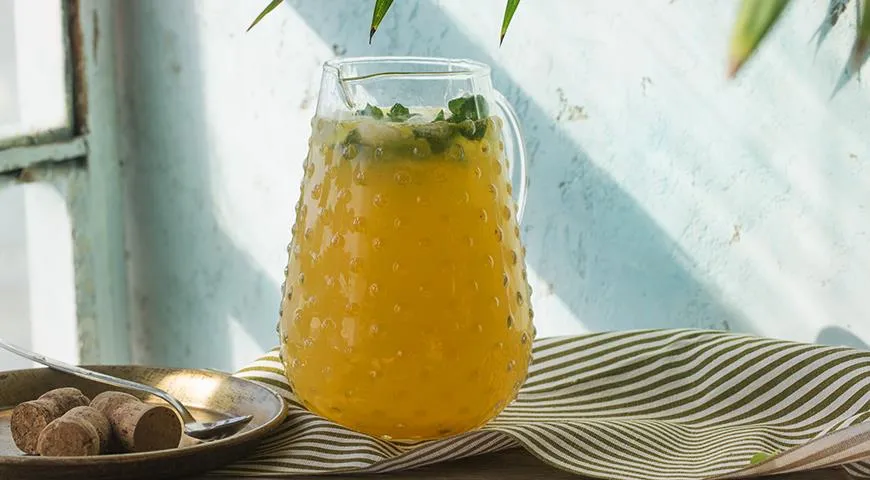
There's something magical about sangria—a drink that effortlessly captures the spirit of sunny afternoons and lazy dinners with friends. This pineapple sangria, known in Russian as Ananasovaya Sangria, takes the classic Spanish staple and gives it a tropical twist. With white wine, rum, tonic, and a medley of fresh citrus, it's a vibrant, crowd-pleasing pitcher that's perfect for everything from a casual cookout to an elegant brunch. The secret lies in macerating the fruit and giving the flavors time to meld in the fridge—a simple step that transforms a good drink into an unforgettable one.
About Pineapple Sangria
Sangria originated in Spain and Portugal, traditionally made with red wine and chopped fruit. Over the centuries, white wine variations have become equally beloved, especially in warm weather. This pineapple sangria swaps the usual red for a crisp dry white, then adds a splash of rum for depth, pineapple juice for sweetness, and tonic for a refreshing fizz. The citrus—orange and lemon—are treated in two ways: half is sliced and muddled to release oils and pithy bitterness, while the other half is juiced to brighten the whole blend. The result is a balanced, not-too-sweet cocktail that's as sophisticated as it is thirst-quenching. To ensure your citrus yields maximum juice, consider using a best wheatgrass juicer for efficient extraction, though a simple reamer works just as well.

Ingredients
- 750 ml dry white wine
- 120 ml rum (white or aged)
- 200 ml tonic water
- 100 ml pineapple juice
- 1 orange
- 1 lemon
- Fresh mint for garnish
The quality of your wine matters. Choose a crisp Sauvignon Blanc, Albariño, or a dry Spanish Verdejo. Avoid anything too oaky. For the rum, a light white rum keeps the focus on the fruit, but a dark rum can add caramel notes. As for the tonic, a premium Indian tonic like Fever-Tree or Q Tonic will elevate the bubbles. If you're planning to serve this at a party, a best 48-inch built-in refrigerator can help you chill the ingredients in advance.
Step-by-Step Instructions
Step 1: Prepare the Citrus
Cut the orange and lemon in half. Take one half of each and slice them into half-moons. Place the citrus slices in a large pitcher and gently muddle them with a wooden pestle—just enough to release the oils, not to break the peel into pulp. From the remaining halves, squeeze the juice directly into the pitcher. Muddling is a crucial technique; if you're new to it, a best non-toxic immersion blender isn't needed here, but a sturdy muddler is. Alternatively, use the back of a wooden spoon.
Step 2: Combine and Steep
Pour the white wine and pineapple juice into the pitcher. Stir everything together. Cover the pitcher and refrigerate for 4 to 8 hours—overnight is even better. This steeping time allows the citrus to infuse the wine with bright, aromatic flavor. While you wait, you can prepare the garnish or set out glasses. If you're serving a crowd, consider having an best undercounter ice maker machine handy for endless cubes.
Step 3: Finish and Serve
Just before serving, strain the sangria through a fine-mesh sieve into a clean pitcher to remove the muddled fruit solids (optional, but gives a polished look). Add the rum and tonic water, then stir gently. Pour into ice-filled glasses and garnish with fresh mint sprigs. Serve immediately while the tonic is still bubbly. For a party, you can pre-chill the glasses in the fridge or use a best coffee maker for Airbnb might seem unrelated, but a brewery-style pitcher could work—just kidding, stick to a clear glass pitcher.
Tips for the Perfect Sangria
- Choose a bone-dry wine – The pineapple juice and citrus add plenty of sweetness, so a dry base keeps the sangria balanced.
- Don't skip the muddling – This releases essential oils from the citrus peel that ordinary squeezing can't replicate.
- Strain before serving – While some like pulp in their sangria, straining yields a clear, elegant drink that's more refined.
- Add tonic at the last moment – Bubbles dissipate quickly, so pour tonic just before serving to retain that lively fizz.
- Use a quality rum – Since the rum is a key flavor element, a smooth white rum like Bacardí or a small-batch brand works best. Check out best organic vodka if you want to swap the rum for a vodka variation.
Variations
This recipe is incredibly adaptable. For a red sangria twist, replace the white wine with a light red like Pinot Noir and the rum with brandy. For a non-alcoholic version, use a zero-proof white wine (or apple juice) and omit the rum, replacing the tonic with sparkling water. Add sliced strawberries or peaches for extra fruitiness. If you're feeling adventurous, infuse the wine overnight with a vanilla bean or a cinnamon stick for a spiced version. And for those who love a refined presentation, serve in a best glass from Walfos—their crystal wine glasses are ideal for highlighting the golden hue of this sangria.
FAQ
1. Can I use bottled pineapple juice instead of fresh?
Absolutely. Look for 100% pineapple juice with no added sugar. Fresh is lovely, but bottled is convenient and consistent.
2. How long can I store leftover sangria?
Without tonic, the sangria base (wine, juice, fruit) can be refrigerated for up to 48 hours. Once tonic is added, consume within a few hours as the bubbles fade.
3. What's the best glassware for serving sangria?
Large wine glasses or balloon glasses are perfect. A best lava flavors might seem curious, but for sangria, glass clarity matters. Use a clear pitcher to show off the fruit.
4. Can I make this sangria without alcohol?
Yes! Replace the white wine with a non-alcoholic white wine or white grape juice, use a rum substitute (like Seedlip Spice 94) or simply omit it, and use a non-alcoholic tonic.
5. Is it necessary to muddle the fruit?
Muddling helps release the citrus oils, which add depth. If you skip it, the flavor will be lighter. If you don't have a muddler, press the slices with a fork.
6. Can I use a different type of rum?
Absolutely. Spiced rum adds warmth, coconut rum enhances the tropical vibe, and dark rum gives a richer profile. Each will change the character. For a clean taste, see the best planetary mixer—not for the rum, but for mixing large batches of any cocktail.
7. How do I keep the sangria cold without diluting it?
Use large ice cubes or ice blocks that melt slowly. Alternatively, freeze some of the wine or pineapple juice in ice cube trays to flavor the drink as they melt.
Pineapple sangria is more than a cocktail—it's a centerpiece. Whether you're hosting a festive gathering or simply unwinding on a warm evening, this recipe delivers brightness, depth, and a touch of indulgence. Serve it with grilled seafood, light salads, or a cheese board, and watch it disappear. For more kitchen inspiration, explore the Catalan sponge cake recipe that pairs beautifully with a glass of this sangria. Cheers!







